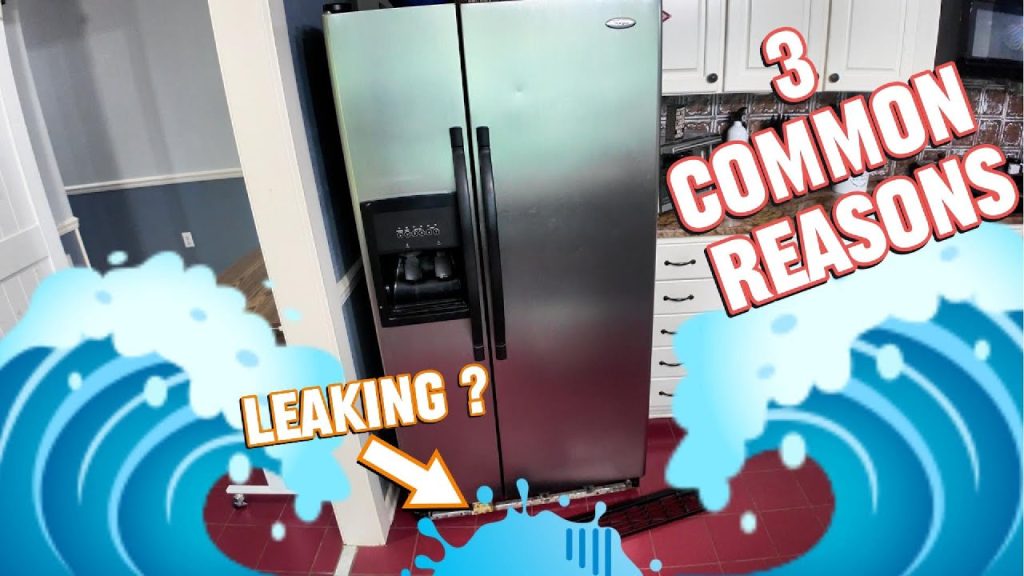
You open your refrigerator door and notice a puddle of water on the floor. Frustration sets in as you wonder why this is happening.
A leaky refrigerator can be more than just an inconvenience; it could signal a deeper issue that needs your attention. If you’ve ever found yourself mopping up water from your kitchen floor, you’re not alone. Many homeowners face this problem, and understanding what causes a refrigerator to leak water is crucial.
Could it be something simple, or is it a sign of a bigger problem? Stick around, and we’ll explore the common reasons behind this pesky issue and help you get to the root of the problem. Solving it might be easier than you think!
Credit: www.tataneu.com
Common Leak Sources
Water leaking from a refrigerator is a common problem. Several parts inside the fridge can cause leaks. Identifying the source helps fix the issue fast. Common leak sources include clogged drains, damaged seals, and broken parts. Understanding these helps keep your fridge dry and working well.
Clogged Defrost Drain
The defrost drain removes water during the automatic defrost cycle. Dirt or food particles can block this drain. Water then pools inside the fridge and leaks out. Regularly cleaning the drain prevents blockages. Use warm water or a pipe cleaner to clear it.
Damaged Door Seal
Door seals keep cold air inside the fridge. When seals crack or tear, warm air enters. This causes condensation inside the fridge. Water collects and leaks onto the floor. Check seals for damage and replace if needed. A tight seal stops leaks and saves energy.
Blocked Drain Pan
The drain pan collects water from the defrost cycle. If the pan is full or blocked, water spills out. Dirt and debris can clog the drain pan. Clean the pan regularly to avoid overflow. Make sure it sits properly under the fridge.
Frozen Water Filter
A frozen water filter can block water flow inside the fridge. Ice buildup causes water to leak in unwanted areas. Replace or thaw the filter to fix this issue. Keep the fridge temperature at the right level to prevent freezing.
Cracked Water Line
The water line supplies water to the ice maker and dispenser. A crack or hole in the line causes leaks. Check the water line for visible damage. Replace damaged lines quickly to stop water from leaking. Secure the line to prevent future cracks.
Signs Of Water Leaks
Water leaks in a refrigerator can cause damage and waste energy. Spotting early signs helps avoid bigger problems. These signs show that your fridge needs attention. Check for unusual water or noises to detect leaks fast.
Pooling Water Inside
Water collecting inside the fridge is a clear sign of a leak. It often appears near the bottom shelves or vegetable drawers. This pooling water can come from a clogged drain or melting ice. It can cause food to spoil faster and create an unpleasant smell.
Water Around The Base
Water around the fridge base means water is escaping outside. This may come from a blocked drain tube or a broken door seal. It can damage your floor and create slippery spots. Cleaning the area and checking seals can prevent more leaks.
Ice Buildup In Freezer
Excessive ice buildup in the freezer signals a drainage problem. Melting ice can drip and cause water leaks in the fridge. This buildup wastes energy and reduces cooling efficiency. Regularly defrosting and clearing drain holes helps maintain proper function.
Unusual Noises
Strange sounds like hissing or dripping may show water leak issues. These noises often come from water hitting the drip pan or leaking inside. Ignoring these sounds can lead to bigger leaks and damage. Listening carefully helps catch leaks early.
Fixing Drain Issues
Drain issues often cause water leaks in refrigerators. Fixing these problems stops water from pooling inside or outside the fridge. Most leaks come from blockages or dirty parts. Simple cleaning can clear the path for water to flow properly.
Clearing The Defrost Drain
The defrost drain carries melted ice away from the freezer. If it clogs, water backs up and leaks out. Clear the drain by flushing it with warm water. Use a pipe cleaner or a small brush to remove debris. Make sure the drain hole is open and free of ice.
Emptying And Cleaning The Drain Pan
The drain pan collects water that drips from the defrost drain. Over time, it can fill up or get dirty. Remove the pan carefully and empty the water. Clean it with warm, soapy water to remove mold or dirt. Dry the pan well before placing it back under the fridge.
Sealing And Filter Repairs
Water leaking from your refrigerator often points to issues with sealing and filters. These parts play a crucial role in maintaining proper temperature and moisture control. Ignoring small problems here can lead to bigger leaks and food spoilage.
Replacing Door Gaskets
The door gasket is the rubber seal around your fridge door. If it’s cracked, torn, or loose, cold air escapes and moisture builds up, causing water to leak inside or outside. Check the gasket regularly by closing the door on a piece of paper; if it slips out easily, the seal needs replacing.
Replacing the gasket is usually simple and affordable. You just need to buy a new one that fits your model and snap it into place. Your fridge will keep the cold air in, reducing condensation and stopping leaks almost immediately.
Thawing Or Changing Filters
Clogged or frozen water filters can block proper drainage, leading to leaks. If your fridge has a water dispenser or ice maker, the filter can get clogged with mineral deposits over time. This blockage causes water to back up and leak inside your fridge or on the floor.
Sometimes, filters freeze due to temperature fluctuations or poor airflow. Thawing the filter gently or replacing it with a new one can restore normal water flow. Regular filter changes not only prevent leaks but also improve water quality and appliance performance.
Handling Water Line Problems
Handling water line problems is key to stopping leaks in your refrigerator. The water line brings water to the ice maker and water dispenser. Any crack or blockage here can cause leaks. Fixing these issues prevents water damage and keeps your fridge working well.
Inspecting For Cracks
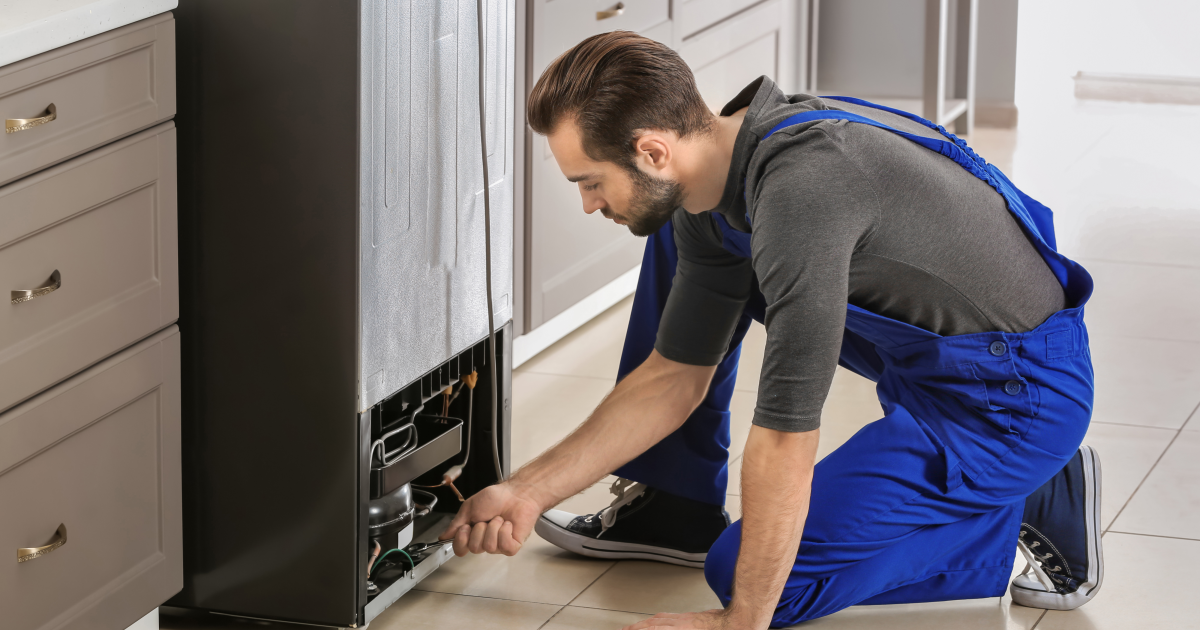
Check the water line carefully for visible cracks or holes. Look behind or under the fridge where the line runs. Use a flashlight to see clearly in tight spots. Small cracks can leak water slowly but cause big problems over time. Press gently on the line to find soft or weak spots that may break soon.
Repairing Or Replacing Lines
Minor cracks can be fixed with waterproof tape or sealant made for plumbing. Clean the area before applying to ensure a strong hold. If damage is severe, replace the water line with a new one. Use the correct size and type for your refrigerator model. Disconnect the water supply before starting any repair or replacement. Tighten all connections to stop leaks and test by running water through the line.
Credit: dengarden.com
Preventive Maintenance Tips
Preventing your refrigerator from leaking water starts with simple maintenance habits you can do yourself. Paying attention to small details can save you from costly repairs and keep your fridge running smoothly. Let’s look at practical steps you can take to avoid leaks before they happen.
Regular Cleaning Schedule
Water leaks often begin with clogged drains or dirty components. Clean the drip pan and the drain hole at least once a month to prevent blockages. I once ignored this, and a small clog caused water to pool inside, ruining some groceries.
Use warm water and mild soap to wipe down these areas. Avoid harsh chemicals that might damage the plastic parts. A clean fridge drains better, reducing the chance of leaks.
Proper Temperature Settings
Setting your fridge and freezer at the right temperatures helps control condensation. Keep the fridge between 37°F and 40°F (3°C and 4°C), and the freezer at 0°F (-18°C). If it’s too cold, excess frost can build up and melt into water.
Have you ever noticed water pooling after adjusting the thermostat? That’s your fridge’s way of reacting to an imbalance. Check the settings regularly and adjust if you see frost or water buildup.
Checking Seals Periodically
Door seals keep cold air in and moisture out. Over time, seals can crack or become loose, letting warm air inside and causing condensation. Test the seal by closing the door on a piece of paper; if it slips out easily, the seal needs attention.
Clean seals with a damp cloth to remove dirt that can prevent a tight closure. If you spot damage, replace the seal promptly to avoid leaks. Your fridge’s efficiency and leak prevention depend heavily on these simple checks.

Credit: leaders.jo
Frequently Asked Questions
Why Is My Refrigerator Leaking Water Inside?
Water leaks inside usually stem from a clogged or frozen defrost drain. This stops water flow, causing pooling. Regularly clearing the drain and thawing ice buildup prevents leaks and maintains fridge efficiency.
How Does A Blocked Defrost Drain Cause Leaks?
A blocked defrost drain traps melting water inside the fridge. This water then pools under shelves or drawers. Cleaning the drain tube regularly ensures smooth water flow, preventing leaks and potential fridge damage.
Can A Faulty Door Seal Cause Fridge Water Leaks?
Yes, a damaged or loose door seal lets warm air in. This causes condensation inside the fridge, leading to water buildup and leaks. Inspect and replace seals to keep your refrigerator airtight and leak-free.
Is Water Leaking From The Fridge Compressor Normal?
No, water leaking near the compressor usually signals a clogged or frozen drain or a damaged drip pan. Check these components regularly to avoid leaks and maintain proper fridge operation.
Conclusion
A leaking refrigerator can cause many problems at home. Common causes include clogged drains, broken door seals, or a frozen defrost drain. Regular cleaning helps prevent water buildup. Check the drain hole often to keep it clear. Fixing small issues quickly saves money and time.
A well-maintained fridge stays dry and works better. Stay aware of these signs to avoid bigger damage later. Simple care keeps your fridge running smoothly and your kitchen dry.