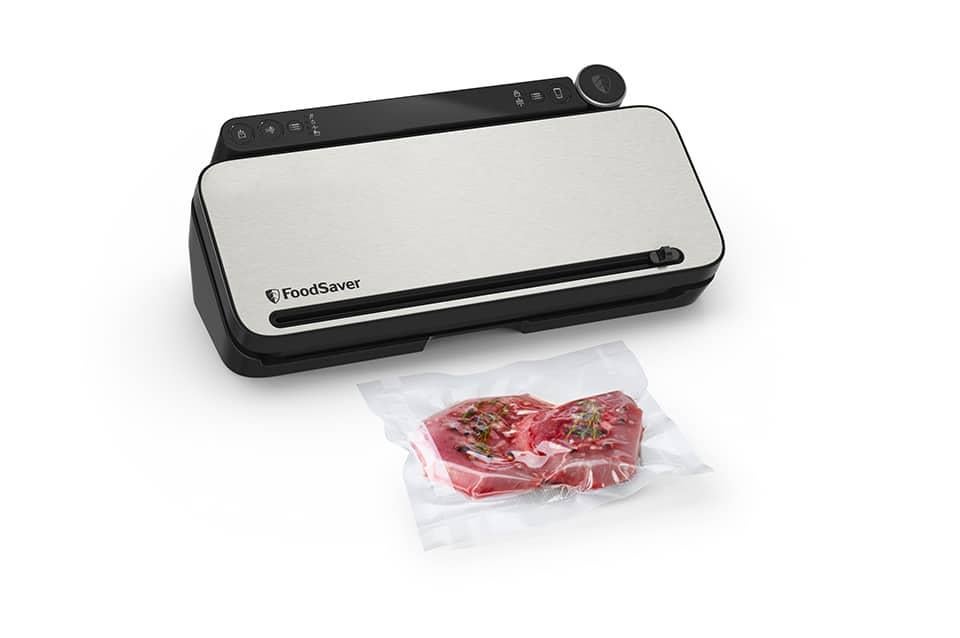
Imagine opening your pantry and finding all your rice perfectly fresh and ready to cook. Sounds ideal, right?
If you’ve ever wondered, “Can you vacuum seal rice? ” You’re not alone. This simple yet effective method could be the solution to preserving your rice longer, saving you time and money. We’ll explore how vacuum sealing could be a game-changer for your kitchen storage.
Get ready to discover the secrets behind this clever technique and how it can transform your cooking routine. Curious about how you can keep your rice fresher for longer and possibly improve your meals? Keep reading to find out!
Benefits Of Vacuum Sealing Rice
Vacuum sealing rice offers many benefits for storage and freshness. It keeps rice safe from factors that cause spoilage. This method helps maintain the quality of rice for longer periods. Understanding these benefits can help you store rice smartly and save money.
Extending Shelf Life
Vacuum sealing removes air from the packaging. Without air, rice stays fresh much longer. It slows down oxidation and staling processes. This means rice keeps its taste and texture better. You can store rice for months without worry.
Preventing Moisture Damage
Rice absorbs moisture easily, which causes clumping and spoilage. Vacuum sealing creates a tight seal that blocks moisture. It keeps rice dry and free from mold. This is especially useful in humid places. Dry rice stays safe and ready to cook.
Protecting Against Pests
Insects and rodents are common threats to stored rice. Vacuum sealing acts as a strong barrier. It stops pests from entering and damaging the rice. This reduces waste and keeps rice clean. A sealed package means no bugs, no contamination.
Types Of Rice Suitable For Vacuum Sealing
Rice lasts longer when vacuum sealed properly. Not all rice types behave the same under vacuum sealing. Some rice varieties keep their flavor and texture better. Others may lose quality or spoil faster. Understanding which rice types suit vacuum sealing helps preserve your food well.
White Rice Varieties
White rice is the most common type for vacuum sealing. It has low oil content, which means less chance of going rancid. Popular white rice types include:
- Long-grain white rice
- Medium-grain white rice
- Short-grain white rice
- Basmati rice
- Jasmine rice
These varieties stay fresh longer and keep their texture after sealing.
Brown Rice Varieties
Brown rice contains more oils because of the bran layer. This layer can cause faster spoilage. Vacuum sealing helps but use it quickly for best results. Common brown rice types are:
- Long-grain brown rice
- Short-grain brown rice
- Red rice
- Black rice
Store brown rice in a cool, dark place after sealing to extend shelf life.
Specialty Rice Options
Specialty rice types also work with vacuum sealing. These include aromatic and sticky rice varieties. Examples are:
- Arborio rice (used in risotto)
- Sticky rice (used in Asian dishes)
- Wild rice (technically a grass, but often grouped)
These types may have unique textures or moisture levels. Seal carefully to keep their quality intact.
Preparing Rice For Vacuum Sealing
Preparing rice for vacuum sealing requires careful attention to detail to keep it fresh and prevent spoilage. You want to make sure the rice is clean, dry, and properly portioned before sealing it. The right packaging also plays a crucial role in maintaining quality over time.
Cleaning And Drying
Start by inspecting the rice for any debris, small stones, or damaged grains. Rinse the rice thoroughly under cold water to remove dust and impurities. After washing, spread the rice out on a clean towel or tray and let it air dry completely; moisture can cause mold during storage.
Have you ever sealed rice only to find it clumpy or damp later? That usually happens when it’s not dried well. Patience in this step pays off big time.
Portioning For Storage
Think about how much rice you typically use for cooking. Dividing rice into meal-sized portions makes it easier to vacuum seal and thaw later. Use measuring cups to get consistent amounts, which helps reduce waste and saves time.
Portioning also prevents you from opening the entire batch repeatedly, which can expose the rest to air and moisture. Do you prefer sealing small or large amounts? Your cooking habits should guide your portion sizes.
Choosing The Right Packaging
Not all bags work well with vacuum sealers. Choose vacuum-seal bags or rolls designed for food storage; they are thicker and prevent air from leaking in. Look for BPA-free, food-safe materials to keep your rice safe.
If you want extra protection, consider double-bagging or using mylar bags with oxygen absorbers. These options can extend shelf life even further. Have you tried different packaging types? Finding what works best for you can make a big difference in rice preservation.

Credit: www.reddit.com
Step-by-step Vacuum Sealing Process
Vacuum sealing rice is a smart way to keep it fresh and free from pests or moisture. However, the process requires careful attention to detail to ensure the seal is airtight and the rice stays protected. Let’s walk through the step-by-step vacuum sealing process that will help you get the best results every time.
Setting Up Your Vacuum Sealer
Start by placing your vacuum sealer on a clean, flat surface near an electrical outlet. Make sure the machine is plugged in and turned on. Check that you have the right vacuum bags or rolls designed for food storage—these are thicker and more durable than regular plastic bags.
Before sealing, measure the amount of rice you want to store and fill the bag, leaving enough space at the top (usually 3-4 inches) for sealing. This space prevents the rice from getting sucked into the machine during vacuuming, which can cause jams.
Sealing Techniques For Best Results
Position the open end of the bag inside the vacuum sealer’s sealing channel. Make sure the edge is straight and free of wrinkles or grains, as any debris can weaken the seal.
- Close the lid firmly until it locks in place.
- Press the vacuum and seal button according to your model’s instructions.
- Wait for the machine to remove the air and seal the bag.
After sealing, inspect the seal line for consistency. A strong, even seal looks smooth without gaps or bubbles. If the seal appears weak, re-cut the bag above the faulty seal and try again.
Common Mistakes To Avoid
A frequent error is overfilling the bag. Too much rice restricts the sealing area and can cause air pockets. Are you leaving enough space at the top? This small detail makes a big difference.
Another mistake is sealing bags with moisture inside. Even damp rice can cause the vacuum sealer to malfunction or lead to mold growth later. Always ensure your rice is completely dry before sealing.
Lastly, don’t rush the process. Let the vacuum sealer complete its cycle fully before opening the lid. Interrupting mid-cycle might result in a weak seal and reduce the shelf life of your rice.
Storage Tips For Vacuum Sealed Rice
Vacuum sealing rice extends its shelf life and keeps it fresh. Proper storage ensures rice stays dry and free from pests. Follow these tips to store vacuum sealed rice safely and effectively.
Ideal Temperature And Environment
Store vacuum sealed rice in a cool, dry place. Avoid areas with high humidity or direct sunlight. A temperature between 50°F and 70°F works best. Keep rice away from heat sources like ovens and heaters. This prevents moisture and spoilage.
Labeling And Dating Packages
Label each vacuum sealed bag with the date of sealing. Use clear, easy-to-read labels. Write the type of rice on the package. This helps track freshness and organize your pantry. Rotate older packages to the front for use first.
Long-term Vs Short-term Storage
For short-term storage, keep rice in a pantry or cupboard. Use within 6 to 12 months for best flavor. For long-term storage, freeze vacuum sealed rice. Freezing can extend shelf life up to 2 years. Always thaw rice at room temperature before use.
How To Reuse And Cook Vacuum Sealed Rice
Reusing and cooking vacuum sealed rice can save you time and reduce food waste. However, to maintain its quality and safety, you need to handle the rice properly after thawing. Knowing how to thaw, cook, and store vacuum sealed rice will help keep it fresh and tasty for your meals.
Safe Thawing Methods
Thaw vacuum sealed rice by placing the sealed bag in the refrigerator overnight. This slow thaw keeps the rice at a safe temperature and prevents bacteria growth.
If you’re in a hurry, submerge the sealed bag in cold water for about 30 minutes. Avoid using hot water as it can cause uneven thawing and affect the rice texture.
Never thaw rice at room temperature; it can lead to contamination and spoilage. Keeping it sealed until fully thawed helps maintain hygiene and freshness.
Cooking Tips For Freshness
Once thawed, cook the rice directly in the bag or transfer it to a pot with a little water. Adding a pinch of salt or a few drops of oil can enhance the flavor and texture.
If you prefer microwaving, poke a few holes in the bag to allow steam to escape. Heat in short intervals and stir in between to ensure even cooking.
To keep your rice fluffy, avoid overcooking. Cooking just until the rice is tender but firm will make your leftovers taste freshly made.
Avoiding Contamination
Always use clean utensils when handling thawed rice. Cross-contamination can occur if you touch the rice with unwashed hands or use dirty tools.
If you don’t finish the rice in one sitting, refrigerate leftovers promptly in a clean container. Vacuum sealing again after cooling can extend its shelf life.
Ask yourself: Is the rice still fresh to eat? If it smells off or looks slimy, it’s safer to discard it than risk food poisoning.
Comparing Vacuum Sealing With Other Storage Methods
Choosing the right storage method for rice can make a big difference in its freshness and shelf life. Vacuum sealing is popular, but how does it stack up against other common options? Let’s compare vacuum sealing with plastic bags and containers, airtight jars, and freezing rice to help you decide what works best for your kitchen.
Plastic Bags And Containers
Plastic bags and containers are the go-to for many because they’re convenient and affordable. However, these options often allow air and moisture to seep in, which can cause rice to spoil faster or attract pests.
Vacuum sealing removes air completely, so you avoid these issues. Have you noticed how rice in regular bags sometimes smells stale or clumps together? That’s a sign of moisture exposure, something vacuum sealing can prevent.
Airtight Jars
Airtight jars offer a better seal than plastic bags and can keep rice fresh longer by blocking air and humidity. Still, they can’t match the airtight environment created by vacuum sealing.
Vacuum sealing compresses the rice and extends freshness beyond what jars can do. Plus, jars can be bulky and take up more space, while vacuum-sealed packs are slim and stackable. How important is saving space in your pantry?
Freezing Rice
Freezing rice is another preservation method, especially useful for cooked rice. It slows down bacterial growth and keeps rice safe for weeks.
But freezing isn’t always practical for raw rice and can cause freezer burn if not sealed properly. Vacuum sealing before freezing is a smart combo—it protects the rice from moisture and freezer damage.
Do you have enough freezer space to store large quantities, or would vacuum-sealed dry rice fit your needs better?
Credit: www.walmart.com
Troubleshooting Common Issues
Vacuum sealing rice can extend its shelf life and keep it fresh, but sometimes things don’t go as planned. You might notice issues that seem tricky at first but are often easy to fix. Understanding these common problems helps you get the best results every time.
Seal Failures
Seal failures happen when the vacuum bag doesn’t close properly, letting air back in. This can be caused by crumbs or dust on the sealing strip, which blocks the seal. Always check and clean the sealing area before you start; even tiny grains of rice can cause trouble.
Another reason for seal failure is overfilling the bag. Leave some space at the top so the machine can seal without interference. If your vacuum sealer has adjustable settings, try lowering the sealing time to prevent melting the bag or causing weak seals.
Rice Clumping
Rice clumps together when vacuum sealed, especially if it’s slightly moist or warm. This makes it hard to separate later and can affect cooking. To prevent this, spread the rice out on a baking sheet and let it air dry completely before sealing.
If you notice clumping even after drying, add a small packet of food-safe desiccant or a clean paper towel inside the bag. This absorbs leftover moisture and keeps the rice grains separate. Have you ever opened a bag and found a solid rice block? This simple trick can save you from that.
Moisture Problems
Moisture is the enemy when vacuum sealing rice because it can cause mold and spoilage. If you’re sealing rice straight from cooking or a humid environment, it’s crucial to dry it thoroughly. Use a fan or spread it thinly to speed up drying.
Another tip is to seal the rice in smaller batches. This reduces the chance of trapping moisture and makes it easier to manage. Do you store your rice in a cool, dry place after sealing? This helps keep moisture at bay and maintains freshness longer.

Credit: www.youtube.com
Frequently Asked Questions
Can You Vacuum Seal Dry Rice Safely?
Yes, vacuum sealing dry rice is safe and effective. It keeps rice fresh by removing air and preventing moisture and pests.
How Long Does Vacuum-sealed Rice Last?
Vacuum-sealed rice can last 1-2 years or more. Removing air slows oxidation and preserves quality longer than regular storage.
Does Vacuum Sealing Affect Rice Taste Or Texture?
Vacuum sealing does not change rice taste or texture. It only preserves freshness and prevents spoilage during storage.
Can You Vacuum Seal Cooked Rice?
Vacuum sealing cooked rice is possible but requires cooling first. It helps extend refrigerator life but use within a few days.
Conclusion
Vacuum sealing rice keeps it fresh for a longer time. It stops air and moisture from spoiling the grains. This method also saves space in your pantry. You can store both cooked and uncooked rice safely. Just make sure the rice is dry before sealing.
This simple step helps maintain quality and taste. Vacuum sealing rice is practical and easy to do. Give it a try to reduce waste and save money. Your rice will stay fresh and ready to use anytime.