Have you ever wondered what keeps your food fresh and your drinks perfectly chilled? The answer lies within the heart of your refrigerator: the compressor.
This crucial component is what makes your entire refrigeration system tick. But what exactly does it do, and why is it so important for your fridge’s performance? Understanding the role of the compressor can help you make better choices about maintaining your appliance and even save you money on repairs.
You’ll discover how the compressor functions, its impact on energy efficiency, and why a well-maintained compressor is essential for the longevity of your refrigerator. Keep reading to unlock the secrets of your fridge’s most vital part and ensure it keeps serving you efficiently for years to come.
Role Of The Compressor
The role of the compressor in a refrigeration system is fundamental and cannot be overlooked. It acts as the heart of the system, driving the entire cooling process. Understanding what the compressor does helps you appreciate how your fridge or air conditioner keeps things cool and fresh.
Central Function In Refrigeration
The compressor’s main job is to increase the pressure of the refrigerant gas. It takes in low-pressure gas from the evaporator and compresses it to a high-pressure, high-temperature state. This change allows the refrigerant to release heat when it reaches the condenser.
Think of the compressor as a pump that moves refrigerant through the system. Without this pressure boost, the refrigerant wouldn’t flow properly, and cooling wouldn’t happen. This process is continuous, making sure your system maintains the desired temperature efficiently.
Connection With Other Components
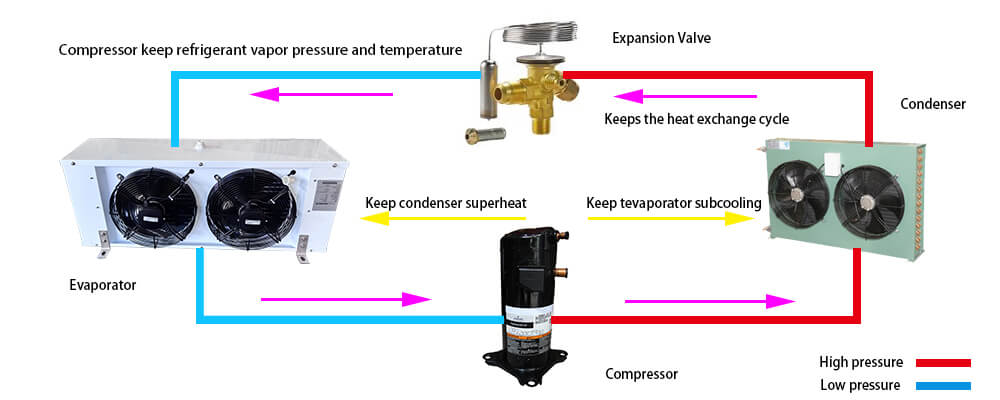
The compressor works closely with other parts of the refrigeration system to complete the cooling cycle. It pulls refrigerant from the evaporator and pushes it to the condenser, creating a constant flow.
Its interaction with components like the condenser, expansion valve, and evaporator keeps the system balanced. If the compressor fails or slows down, the whole system struggles to cool effectively, which you might notice as warmer air or less ice formation.
- The evaporator absorbs heat from inside the fridge or room.
- The compressor increases refrigerant pressure and temperature.
- The condenser releases heat outside.
- The expansion valve lowers the refrigerant pressure, cooling it down again.
Have you ever wondered why your air conditioner stops cooling well over time? Many times, the issue lies with the compressor losing its ability to maintain pressure and flow. Keeping an eye on your compressor’s health can save you from costly repairs and discomfort.
How The Compressor Works
The compressor is the heart of a refrigeration system. It moves the refrigerant through the system by changing its pressure and temperature. This process allows the refrigerant to absorb heat inside and release it outside. Understanding how the compressor works helps to see how cooling happens.
Compression Of Refrigerant
The compressor takes in refrigerant gas at low pressure. It squeezes the gas into a smaller space. This squeezing is called compression. The compressor uses mechanical power to do this. Compression increases the refrigerant’s pressure and temperature. This step is crucial for moving the refrigerant through the system.
Pressure And Temperature Changes
After compression, the refrigerant becomes a hot, high-pressure gas. The high pressure helps the refrigerant flow to the condenser coil. In the condenser, the refrigerant cools down and turns into a liquid. The change in pressure and temperature inside the compressor controls the whole refrigeration cycle. Without this, the system cannot remove heat effectively.
Types Of Compressors
The compressor is the heart of any refrigeration system, and understanding the types of compressors can help you choose the right one for your needs. Each type works differently and suits specific applications, affecting efficiency, noise, and maintenance. Let’s break down the most common types to see how they operate and where they fit best.
Reciprocating Compressors
Reciprocating compressors use pistons moving back and forth inside cylinders to compress the refrigerant. They are powerful and can handle high pressures, making them ideal for larger refrigeration units or industrial use.
However, these compressors can be noisy and require regular maintenance due to many moving parts. If you want reliability and can handle occasional upkeep, this type might work well for your system.
Rotary Compressors
Rotary compressors compress refrigerant by using a rotating mechanism, often a roller or vane, inside a cylinder. They are compact and run smoothly, which means less noise and vibration compared to reciprocating types.
These compressors work best in small to medium refrigeration systems, like household refrigerators or small air conditioners. If you value quiet operation and space-saving design, a rotary compressor could be your best bet.
Scroll Compressors
Scroll compressors use two spiral-shaped scrolls—one fixed and one orbiting—to compress the refrigerant. They are known for high efficiency and low noise, often found in modern HVAC and refrigeration units.
Because they have fewer moving parts, scroll compressors usually last longer and require less maintenance. Are you looking for a balance between quiet operation and energy savings? Scroll compressors might be the perfect fit for your system.

Credit: okmarts.com
Impact On System Efficiency
The compressor plays a key role in the refrigeration system’s efficiency. It controls the flow of refrigerant and maintains pressure levels. This process affects how much energy the system uses and how well it cools.
Understanding the compressor’s impact helps in choosing and maintaining efficient refrigeration systems. It also guides efforts to reduce energy costs and improve cooling results.
Energy Consumption
The compressor uses the most electricity in a refrigeration system. Its work of compressing refrigerant requires power. If the compressor runs inefficiently, energy use rises sharply.
Factors affecting energy consumption include:
- Compressor type and design
- Operating pressure and temperature
- System maintenance and refrigerant levels
Efficient compressors lower energy bills and reduce environmental impact. Proper selection and upkeep keep energy use in check.
Effect On Cooling Performance
The compressor controls the refrigerant flow and pressure. This action directly impacts how well the system cools. A strong, steady compression cycle ensures stable cooling.
Poor compressor performance causes:
- Uneven temperature distribution
- Longer cooling cycles
- Increased wear on system parts
Maintaining compressor health keeps the cooling process effective. It helps the system meet cooling demands quickly and reliably.
Common Issues And Maintenance
The compressor is the heart of any refrigeration system, but like any critical component, it can face issues that disrupt its performance. Understanding common problems and how to maintain your compressor can save you from costly repairs and downtime. Taking timely action based on clear signs can keep your system running smoothly and efficiently.
Signs Of Compressor Failure
Noticing unusual noises like knocking or humming from your compressor could indicate internal damage. If your refrigeration system struggles to cool properly or cycles on and off frequently, the compressor might be struggling to maintain pressure.
Another red flag is excessive heat around the compressor area, which often means it’s working harder than it should. You might also find leaks or oil stains near the compressor, signaling a seal or gasket failure. Have you checked if your energy bills have suddenly spiked? A failing compressor consumes more power, impacting your costs.
Routine Care Tips
Regularly clean the condenser coils to prevent dirt buildup, which forces the compressor to work harder. Ensure the refrigerant levels are correct—too low or too high can strain the compressor.
Keep an eye on the electrical connections to avoid shorts or loose wiring that can cause intermittent compressor operation. Scheduling professional inspections annually can catch issues early before they escalate.
Simple actions like keeping the area around the compressor free from dust and debris can extend its life. What small maintenance step could you add today to protect your refrigeration system?
Credit: medium.com

Credit: www.miracleref.com
Frequently Asked Questions
What Role Does The Compressor Play In Refrigeration?
The compressor pumps refrigerant through the system, increasing its pressure. It converts low-pressure gas into high-pressure gas, enabling heat transfer and cooling.
How Does The Compressor Affect Refrigeration Efficiency?
A well-functioning compressor maintains optimal pressure and flow. This ensures the refrigeration system runs efficiently, saving energy and improving cooling performance.
Why Is Compressor Maintenance Important In Refrigeration?
Regular maintenance prevents breakdowns and extends compressor life. It ensures consistent cooling and reduces energy consumption by keeping the system in good condition.
Can A Faulty Compressor Stop Refrigeration Completely?
Yes, a faulty compressor can halt refrigerant flow. This stops the cooling process and causes the refrigeration system to fail.
Conclusion
The compressor plays a key role in any refrigeration system. It moves the refrigerant and keeps the cooling cycle going. Without it, the system cannot remove heat efficiently. It also helps maintain the right pressure for cooling. Understanding the compressor helps you see how refrigerators and air conditioners work.
This knowledge can help with maintenance and troubleshooting. Always keep the compressor in good condition for better performance. It is the heart of the refrigeration process. Simple but powerful.