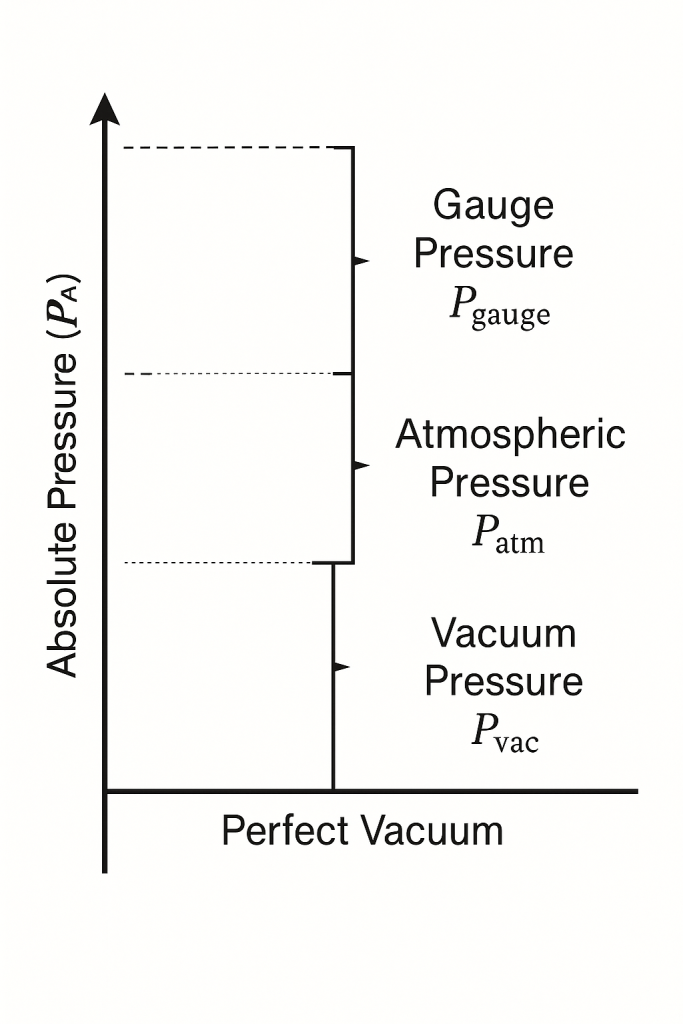
Are you curious about how vacuum pressure is measured and what role “Kpa” plays in it? Understanding Kpa vacuum can open up a world of insights, especially if you’re keen on gadgets, engineering, or even if you’re just a curious mind.
Imagine having the power to grasp how different pressures affect everything from industrial processes to your everyday household appliances. You’re about to discover the simple yet fascinating concept of Kpa vacuum and how it weaves into the fabric of technology and science.
Ready to unlock the secrets behind this little-known but powerful measurement? Keep reading, and you’ll soon be a step ahead in understanding this intriguing topic.
Kpa Vacuum Basics
Understanding Kpa vacuum basics helps you grasp how pressure and vacuum interact. This knowledge is key in many fields like science, engineering, and manufacturing. Kpa vacuum measures how much pressure is below normal atmospheric pressure. It is crucial for controlling processes that need specific pressure levels.
Defining Kpa And Vacuum
Kpa stands for kilopascal, a unit of pressure. It measures force over an area, showing how hard air or liquid pushes. Vacuum means pressure lower than the normal air pressure around us. A kpa vacuum means the pressure is below the normal atmospheric pressure, measured in kilopascals.
Units Of Measurement
Pressure and vacuum use several units, but kpa is common and easy to use. Some other units include:
- Pascal (Pa)
- Millibar (mbar)
- Inches of mercury (inHg)
- Pounds per square inch (psi)
Kpa is simple because 1 kpa equals 1000 pascals. It fits well for measuring small and large pressures clearly.
How Kpa Vacuum Works
Kpa vacuum works by showing how much pressure is less than the air pressure outside. It uses sensors to detect pressure in a space. When air is removed, the pressure drops below the normal level. The kpa vacuum value tells how strong this lower pressure is. This helps control machines and processes that need precise pressure settings.
Applications Of Kpa Vacuum
Kpa vacuum plays a crucial role in many fields. It helps create controlled low-pressure environments. These environments are necessary for various processes and devices. Understanding the applications of kpa vacuum shows its importance across industries.
Industrial Uses
Industries use kpa vacuum for many tasks. It assists in removing air and gases from containers. This process improves packaging by extending product shelf life. Kpa vacuum also helps in molding plastics and metals. It ensures better product quality and consistency. Manufacturing electronics needs vacuum to avoid dust and moisture. Many factories rely on kpa vacuum for drying and coating processes.
Medical Equipment
Medical devices often require kpa vacuum to work properly. It powers suction machines used during surgeries. Vacuum pumps help in sterilizing instruments by removing air. Kpa vacuum is essential in diagnostic tools like MRI and CT scanners. It also supports respiratory devices by controlling airflow. Hospitals depend on vacuum systems for safe and effective patient care.
Scientific Research
Scientists use kpa vacuum to create precise experimental conditions. It helps study materials in a clean, air-free space. Vacuum chambers allow observation of chemical reactions without contamination. Researchers use kpa vacuum for electron microscopy to see tiny structures. Space simulations often require vacuum to mimic outer space pressure. Laboratories rely on vacuum to advance knowledge in physics and chemistry.
Power Behind Kpa Vacuum
The power behind Kpa vacuum lies in its ability to create strong suction through precise pressure control. This power determines how well the vacuum performs in cleaning and other applications. Understanding the factors that influence this power helps explain why Kpa vacuum systems are effective and reliable.
Pressure Levels And Effects
Kpa vacuum measures the pressure difference below atmospheric pressure. Higher Kpa values mean stronger suction force. This suction lifts dust, dirt, and debris from surfaces quickly. Lower pressure levels may lead to weak cleaning performance. The right pressure level depends on the task and surface type.
Energy Efficiency
Kpa vacuum systems balance power and energy use efficiently. They consume less electricity while maintaining strong suction. Efficient motors and smart design reduce energy waste. This efficiency lowers running costs and makes the vacuum eco-friendly. Saving energy also helps extend the vacuum’s lifespan.
Performance Factors
- Motor strength: Strong motors generate higher Kpa vacuum power.
- Sealing quality: Good seals prevent air leaks and maintain suction.
- Filter type: Effective filters keep airflow steady and protect the motor.
- Design: Streamlined airflow paths improve suction efficiency.
- Maintenance: Regular cleaning ensures consistent vacuum power.
These factors work together to produce reliable vacuum power. Good design and upkeep keep Kpa vacuum systems running at their best.

Credit: m-grill.com
Precision In Kpa Vacuum
Precision in Kpa vacuum is crucial for achieving reliable and consistent results in various applications. Whether you’re working in scientific research or industrial processes, even a slight deviation in vacuum measurement can lead to significant issues. Understanding how precision impacts your work helps you maintain quality and efficiency.
Measurement Accuracy
Accurate measurement of Kpa vacuum ensures you know the exact pressure level inside a system. Modern sensors provide readings with minimal error, often within a fraction of a kilopascal. Imagine calibrating your equipment only to find out the vacuum was off by 5 Kpa — that small difference can affect product quality or experimental outcomes.
To improve accuracy, regular calibration against standards is essential. You can also use digital gauges that compensate for temperature changes, reducing measurement drift. Have you checked your vacuum readings lately to ensure they reflect true conditions?
Control Mechanisms
Maintaining precise Kpa vacuum requires effective control mechanisms. Automated systems adjust valves and pumps in real time to keep the vacuum within set limits. This prevents fluctuations that could disrupt delicate processes.
- Feedback loops use sensor data to regulate vacuum pressure.
- Manual controls allow fine-tuning when automation isn’t feasible.
- Software algorithms predict and correct deviations before they impact operations.
Do you rely on manual adjustments or automated controls to maintain your vacuum environment? The choice can make a big difference in precision and ease of operation.
Impact On Processes
Precision in Kpa vacuum directly affects the quality and consistency of many processes. In manufacturing, a stable vacuum ensures materials are handled correctly without contamination or defects. In laboratories, precise vacuum levels allow accurate experimental conditions and reproducible results.
Even small variations can cause delays, waste, or compromised safety. For example, in semiconductor fabrication, a 1 Kpa difference might lead to faulty chips. How critical is vacuum precision in your workflow, and what steps do you take to control it?
Choosing The Right Kpa Vacuum
Choosing the right kPa vacuum is essential for efficient and safe operation. Different tasks need different vacuum strengths. Understanding your needs helps pick the best model. Consider where and how you will use the vacuum. This ensures you get the right power without wasting energy or money.
Assessing Needs
Start by identifying the purpose of the vacuum. Will you use it for industrial, medical, or laboratory work? Each area requires specific vacuum pressure levels. Think about the size of the space or container to be vacuumed. Check how long the vacuum needs to run without stopping. These details guide you to the right kPa rating and capacity.
Comparing Models
Look at different models and their features. Compare the maximum vacuum pressure, energy use, and size. Check if the model is easy to operate and move around. Noise level might be important for some settings. Also, consider the brand’s reputation and customer reviews. A detailed comparison helps find the model that fits your budget and needs.
Maintenance Tips
Regular maintenance keeps the vacuum working well. Clean filters and replace them as needed. Check hoses and seals for any leaks or damage. Follow the manufacturer’s instructions for oil changes or part replacements. Proper care extends the vacuum’s life and saves repair costs. A well-maintained vacuum performs better and lasts longer.

Credit: www.amazon.ca
Credit: bodenpump.com
Frequently Asked Questions
What Does Kpa Vacuum Measure Exactly?
Kpa vacuum measures pressure below atmospheric level in kilopascals. It indicates how much air is removed. It’s used in various industries to ensure proper vacuum strength and efficiency.
How Is Kpa Vacuum Used In Industrial Applications?
Kpa vacuum helps control pressure in manufacturing, packaging, and HVAC systems. It ensures product quality, safety, and energy efficiency. Accurate vacuum measurement is vital for consistent industrial processes.
What Is A Normal Kpa Vacuum Range?
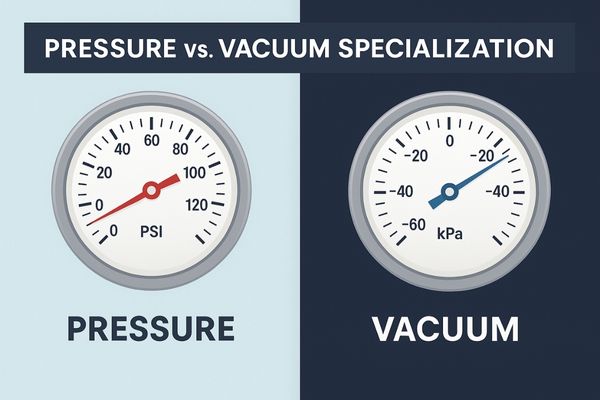
Normal Kpa vacuum ranges depend on the application but typically fall between -10 to -100 kPa. This range indicates sufficient vacuum strength for most industrial and scientific purposes.
Why Is Kpa Preferred Over Other Vacuum Units?
Kpa is preferred due to its metric standard, ease of conversion, and wide use in scientific and industrial fields. It provides precise, understandable vacuum measurements for global applications.
Conclusion
Kpa vacuum measures how much air pressure is below normal. It helps in many machines and tools to work well. Knowing kpa vacuum values keeps systems safe and efficient. It also helps find leaks and fix problems fast. Understanding this simple concept can save time and money.
Keep these points in mind for better use and care of vacuum devices. Now you have a clear idea of what kpa vacuum means.