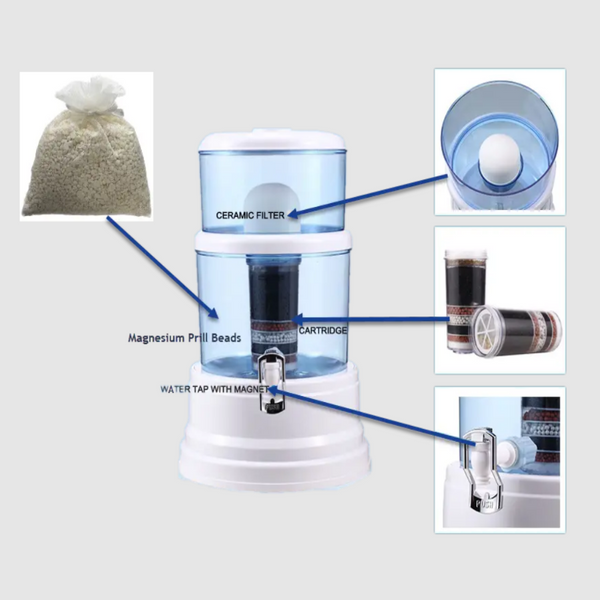
Are you concerned about the quality of your drinking water? You’re not alone.
Many people are becoming more aware of what’s in their tap water, and fluoride is often a hot topic. While fluoride has its benefits, like preventing tooth decay, too much of it can be a worry for some. So, you might be wondering, does your refrigerator’s water filter actually remove fluoride?
This question is more important than you might think because it directly impacts your health and your family’s well-being. Before you fill up your next glass of water, let’s uncover the truth about what’s really being filtered out and what isn’t. Stay with us as we dive into the details and help you make an informed decision about the water you and your loved ones consume every day.
Credit: www.lg.com
How Refrigerator Water Filters Work
Refrigerator water filters clean water by removing impurities and contaminants. They use different processes to trap particles and improve taste and odor. The water passes through layers that block unwanted substances. This process helps provide safer and fresher water for drinking and cooking.
Common Filtration Technologies
- Activated Carbon: Absorbs chlorine, bad taste, and odors.
- Mechanical Filtration: Traps dirt, rust, and sediment.
- Ion Exchange: Softens water by replacing minerals like calcium.
- Reverse Osmosis: Pushes water through a membrane to remove many contaminants.
Materials Used In Filters
- Carbon Granules or Blocks: Most common for capturing chemicals.
- Polypropylene: Used in mechanical layers to catch particles.
- Resin Beads: Used in ion exchange to soften water.
- Membranes: Thin layers for fine filtration, found in advanced filters.
Fluoride In Drinking Water
Fluoride is a common element found in many water supplies. It is added to drinking water to help reduce tooth decay. Understanding fluoride’s presence in water helps to know what a refrigerator water filter can do. Many people want to know if these filters remove fluoride effectively.
Sources Of Fluoride
Fluoride comes from natural and artificial sources. It is found naturally in soil, rocks, and water. Some areas have higher natural fluoride levels than others. Water treatment plants often add fluoride to public water supplies. This process is called water fluoridation. Fluoride is also present in some dental products like toothpaste and mouthwash.
Health Impacts Of Fluoride
Fluoride helps prevent tooth decay by strengthening tooth enamel. It is most effective in small amounts. Too much fluoride can cause dental fluorosis, which changes the appearance of teeth. High fluoride levels may lead to other health concerns, but these are rare. Scientists continue to study the long-term effects of fluoride exposure. Drinking water with controlled fluoride levels is generally safe for most people.
Effectiveness Of Refrigerator Filters On Fluoride
Refrigerator water filters are common in many households to improve water taste and quality. People often wonder if these filters can remove fluoride. Fluoride is added to water to help dental health, but some prefer to reduce its level for personal reasons. Understanding how well refrigerator filters work against fluoride helps make better choices for water filtration.
Filter Certifications And Fluoride Removal
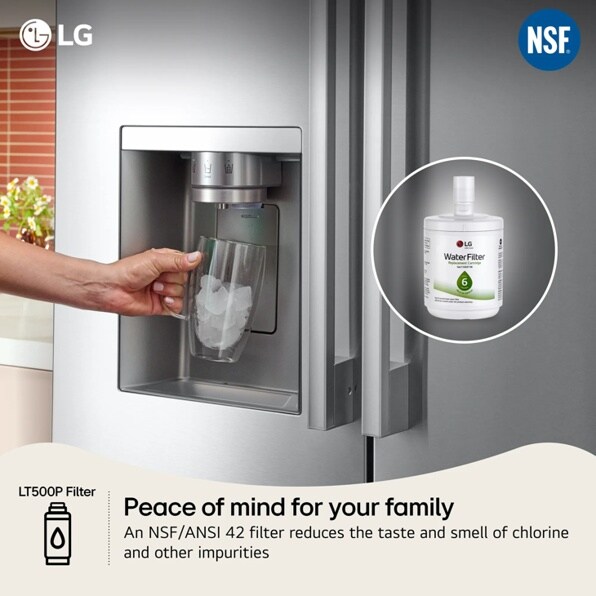
Not all refrigerator filters remove fluoride. Certified filters have passed tests to prove their effectiveness. Look for certifications from organizations like NSF International. Specifically, NSF Standard 53 or 58 often test for fluoride reduction. Filters with these certifications can lower fluoride levels, but many standard filters lack this feature.
- Certified filters use activated alumina or similar materials.
- These materials attract and trap fluoride ions from water.
- Non-certified filters mainly reduce chlorine and sediment, not fluoride.
Checking filter packaging and certification details ensures fluoride removal claims are true.
Scientific Studies On Fluoride Reduction
Studies show activated alumina filters reduce fluoride by 80% or more. Some tests report fluoride removal between 60% and 95%, depending on filter design and water conditions. Research also highlights that filter lifespan affects performance. Older filters lose fluoride reduction ability.
Other types of filters, like carbon block filters common in refrigerators, usually remove little fluoride. Reverse osmosis systems perform better but are rare in refrigerator models. Scientific evidence supports choosing specific fluoride-reducing filters for effective results.

Credit: www.frizzlife.com
Alternatives To Remove Fluoride
If you’re concerned about fluoride in your drinking water, you might wonder if your refrigerator’s water filter is enough. Many standard filters do not effectively remove fluoride, so exploring other options can be crucial for your health. Here are some practical alternatives that can help you reduce fluoride levels at home.
Reverse Osmosis Systems
Reverse osmosis (RO) systems are highly effective at removing fluoride from water. They work by pushing water through a semipermeable membrane, filtering out contaminants including fluoride ions. If you want cleaner water for cooking or drinking, installing an RO system under your sink is a smart choice.
One thing to keep in mind: RO systems can waste some water during filtration, so check your model’s efficiency. Would you prefer a system that balances water savings with fluoride removal? Many modern RO units have improved designs to minimize water waste.
Activated Alumina Filters
Activated alumina filters are another option specifically designed to target fluoride. This filter uses a porous form of aluminum oxide that attracts and holds fluoride ions. You can find them as standalone filters or combined with other filtration systems.
These filters work best when water has a neutral pH and flow rate is controlled. Have you noticed a difference in taste or clarity after using such filters? Many users report fresher tasting water, which makes daily hydration more enjoyable.
Distillation Units
Distillation units boil water and then collect the steam, leaving most contaminants, including fluoride, behind. This process ensures very pure water, free from minerals and chemicals. If you’re seeking maximum purity, a countertop distiller might be worth considering.
However, distilled water lacks minerals, which some people find less appealing. Do you think the trade-off between purity and taste matters in your daily water use? Some choose to add minerals back into distilled water for a balanced approach.
Choosing The Right Filter
Choosing the right refrigerator water filter is important to ensure clean and safe drinking water. Not all filters remove fluoride, so select one that suits your needs. Consider factors like filter type, certifications, and how often you must replace it. This helps maintain water quality and the filter’s effectiveness.
Labeling And Certifications To Look For
Check the filter label for claims about fluoride removal. Some filters use activated alumina or reverse osmosis to reduce fluoride. Look for certifications from trusted organizations. These include:
- NSF International
- Water Quality Association (WQA)
- Underwriters Laboratories (UL)
Certifications confirm the filter meets safety and performance standards. Labels should clearly state what contaminants the filter removes.
Maintenance And Replacement Tips
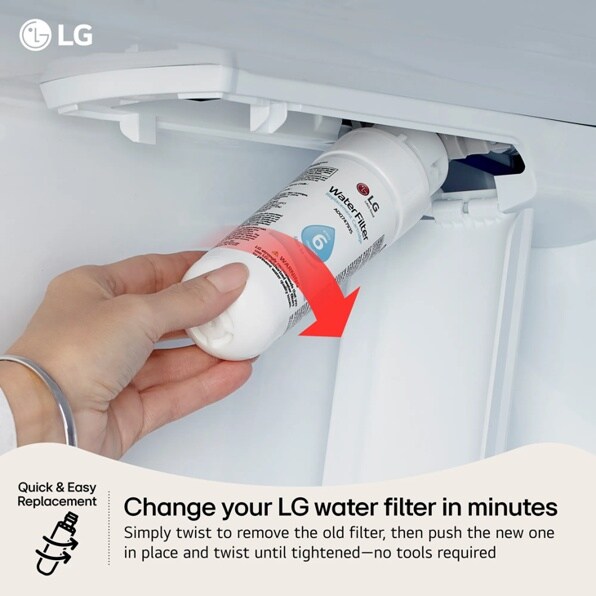
Filters lose effectiveness over time. Replace them according to the manufacturer’s instructions. This is usually every 6 months or after filtering a certain amount of water. Regular replacement prevents bacteria growth and clogging. Clean the filter housing when changing filters. Keep track of replacement dates to avoid using an old filter.
Credit: www.lg.com
Frequently Asked Questions
Does A Refrigerator Water Filter Remove Fluoride?
Most refrigerator water filters do not remove fluoride. Fluoride is a small ion that requires specialized filters like reverse osmosis or activated alumina to be effectively removed. Standard carbon filters mainly reduce chlorine, taste, and odor but not fluoride.
What Filtration Methods Remove Fluoride From Water?
Reverse osmosis, activated alumina, and distillation are effective fluoride removal methods. These filters target small fluoride ions and reduce fluoride levels significantly. Regular carbon filters found in refrigerators cannot remove fluoride efficiently.
Can I Trust Refrigerator Filters For Safe Drinking Water?
Refrigerator filters improve taste and reduce chlorine but don’t remove all contaminants like fluoride or heavy metals. For safer drinking water, consider advanced filtration systems designed to target specific contaminants.
Why Is Fluoride Removal Important In Drinking Water?
Excess fluoride in water can cause dental and skeletal fluorosis if consumed over time. Monitoring fluoride levels and using proper filtration ensures water safety and protects health, especially in areas with high natural fluoride.
Conclusion
Refrigerator water filters do not remove fluoride effectively. Most filters focus on chlorine, sediment, and bad tastes. Fluoride needs special filters like reverse osmosis or activated alumina. Knowing this helps you choose the right filter for clean water. Always check your filter’s specifications before buying.
Clean water is important for your health and safety. Choose a filter that fits your needs and budget well. Stay informed and keep your water fresh and safe every day.