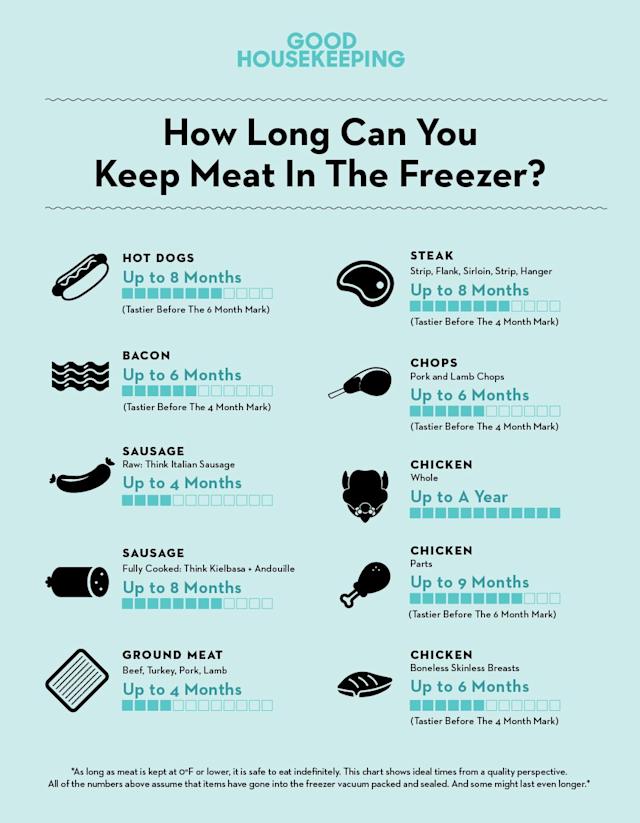
Have you ever found yourself wondering just how long that vacuum-sealed meat in your freezer will stay fresh? If you’ve been trying to cut down on food waste or save money by buying in bulk, this question has probably crossed your mind more than once.
You’re not alone in this! Many of us are looking for ways to make our groceries last longer while still tasting fresh and delicious. So, what’s the real shelf life of vacuum-sealed meat when stored in your freezer? Knowing the answer can help you plan your meals better and ensure you’re getting the most out of your purchases.
Stick around, because we’ll dive into everything you need to know to keep your meals safe and tasty for as long as possible.

Credit: www.carnivoresociety.com.au
Benefits Of Vacuum Sealing Meat
Vacuum sealing meat offers clear advantages that can transform how you store and enjoy your food. It’s not just about keeping meat longer; it’s about preserving quality and taste in ways that traditional storage methods can’t match. Let’s look at the specific benefits that make vacuum sealing a smart choice for your freezer.
Extended Shelf Life
Vacuum sealing removes air, which slows down the growth of bacteria and mold. This means your meat lasts much longer in the freezer compared to just using plastic wrap or bags. You might find that cuts of meat stay fresh for months—sometimes even up to three years—without losing their quality.
Have you ever thrown away meat because it spoiled too quickly? Vacuum sealing can save you money and reduce food waste by keeping your meat safe for much longer.
Preservation Of Flavor And Texture
When meat is vacuum sealed, it keeps its natural juices locked inside. This helps maintain the original flavor and tenderness, which often gets lost with air exposure. You’ll notice that the meat tastes fresher and cooks better, even after long storage.
Think about that last time you froze meat without vacuum sealing—did it feel dry or tough after thawing? Vacuum sealing helps you avoid that disappointment.
Reduction Of Freezer Burn
Freezer burn happens when air reaches the surface of the meat, causing dryness and discoloration. Vacuum sealing eliminates the air, which means your meat won’t develop that unpleasant texture or off-putting taste. It stays visually appealing and enjoyable to eat.
This benefit alone makes vacuum sealing worth trying. Instead of cutting off freezer-burned sections, you get to use the whole piece of meat exactly as you intended.

Credit: angusmeatsdirect.com
Freezer Storage Times For Vacuum Sealed Meat
Vacuum sealing meat extends its freezer life by reducing air exposure. This process slows down spoilage and freezer burn. Knowing the safe storage times helps keep meat fresh and tasty. Different types of meat last for different periods when vacuum sealed.
Beef And Veal
Vacuum sealed beef and veal can last much longer than fresh cuts. They stay good in the freezer for up to 2 to 3 years. Steaks, roasts, and ground beef all keep well in vacuum bags. Always check for any signs of freezer burn or off smells before use.
Pork
Pork lasts about 1 to 2 years in the freezer when vacuum sealed. Chops, roasts, and ground pork maintain quality much longer this way. The vacuum seal helps prevent drying out and freezer burn. For best taste, use pork within this time frame.
Poultry
Chicken and turkey hold up well in the freezer with vacuum sealing. Whole birds can last up to 2 years. Cuts like breasts, thighs, or wings last around 1 year. Vacuum sealing locks in moisture and flavor, keeping poultry tender.
Fish And Seafood
Fish and seafood have shorter freezer lives than meat. Vacuum sealed, fatty fish like salmon last up to 6 months. Lean fish can stay good for 1 year. Shellfish such as shrimp and scallops last about 6 months. Always store seafood at 0°F (-18°C) or below for safety.
Factors Affecting Meat Shelf Life In Freezer
The shelf life of vacuum sealed meat in the freezer depends on several key factors. These elements influence how long the meat stays fresh and safe to eat. Understanding these factors helps you store meat properly and reduce waste.
Freezer Temperature
Freezer temperature plays a critical role in preserving meat quality. The ideal temperature is 0°F (-18°C) or lower. At this temperature, bacterial growth stops, and meat stays fresh longer. Fluctuating temperatures can cause frost and freezer burn. Consistent cold helps maintain texture and flavor.
Quality Of Meat Before Sealing
The initial quality of meat affects how long it lasts frozen. Fresh meat with no spoilage or damage lasts longer. Meat with bruises or cuts spoils faster even when vacuum sealed. Choosing high-quality meat ensures better taste and safety after freezing.
Vacuum Sealing Technique
Proper vacuum sealing removes air, slowing down spoilage. Any air left inside can cause freezer burn and bacterial growth. Sealing the bag tightly and checking for leaks is important. Using the right equipment and techniques extends the shelf life significantly.
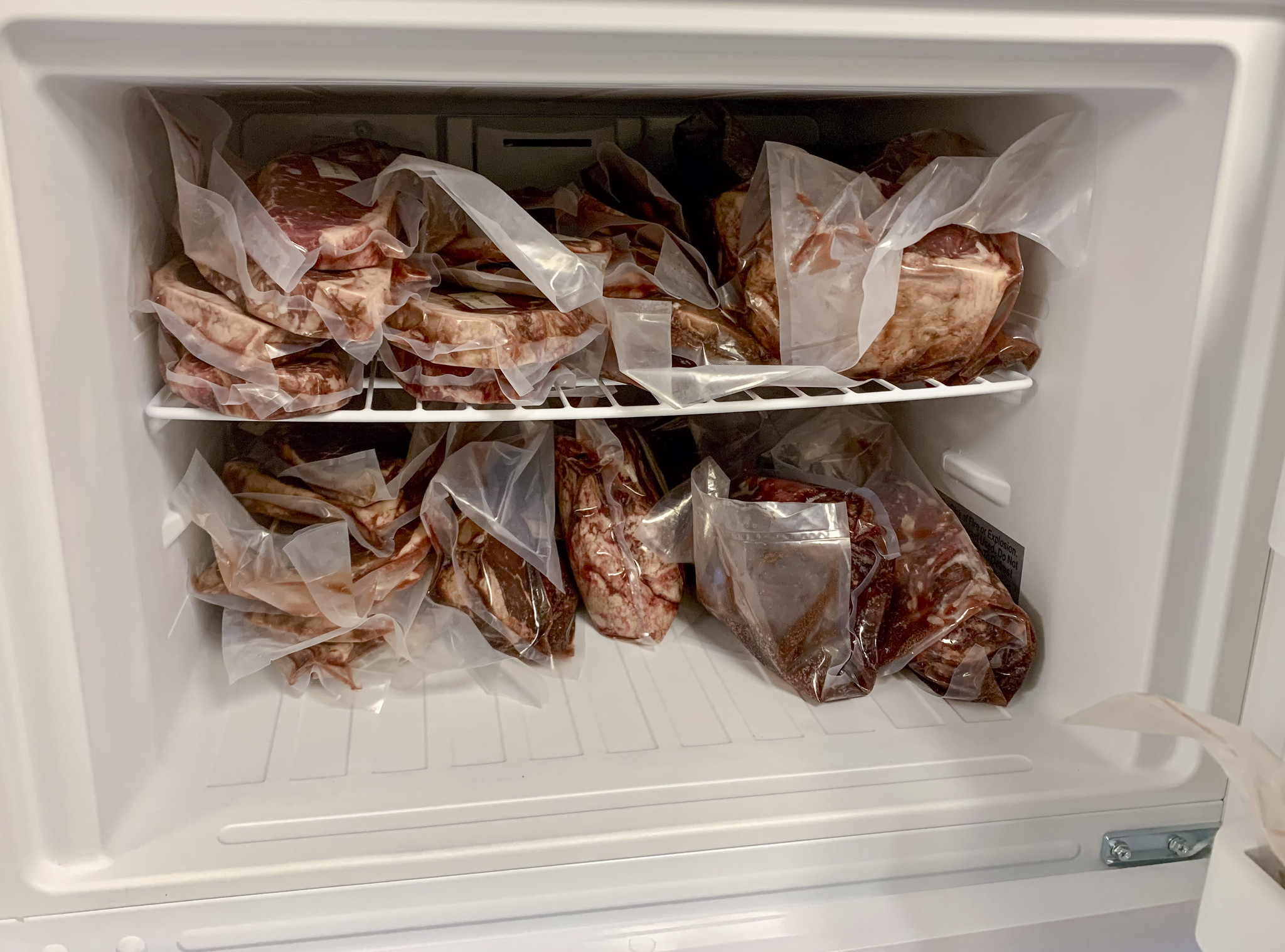
Credit: hpj.com
Signs Of Spoiled Vacuum Sealed Meat
Knowing the signs of spoiled vacuum sealed meat is crucial to avoid foodborne illnesses and wasted groceries. Even if your meat looks safely stored, subtle changes can signal it’s time to toss it out. Paying close attention to color, smell, and texture can save you from unpleasant surprises.
Changes In Color And Texture
Fresh vacuum sealed meat usually maintains a bright, natural color. If you notice dullness, grayish hues, or greenish tints, it’s a clear warning sign. Texture also matters—slimy or sticky surfaces mean bacteria might be growing.
Have you ever opened a package and felt something off to the touch? That slick or tacky feel is not normal. Trust your senses to decide if the meat is still safe.
Unpleasant Odor
Vacuum sealing slows spoilage, but it doesn’t stop it completely. When you open the package, pay attention to any sour, rancid, or sulfur-like smells. These odors are often the first and most obvious indicators that the meat has gone bad.
Even if the color looks okay, a bad smell means you shouldn’t risk cooking or eating it. Your nose can be your best food safety tool in this case.
Presence Of Ice Crystals
Ice crystals inside the vacuum seal might seem harmless, but they can signal freezer burn. Freezer burn dries out the meat, leading to tough texture and off-flavors. If you spot large or excessive ice buildup, the quality has likely diminished.
Small ice crystals are normal over time, but large patches or frost inside the package mean the seal might have been compromised. Would you want to eat meat that tastes dry and flavorless? Probably not.
Tips For Proper Vacuum Sealing And Freezing
Proper vacuum sealing and freezing can significantly extend the shelf life of your meat while preserving its quality. However, achieving the best results requires more than just sealing the meat and tossing it in the freezer. Small but crucial steps can make a big difference in taste, texture, and safety.
Choosing The Right Vacuum Sealer
Not all vacuum sealers are created equal. Look for one that offers strong suction power and reliable sealing to prevent air leaks. Models with adjustable settings allow you to seal delicate cuts without crushing them.
I once tried a budget sealer that left tiny air pockets, and my steaks suffered freezer burn within weeks. Investing in a quality sealer pays off by keeping your meat fresher longer.
Pre-freezing Meat
Freeze meat briefly before vacuum sealing to maintain its shape and prevent juices from being sucked out. About 1 to 2 hours in the freezer is usually enough to firm up the meat without freezing it solid.
This small step stops the vacuum sealer from pulling moisture, which can cause ice crystals and affect texture. Have you noticed your vacuum-sealed meat turning mushy after thawing? Pre-freezing might be the missing link.
Labeling And Dating Packages
Label each vacuum-sealed package with the type of meat and the date it was sealed. Use waterproof markers or printed labels for clarity and durability.
Keeping track prevents you from forgetting what’s inside or how long it has been stored. If you find a package in the back of your freezer, will you know if it’s safe to eat or time to toss it?
Thawing Vacuum Sealed Meat Safely
Thawing vacuum sealed meat safely is crucial to maintain its quality and prevent foodborne illnesses. How you thaw your meat impacts texture, flavor, and safety. Using the right thawing method ensures your meat stays fresh and delicious once cooked.
Refrigerator Thawing
Thawing meat in the refrigerator is the safest and most reliable method. It keeps the meat at a consistent, safe temperature below 40°F (4°C), slowing bacterial growth. This process might take a day or more, depending on the size of the cut, but it preserves the meat’s texture and flavor well.
If you plan ahead, place your vacuum sealed meat on a plate or tray to catch any drips. This prevents cross-contamination with other foods. Have you noticed how much better meat tastes when thawed slowly? That’s the refrigerator doing its job.
Cold Water Thawing
If you need meat thawed faster, cold water thawing works well. Keep the meat sealed, then submerge it in cold water, changing the water every 30 minutes. This method usually takes a few hours, depending on the size of the package.
Cold water thawing is faster than the fridge but requires more attention. Never use warm or hot water, as it encourages bacterial growth on the outer layers. Have you tried this method? It’s a great balance between speed and safety.
Avoiding Room Temperature Thawing
Thawing meat at room temperature is risky and should be avoided. Bacteria multiply rapidly between 40°F and 140°F (4°C to 60°C), which is the danger zone. Leaving vacuum sealed meat out on the counter invites food poisoning.
Even if the meat looks frozen inside, the outer layers can reach unsafe temperatures quickly. Ask yourself if the convenience is worth the health risk. Keeping food safety in mind protects you and your family from unnecessary illness.
Frequently Asked Questions
How Long Does Vacuum Sealed Meat Last In The Freezer?
Vacuum sealed meat can last 1 to 3 years in the freezer. Proper sealing and consistent freezing temperature maintain its quality and safety. This method significantly extends shelf life compared to regular freezing.
Does Vacuum Sealing Prevent Freezer Burn On Meat?
Yes, vacuum sealing greatly reduces freezer burn. It removes air, which causes dehydration and ice crystal formation. This keeps the meat moist and flavorful longer in the freezer.
Can Frozen Vacuum Sealed Meat Be Refrozen Safely?
Refreezing vacuum sealed meat is safe if thawed in the fridge. However, repeated freezing may reduce texture and flavor. For best quality, avoid multiple freeze-thaw cycles.
What Is The Best Freezer Temperature For Vacuum Sealed Meat?
The ideal freezer temperature for vacuum sealed meat is 0°F (-18°C) or lower. This keeps meat safely frozen and preserves its quality over extended periods.
Conclusion
Vacuum sealing helps meat stay fresh longer in the freezer. Proper sealing stops air and slows freezer burn. Most vacuum-sealed meats last from one to three years. Always check for signs of spoilage before cooking. Label packages with dates to track storage time.
Keep your freezer at the right temperature for best results. This simple step saves money and reduces food waste. Store meat carefully and enjoy safe, tasty meals anytime.