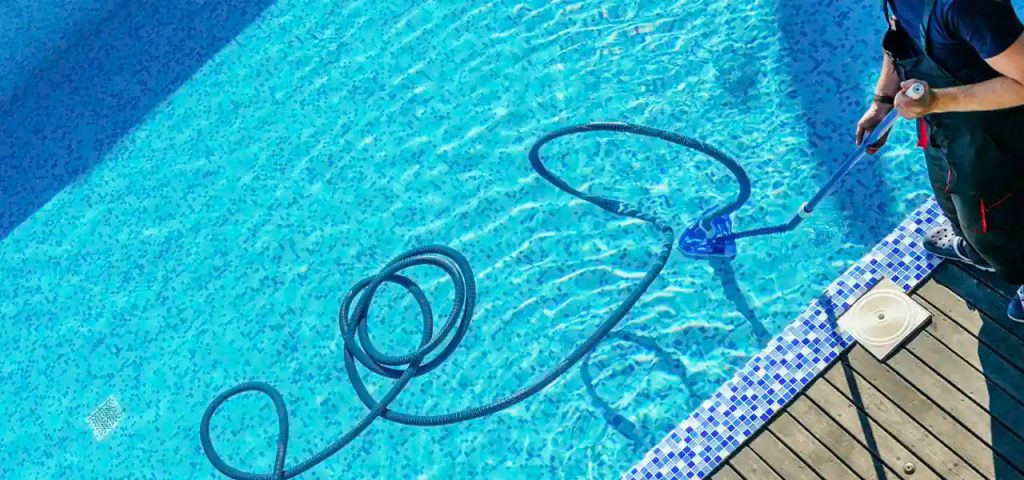
Have you ever wondered how often you should vacuum your pool to keep it sparkling clean? You’re not alone.
Maintaining a pool can feel like a daunting task, especially when you’re unsure of the right cleaning routine. But here’s the thing—understanding the ideal vacuuming frequency can transform your pool maintenance from a chore into a breeze. Imagine diving into crystal-clear water every time you take a swim! We’ll dive into the best practices for vacuuming your pool, ensuring it stays pristine and inviting.
Stick around to discover the secrets that will make your pool the envy of the neighborhood.
Why Vacuuming Matters
Vacuuming your pool isn’t just about keeping it looking good—it plays a crucial role in maintaining a healthy swimming environment. Skipping this simple task can lead to cloudy water and slippery surfaces, making your pool less inviting and potentially unsafe. Have you ever wondered why your pool water sometimes looks dull even after adding chemicals? The answer often lies in how well you vacuum.
Impact On Water Quality
Vacuuming removes dirt, leaves, and other debris that sink to the bottom of your pool. These particles can cloud the water and interfere with the effectiveness of your pool’s filtration system.
When debris sits on the pool floor, it breaks down and releases contaminants. These contaminants can cause the water to become murky and unbalanced, forcing you to add more chemicals to fix the problem.
Think about the last time you skipped vacuuming your pool for a week. Did you notice the water looking less clear? Regular vacuuming helps maintain crystal-clear water with less effort and fewer chemicals.
Preventing Algae Growth
Algae love to hide in the dirt and debris that settle at the bottom and corners of your pool. If you don’t vacuum regularly, these algae can multiply quickly, turning your pool green and slippery.
Vacuuming disrupts algae’s environment by removing their food source and exposing them to pool chemicals. This makes your pool less hospitable for algae to grow and spread.
Imagine swimming in a pool where the floor is covered with algae—you’d probably avoid it altogether. Keeping your pool vacuumed helps you enjoy a clean, safe swimming experience without the hassle of aggressive algae treatments.

Credit: pool.dreametech.com
Ideal Vacuuming Frequency
Keeping a pool clean is vital for safe swimming and good water quality. Vacuuming the pool removes dirt, leaves, and debris that settle on the bottom. The ideal vacuuming frequency depends on several factors. Regular cleaning keeps the pool clear and prevents algae growth.
Weekly Vs Biweekly Cleaning
Vacuuming once a week suits most pools. It helps control dirt and keeps the water fresh. Weekly cleaning prevents buildup and reduces the chance of stains.
Biweekly vacuuming may work for pools with less use or fewer surrounding trees. Dirt and debris accumulate slower in these pools. However, less frequent cleaning can allow algae and dirt to settle deeply.
Factors Affecting Schedule
- Pool usage: More swimmers mean faster dirt buildup.
- Surrounding environment: Trees and plants drop more leaves and debris.
- Weather conditions: Wind and rain can bring extra dirt.
- Pool type: In-ground pools may need different care than above-ground pools.
- Water circulation: Good filtration reduces dirt settling.
Adjust vacuuming times based on these factors. Watch the pool’s cleanliness and clean more often if needed. Regular checks help maintain a healthy pool environment.
Choosing The Right Vacuum
Choosing the right vacuum for your pool is key to keeping it clean without wasting time or effort. The right tool matches your pool’s size, shape, and how often you use it. This choice directly affects how often you need to vacuum and how effective the cleaning will be.
Manual Vs Automatic Options
Manual vacuums give you full control and are usually less expensive. You guide the vacuum yourself, which can be a good workout but takes more time. If you enjoy hands-on maintenance or have a small pool, this might be the right fit.
Automatic vacuums clean your pool with minimal effort from you. They work on their own, navigating the pool floor and walls, which saves time. However, they tend to cost more and may need occasional troubleshooting.
Think about how much time you want to spend cleaning versus relaxing by the pool. Would you prefer doing the work yourself, or letting a machine handle it while you focus on other things?
Features To Look For
- Suction Power:A vacuum with strong suction cleans better and faster. Check the power rating before buying.
- Ease of Use:Look for vacuums that are easy to assemble and operate. Complex setups can turn cleaning into a hassle.
- Compatibility:Ensure the vacuum fits your pool’s type—whether it’s vinyl, concrete, or fiberglass.
- Filter System:Efficient filters trap debris well and are easy to clean or replace.
- Durability:Materials that resist corrosion and wear will save you money in the long run.
When I switched to a vacuum with stronger suction and a simple filter system, my pool looked cleaner with less effort. Small upgrades can make a big difference, so consider what features will save you time and improve results.

Credit: us.mammotion.com
Step-by-step Vacuuming Process
Vacuuming your pool might seem like a chore, but following a clear process makes it easier and more effective. Understanding each phase helps you avoid common mistakes and keeps your pool sparkling clean. Let’s break down how to vacuum your pool with confidence and precision.
Preparing The Pool
Before you start vacuuming, remove any large debris like leaves or twigs from the surface using a skimmer net. This prevents the vacuum from clogging and improves suction. Next, check your pool’s water level—it should be halfway up the skimmer opening to ensure proper circulation during vacuuming.
Attach the vacuum head to the telescopic pole and connect the vacuum hose. Submerge the hose completely to fill it with water, then connect it to the vacuum plate or skimmer. This step gets rid of any trapped air, which can disrupt suction and slow down the cleaning process.
Vacuuming Techniques
Start vacuuming slowly, moving the head in a steady back-and-forth motion across the pool floor. Avoid rushing; slow movements allow the vacuum to pick up all dirt and debris effectively. Overlapping your strokes ensures no spots are missed, especially in corners and along walls.
Keep the vacuum hose straight and avoid kinks to maintain strong suction. If your pool has steps or ledges, clean these areas by adjusting the pole length and angle. Ever noticed how skipping corners leaves fine dirt behind? Paying attention to detail here saves you time later.
Post-cleaning Tips
Once you finish vacuuming, backwash your filter to clear trapped dirt and improve filtration. Check your pool’s chemical balance, especially chlorine and pH levels, as vacuuming can stir up sediments affecting water quality. Running your pump for a few hours after cleaning helps to circulate clean, treated water.
Finally, rinse your vacuum equipment with fresh water and store it properly to extend its lifespan. Have you ever skipped maintenance on your vacuum only to find it malfunctioning next season? Taking these small steps protects your investment and keeps your pool ready for use.
Common Mistakes To Avoid
Maintaining a clean pool means more than just sticking to a vacuum schedule. Avoiding common mistakes can save you time, money, and frustration. Let’s look at pitfalls that often trip up pool owners and how you can steer clear of them.
Over-vacuuming Risks
You might think vacuuming more often keeps your pool spotless, but too much can actually harm it. Over-vacuuming can wear down the pool liner or surface, leading to costly repairs. It also strains your pool’s filtration system by pushing debris through it more frequently than necessary.
Consider how often you really need to vacuum based on your pool’s usage and surroundings. For example, if you have many trees nearby, you might need to vacuum more regularly, but if your pool is covered and rarely used, less frequent vacuuming is better.
Ignoring Pool Filters
Vacuuming without paying attention to your pool filter is like cleaning your room but leaving the trash bin full. A clogged or dirty filter reduces suction power, making your vacuuming inefficient. This can cause debris to settle back into the pool, wasting your effort.
Check your filter regularly and clean or replace it as needed. Have you noticed your vacuum losing power or your water not clearing up? It might be time to inspect the filter before reaching for the vacuum again.

Credit: pool.dreametech.com
Maintaining Sparkling Water Between Vacuums
Maintaining sparkling pool water between vacuum sessions keeps your pool inviting and clean. Regular care prevents dirt build-up and algae growth. Simple daily tasks help your pool stay clear and safe.
Skimming And Brushing
Skimming removes leaves, bugs, and debris from the surface. Use a net skimmer daily to prevent dirt from sinking. Brushing pool walls and floor loosens algae and dirt. Brush these areas twice a week to stop stains and build-up.
Chemical Balancing
Balanced chemicals keep water clear and healthy. Test water at least twice a week for pH, chlorine, and alkalinity. Adjust chemicals to the right levels based on test results. Proper balance stops algae and bacteria growth, reducing cleaning needs.
Frequently Asked Questions
How Often Should I Vacuum My Pool?
Vacuum your pool once a week to keep it clean and clear. Regular vacuuming removes dirt, debris, and algae buildup. This routine helps maintain water quality and prevents filter strain. Adjust frequency based on pool usage and surrounding environment.
Can I Vacuum My Pool Too Often?
Vacuuming too often can wear out pool surfaces and equipment. Once a week is sufficient for most pools. Over-vacuuming may also disturb chemicals and water balance. Always vacuum gently and monitor pool condition to avoid damage.
What Is The Best Time To Vacuum A Pool?
Vacuum your pool in the early morning or late evening. This timing prevents water evaporation and chemical loss. It also avoids peak sunlight, which can encourage algae growth. Vacuuming during these times ensures more effective cleaning and better water balance.
Does Vacuuming Affect Pool Water Chemistry?
Vacuuming can temporarily stir up debris and affect water clarity. However, it generally does not alter water chemistry significantly. Always test and adjust chemicals after vacuuming if needed. Proper vacuuming supports overall pool health and cleanliness.
Conclusion
Vacuuming your pool keeps the water clean and clear. Clean pools help stop algae and dirt buildup. Aim to vacuum once a week during swimming season. This habit saves time and keeps the pool healthy. Don’t forget to check your pool filter often.
A clean filter helps the vacuum work well. Regular vacuuming means better fun and fewer problems. Keep your pool inviting and safe with simple care. Small steps make a big difference in pool maintenance.