Imagine preparing a perfectly cooked steak, tender and juicy, just like a professional chef would make. This is the magic of sous vide cooking.
If you’re diving into this culinary method, you might wonder if a vacuum sealer is necessary for your sous vide adventures. You’re not alone in this curiosity. Many home cooks grapple with the same question. You want your meals to be nothing short of extraordinary, but do you really need another kitchen gadget?
Understanding the role of a vacuum sealer in sous vide cooking could be the key to unlocking your culinary potential. Let’s explore whether this tool is an essential part of achieving that restaurant-quality meal right in your own kitchen. Stay with us, and discover if a vacuum sealer is your next must-have kitchen companion.

Credit: www.amazon.ca
Why Vacuum Sealing Matters
Vacuum sealing plays a crucial role in sous vide cooking. It removes air from the bag, creating a tight seal around the food. This method helps in even heat transfer and preserves the flavor and texture. Without vacuum sealing, the cooking process may not be as effective or safe.
Benefits For Sous Vide Cooking
Vacuum sealing ensures food cooks evenly by removing air pockets. It keeps the bag close to the food, allowing water to surround it fully. This helps maintain a consistent temperature throughout cooking. The seal also prevents water from entering the bag, protecting the food from dilution.
Impact On Food Quality
Removing air reduces oxidation, which can spoil taste and color. Vacuum sealing locks in juices and flavors, making food tastier. It prevents freezer burn when storing food for later use. Texture stays tender because the food cooks gently and evenly.
Safety Considerations
Vacuum sealing reduces bacteria growth by limiting oxygen exposure. It prevents contamination by sealing the food securely. Proper sealing helps maintain safe cooking temperatures throughout the process. It also reduces the risk of foodborne illness by keeping water out of the bag.
Alternatives To Vacuum Sealers
Vacuum sealers are popular for sous vide cooking. Still, they are not the only choice. Several alternatives can keep your food fresh and water-tight during cooking. These options are often cheaper and more accessible. Each alternative has its pros and cons. Choose one that fits your kitchen style and budget.
Using Ziplock Bags
Ziplock bags are a common substitute for vacuum sealers. They are easy to find and affordable. Use thick, freezer-grade bags for better results. Place food inside and press out as much air as possible before sealing. Ensure the bag is tightly closed to prevent water from entering. This method is simple and works well for many types of food.
Water Displacement Method
The water displacement method helps remove air without a vacuum sealer. Put food in a ziplock bag and seal most of it. Slowly lower the bag into a pot of water. The water pressure pushes air out of the bag. Seal the bag completely just before it goes under the water. This method creates a tight seal for sous vide cooking.
Reusable Silicone Bags
Reusable silicone bags are eco-friendly and durable. They can handle heat and are perfect for sous vide. These bags usually have a strong seal to keep water out. They are easy to clean and save money over time. Silicone bags offer a safe, reusable option for cooking and storing food.
Choosing The Right Vacuum Sealer
Choosing the right vacuum sealer is crucial for making the most out of your sous vide cooking experience. The right sealer not only preserves the texture and flavor of your food but also ensures safety and convenience. Understanding the different types and features can help you pick a model that fits your needs without overspending.
Types Of Vacuum Sealers
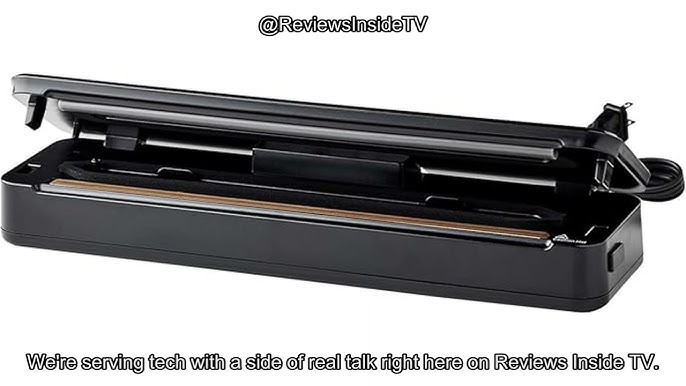
There are mainly two types of vacuum sealers: external and chamber. External sealers are more common and affordable; they work by sucking air out of specially designed bags and then sealing them.
Chamber sealers, on the other hand, remove air from the entire chamber before sealing the bag. This type is more expensive but offers a stronger and more reliable seal, especially for liquids or marinated foods.
Ask yourself: How often will you use the vacuum sealer, and what types of food do you plan to seal? This will guide your choice between these two types.
Key Features To Look For
Look for a vacuum sealer with adjustable settings so you can control the vacuum strength and sealing time. This flexibility is useful for sealing delicate items like berries or fragile fish.
Consider models with a built-in cutter to customize bag sizes, saving you money on pre-cut bags. Another handy feature is the ability to seal bags without vacuuming, which is great for resealing opened packages.
How important is ease of cleaning for you? Some sealers have removable drip trays that catch liquids, making cleanup simple and quick.
Budget-friendly Options
Vacuum sealers don’t have to break the bank. Basic models can cost under $50 and work well for occasional sous vide cooks. These are usually external sealers with straightforward functions.
If you cook sous vide regularly, investing around $100-$150 can get you a reliable sealer with adjustable settings and stronger suction. This range offers a good balance between price and performance.
Think about your cooking frequency and food types to decide if a budget model fits your lifestyle or if spending a bit more upfront makes sense for long-term satisfaction.

Credit: timesofmalta.com
Vacuum Sealer Maintenance Tips
Keeping your vacuum sealer in top shape is key to getting the best results from your sous vide cooking. Regular maintenance not only ensures a strong seal but also saves you money on repairs or replacements. Let’s look at some practical tips that help your device work smoothly every time.
Cleaning And Care
After each use, wipe down the sealing area with a damp cloth to remove any food residue or moisture. Avoid using harsh chemicals that can damage the sealing strip or plastic components. If your model has a removable drip tray, empty and wash it regularly to prevent mold buildup.
Pay attention to the vacuum channel where air is sucked out. Small bits of food can get stuck here and reduce suction power. Using a soft brush or cotton swab can help keep this area clear without damaging the machine.
Troubleshooting Common Issues
Is your vacuum sealer not sealing properly or failing to pick up air? Check the bag placement first—bags must be flat and sealed within the designated area. Wrinkles or folds can cause leaks.
If the sealing strip looks worn or burnt, it might need replacement. Many models allow you to swap this part yourself. Also, ensure the lid closes firmly; a loose lid can break the vacuum.
Noise or unusual smells during operation can signal a problem with the motor or pump. Stop using the device immediately and consult the manual or customer support to avoid permanent damage.
Extending Device Lifespan
Using the right bags designed for your vacuum sealer reduces stress on the machine and improves sealing quality. Generic or thin bags can cause jams or weak seals.
Store your vacuum sealer in a cool, dry place to prevent moisture damage. Avoid stacking heavy items on top that could bend or crack the unit.
Have you ever noticed how some devices last much longer just because they’re treated with care? Small habits like unplugging after use and avoiding overuse can add years to your vacuum sealer’s life.
Maximizing Sous Vide Results
Maximizing your sous vide results depends heavily on how you prepare and seal your food. Proper sealing keeps flavors locked in and prevents water from spoiling your meal’s texture. Let’s dive into some practical tips that make a big difference.
Proper Bag Filling Techniques
Fill your bags without overcrowding. Overstuffed bags can lead to uneven cooking and prevent the vacuum sealer from removing air properly.
Leave enough space at the top of the bag to ensure a secure seal. About 3-4 inches is a good rule of thumb.
Use separate bags for different ingredients to avoid flavor mixing. This also helps if you want to cook items at different times.
Sealing Tips For Different Foods
Wet foods like marinated meats can be tricky. Freeze liquids in ice cube trays first, then add them before sealing to avoid liquid being sucked into the vacuum sealer.
For delicate items such as fish or soft fruits, use the gentle seal function if your machine has one. This prevents crushing and keeps the food’s shape intact.
When sealing leafy greens or herbs, place a paper towel inside the bag. It absorbs moisture and helps prevent steam buildup during cooking.
Storage And Freezing Advice
Vacuum-sealed bags extend the freshness of your food, but labeling is crucial. Write the date and contents on each bag to avoid confusion later.
For freezing, remove as much air as possible before sealing to prevent freezer burn. Vacuum-sealed meals can last months in the freezer without losing quality.
Thaw sous vide bags in cold water or in the fridge before cooking to ensure even temperature throughout. Have you noticed a difference in texture when you skip this step?
Credit: www.engadget.com
Frequently Asked Questions
Do You Need A Vacuum Sealer For Sous Vide Cooking?
A vacuum sealer is not essential but highly recommended for sous vide. It removes air, ensuring even cooking and better flavor infusion. Alternatives like zip-lock bags work but may not seal as tightly or prevent water seepage.
Can I Use Zip-lock Bags Instead Of A Vacuum Sealer?
Yes, zip-lock bags can be used with the water displacement method. However, they might not remove all air or seal as securely, which can affect cooking quality and food safety compared to vacuum-sealed bags.
How Does Vacuum Sealing Improve Sous Vide Results?
Vacuum sealing removes air and tightly encloses food, promoting even heat transfer. This prevents floating and water contact, enhancing texture, flavor, and cooking consistency in sous vide preparation.
Is A Vacuum Sealer Worth Buying For Occasional Sous Vide Use?
If you sous vide occasionally, a vacuum sealer may not be necessary. Zip-lock bags suffice for simple meals. For frequent use, a sealer improves results and convenience, making it a worthwhile investment.
Conclusion
Vacuum sealers help keep food fresh and safe during sous vide cooking. They remove air, which stops water from touching the food. This makes cooking more even and flavors stronger. You can use ziplock bags, but vacuum sealers work better.
They save space in the water bath and prevent leaks. Still, they are not always needed for beginners. Choose what fits your cooking style and budget. Good food depends on good tools and technique. Try both methods to see what suits you best.