Have you ever wondered how to measure vacuum pressure accurately? Whether you’re a curious DIY enthusiast, a professional working in an industrial setting, or someone dealing with scientific experiments, understanding vacuum pressure is crucial.
Vacuum pressure plays a significant role in various applications, from ensuring the efficiency of your car’s braking system to maintaining the integrity of a lab experiment. But, without the right knowledge, measuring it can seem daunting. Imagine having the ability to confidently assess vacuum pressure, ensuring your projects run smoothly and efficiently.
In this blog, you’ll discover straightforward methods and insights that will make you feel like a vacuum pressure pro. You’ll also learn about the tools required and the steps to follow, making this complex task feel like a breeze. Stick around, and you’ll gain the skills to tackle vacuum pressure measurement with ease and confidence.
Basics Of Vacuum Pressure
Understanding the basics of vacuum pressure is essential before you start measuring it. Vacuum pressure isn’t just a technical term; it affects many daily applications, from your car’s brake system to scientific experiments. Knowing what vacuum pressure is and how it’s measured will help you handle your equipment more confidently and accurately.
What Is Vacuum Pressure?
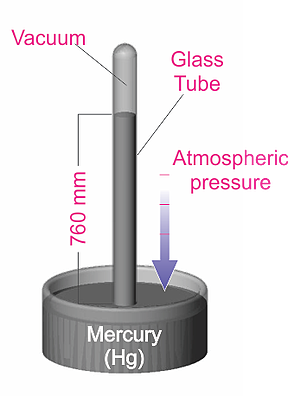
Vacuum pressure refers to the pressure that is lower than the surrounding atmospheric pressure. In other words, it’s the difference between the atmospheric pressure and the pressure inside a vacuum. This means vacuum pressure measures how much air or gas has been removed from a space.
Imagine sucking air out of a sealed bag. The bag’s inside pressure drops below the outside air pressure, creating a vacuum. The stronger the vacuum, the lower the pressure inside compared to the outside.
Units Of Measurement
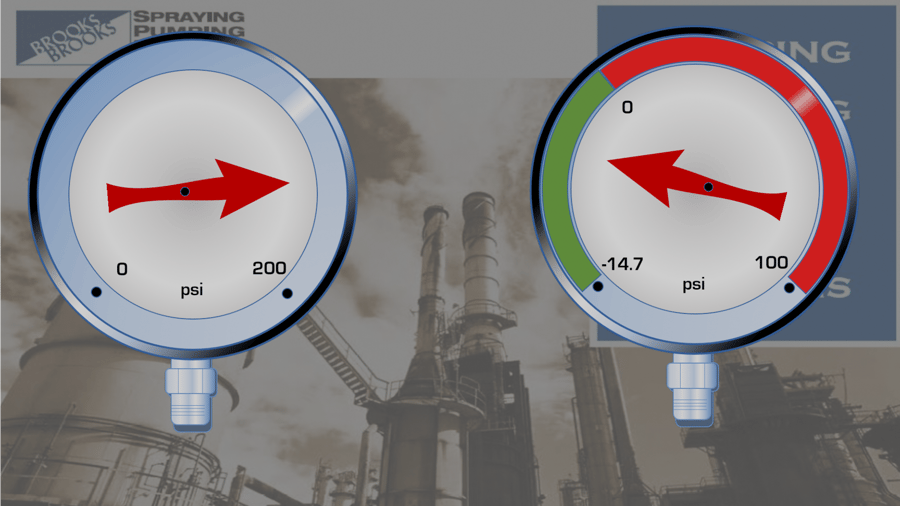
Vacuum pressure can be expressed in several units, depending on your region or the equipment you use. The most common units include:
- Torr:Often used in scientific settings, 1 Torr equals 1/760 of atmospheric pressure.
- Pascal (Pa):The SI unit of pressure, useful in precise measurements. Atmospheric pressure is about 101,325 Pa.
- Millimeters of Mercury (mmHg):Similar to Torr, but based on mercury column height.
- Inches of Mercury (inHg):Common in automotive and HVAC industries.
- Atmospheres (atm):One atmosphere equals the standard atmospheric pressure at sea level.
Choosing the right unit depends on your context and the precision you need. Have you noticed how automotive gauges often use inHg, while labs prefer Torr? This choice affects how you interpret the readings and how you compare data across different sources.
Credit: www.johnbrooks.ca
Types Of Vacuum Gauges
Vacuum pressure measurement relies on different types of vacuum gauges, each designed for specific pressure ranges and applications. Choosing the right gauge can improve accuracy and reliability in your measurements. Understanding how each type works helps you pick the best tool for your setup.
Mechanical Gauges
Mechanical gauges use physical movement to measure vacuum pressure. One common example is the Bourdon tube gauge, where a curved tube straightens as pressure changes, moving a needle on a dial. These gauges are simple, durable, and do not need power, making them ideal for rough environments.
However, mechanical gauges often struggle to measure very low pressures accurately. You might find them useful for rough vacuum levels but less so for high precision tasks.
Electronic Gauges
Electronic gauges convert vacuum pressure into an electrical signal for digital readouts. They offer higher accuracy and can measure a broader range of pressures than mechanical gauges. For example, piezoelectric and capacitance manometers fall under this category.
These gauges are great if you need precise control or want to integrate vacuum readings with automated systems. Keep in mind they require a power source and can be more expensive.
Thermal Conductivity Gauges
Thermal conductivity gauges measure vacuum based on how gas molecules affect heat transfer. A hot filament changes temperature depending on the surrounding pressure, which is then converted into a vacuum reading. These are especially useful for very low pressures in the rough to medium vacuum range.
Have you noticed how the behavior of gases changes with pressure? Thermal gauges tap into this physical property, making them excellent for clean, dry vacuum systems. They are sensitive but can be affected by gas type and contamination.
Preparing For Measurement
Preparing to measure vacuum pressure requires careful attention to detail. It’s not just about attaching a gauge and reading numbers. The accuracy of your measurement depends heavily on choosing the right tools and ensuring they are properly set up.
Selecting The Right Gauge
Not all vacuum gauges are made equal. Your choice depends on the pressure range you expect to measure and the environment where the measurement takes place.
- Mechanical gaugesare durable and great for rough conditions but might lack precision in very low vacuum ranges.
- Digital gaugesoffer higher accuracy and are easier to read, especially when you need fine resolution.
- Thermocouple or Pirani gaugeswork well for ultra-high vacuum but require stable temperatures to avoid errors.
Think about your specific application: Are you measuring a vacuum in a lab or an industrial setting? This question helps you avoid buying a gauge that’s either overkill or insufficient.
Calibrating The Equipment
Calibration is key to trust your vacuum readings. Even the best gauge can give misleading results if it’s not calibrated regularly.
Start by comparing your gauge against a known standard or a master gauge. This process helps you spot any deviations early on.
- Check calibration certificates if you’re using borrowed or rented equipment.
- Perform zero-point adjustment to eliminate offset errors before each measurement.
- Document calibration dates and results to track performance over time.
Have you ever assumed your equipment was accurate, only to find out later it was off? Proper calibration saves time and prevents costly mistakes.
Step-by-step Measurement Process
Measuring vacuum pressure requires careful attention and the right tools. Following a clear process helps get precise results. This process involves setting up the gauge correctly, taking accurate readings, and then recording the data carefully. Each part is important to ensure reliable vacuum pressure measurement.
Setting Up The Gauge
Choose a vacuum gauge suitable for your system. Check that the gauge is clean and free of damage. Connect the gauge securely to the vacuum port. Make sure there are no leaks in the connection. Turn on the vacuum system and allow it to stabilize before reading.
Taking Accurate Readings
Wait for the gauge needle or digital display to stop moving. Observe the reading carefully without moving the gauge. Note any fluctuations or unusual changes in pressure. Take multiple readings to confirm accuracy. Use the correct units for vacuum pressure, such as Torr or millibar.
Recording Data
Write down each reading clearly in a log or notebook. Include the date, time, and conditions of the measurement. Record the type of gauge and any calibration details. Keep the data organized for easy reference and comparison. Use this data to monitor the vacuum system’s performance over time.
Common Errors And How To Avoid Them
Measuring vacuum pressure accurately requires care. Common errors can lead to wrong readings. These mistakes often happen during setup or use. Avoiding them saves time and ensures reliable results. Below are frequent issues and tips to prevent them.
Leakage Issues
Leaks cause false low vacuum readings. Check all connections for tight seals. Use proper gaskets and fittings. Test the system with a leak detector or soapy water. Fix leaks before measuring pressure. Even small leaks affect accuracy significantly.
Temperature Effects
Temperature changes can alter gauge readings. Avoid measuring in extreme heat or cold. Let the gauge and system reach room temperature first. Use temperature-compensated gauges for better stability. Note temperature conditions during measurement for reference.
Gauge Malfunctions
Faulty gauges give incorrect pressure values. Calibrate gauges regularly according to the manufacturer’s instructions. Inspect gauges for damage or wear before use. Replace gauges that show inconsistent or stuck readings. Proper maintenance extends gauge life and accuracy.

Credit: www.achrnews.com
Improving Measurement Accuracy
Improving the accuracy of vacuum pressure measurements is essential for reliable results. Small errors can lead to faulty conclusions or equipment damage. Accurate readings depend on several key practices. These ensure the vacuum system works as expected and measurements reflect true conditions.
Regular Calibration
Calibration keeps gauges accurate over time. It adjusts the device to match known standards. Without calibration, readings may drift and become unreliable. Schedule regular checks according to the manufacturer’s advice. Use certified calibration tools for best results. Keep records to track gauge performance and spot trends.
Proper Maintenance
Clean and inspect gauges regularly. Dirt, dust, or damage can affect sensor sensitivity. Replace worn parts to maintain precision. Store devices in dry, safe places to prevent corrosion. Follow manufacturer guidelines for maintenance routines. Proper care extends gauge lifespan and keeps readings stable.
Using Multiple Gauges
Using more than one gauge helps verify results. Compare readings from different devices to find discrepancies. It highlights faulty or drifting gauges quickly. Place gauges at various points in the system for better monitoring. This method increases confidence in the data collected and reduces errors.
Credit: www.terrauniversal.com
Frequently Asked Questions
What Instruments Measure Vacuum Pressure Accurately?
Common instruments include manometers, Pirani gauges, and ionization gauges. Each type suits different vacuum ranges and applications for precise readings.
How To Calibrate A Vacuum Pressure Gauge?
Calibration involves comparing the gauge with a known standard under controlled conditions. Regular calibration ensures accuracy and reliable vacuum pressure measurements.
What Units Are Used For Vacuum Pressure Measurement?
Vacuum pressure is commonly measured in torr, pascal (Pa), or inches of mercury (inHg). Units depend on industry standards and regional preferences.
Why Is Vacuum Pressure Measurement Important?
Measuring vacuum pressure ensures system efficiency, safety, and process control in industries like manufacturing, pharmaceuticals, and research.
Conclusion
Measuring vacuum pressure helps keep systems safe and efficient. Use the right tools for accurate results. Regular checks can prevent equipment problems and save costs. Always follow proper steps to get clear readings. Understanding vacuum pressure improves your control over machines.
Keep practicing to become comfortable with the process. Small efforts lead to better system performance. Stay consistent and watch your vacuum systems work smoothly.