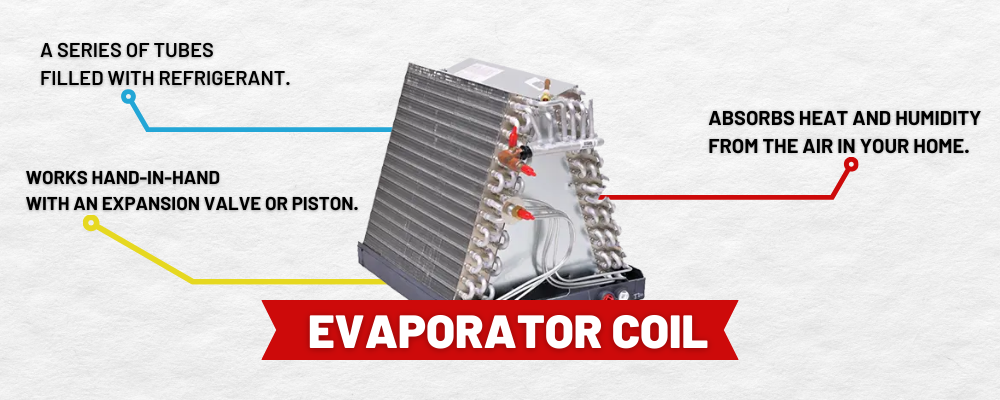
Are you considering a new air conditioner condenser for your home? One of the most pressing questions you might have is whether a new condenser comes pre-charged with refrigerant.
Knowing the answer could save you time, money, and a lot of hassle. Imagine avoiding unexpected expenses or installation delays simply by being informed. You’ll uncover the truths and myths surrounding this topic, ensuring you’re fully prepared for your next purchase.
Keep reading to gain clarity and make the best decision for your cooling needs. Your comfort and savings depend on it!
What Is An Ac Condenser?
The AC condenser is a key part of your air conditioning system. It helps cool the refrigerant, turning it from a gas back into a liquid. This process lets your AC release heat outside, keeping your home comfortable.
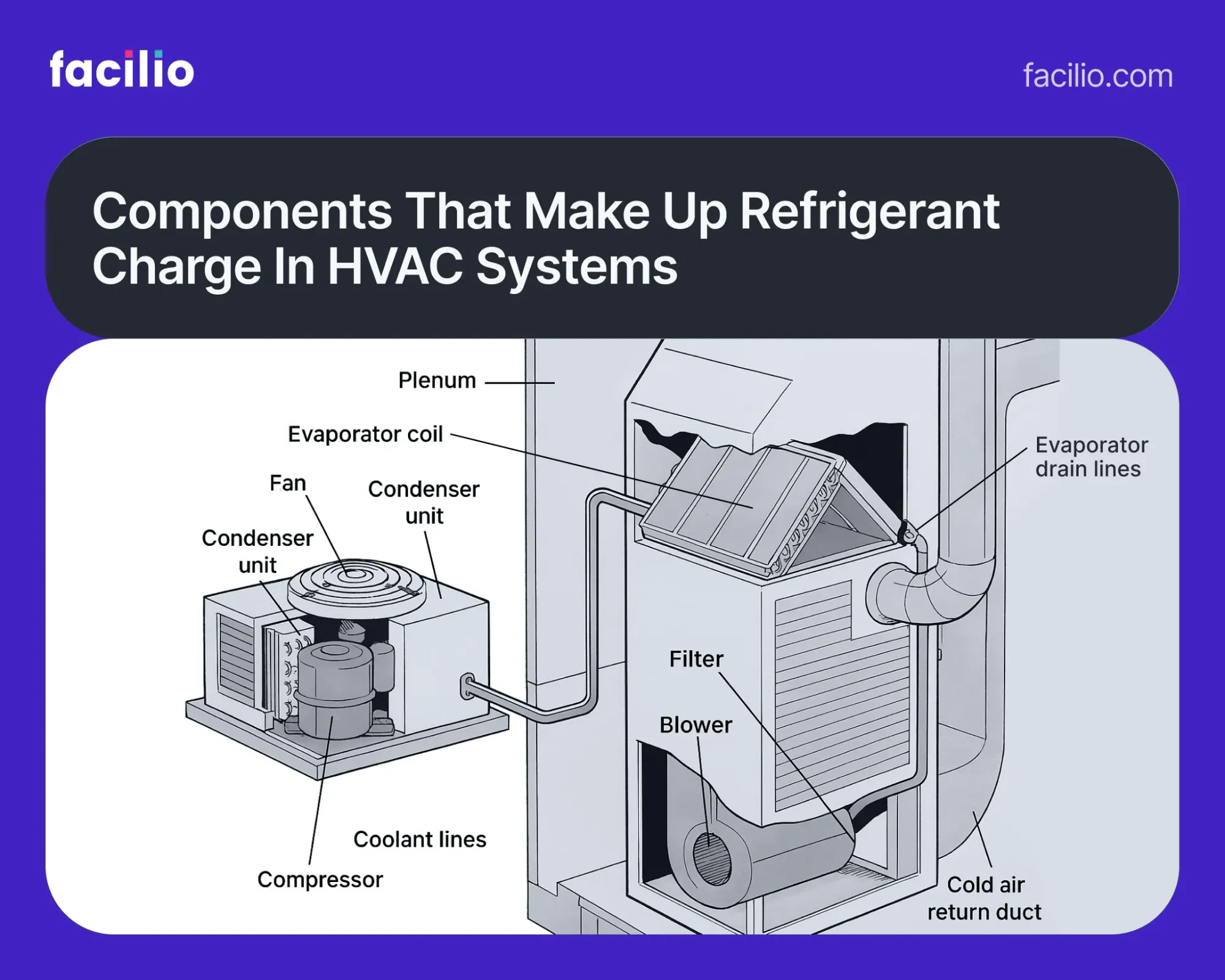
The condenser is usually located outside your home. It works closely with other parts like the compressor and evaporator. Together, they cycle refrigerant to remove heat from inside your house.
How Does An Ac Condenser Work?
The condenser receives hot, high-pressure refrigerant gas from the compressor. It passes this gas through thin metal coils. A fan blows air over these coils, cooling the gas. As it cools, the gas changes into a liquid.
Parts Of An Ac Condenser
- Coils:Thin tubes where refrigerant flows and cools down.
- Fan:Moves air over the coils to remove heat.
- Compressor:Pumps refrigerant through the system (usually attached).
- Protective housing:Metal casing that holds all parts safely.
Why Is The Condenser Important?
The condenser removes heat from your home. Without it, the refrigerant cannot cool properly. It keeps the AC running efficiently and prevents overheating. A good condenser means better cooling and lower energy bills.
Role Of Refrigerant In Ac Systems
The refrigerant plays a crucial role in the cooling process of your air conditioning system. It acts as the medium that carries heat from inside your home to the outside environment. Without refrigerant, your AC simply can’t do its job effectively, no matter how advanced the other components are.
Understanding the function of refrigerant helps you grasp why proper charging and handling are essential when installing or servicing an AC unit. It’s not just a fluid inside the system—it’s the lifeblood that keeps you cool during hot days.
How Refrigerant Transfers Heat
Refrigerant absorbs heat from your indoor air as it evaporates inside the evaporator coil. This process cools the air, which is then blown back into your rooms. After absorbing heat, the refrigerant moves outside to the condenser coil.
At the condenser, the refrigerant releases the absorbed heat to the outside air as it changes back into a liquid. This continuous cycle of evaporation and condensation is what makes air conditioning possible.
Why Proper Refrigerant Charge Matters
Too little refrigerant means your AC won’t cool efficiently, often causing the compressor to overheat and fail. Too much refrigerant can also cause problems, such as increased pressure in the system and potential damage.
Maintaining the right refrigerant level ensures your AC runs smoothly and lasts longer. This is why technicians check refrigerant charges carefully during installation and repair.
Common Types Of Refrigerants Used
- R-22:Older systems used this type, but it’s being phased out due to environmental concerns.
- R-410A:The most common refrigerant in new AC units, known for better efficiency and lower environmental impact.
- Natural refrigerants:Some newer models use eco-friendly options like propane or CO2, though these are less common.
Knowing your system’s refrigerant type helps you understand potential costs and environmental impacts when servicing your AC.
Factory Charging Of New Condensers
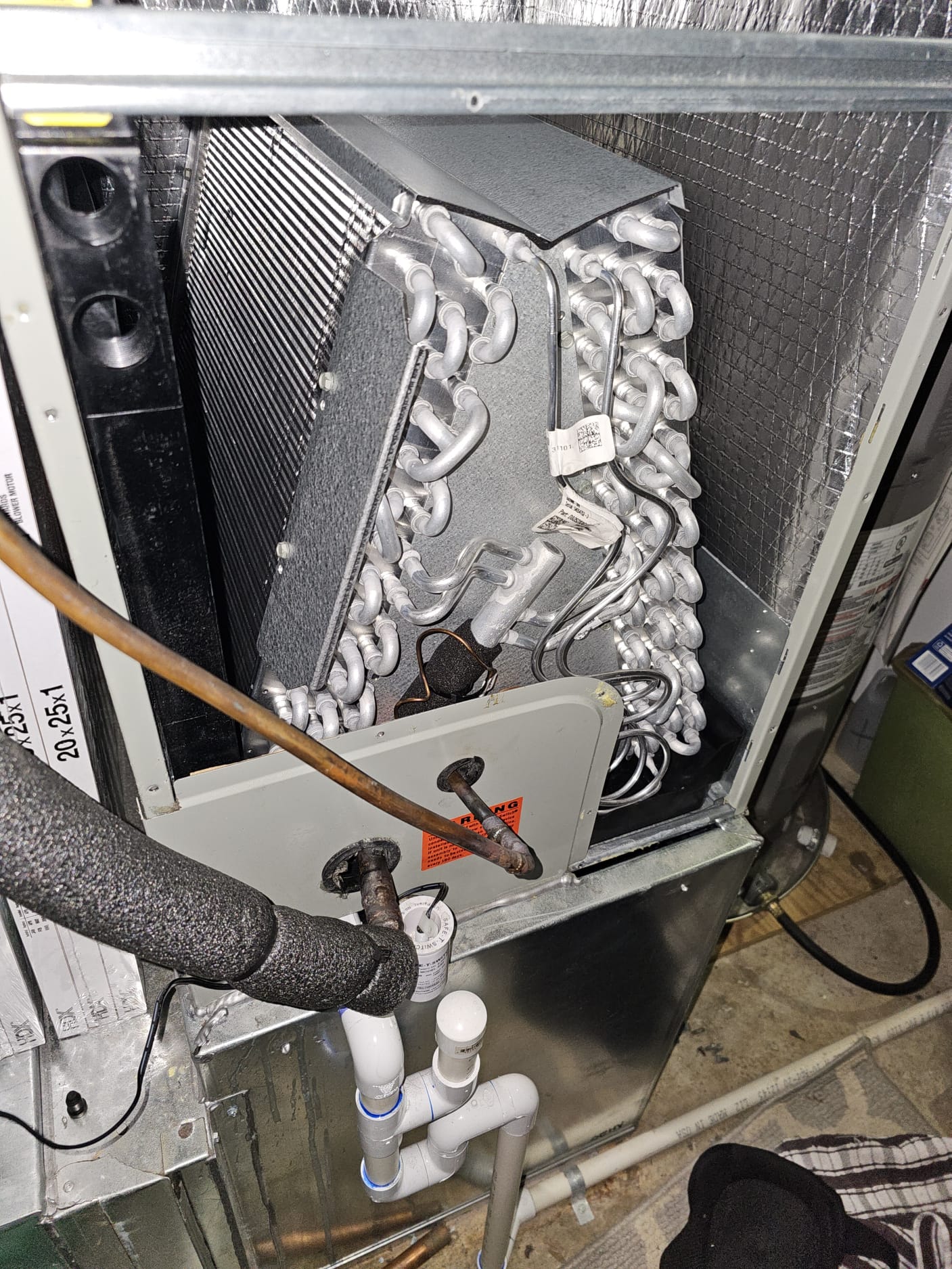
New air conditioner condensers often come with refrigerant already inside. This process is known as factory charging. It ensures the unit is ready for installation and operation.
Factory charging helps protect the system during shipping. It also maintains the correct refrigerant amount for optimal performance. This step reduces the need for extra refrigerant filling after installation.
What Factory Charging Means For Your Condenser
Factory charging means the condenser has a sealed refrigerant charge. The amount matches the system’s design specifications. This helps the unit cool efficiently from the start.
Refrigerant is carefully measured and sealed inside the condenser. This prevents leaks and contamination before installation. It also saves time and effort during setup.
Types Of Refrigerants Used In Factory Charging
- R-410A: Common in modern air conditioners
- R-22: Used in older models, now being phased out
- Other eco-friendly refrigerants in newer systems
The type of refrigerant depends on the condenser model and regulations.
Why Factory Charging Is Important For Installation
- Simplifies installation by reducing extra steps
- Ensures proper refrigerant levels for efficient cooling
- Prevents damage caused by incorrect refrigerant amounts
- Helps maintain warranty by following manufacturer guidelines
Technicians still check for leaks and proper pressure before use.
Credit: www.logan-inc.com
Why Some Condensers Arrive Without Refrigerant
Some air conditioner condensers arrive without refrigerant for several reasons. Manufacturers often ship these units empty to ensure safety and compliance with shipping rules. Refrigerant is a controlled substance and needs special handling during transport.
Also, an empty condenser allows technicians to charge the exact amount of refrigerant needed. This ensures the system works efficiently and avoids problems caused by overcharging or undercharging.
Safety Regulations For Shipping Refrigerants
Refrigerants are hazardous materials. Shipping companies follow strict rules to prevent leaks and accidents. Sending condensers without refrigerant reduces risks during transport.
Custom Refrigerant Charging By Professionals
Technicians charge the condenser based on system size and installation specifics. This custom approach improves performance and extends equipment life. It also helps meet local environmental standards.
Preventing Damage During Transport
Refrigerant can leak or cause pressure changes during shipping. Empty condensers avoid these issues. It protects the unit and prevents costly repairs.
Compliance With Environmental Laws
Many countries regulate refrigerant handling to protect the environment. Shipping condensers without refrigerant helps companies stay compliant with these laws. It reduces the chance of fines or penalties.
How To Check Refrigerant Levels In A New Unit
Checking refrigerant levels in a new air conditioner condenser is important. Proper refrigerant ensures the unit cools efficiently and avoids damage. New units often come pre-charged, but verifying the level confirms everything is right.
This process requires simple tools and careful observation. Knowing how to check refrigerant levels helps maintain the unit’s performance.
Gather The Necessary Tools
- Manifold gauge set
- Thermometer
- Protective gloves and eyewear
- User manual of the air conditioner
Locate The Service Ports
Find the low-pressure and high-pressure service ports on the condenser. These are usually capped and labeled. Remove the caps carefully before attaching gauges.
Attach The Manifold Gauges
Connect the low-pressure hose to the low-pressure port. Connect the high-pressure hose to the high-pressure port. Ensure connections are tight to avoid leaks.
Read The Pressure Levels
Turn on the air conditioner and let it run for several minutes. Observe the pressure readings on the gauges. Compare these readings with recommended levels in the user manual.
Interpret The Results
- Low pressure may indicate insufficient refrigerant.
- High pressure could signal overcharging or blockage.
- Normal pressure means the refrigerant level is adequate.
Check Temperature Difference
Measure the temperature of the air coming out of the vents. Compare it with the room temperature. A good temperature drop usually means proper refrigerant levels.

Credit: www.aljazeera.com
Steps To Properly Charge A New Condenser
Charging a new air conditioner condenser is crucial for its performance. Proper refrigerant levels ensure efficient cooling and prevent system damage. Follow clear steps to charge your condenser safely and correctly.
Check Manufacturer Specifications
Read the condenser manual carefully. Find the recommended type and amount of refrigerant. Using the wrong refrigerant can harm the system and void warranties.
Use Proper Safety Gear
Wear gloves and safety glasses. Refrigerants can cause frostbite or eye injury. Handle all equipment with care to avoid accidents.
Connect The Manifold Gauges
Attach the gauges to the service ports on the condenser. The low-pressure side connects to the suction line. The high-pressure side connects to the liquid line.
Vacuum The System
Run a vacuum pump to remove air and moisture. Moisture can cause corrosion and reduce efficiency. Keep the vacuum running for at least 30 minutes.
Add Refrigerant Slowly
Open the refrigerant tank valve. Add the refrigerant in small amounts. Monitor pressure gauges to avoid overcharging. Stop when pressure matches manufacturer guidelines.
Check For Leaks
Use a leak detector or soap solution. Apply around connections and joints. Repair any leaks before running the system fully.
Test System Performance
Turn on the air conditioner. Measure temperature difference between return and supply air. Confirm the condenser cools efficiently with stable pressures.
Common Myths About Refrigerant Charging
Refrigerant charging is a topic surrounded by many misconceptions that can confuse homeowners and even some technicians. Understanding what is true and what is not can save you time, money, and prevent damage to your new air conditioner condenser. Let’s clear up some common myths so you know exactly what to expect when dealing with refrigerant in your AC system.
New Air Conditioner Condensers Always Come Pre-charged
Many believe that every new condenser arrives fully charged with refrigerant, ready to go right out of the box. While some units do come pre-charged, this isn’t universal. The actual refrigerant charge depends on the size of the system and the length of the refrigerant lines.
For example, if your condenser is installed far from the indoor unit, additional refrigerant may need to be added on site. So, don’t assume no extra refrigerant will be needed just because your condenser is new.
Adding More Refrigerant Makes The Ac Cooler
It’s tempting to think that topping off refrigerant will improve cooling performance. However, overcharging the system can cause serious damage and reduce efficiency. The refrigerant level must be precise to work correctly.
In my experience, I’ve seen systems where too much refrigerant led to compressor failure. Always let a professional measure and add the exact amount needed rather than guessing.
Refrigerant Never Needs To Be Replaced Or Added
Some people believe refrigerant is permanent and doesn’t leak or deplete over time. In reality, small leaks can occur, and the refrigerant level can drop, affecting your AC’s performance. Ignoring this can lead to higher energy bills and poor cooling.
Think about how you maintain your car’s oil or coolant—you wouldn’t just assume it stays perfect forever. Your AC needs similar attention to refrigerant levels.
Only Hvac Technicians Can Handle Refrigerant Charging
You might wonder if you can add refrigerant yourself to save money. Refrigerant handling requires special tools and certifications due to environmental and safety regulations. Improper charging can harm your system and even be illegal.
Hiring a licensed technician ensures your system is charged correctly and safely. This protects your investment and keeps your home comfortable.
Professional Installation Vs. Diy Charging
Deciding between professional installation and DIY charging of a new air conditioner condenser can impact your system’s performance and longevity. While some might feel confident handling refrigerant themselves, the risks and technical challenges are significant. Understanding the differences will help you make a smarter choice for your home and budget.
Professional Installation Ensures Correct Refrigerant Levels
Most new air conditioner condensers come pre-charged with refrigerant, but the amount may not be perfect for your specific setup. Professionals measure and adjust refrigerant levels precisely during installation to match your system’s size and cooling needs.
This precision prevents common problems like poor cooling, increased energy bills, or compressor damage. Have you ever noticed your AC not cooling well despite a new unit? It could be due to incorrect refrigerant levels that only a pro can fix properly.
Diy Charging Comes With Safety And Legal Risks
Handling refrigerant yourself may seem like a way to save money, but it involves serious hazards. Refrigerants are regulated substances, and improper handling can cause leaks, environmental harm, or injury.
Many regions require certification to purchase and work with refrigerants. Without proper tools and training, you risk damaging your system or facing fines. Ask yourself if a quick DIY fix is worth the potential long-term costs.
Tools And Experience Make All The Difference
Professional HVAC technicians use specialized tools like vacuum pumps and gauges to evacuate air and measure refrigerant accurately. They also understand system diagnostics to catch hidden issues during charging.
If you’ve ever tried to charge a condenser without the right equipment, you know how tricky it can be to avoid overcharging or undercharging. Professionals’ experience ensures your system runs efficiently and reliably from day one.
Cost Comparison: Upfront Vs. Long-term
| Aspect | Professional Installation | DIY Charging |
|---|---|---|
| Initial Cost | Higher due to labor and expertise | Lower, only refrigerant and tools |
| Risk of Damage | Minimal with expert handling | High, potential for costly mistakes |
| Warranty Validity | Usually maintained | Often voided if done incorrectly |
| Energy Efficiency | Optimized for best performance | Variable, often less efficient |
Would you rather pay a bit more upfront and enjoy peace of mind, or risk expensive repairs down the line? That’s a question only you can answer based on your comfort and skills.
Signs Of Refrigerant Issues After Installation
After installing a new air conditioner condenser, you might expect everything to run smoothly. However, refrigerant issues can still arise, causing your system to underperform or even break down. Recognizing the early signs can save you time, money, and discomfort during those hot days.
Unusual Temperature Fluctuations
If your home doesn’t stay consistently cool, it could be a sign of refrigerant problems. You might notice some rooms are colder than others, or the air feels warm even when the AC is running. This happens because low refrigerant levels reduce the system’s cooling capacity.
Longer Cooling Cycles
Does your air conditioner run longer than usual to reach the desired temperature? This is often a sign that the refrigerant charge is insufficient. The system works harder, using more energy, which can increase your utility bills and wear out components faster.
Hissing Or Bubbling Noises
Strange sounds like hissing or bubbling near the condenser might indicate a refrigerant leak. These noises come from escaping gas or liquid refrigerant, which shouldn’t happen in a properly sealed system. Ignoring these sounds can lead to more serious damage.
Ice Build-up On The Coils
Have you noticed ice forming on your AC coils? This can be caused by low refrigerant levels, which reduce pressure and cause moisture to freeze. Ice buildup restricts airflow and lowers efficiency, often leading to system shutdowns.
Higher Energy Bills Without Increased Use
If your cooling costs rise but your usage stays the same, refrigerant issues might be the culprit. A leaking or undercharged system uses more energy to cool your space, hitting your wallet hard. Have you checked if your bill spikes when your AC runs longer?
Musty Or Chemical Odors
Unusual smells coming from your vents can hint at refrigerant leaks. Sometimes, the escaping refrigerant mixes with dust or debris, creating a distinct odor. If you detect this, it’s a good idea to have a technician inspect your system promptly.
Have you experienced any of these signs after installing a new condenser? Catching refrigerant issues early helps keep your AC running efficiently and prevents costly repairs. Don’t hesitate to reach out to a professional if you suspect a problem.
Credit: facilio.com
Maintenance Tips For Optimal Refrigerant Performance
Maintaining the refrigerant in your air conditioner condenser is key to its efficiency. Proper care helps the system cool your home well and saves energy. Follow these simple tips to keep the refrigerant working at its best.
Regularly Check For Leaks
Leaks reduce refrigerant levels and harm performance. Inspect pipes and connections often. Look for oily spots or hissing sounds. Early leak detection prevents costly repairs.
Clean Condenser Coils
Dirt and debris on coils block heat exchange. Clean coils with a soft brush or hose. Clear coils improve refrigerant flow and cooling power.
Maintain Proper Refrigerant Levels
Too little or too much refrigerant lowers efficiency. Have a professional check levels yearly. Correct amounts ensure smooth system operation and longer lifespan.
Keep Air Filters Clean
Dirty filters restrict airflow and strain the system. Replace or clean filters monthly. Better airflow supports refrigerant function and indoor air quality.
Schedule Professional Tune-ups
Experts check refrigerant pressure and system health. Annual tune-ups catch issues early. This keeps your air conditioner reliable and efficient.
Frequently Asked Questions
Does A New Ac Condenser Come Pre-charged?
Yes, most new AC condensers come pre-charged with refrigerant. However, the charge amount suits a specific coil size. Proper installation requires checking and adjusting refrigerant levels for optimal performance.
Can I Add Refrigerant To A New Condenser Myself?
Adding refrigerant to a new condenser is not recommended for homeowners. It requires special tools and knowledge. Incorrect charging can harm the system and reduce efficiency. Always hire a licensed HVAC technician for this task.
Why Is Refrigerant Charging Important For A New Ac Unit?
Refrigerant charging ensures the AC unit operates efficiently and cools properly. Incorrect levels can cause poor performance and damage. Proper charging extends the system’s lifespan and reduces energy costs.
How Do Technicians Check Refrigerant In A New Condenser?
Technicians use gauges and sensors to measure refrigerant pressure and temperature. They compare readings to manufacturer specifications. Adjustments are made to ensure the system runs efficiently and safely.
Conclusion
A new air conditioner condenser usually does not come charged with refrigerant. Technicians must add the correct amount for proper cooling. This step ensures the system works well and saves energy. Always rely on a professional to handle refrigerant safely.
Proper charging helps your air conditioner last longer. Knowing this fact can prevent costly mistakes. Keep your home cool and comfortable by understanding how condensers work. Simple but important.