Choosing the right oil for HFC refrigeration applications can be a daunting task. You might be wondering, which oil is best suited for your systems?
The answer is crucial because the right oil ensures optimal performance, extends the lifespan of your equipment, and helps you avoid costly repairs. As you dive into this article, you will discover the specific oil types that are most compatible with HFC refrigerants.
We will simplify the technical jargon, helping you understand why certain oils are preferred and how they affect your refrigeration systems. Stay with us, and unlock the secrets to enhancing your refrigeration efficiency and reliability.

Credit: www.amazon.in
Common Oils In Hfc Systems
Choosing the right oil for HFC refrigeration systems is crucial for efficient operation and longevity. Oils help lubricate the compressor and improve heat transfer. However, not all oils mix well with HFC refrigerants, which makes understanding common oils essential for your system’s performance.
Mineral Oils
Mineral oils were widely used in older refrigeration systems but have limited compatibility with HFC refrigerants. Their low polarity means they don’t mix well with HFCs, leading to poor lubrication and potential compressor damage.
Despite this, mineral oils may still be found in some retrofit applications where cost is a concern. However, if you want reliable performance with HFCs, mineral oils are generally not the best choice.
Polyolester (poe) Oils
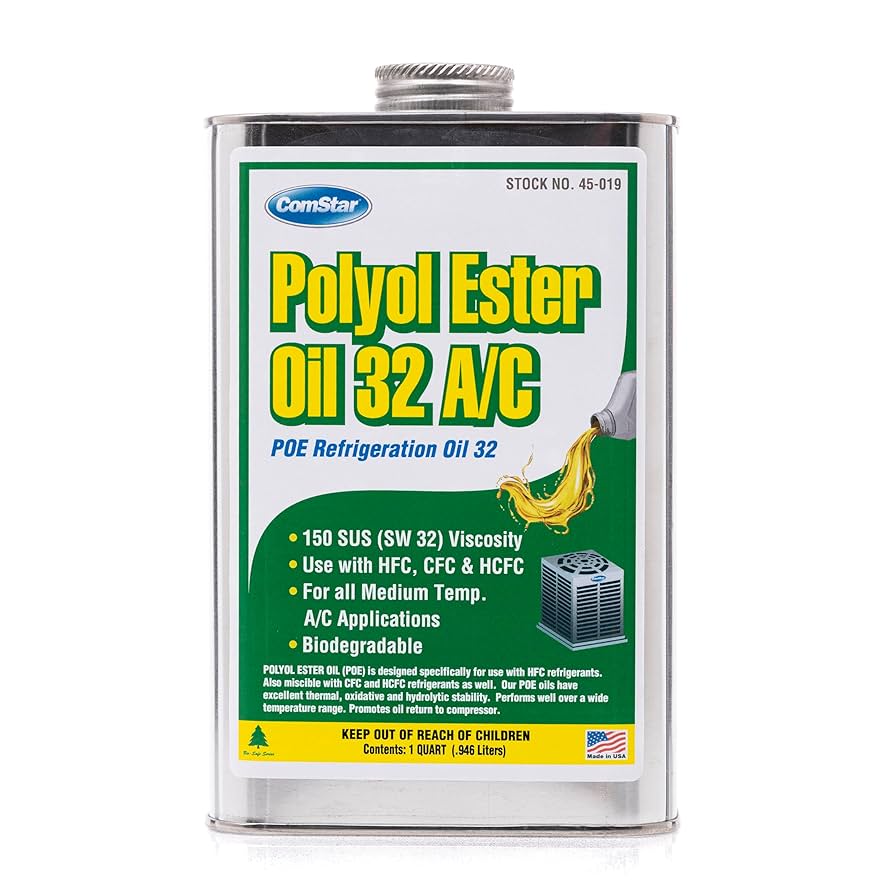
POE oils are the most common choice for HFC refrigeration systems. They have excellent miscibility with HFC refrigerants, ensuring proper lubrication and efficient heat transfer.
One key advantage of POE oils is their ability to absorb moisture, which helps prevent corrosion inside the system. If you want a balance of performance and reliability, POE oils should be your go-to option.
Polyalkylene Glycol (pag) Oils
PAG oils offer high thermal stability and are often used in specialized applications, especially in automotive air conditioning with HFCs. They have strong miscibility with HFC refrigerants but can be more sensitive to moisture compared to POE oils.
Before choosing PAG oils, consider your system’s design and operating conditions carefully. They provide excellent lubrication, but their compatibility with certain materials in your system can vary.

Credit: www.gz-supplies.com
Factors Influencing Oil Selection
Selecting the right oil for HFC refrigeration systems depends on several key factors. These factors ensure system efficiency, reliability, and longevity. Choosing oil without considering these can cause performance issues and damage.
Understanding these factors helps in picking the best oil for HFC refrigerants. Each factor plays a vital role in how well the oil works with the refrigeration system.
Compatibility With Refrigerants
The oil must mix well with HFC refrigerants. Poor compatibility causes oil separation and reduces lubrication. It also leads to system blockages and low efficiency. Oils like polyol ester (POE) are often chosen for their excellent compatibility with HFC refrigerants.
Lubrication Efficiency
Oil needs to lubricate moving parts inside compressors effectively. Good lubrication reduces wear and extends compressor life. The oil’s viscosity affects how well it flows and protects parts. Oils must maintain proper viscosity under all operating temperatures.
Thermal Stability
Oils face high temperatures in refrigeration systems. Thermal stability means the oil resists breaking down or thickening at these temperatures. Stable oil helps maintain system performance and prevents sludge formation. Unstable oils can cause compressor damage and frequent maintenance.
Moisture Absorption
Moisture in the system leads to corrosion and ice formation. Oils differ in how much moisture they absorb. Low moisture absorption oils help protect the system from damage. Proper oil choice reduces the risk of moisture-related failures.
Top Oil Choices For Hfc Refrigerants
Choosing the right oil for HFC refrigeration systems is crucial for efficiency and longevity. The oil must be compatible with the refrigerant and perform well under operating conditions. Here’s a clear look at the top oil options for HFC refrigerants and when to use each.
Poe Oils For R-134a
Polyolester (POE) oils are the most common choice for R-134a refrigerants. They mix well with HFC refrigerants, ensuring proper lubrication and system performance. You’ll find POE oils in most modern automotive and commercial refrigeration systems using R-134a.
POE oils handle high temperatures and pressures effectively. Their chemical stability prevents breakdown inside the compressor. If you’ve worked with R-134a systems, you likely noticed that POE oils also absorb moisture, which means you need to control humidity carefully during servicing.
Pag Oils In Specific Applications
Polyalkylene Glycol (PAG) oils are less common but valuable in certain situations, especially in automotive air conditioning systems. PAG oils offer excellent lubrication and thermal stability but are typically used only where the system design calls for them.
They do not mix as well with some HFC refrigerants compared to POE oils, which can affect performance. However, when your system specifies PAG oil, especially in retrofit cases or particular compressor designs, using it ensures optimal operation.
Mineral Oils In Legacy Systems
Mineral oils were widely used before HFC refrigerants became popular. They are still found in older refrigeration systems that use CFC or HCFC refrigerants. If you’re servicing these legacy systems, sticking with mineral oils is essential to maintain compatibility.
Mineral oils do not mix well with HFC refrigerants, so switching oils without a full system flush can cause problems. Have you ever encountered a system failure due to incorrect oil choice? This is a common risk when upgrading old systems to newer refrigerants without proper oil change procedures.

Credit: www.amazon.in
Performance And Reliability Considerations
Choosing the right oil for HFC refrigeration systems is not just about compatibility; it’s about ensuring your system performs efficiently and lasts longer. Performance and reliability hinge on several factors, including how well the oil circulates, its effect on compressor health, and how it withstands the rigors of operation over time. Understanding these considerations helps you make smarter decisions for your refrigeration setup.
Oil Return And System Design
Efficient oil return is crucial for maintaining system balance and preventing compressor damage. If oil doesn’t circulate back properly, it can pool in low points or get trapped in the evaporator, leading to lubrication failure.
Your system design greatly impacts oil return. For example, horizontal suction lines with proper slope encourage oil flow, while long piping runs may require oil separators or injection points.
Have you checked if your current setup supports smooth oil return? Small design tweaks can prevent costly downtime and improve overall reliability.
Impact On Compressor Life
The oil used directly affects compressor longevity. Oils with good miscibility and thermal stability reduce wear and tear by maintaining proper lubrication even under high temperatures.
Using the wrong oil can cause varnish buildup, increased friction, and eventual compressor failure. Synthetic polyol ester (POE) oils are commonly preferred with HFC refrigerants for their excellent performance.
Think about the last time you replaced compressor oil—did it extend the equipment’s life, or was it just a quick fix? Choosing the right oil is a preventive step, not just a reactive one.
Oil Degradation And Maintenance
Over time, oil in HFC systems degrades due to heat, moisture, and chemical reactions. This degradation can reduce lubrication quality and cause system inefficiencies.
Regular oil analysis helps detect early signs of contamination or breakdown, allowing timely maintenance. Changing oil filters and monitoring acid levels are simple yet effective practices to keep your system healthy.
Are you scheduling routine oil checks, or waiting for a failure to signal trouble? Proactive maintenance with the right oil can save you from unexpected repairs and downtime.
Emerging Trends In Refrigeration Oils
Refrigeration oils are evolving to meet new demands and challenges. The shift towards HFC refrigerants has sparked interest in new oil types. These oils must work well with HFCs and suit modern environmental standards. Trends show a clear move towards more sustainable and efficient solutions. These changes impact how refrigeration systems perform and last.
Bio-based And Synthetic Alternatives
Bio-based oils come from natural sources like plants. They offer better biodegradability than traditional oils. Synthetic oils are man-made and designed for specific uses. Both types show promise in HFC refrigeration systems. They often provide better thermal stability and lower wear. These oils can improve system efficiency and reduce environmental harm.
Environmental Regulations Impact
New laws limit harmful emissions and waste. These rules push manufacturers to choose safer oils. Oils must now meet strict standards on toxicity and biodegradability. Compliance helps reduce pollution and protect ecosystems. These regulations shape the future of refrigeration oil development. Companies must adapt quickly to stay compliant and competitive.
Future Compatibility Challenges
HFC refrigerants continue to evolve, affecting oil needs. Oils must stay compatible with new refrigerant blends. There is a risk of oil-refrigerant mixing problems. System reliability depends on matching the right oil type. Research aims to solve compatibility and efficiency issues. Future oils will need to balance performance with environmental care.
Frequently Asked Questions
What Type Of Oil Is Used With Most Hfc Refrigeration?
Polyol ester (POE) oil is commonly used with HFC refrigerants. It offers excellent lubrication and compatibility with HFC systems, ensuring optimal performance and reliability in refrigeration applications.
Why Is Poe Oil Preferred In Hfc Refrigeration Systems?
POE oil dissolves well in HFC refrigerants and resists high temperatures. It helps maintain system efficiency and prevents compressor wear, making it ideal for modern refrigeration units using HFCs.
Can Mineral Oil Be Used With Hfc Refrigerants?
Mineral oil is generally incompatible with HFC refrigerants. It does not mix well and can cause poor lubrication, leading to compressor failure. Therefore, synthetic oils like POE are recommended for HFC systems.
How Does Oil Choice Affect Hfc Refrigeration Performance?
The right oil improves lubrication, heat transfer, and system longevity. Using compatible oil like POE with HFC refrigerants ensures efficient operation and reduces maintenance costs in refrigeration systems.
Conclusion
Choosing the right oil for HFC refrigeration is key to system success. POE oils are the most common and work well with HFC refrigerants. They offer good lubrication and help protect the compressor. Using the correct oil keeps machines running longer and saves money.
Always check compatibility before changing oils. This helps avoid damage and costly repairs. Understanding oil types makes refrigeration easier and more efficient. Keep your system healthy with the right oil choice. Simple steps lead to better cooling and fewer problems.