
Have you ever found yourself wondering about the little details that seem so trivial, yet could make a world of difference? Take amoxicillin, for instance.
It’s a common antibiotic that many of us have used at some point. But what happens if you don’t refrigerate it? You might be surprised to learn that storing this medication improperly could impact its effectiveness and your recovery. This isn’t just about following instructions; it’s about ensuring your health and well-being.
Stick around as we delve into why refrigeration matters and what it means for you and your family. You won’t want to miss the insights that could change how you handle medications at home.
Amoxicillin Storage Basics
Proper storage of amoxicillin is essential to keep the medication effective and safe to use. If you don’t store it correctly, especially by not refrigerating when required, the medicine can lose potency and might not work as intended. Understanding the basics of amoxicillin storage helps you avoid mistakes that could impact your treatment.
Recommended Conditions
Amoxicillin capsules and tablets usually do not require refrigeration and should be kept at room temperature, between 20°C and 25°C (68°F to 77°F).
However, liquid forms of amoxicillin often need to be refrigerated to maintain their strength and prevent bacterial growth. Check the label or ask your pharmacist for specific instructions.
Always store amoxicillin in a dry place, away from direct sunlight and moisture, as these factors can degrade the medication quickly.
Common Storage Mistakes
- Leaving liquid amoxicillin out of the refrigerator when it needs cooling, which can cause it to spoil within days.
- Storing tablets or capsules in the bathroom or near the kitchen sink, where heat and humidity levels fluctuate.
- Ignoring expiration dates and using leftover amoxicillin from previous prescriptions, risking ineffective treatment.
- Transferring the medicine to unlabelled containers, leading to confusion and potential misuse.
Have you ever taken medicine that seemed less effective? It might be due to improper storage. Taking a moment to store amoxicillin correctly can make a big difference in your recovery.

Credit: www.goodrx.com
Effects Of Not Refrigerating Amoxicillin
Amoxicillin requires proper storage to maintain its effectiveness. Not refrigerating this antibiotic can cause several problems. These issues affect the medicine’s chemical makeup, strength, and look. Understanding these effects helps ensure safe and effective treatment.
Chemical Stability Impact
Amoxicillin’s chemical structure can break down without refrigeration. Heat speeds up this breakdown process. Once unstable, the medicine may not work as it should. This instability can lead to reduced healing power.
Potency Reduction
Potency means how strong the medicine is. Without cold storage, amoxicillin loses potency faster. Lower potency means less ability to fight infections. This can cause longer illness or treatment failure.
Changes In Appearance
Amoxicillin may change color or texture if not refrigerated. It might become cloudy or develop particles. Such changes indicate the medicine is no longer safe to use. Visual changes warn users to avoid taking it.
Health Risks Of Improper Storage
Storing amoxicillin correctly is crucial for your health and recovery. If you don’t refrigerate it as required, the medication can lose its power and lead to unintended health issues. Understanding these risks can help you avoid complications and ensure your treatment works as intended.
Reduced Treatment Effectiveness
Amoxicillin that is not refrigerated can degrade faster. This means the antibiotic may not work as well in fighting the infection. You might feel worse or notice no improvement because the medicine isn’t strong enough.
Have you ever taken a medicine that didn’t seem to help? Improper storage could be why. Taking weakened amoxicillin is like giving your infection a chance to survive.
Potential Side Effects
Using amoxicillin that has gone bad can cause unexpected side effects. You might experience stomach upset, rashes, or allergic reactions. These symptoms may not happen with properly stored medicine.
It’s easy to ignore mild side effects, but they could signal that your medicine isn’t safe to use anymore. Always check if your amoxicillin has been kept at the right temperature before taking it.
Risk Of Antibiotic Resistance
One of the biggest dangers is antibiotic resistance. Taking less effective amoxicillin can allow bacteria to survive and become stronger. This makes future infections harder to treat.
Think about this: Are you risking your health and making bacteria tougher just to save a few minutes of refrigeration? Proper storage helps protect not only you but also the community from resistant bacteria.
Credit: www.goodrx.com
How To Identify Spoiled Amoxicillin
Knowing how to identify spoiled amoxicillin is important. This medicine can lose its strength if stored incorrectly. Taking spoiled amoxicillin might not treat infections well. It can also cause unexpected side effects. Recognizing signs of spoilage helps you avoid these risks. Here are clear ways to spot if amoxicillin is no longer safe to use.
Visual Signs
- Look for changes in color. Amoxicillin should be white or off-white.
- Check for clumps or chunks in the liquid form.
- Notice if the powder looks darker or has spots.
- Observe any separation or layering in the suspension.
- Examine the bottle for damage or leaks that might affect quality.
Smell And Texture Changes
- Smell the medicine. Spoiled amoxicillin may have a sour or unusual odor.
- Feel the texture. It should be smooth and consistent.
- Grainy or sticky textures can mean spoilage.
- Any change in smell or texture suggests the medicine is unsafe.
Safe Handling And Disposal
Handling and disposing of amoxicillin safely is crucial, especially if you’ve accidentally left it unrefrigerated. Improper storage can reduce its effectiveness, and throwing it away carelessly can harm the environment or others. Knowing how to store and dispose of it correctly protects both your health and the community.
Proper Storage Tips
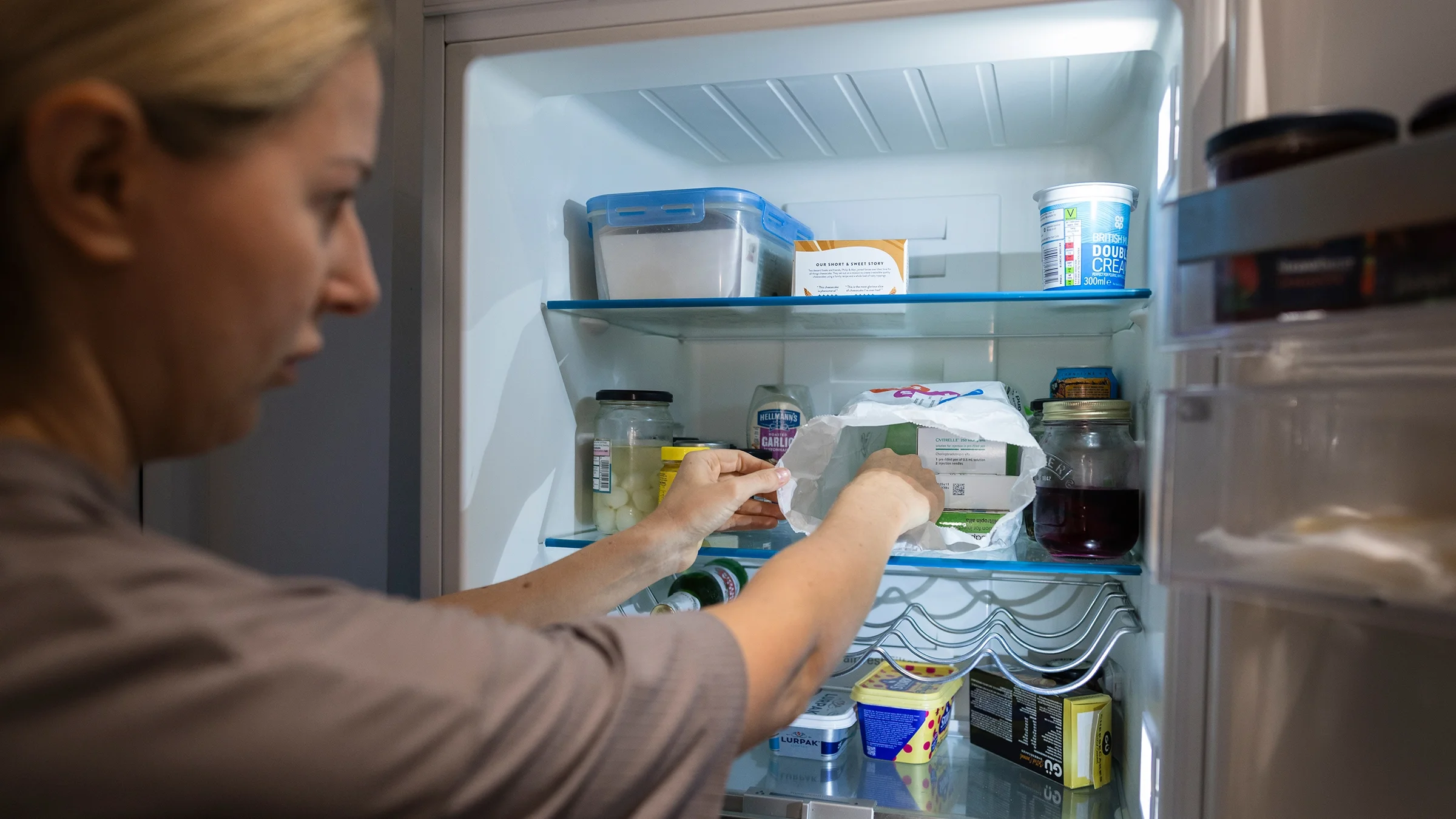
Amoxicillin should be kept in the refrigerator if the label indicates it, usually between 2°C and 8°C (36°F and 46°F). Avoid storing it in places exposed to heat, moisture, or direct sunlight, like the bathroom or kitchen counter.
If you forget to refrigerate it for a short time—say a few hours—check the medication’s consistency and smell before using it. If it looks or smells unusual, don’t take the risk. Always keep the bottle tightly closed and away from children and pets.
Disposing Expired Or Spoiled Medication
Throwing away expired or spoiled amoxicillin requires care. Don’t flush it down the toilet or pour it down the drain, as this can contaminate water sources.
Instead, use a drug take-back program if available in your area. Pharmacies often offer safe disposal options. If these aren’t accessible, mix the medicine with an undesirable substance like coffee grounds or cat litter, place it in a sealed plastic bag, and throw it in the trash.
Have you ever wondered how many unused antibiotics end up in landfills, potentially causing harm? By disposing of your medication properly, you’re stopping that chain and protecting the environment.
When To Contact A Healthcare Provider
Knowing when to contact your healthcare provider after not refrigerating amoxicillin is crucial. The medication might lose its effectiveness or cause unexpected reactions. Staying alert to specific signs can help you avoid complications and ensure your treatment is on track.
Signs Of Treatment Failure
If you notice your symptoms are not improving or are getting worse, it could mean the amoxicillin isn’t working properly. Persistent fever, increased pain, or swelling might be red flags. Sometimes, the infection can spread or worsen if the antibiotic has degraded due to improper storage.
Ask yourself: Are you still feeling sick after several days of taking the medicine? If yes, this is a clear sign to reach out to your healthcare provider. They may need to adjust your treatment or prescribe a new medication.
Adverse Reactions To Watch For
Improperly stored amoxicillin can sometimes cause unusual side effects. Look out for rashes, itching, or swelling, especially around the face or throat. These could indicate an allergic reaction that needs immediate attention.
Other symptoms like nausea, vomiting, or diarrhea might also arise and should not be ignored. If you experience any of these or feel suddenly unwell, contact your doctor right away. Your safety depends on timely action.

Credit: www.goodrx.com
Frequently Asked Questions
What Happens If Amoxicillin Isn’t Refrigerated?
If amoxicillin isn’t refrigerated, it may lose potency faster. This reduces its effectiveness in treating infections. Always follow storage instructions to ensure proper medication performance.
Can Unrefrigerated Amoxicillin Cause Side Effects?
Unrefrigerated amoxicillin doesn’t cause new side effects but may be less effective. Ineffective treatment can prolong illness or lead to resistance.
How Long Can Amoxicillin Stay Unrefrigerated?
Amoxicillin can stay unrefrigerated for up to 14 days, depending on the form. However, refrigeration is recommended to maintain strength and safety.
Does Improper Storage Affect Amoxicillin’s Taste?
Yes, improper storage can change amoxicillin’s taste, making it bitter or unpleasant. This may discourage patients, especially children, from completing the course.
Conclusion
Not refrigerating amoxicillin can reduce its strength. This may cause the medicine to work less well. Taking weak medicine might not clear infections fully. It can also increase the chance of bacteria becoming resistant. Always store amoxicillin as the label says.
Keep it away from heat and light. Proper storage helps the medicine stay safe and effective. Remember, using medicine correctly supports faster healing. Don’t risk your health by ignoring storage rules. Simple steps keep amoxicillin strong and ready to fight infection.