Have you ever wondered how scientists and engineers measure the absence of air or any other gases? Welcome to the intriguing world of vacuum measurement.
Understanding what vacuum is measured in might seem complicated, but it doesn’t have to be. If you’ve ever been curious about the science behind vacuums or how vacuum cleaners do their magic, you’re in the right place. By the end of this article, you’ll have a clear understanding of the units used to measure vacuums and why they matter in both everyday life and advanced scientific research.
Stay with us as we unravel this fascinating topic that might just change the way you think about the air around you.
Credit: www.welchvacuum.com
Common Vacuum Units
Vacuum measurement uses several common units. These units help describe the pressure below atmospheric level. Each unit has its specific use and application. Understanding these units makes it easier to read and compare vacuum levels.
Pascal And Its Variants
The pascal (Pa) is the standard unit of pressure in the metric system. It measures force per square meter. Scientists and engineers often use kilopascal (kPa) and millipascal (mPa) for different scales. Pascal is widely used in scientific research and industrial settings.
Torr And Millimeter Of Mercury
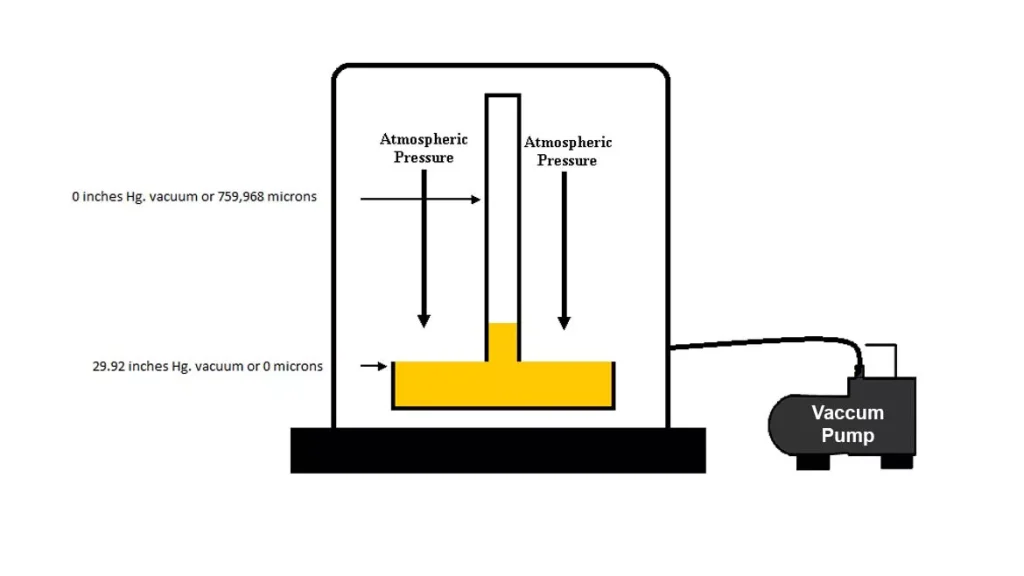
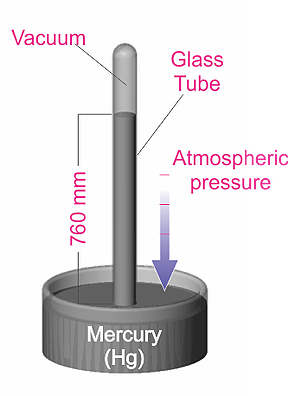
Torr is based on the pressure exerted by a column of mercury. One torr equals one millimeter of mercury (mmHg). These units are common in vacuum technology and medical fields. Torr and mmHg are almost the same and often used interchangeably.
Atmospheres And Bar
Atmosphere (atm) measures pressure relative to Earth’s air pressure at sea level. One atmosphere equals 101,325 pascals. Bar is similar but slightly different, with one bar equal to 100,000 pascals. Both units are useful in industrial vacuum and weather-related measurements.
Inches And Microns Of Mercury
Inches of mercury (inHg) is a unit mostly used in the United States. It measures vacuum pressure by the height of mercury in inches. Microns (µm) measure very low pressures, often in high vacuum systems. One micron equals one-thousandth of a millimeter of mercury.
Credit: info.teledyne-hi.com
How Vacuum Units Relate
Understanding how vacuum units relate is essential for accurately measuring and comparing vacuum levels. Different industries and applications use various units, which can sometimes cause confusion. Getting comfortable with these relationships helps you interpret readings correctly and communicate your results clearly.
Converting Between Units
Vacuum pressure is measured in several units, such as torr, pascal (Pa), inches of mercury (inHg), and millibar (mbar). Knowing how to convert between them can save you time and prevent mistakes.
- 1 torr is equal to 133.322 pascals.
- 1 inch of mercury (inHg) corresponds to about 3,386 pascals.
- 1 millibar equals 100 pascals.
Imagine you’re working with equipment calibrated in torr, but your data sheet uses pascals. Instead of guessing, you can use these conversions to ensure accuracy.
Using Unit Prefixes
Unit prefixes like milli-, micro-, and kilo- help describe vacuum levels more precisely. For example, a millibar (mbar) is one-thousandth of a bar, which is close to atmospheric pressure.
- Millitorr (mTorr) = 0.001 torr
- Micropascal (µPa) = 0.000001 pascal
- Kilopascal (kPa) = 1,000 pascals
Using these prefixes can make numbers easier to handle and compare. Have you noticed how smaller vacuums are often expressed with micro or milli units? That’s because vacuum pressures can span a huge range, from near atmospheric to extremely low.
Standard Atmospheric Pressure
Standard atmospheric pressure is often the reference point for vacuum measurements. It equals 101,325 pascals or 760 torr at sea level.
Vacuum is essentially the pressure below this standard. So, when you see a vacuum reading, it indicates how much lower the pressure is compared to the atmosphere around you.
Think about it: if you’re measuring vacuum in a lab at a high altitude, atmospheric pressure changes. This can affect your vacuum readings unless you adjust for the local standard pressure.
Applications Of Vacuum Measurement
Vacuum measurement plays a crucial role across various fields, impacting how processes and technologies perform. Knowing the exact vacuum level can determine the quality, safety, and efficiency of numerous operations. Understanding where and how vacuum measurement is applied might surprise you and could even change how you view everyday gadgets and industrial systems.
Industrial Uses
In industries, vacuum measurement ensures that manufacturing processes run smoothly. For example, in semiconductor production, maintaining precise vacuum levels is critical to avoid contamination and defects. You might not realize that vacuum gauges are key in packaging food to keep it fresh by removing air.
Vacuum is also essential in coating technologies, like applying thin films on glass or metal surfaces. Monitoring vacuum helps avoid costly errors and improves product durability. Have you ever wondered how large glass panels get their reflective coatings without smudges? Vacuum measurement is part of that answer.
Scientific Research
Research labs rely on vacuum measurement to create controlled environments. Whether studying particle physics or conducting chemical reactions, the right vacuum level can affect results significantly. If you’ve ever seen images from a scanning electron microscope, vacuum measurement was critical to capturing those detailed shots.
Vacuum also helps in cryogenics and space simulations, where replicating outer space conditions is necessary. Researchers adjust vacuum to mimic low-pressure environments for experiments. How would your experiments change if you could perfectly control the air pressure around your samples?
Everyday Technology
Vacuum measurement isn’t just for labs and factories—it’s part of many devices you use daily. Household vacuum cleaners depend on measuring airflow and pressure to optimize suction power. Even coffee machines use vacuum pressure to brew espresso, affecting taste and quality.
Car engines and air conditioning systems use vacuum sensors to improve fuel efficiency and comfort. Next time you enjoy a smooth ride or a fresh cup of coffee, consider how vacuum measurement quietly works behind the scenes. Could understanding this enhance how you maintain your appliances?
Credit: www.terrauniversal.com
Tools For Measuring Vacuum
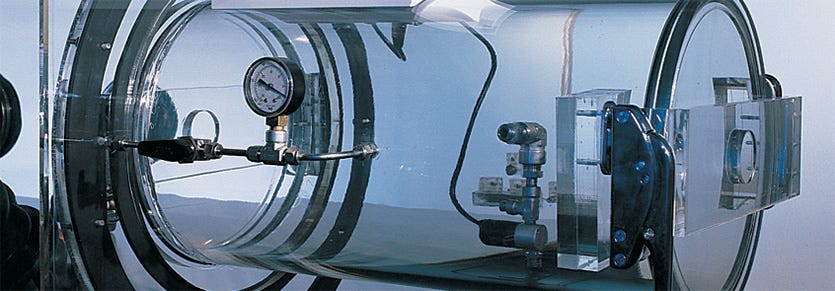
Measuring vacuum accurately is crucial in many fields, from scientific research to industrial applications. The tools you choose determine how precise and reliable your readings will be. Understanding the main types of vacuum measuring tools helps you make better decisions for your specific needs.
Mechanical Gauges
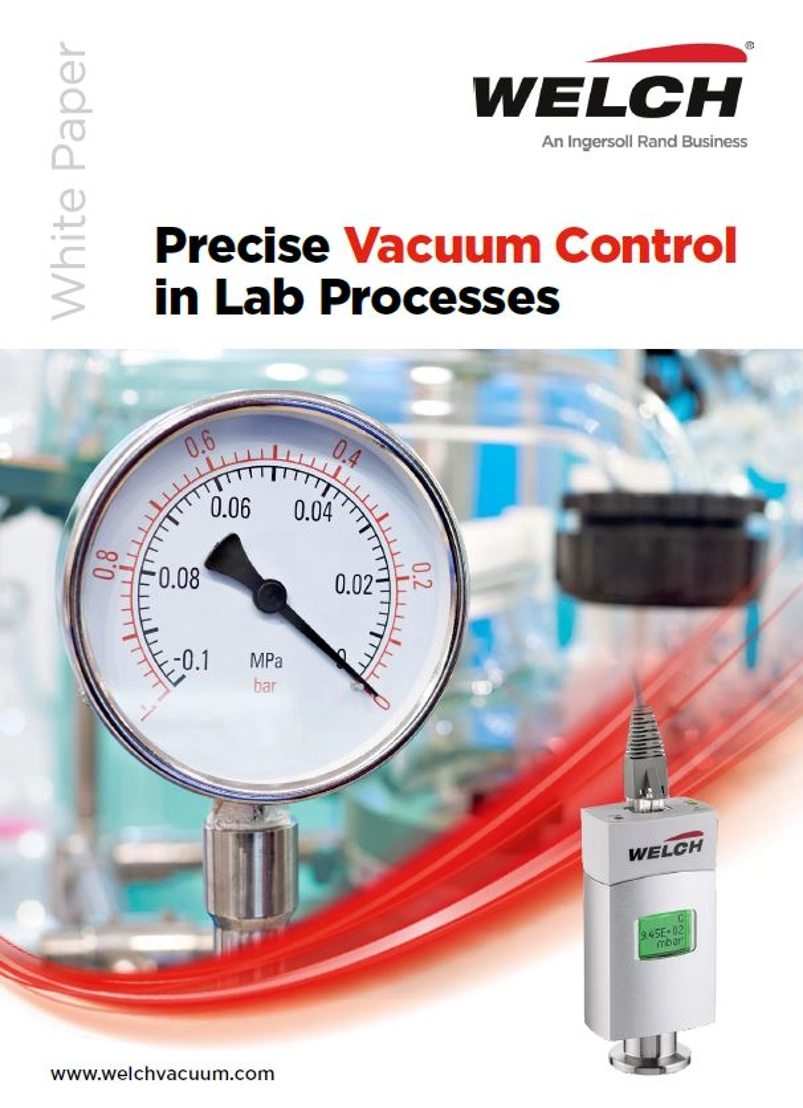
Mechanical gauges are among the oldest and simplest tools for measuring vacuum. They often use a spring or a diaphragm that moves in response to pressure changes, giving you a direct reading on a dial.
These gauges are great for rough or moderate vacuum levels and don’t require power to operate. They are durable and easy to read, making them ideal for quick checks or environments where electronic devices might fail.
Have you noticed how mechanical gauges give you instant feedback without any setup? That’s why many technicians keep them as a reliable backup.
Electronic Sensors
Electronic sensors offer higher precision and can measure a broader range of vacuum levels. They convert pressure changes into electrical signals, which a digital display then interprets.
Common types include capacitance manometers, ionization gauges, and Pirani gauges, each suited for different vacuum ranges. These sensors often come with data logging and remote monitoring options, perfect for detailed analysis.
Imagine being able to monitor vacuum levels continuously and get alerts if they drop unexpectedly. This capability can save you from costly downtime or equipment damage.
Choosing The Right Gauge
Which gauge fits your project depends on several factors: the vacuum range, accuracy needed, and environment conditions. Mechanical gauges suit lower accuracy and rough environments, while electronic sensors excel in precision and complex systems.
Budget also plays a role; mechanical gauges are generally more affordable, but investing in electronic sensors can pay off with better data and control. Consider maintenance and calibration needs too.
Ask yourself: Do you need simple, immediate readings, or detailed, continuous monitoring? Your answer will guide you to the right vacuum measurement tool.
Frequently Asked Questions
What Units Are Used To Measure Vacuum?
Vacuum is commonly measured in units like pascals (Pa), torr, millimeters of mercury (mmHg), and inches of mercury (inHg). These units quantify pressure below atmospheric levels, helping to gauge the strength of a vacuum accurately.
How Is Vacuum Pressure Different From Atmospheric Pressure?
Vacuum pressure measures pressure below atmospheric pressure. Atmospheric pressure is the standard air pressure around us. Vacuum pressure indicates how much less the pressure is compared to atmospheric conditions.
Why Use Torr Or Mmhg For Vacuum Measurement?
Torr and mmHg are traditional units linked to mercury barometers. They provide precise readings for low-pressure environments and are widely used in scientific and industrial vacuum applications.
Can Vacuum Be Measured In Psi?
Yes, vacuum can be expressed in pounds per square inch (psi), usually as negative gauge pressure. It shows how much below atmospheric pressure the vacuum is.
Conclusion
Vacuum is measured using different units, such as pascals and torr. These units show how much air or gas pressure is removed. Understanding vacuum units helps in many fields, like science and industry. It makes it easier to compare and work with vacuum systems.
Remember, knowing the right unit improves communication and accuracy. Always check which unit fits your needs best. This knowledge makes working with vacuum clearer and simpler.