Have you ever found yourself in the middle of a nighttime feed, questioning whether that bottle of warmed breast milk can go back in the refrigerator? You’re not alone.
As a parent, you want to ensure your baby is getting the safest and most nutritious food possible. But with so many dos and don’ts about breast milk storage, it’s easy to feel overwhelmed. In this blog, we’ll tackle this common concern head-on, giving you peace of mind and empowering you with the knowledge you need.
Stick around, because the answers might surprise you and make those late-night feedings a little less stressful.

Credit: www.reddit.com
Safe Storage Times
Safe storage times for breast milk ensure your baby gets fresh and healthy milk. Knowing how long milk stays good helps prevent waste and illness. Fresh milk and warmed milk need different handling and storage times. Proper refrigeration keeps milk safe but only for a limited period.
Fresh Vs. Warmed Milk
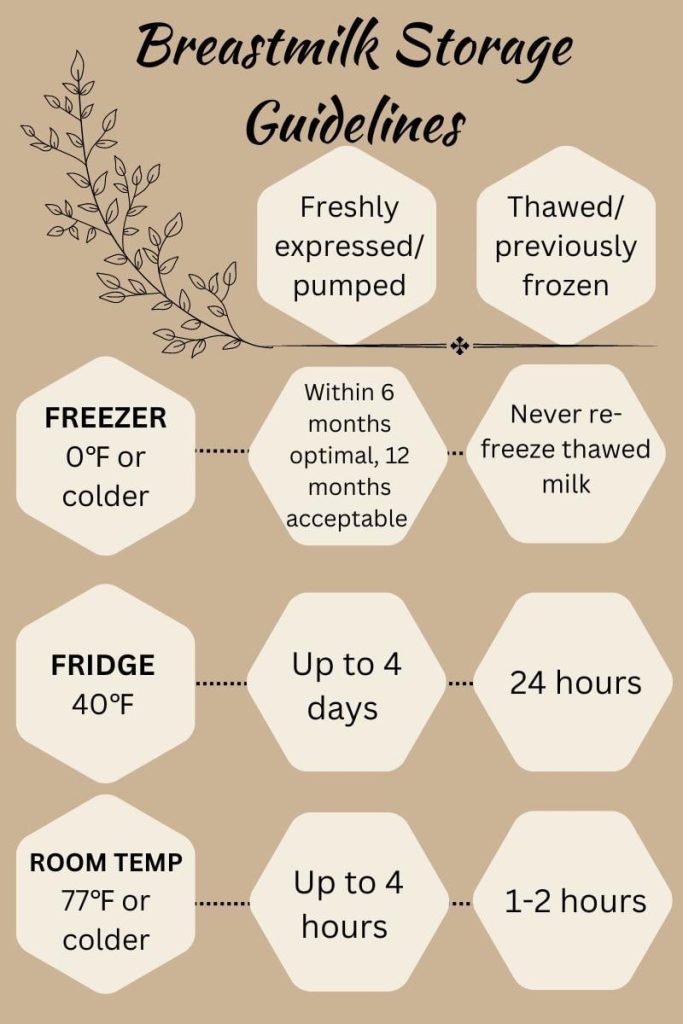
Fresh breast milk can stay in the refrigerator for up to 4 days. It keeps all its nutrients and protects your baby well. Once milk is warmed, bacteria can start to grow faster. Warmed milk should be used within 2 hours. You should never put warmed milk back in the fridge for later use.
Refrigeration Guidelines
- Store fresh breast milk at 4°C (39°F) or below.
- Use freshly expressed milk within 4 days.
- After warming, use milk within 2 hours.
- Do not refreeze or refrigerate warmed milk again.
- Always label milk with the date and time.

Credit: www.breastfeedingnetwork.org.uk
Risks Of Re-refrigerating
Putting warmed breast milk back in the refrigerator might seem convenient, but it carries some risks you should know about. The process can encourage bacterial growth and affect the milk’s quality, which could impact your baby’s health and feeding experience. Understanding these risks helps you make safer choices for storing and using breast milk.
Bacterial Growth Concerns
Once breast milk is warmed, any bacteria present can multiply quickly if you put it back in the fridge. This can happen even if the milk was initially stored correctly. Warming creates an environment that encourages bacteria to grow, which might not be entirely stopped by re-cooling.
Think about this: have you noticed milk smelling or tasting off after reheating? This could be a sign of bacterial activity. For your baby’s safety, it’s best to avoid re-refrigerating warmed milk to minimize the risk of illness.
Impact On Milk Quality
Re-refrigerating warmed breast milk can also degrade its nutritional and immunological properties. The delicate proteins and antibodies that protect your baby can break down with repeated temperature changes. This means your baby might miss out on some of the milk’s natural benefits.
You might have observed changes in texture or separation after reheating and cooling again. These changes don’t just affect appearance—they reflect a loss in milk quality. Keeping breast milk’s integrity intact is crucial for your baby’s growth and immunity.
Best Practices For Handling
Handling breast milk safely is key to keeping your baby healthy. Proper care during warming and storage helps preserve nutrients and prevents bacteria growth. Follow clear steps to warm and store breast milk safely.
Warming Techniques
- Use warm water to gently heat the milk. Avoid microwaves.
- Place the milk container in a bowl of warm water for a few minutes.
- Swirl the milk gently to mix the fat that may have separated.
- Test the milk temperature on your wrist before feeding.
- Use warmed milk within two hours for best safety.
Storage Tips After Warming
- Do not refreeze or refrigerate milk once it is warmed.
- Discard any milk left over after feeding to avoid bacteria.
- Keep milk in a clean, sealed container during storage.
- Label milk with date and time before warming for tracking.
- Store milk in the back of the fridge, where it is coldest.

Credit: www.reddit.com
Signs Of Spoiled Milk
Knowing the signs of spoiled breast milk is crucial for your baby’s health and safety. Spoiled milk can cause digestive issues or infections, so it’s important to recognize the warning signs early. Let’s look at how you can tell if warmed breast milk has gone bad.
Smell And Appearance
Trust your nose—spoiled breast milk often has a sour or rancid smell, quite different from its usual mild, sweet scent. If the milk smells off or unpleasant, it’s a clear indicator that it’s no longer safe to use.
Look closely at the milk’s texture and color. Fresh milk is usually creamy white or slightly yellowish. If you notice clumps, curdling, or an unusual discoloration, these are red flags that the milk has spoiled.
When To Discard
Even if the milk looks and smells fine, timing matters. Once breast milk has been warmed, it should not be put back in the fridge for later use. Warming accelerates bacterial growth, making refrigeration ineffective for preserving it again.
Ask yourself: Has the milk been sitting out for more than two hours after warming? If yes, it’s best to discard it. When in doubt, throw it out—your baby’s health is worth the extra caution.
Expert Recommendations
Experts agree that handling warmed breast milk requires caution to keep your baby safe and healthy. Understanding trusted guidelines helps you make the best decisions when storing and using breast milk. Let’s look at what pediatricians and health organizations recommend.
Pediatric Guidelines
Pediatricians often advise not to put warmed breast milk back into the refrigerator. Once milk is warmed, bacteria can start growing quickly, even if it looks fine.
They suggest using warmed milk within 1 to 2 hours. If your baby doesn’t finish it, it’s safer to discard the leftovers rather than refrigerate them again.
Think about how you handle leftovers at home—once food is warmed, it’s best eaten right away. Breast milk is even more sensitive, so extra care is needed.
Health Organization Advice
The Centers for Disease Control and Prevention (CDC) and the World Health Organization (WHO) both recommend against re-refrigerating warmed breast milk. Their advice aims to reduce the risk of contamination and ensure the milk stays fresh and safe.
They encourage warming only the amount your baby will consume and using it promptly. If your baby doesn’t finish the milk, they suggest discarding it instead of saving it for later.
Are you warming more milk than your baby drinks? Try warming smaller portions to minimize waste and follow these expert tips to keep feeding safe and worry-free.
Frequently Asked Questions
Can You Refrigerate Breast Milk After Warming?
No, once breast milk is warmed, it should be used immediately. Refrigerating warmed milk can increase bacterial growth and spoilage. It’s safest to discard any leftover milk that has been warmed but not consumed.
How Long Can Warmed Breast Milk Stay In The Fridge?
Warmed breast milk should not be returned to the fridge. It must be used within 2 hours after warming. Storing it longer increases the risk of bacterial contamination and may harm your baby.
Is It Safe To Reheat Breast Milk Multiple Times?
No, reheating breast milk multiple times is unsafe. Each warming increases bacteria risk and decreases milk quality. Warm only the amount your baby will finish in one feeding.
What Is The Best Way To Store Breast Milk Safely?
Store breast milk in clean, airtight containers. Keep it in the back of the fridge or freezer for optimal freshness. Label with date and use older milk first to ensure safety.
Conclusion
Warmed breast milk should not go back into the refrigerator. Bacteria can grow quickly in milk once warmed. This can make the milk unsafe for your baby. Use only what your baby needs at one time. Store milk in clean containers and follow safety guidelines.
Always keep your baby’s health as the top priority. Safe milk handling helps keep your baby strong. Remember, fresh is best for your little one. Stay informed and care for your baby with confidence.