Is your refrigerator collecting more moisture than your morning coffee mug? If you’ve ever opened your fridge only to find it dripping with condensation, you’re not alone.
This common issue can be puzzling and annoying, especially when it starts affecting the freshness of your food. But what exactly causes this unwanted moisture build-up? We’ll uncover the simple yet surprising reasons behind condensation in your refrigerator. By understanding these causes, you’ll be better equipped to keep your appliance running smoothly and your food fresh.
Stick around to discover how a few tweaks can make a big difference in maintaining an efficient, dry fridge. Your journey to a condensation-free refrigerator starts here!

Credit: www.reddit.com
How Condensation Forms Inside Refrigerators
Condensation inside your refrigerator can be frustrating and puzzling. Understanding how it forms can help you prevent moisture buildup and keep your fridge running smoothly. Let’s explore the science behind this common problem and what triggers water droplets to appear inside your fridge.
What Is Condensation?
Condensation happens when warm, moist air comes into contact with a cold surface. The moisture in the air cools down and turns into water droplets. Inside a refrigerator, this cold surface is usually the walls or shelves.
How Warm Air Enters Your Fridge
Every time you open the fridge door, warm air sneaks inside. This air carries moisture, and once inside, it meets the cold environment. That moisture then turns into condensation on the fridge’s cold surfaces.
Why Temperature Fluctuations Matter
Frequent temperature changes inside your fridge cause condensation to form more often. If the fridge’s thermostat isn’t stable or the door seal is weak, warm air cycles in and out repeatedly. This leads to more moisture buildup.
The Role Of Food Temperature And Packaging
Putting hot or warm food directly into the fridge increases humidity inside. Also, uncovered or loosely covered items release moisture into the air. Using airtight containers can help reduce this effect.
How Your Refrigerator’s Design Affects Condensation
Some fridge models have better insulation and ventilation systems that limit condensation. Poor airflow inside the fridge can cause cold spots where moisture collects. Make sure vents are not blocked by food items.
Credit: homewarranty.firstam.com
Impact Of Temperature Differences
Temperature differences play a key role in causing condensation inside a refrigerator. When warm air meets cold surfaces, moisture in the air turns into water droplets. This process creates the familiar fog or wetness seen on fridge walls or shelves.
Understanding how temperature changes affect condensation helps explain why it occurs more often in some situations. It also shows how to reduce moisture buildup and keep the fridge dry.
Cold Surfaces And Warm Air Interaction
Inside the refrigerator, cold surfaces cool the air near them. Warm air holds more moisture, so when it touches cold surfaces, the air cools quickly. This sudden cooling lowers the air’s ability to hold water vapor. Excess moisture turns into liquid droplets on fridge walls or food packaging.
Opening The Fridge Door
Every time the fridge door opens, warm air enters from the room. This warm air meets the cold interior and causes condensation. The longer the door stays open, the more warm air enters, increasing moisture and condensation.
Temperature Settings And Variations
Setting the fridge temperature too low can cause cold surfaces to become very cold. This can lead to more condensation when warmer air enters. Large temperature swings inside the fridge also cause moisture to form. Keeping a stable temperature helps reduce condensation buildup.
Role Of Humidity Levels
Humidity levels play a key role in causing condensation inside a refrigerator. Moisture in the air turns into water droplets when temperatures drop. This happens because cold air holds less moisture than warm air.
High humidity means more moisture in the air. When this moist air enters the fridge, it cools down quickly. The water vapor then changes to liquid, causing condensation on fridge surfaces.
How Humidity Affects Condensation
When humidity is high, there is more water vapor inside and around the fridge. This vapor condenses on cold surfaces like shelves and walls. It also collects around door seals where cold air meets warm air.
Sources Of Humidity In The Refrigerator
- Opening the fridge door often
- Storing uncovered or warm foods
- High moisture levels in the kitchen environment
Managing Humidity To Reduce Condensation
Keep the fridge door closed as much as possible. Store food in airtight containers to limit moisture release. Maintain good ventilation in the kitchen to lower overall humidity.

Credit: www.fcbios.com.my
Effect Of Door Usage And Sealing
The way you use your refrigerator door and how well it seals play a crucial role in condensation buildup. Each time the door opens, warm, moist air rushes inside, creating an environment ripe for water droplets to form. Over time, any gaps in the door’s seal only make this problem worse, allowing more moisture to sneak in.
Frequent Door Opening
Every time you open your fridge, warm air floods in and meets the cold interior surfaces. This sudden temperature change causes moisture in the air to turn into condensation. If you find water pooling inside your fridge, ask yourself how often you open the door during the day.
Try to minimize unnecessary door openings. For example, organize your fridge so you quickly grab what you need without leaving it open. This simple habit reduces the warm air entering and helps keep condensation at bay.
Faulty Door Seals
Have you checked your fridge’s door seals lately? Worn or damaged seals let warm air slip inside even when the door is closed. This constant flow of moist air dramatically increases condensation inside your fridge.
Inspect the seals for cracks, tears, or dirt buildup. Cleaning or replacing faulty seals can prevent excess moisture and save you from dealing with persistent condensation problems. Don’t overlook this small but essential part of your fridge’s efficiency.
Influence Of Food Placement And Moisture
Food placement and moisture play a big role in causing condensation inside a refrigerator. Moisture escapes from certain foods and collects on cold surfaces. This water buildup leads to damp spots and foggy fridge walls.
Properly managing how food is stored can reduce moisture levels. Avoiding open liquids and crowded shelves helps air flow better. This keeps the fridge dry and working well.
Uncovered Liquids And Foods
Open containers release water vapor into the fridge air. Soups, sauces, and drinks without lids increase moisture quickly. This vapor cools on cold surfaces, forming droplets.
Covering food tightly stops moisture from escaping. Use lids or plastic wrap to seal containers. This simple step cuts down condensation greatly.
Overcrowding Inside
Stuffing too many items blocks air circulation. Poor airflow traps moisture around foods and fridge walls. This causes dampness and frost buildup.
Leave space between items. Arrange foods so cold air moves freely. This balance reduces water buildup and keeps food fresh longer.
Malfunctions In Refrigerator Components
Malfunctions in refrigerator components can often be the hidden cause behind persistent condensation issues. When parts like the defrost system or drainage pathways don’t work properly, moisture builds up inside your fridge. This moisture then turns into condensation, creating wet spots and even frost where you don’t want it.
Defrost System Issues
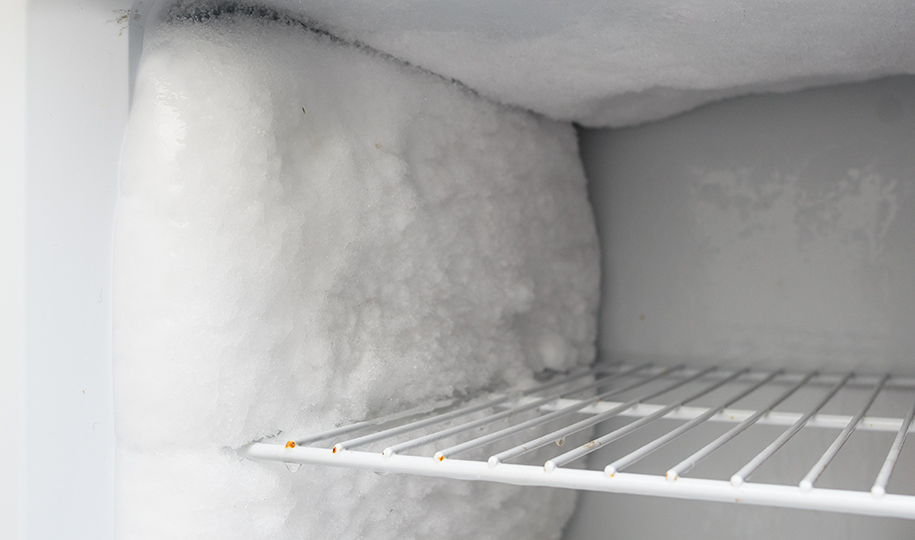
The defrost system’s job is to melt away frost buildup on the evaporator coils. If it fails, frost accumulates and blocks airflow, leading to uneven cooling and excess moisture inside your fridge. You might notice water pooling at the bottom or dripping from unexpected places.
Have you checked if your defrost heater or thermostat is working? A broken defrost timer or faulty sensor can stop the system from activating. Replacing these parts or running a manual defrost can often clear up condensation problems quickly.
Drainage Blockages
Your refrigerator has a drain hole and drip pan designed to remove excess water from inside. When this drainage system gets clogged with food debris or ice, water can’t flow out properly. This blockage causes water to collect inside, resulting in visible condensation or even leaks on your kitchen floor.
Cleaning the drain hole with a pipe cleaner or warm water can help restore proper drainage. You might be surprised how often simple blockages cause big condensation headaches. Have you ever found water pooling only to discover a clogged drain? Fixing this can save you from costly repairs and keep your fridge dry.
Preventing And Reducing Condensation
Condensation in a refrigerator can cause water buildup and spoil food. Preventing and reducing condensation keeps the fridge dry and efficient. Simple steps help control moisture inside the fridge.
Proper Temperature Settings
Set the fridge temperature between 37°F and 40°F (3°C to 4°C). This range stops excess moisture from forming. Avoid setting the fridge too cold or too warm. Too cold causes frost, too warm causes condensation.
Maintaining Door Seals
Check door seals for cracks or dirt regularly. Clean seals with warm, soapy water to keep them tight. A good seal stops warm air from entering the fridge. Replace damaged seals to prevent moisture buildup.
Managing Moisture Sources
Cover liquids and wrap foods to reduce moisture release. Store fruits and vegetables in drawers with lids. Avoid placing hot food directly inside the fridge. Use a small container of baking soda to absorb extra moisture.
Frequently Asked Questions
Why Does Condensation Form Inside My Refrigerator?
Condensation forms when warm, moist air enters the fridge and meets cold surfaces. This causes water droplets to collect, especially if the door is frequently opened or seals are damaged.
How Does Humidity Cause Refrigerator Condensation?
High humidity increases moisture levels inside the fridge. When humid air cools down, it turns into water droplets, leading to condensation on shelves and walls.
Can A Faulty Door Seal Cause Condensation?
Yes, a damaged or worn door seal lets warm air in. This raises internal moisture and causes condensation buildup inside the refrigerator.
Does Frequent Fridge Door Opening Increase Condensation?
Frequent opening lets warm, moist air inside. This air cools and condenses on cold surfaces, causing more water droplets to form inside the fridge.
Conclusion
Condensation in a refrigerator happens when warm air meets cold surfaces. This causes water droplets to form inside. Poor door seals or frequent opening lets warm air inside. High humidity in the kitchen also adds moisture. Fixing leaks and keeping the fridge closed helps a lot.
Regular cleaning prevents mold and bad smells. Understanding these causes helps keep your fridge dry and fresh. Simple steps make a big difference in avoiding condensation. Keep your food safe and your fridge working well.