As a new parent, you want to ensure your baby receives the best care possible. You might find yourself questioning every little detail, especially when it comes to feeding your child.
One common question you may have is, “Can I refrigerate breast milk after warming it up? ” Understanding the right way to handle breast milk is crucial for your baby’s health and safety. Navigating the do’s and don’ts can be overwhelming, but don’t worry—you’re not alone.
This article will provide you with the clear, straightforward answers you need. So, let’s dive into the world of breast milk storage and ensure you’re making the best choices for your little one.
Credit: www.cafeoflifesandiego.com
Breast Milk Storage Basics
Storing breast milk properly is crucial for keeping it safe and nutritious for your baby. Understanding the basics of breast milk storage helps you avoid waste and ensures your little one gets the best. Let’s look at some key points that can guide you through this process.
Safe Storage Times
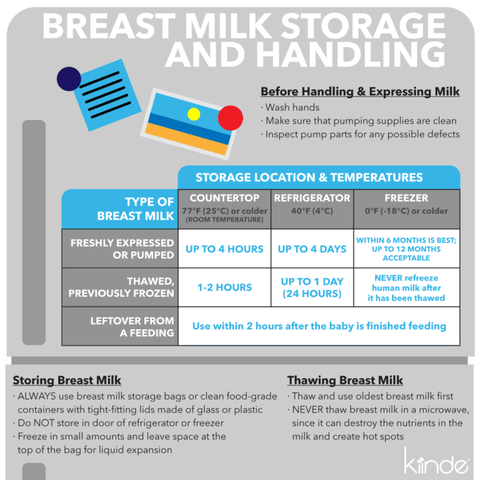
Freshly expressed breast milk can be kept in the refrigerator for up to 4 days. But once you warm it up, the clock changes. You should use warmed milk within 1 to 2 hours to prevent bacterial growth.
Have you ever wondered why reheating and refrigerating milk again isn’t recommended? It’s because each warming increases the risk of bacteria, which can harm your baby. If your baby doesn’t finish the milk within that time, it’s safer to discard the leftovers.
Ideal Containers For Milk
Choosing the right container makes a big difference in preserving breast milk quality. Use clean, BPA-free plastic bottles or glass containers with tight-fitting lids. Breast milk storage bags designed specifically for freezing and refrigeration are also a convenient option.
Make sure containers are labeled with the date of expression. This helps you use the oldest milk first and prevents confusion. Avoid regular plastic bags or containers not meant for milk storage, as they might leak or contaminate the milk.
Warming Breast Milk
Warming breast milk is an important step before feeding your baby. It helps bring the milk to a comfortable temperature. Warming also helps preserve the milk’s nutrients and taste. Proper warming ensures the milk is safe and easy for your baby to digest.
Best Warming Methods
- Place the milk bottle in a bowl of warm water for a few minutes.
- Use a bottle warmer designed for breast milk.
- Run warm water over the milk container under the tap.
Avoid using a microwave to warm breast milk. It can create hot spots and damage nutrients.
Temperature Guidelines
- Warm milk should feel lukewarm, not hot, to the touch.
- Test a few drops on your wrist before feeding.
- Ideal temperature is around body temperature, about 98.6°F (37°C).
- Never overheat breast milk, as it can lose nutrients and burn your baby’s mouth.
Refrigerating After Warming
Refrigerating breast milk after warming is a common question for many parents. Once breast milk is warmed, its quality and safety can change. Understanding how to handle it properly helps keep your baby safe and healthy. Proper storage after warming is crucial to avoid harmful bacteria growth.
Safety Concerns
Warming breast milk breaks down some natural protections. This makes milk more vulnerable to bacteria. Storing warmed milk in the fridge can increase the risk of contamination. It is safer to use warmed milk immediately. Avoid refreezing or refrigerating milk that has been warmed and partially used.
Recommended Time Limits
Once warmed, breast milk should be used within 2 hours. Do not refrigerate it again after warming. If your baby does not finish the milk, discard the leftover. Keeping warmed milk longer can cause bacteria to multiply. Always label milk with the date and time before warming.
Signs Of Spoiled Milk
Knowing the signs of spoiled breast milk is essential, especially if you’re wondering whether you can refrigerate milk after warming it up. Spoiled milk can pose health risks to your baby, so being able to identify it quickly helps you make safe feeding choices. Let’s look at how you can spot spoiled milk through simple checks.
Visual Indicators
Check the milk’s appearance carefully. Fresh breast milk usually looks smooth and slightly creamy. If you see clumps, curdling, or a watery separation that doesn’t mix back when shaken, these are clear signs the milk has gone bad.
Also, pay attention to any discoloration. Milk that turns yellowish or grayish might be spoiled. Always trust what you see—if something looks off, it’s better to discard it than risk your baby’s health.
Smell And Taste Checks
Smelling the milk is one of the quickest ways to detect spoilage. Fresh breast milk has a mild, sweet scent. If it smells sour, rancid, or like spoiled yogurt, it’s time to throw it away.
Though tasting milk might sound unusual, some parents gently check a small drop to confirm freshness. If the milk tastes sour or unpleasant, do not feed it to your baby. Your senses can be a reliable guide in keeping your baby safe.
Tips To Preserve Milk Quality
Preserving the quality of breast milk after warming is crucial for your baby’s health and nutrition. Handling it with care helps maintain its beneficial properties and prevents the growth of harmful bacteria. Let’s look at some practical tips that can help you keep the milk fresh and safe.
Avoiding Contamination
Always wash your hands thoroughly before touching breast milk or any feeding equipment. Use clean bottles and sterilized nipples to minimize the risk of germs. Avoid touching the inside of the container or lid, as even a small amount of dirt can spoil the milk.
Have you noticed how quickly milk can spoil if exposed to air or unclean surfaces? Keeping everything clean helps the milk stay fresh longer and protects your baby from illness.
Proper Thawing Techniques
Thaw frozen breast milk by placing it in the refrigerator overnight or holding the container under warm running water. Avoid using a microwave, as it can create hot spots that destroy nutrients and may burn your baby’s mouth.
Once thawed, use the milk within 24 hours and never refreeze it. This small step can prevent bacteria growth and keep the milk safe for your little one.

Credit: www.breastfeedingnetwork.org.uk

Credit: greensafaris.com
Frequently Asked Questions
Can I Refrigerate Breast Milk After Warming It?
No, once breast milk is warmed, it should not be refrigerated again. Bacteria can grow quickly in warmed milk, increasing risk of contamination.
How Long Can Warmed Breast Milk Stay Out?
Warmed breast milk should be used within two hours. After this, it should be discarded to ensure your baby’s safety.
Is It Safe To Reheat Breast Milk Multiple Times?
No, reheating breast milk multiple times is unsafe. It can degrade nutrients and increase the risk of bacterial growth.
What Is The Best Way To Warm Breast Milk?
Warm breast milk gently using a bowl of warm water or a bottle warmer. Avoid microwaving to preserve nutrients.
Conclusion
Refrigerating breast milk after warming is not safe. Bacteria can grow quickly in warmed milk. Use warmed milk within two hours or throw it away. Always store breast milk properly before warming. This keeps your baby healthy and safe. Remember, fresh milk is best for your child.
Follow these tips to avoid risks. Keep your baby’s feeding routine safe and simple. Trust your instincts and prioritize clean handling. Your baby deserves the best care every time.