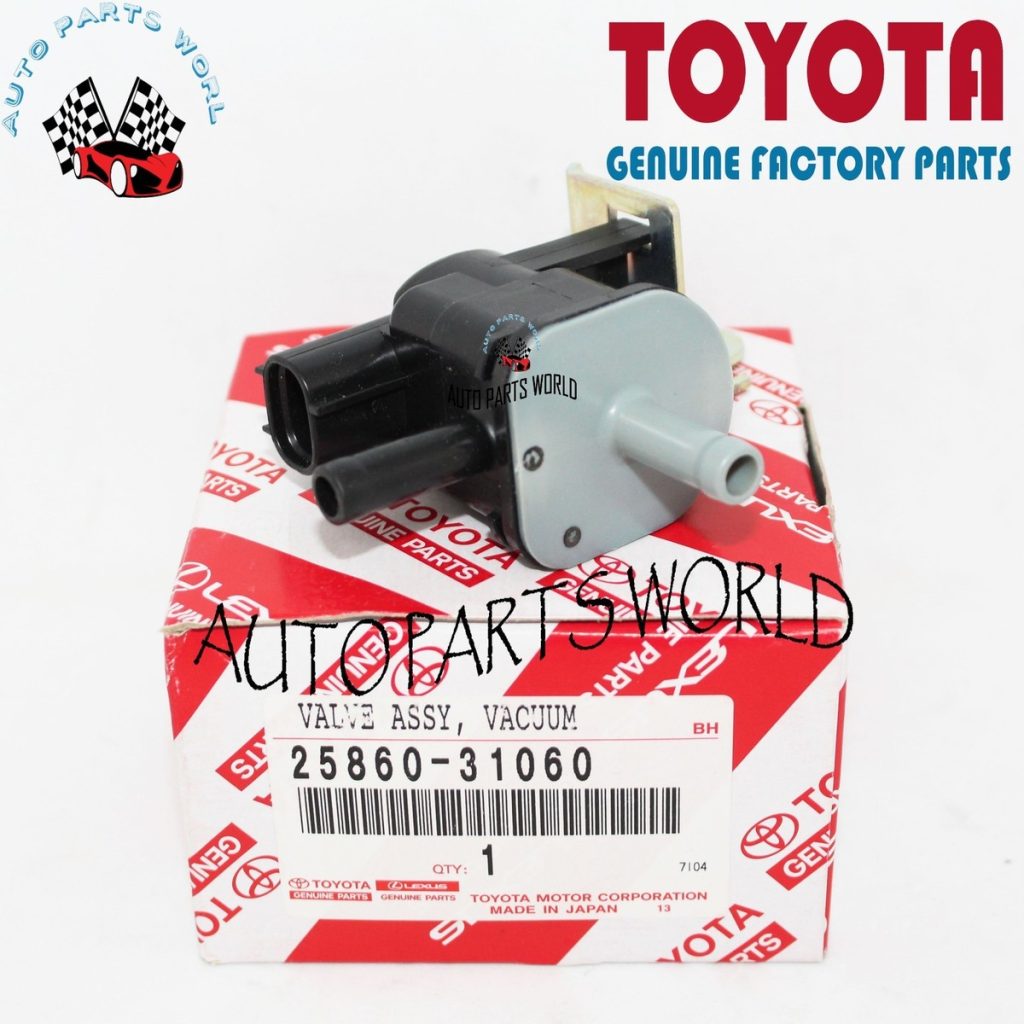
Have you ever wondered what keeps your Toyota running smoothly and efficiently? One of the unsung heroes under your hood is the vacuum switching valve.
This small but mighty component plays a crucial role in your vehicle’s performance. But what exactly does it do? And why should you care? If you’re curious about maintaining your Toyota’s health and optimizing its performance, you’ll want to keep reading.
Understanding the vacuum switching valve could save you time, money, and headaches down the road. Let’s dive into the fascinating world of this essential car component and discover its impact on your driving experience.

Credit: newparts.com
Role In Emission Control
The Toyota Vacuum Switching Valve plays a key role in reducing harmful emissions. It helps control the flow of vacuum signals to different engine parts. This control is vital for proper engine operation and cleaner exhaust gases. The valve works by managing air and fuel vapors inside the vehicle’s emission system.
This process prevents harmful gases from escaping into the atmosphere. It also improves fuel efficiency and engine performance. The valve’s role in emission control is crucial for meeting environmental regulations and keeping the air clean.
Connection To Evap System
The vacuum switching valve connects directly to the EVAP system. The EVAP system captures fuel vapors from the gas tank. It stops these vapors from leaking into the air. The valve controls when and how these vapors move to the engine.
By opening or closing at the right time, the valve allows vapors to enter the engine safely. This helps burn the vapors completely instead of releasing them. The connection between the valve and EVAP system is essential for reducing pollution.
Impact On Fuel Vapor Management
The valve manages fuel vapor flow with precision. It directs vapors to the engine intake for combustion. This reduces evaporative emissions significantly. Proper vapor management prevents fuel loss and odors.
It also keeps the engine running smoothly by maintaining the right vacuum pressure. Without this valve, fuel vapors could escape and harm the environment. Effective vapor control ensures the car meets emission standards and saves fuel.

Credit: www.ebay.ca
Mechanism Of Operation
The mechanism of operation behind the Toyota Vacuum Switching Valve (VSV) is simple yet essential for engine performance. This valve controls the flow of vacuum to various engine components. It helps manage emissions and optimize fuel efficiency. Understanding how it works clarifies why it is vital for engine control systems.
How The Valve Switches
The valve uses an electric solenoid to open or close its passage. When powered, the solenoid pulls a plunger inside the valve. This action either allows vacuum to pass through or blocks it. The valve switches between these states quickly. This switching controls vacuum flow to parts like the EGR system or intake manifold.
The vacuum flow affects engine functions such as reducing emissions. The valve’s fast response helps the engine adjust to changing conditions. It prevents excess vacuum from reaching components at wrong times.
Interaction With Engine Sensors
The VSV works closely with various engine sensors. Sensors monitor parameters like engine temperature and load. They send signals to the engine control unit (ECU). The ECU then commands the VSV to open or close based on these signals.
This interaction ensures the engine receives the right amount of vacuum at the right time. It helps maintain smooth engine operation and reduces harmful emissions. The VSV also aids in controlling the idle speed and fuel mixture.
Signs Of A Faulty Valve
Recognizing the signs of a faulty Toyota vacuum switching valve can save you from costly repairs and unexpected breakdowns. This small but crucial component controls the flow of vacuum in your engine, affecting its overall performance. Ignoring the warning signs could leave you stranded or damage other engine parts.
Common Symptoms
- Rough idling:Your engine may run unevenly or shake when the car is stopped.
- Engine stalling:Sudden stops, especially at low speeds or when idling, can signal valve issues.
- Check Engine Light:The valve’s failure often triggers the warning light on your dashboard.
- Poor fuel economy:You might notice your car needs gas more often than usual.
- Unusual engine noises:Whistling or hissing sounds can indicate vacuum leaks due to valve problems.
Effects On Engine Performance
A faulty vacuum switching valve disrupts the airflow needed for your engine to run smoothly. You could experience reduced power during acceleration or hesitation when you press the gas pedal. These issues make driving less predictable and more stressful.
Have you ever felt your car lagging just as you need to merge or pass? That lag might be the valve not directing vacuum correctly, causing poor combustion. Fixing this valve promptly can restore your engine’s responsiveness and improve your driving confidence.

Credit: newparts.com
Maintenance And Replacement
Maintaining your Toyota’s Vacuum Switching Valve (VSV) is essential for keeping your engine running smoothly. Neglecting this component can lead to poor engine performance and increased emissions. Knowing how to inspect and when to replace the VSV can save you time and money on repairs.
Inspection Tips
Start by locating the VSV in your engine bay; it’s usually near the intake manifold. Check for any visible damage, such as cracks or broken connectors. Also, listen for unusual engine noises or rough idling, which might indicate a faulty valve.
Use a multimeter to test the electrical resistance of the valve’s coil. A reading far outside the manufacturer’s specifications signals a problem. You can also perform a vacuum test to verify if the valve opens and closes correctly under different conditions.
Have you noticed your engine hesitating during acceleration? That might be your cue to inspect the VSV. Regular checks can catch small issues before they turn into costly repairs.
When To Replace
If your VSV fails any inspection tests or shows physical damage, it’s time to replace it. Persistent engine misfires, increased fuel consumption, or a check engine light related to emission control systems are strong indicators. Don’t ignore these warning signs—they often point to a failing valve.
Replacement intervals can vary, but a failing VSV often shows symptoms well before it completely stops working. Waiting too long can cause further damage to related components like the EGR system. Replacing the valve promptly restores proper engine function and helps maintain fuel efficiency.
Have you ever delayed replacing a small part only to face bigger engine troubles later? Acting early on VSV issues can prevent that scenario. Always use genuine or high-quality aftermarket parts to ensure durability and compatibility with your Toyota.
Benefits Of A Properly Working Valve
A properly working Toyota vacuum switching valve (VSV) plays a crucial role in your vehicle’s performance and environmental impact. This small but vital component controls the flow of vacuum to various engine systems, directly influencing how efficiently your engine runs. When the valve functions as it should, you notice tangible benefits that go beyond just smoother driving.
Improved Emissions
Your car’s emissions depend heavily on how well the vacuum switching valve manages air and fuel mixtures. A functioning valve ensures that harmful gases like nitrogen oxides and carbon monoxide are minimized by regulating the exhaust gas recirculation (EGR) system. This means cleaner air coming out of your tailpipe and a reduced environmental footprint.
If you’ve ever wondered why your vehicle failed an emissions test, a faulty VSV might be the culprit. Repairing or replacing it can bring your car back into compliance quickly and save you from costly fines or repairs down the line.
Enhanced Fuel Efficiency
The vacuum switching valve also affects how your engine uses fuel. When the valve operates correctly, it helps the engine maintain the ideal air-to-fuel ratio, preventing wasted fuel. This precision means your car consumes less gas, stretching every tank further.
Imagine driving without that nagging feeling of poor mileage after filling up. A working VSV gives you more miles per gallon, which adds up to significant savings over time. Have you checked your valve’s condition lately? It might be the simple fix your wallet needs.
Frequently Asked Questions
What Is A Toyota Vacuum Switching Valve?
A Toyota Vacuum Switching Valve (VSV) controls airflow in the engine. It manages vacuum pressure to optimize engine performance and emissions. The VSV switches vacuum signals on and off, helping systems like the EGR and intake manifold function properly.
How Does A Toyota Vacuum Switching Valve Work?
The VSV uses an electric signal from the ECU to open or close a vacuum port. This action directs vacuum pressure to specific engine components. It enables precise control over emission and performance systems, improving fuel efficiency and reducing harmful gases.
Why Is The Toyota Vacuum Switching Valve Important?
The VSV ensures proper engine timing and emissions control. Without it, engine performance can suffer, causing rough idling or increased emissions. It helps meet environmental standards and maintains smooth vehicle operation by regulating vacuum flow accurately.
What Are Common Signs Of A Faulty Toyota Vsv?
Symptoms include rough idle, poor fuel economy, and check engine light activation. Engine hesitation and increased emissions are also common. These signs indicate the VSV may be stuck or malfunctioning, requiring inspection or replacement.
Conclusion
A Toyota vacuum switching valve helps control air flow in the engine. It keeps the engine running smoothly and reduces pollution. If the valve fails, the car may run poorly or use more fuel. Regular checks can catch problems early.
Understanding this part helps you care for your Toyota better. It is a small but important piece in your vehicle’s system. Keep it in good shape for a healthy engine and better performance. Simple maintenance goes a long way.