
Do you love the zesty, refreshing taste of limoncello? Whether you savor it after a hearty meal or enjoy it as a summer treat, one question might puzzle you: does limoncello need to be refrigerated?
You’re not alone in wondering about the best way to store this vibrant Italian liqueur. Proper storage can make all the difference in maintaining its delightful flavor and aroma. We’ll dive into the secrets of limoncello storage, ensuring every sip is as refreshing as the first.
Keep reading to discover how to keep your limoncello tasting its best, and uncover tips that might surprise you!

Credit: www.yahoo.com
Limoncello Basics
Understanding the basics of limoncello can help you appreciate why storage matters so much. This bright yellow Italian liqueur is more than just a sweet treat; it carries a rich tradition and distinct flavor that depends on how it’s made and kept. Knowing what limoncello is and what goes into it sets the stage for answering whether it needs refrigeration.
What Is Limoncello
Limoncello is a lemon-flavored liqueur that originates from Southern Italy, especially the Amalfi Coast and Sorrento. It’s enjoyed as a digestif, often served chilled after meals. The vibrant yellow color and zesty taste come from lemon peels soaked in alcohol, which extracts the oils and aromas.
Have you ever noticed how limoncello feels refreshing and crisp? That sensation comes from the natural lemon oils, which give it a bright, citrus punch unlike other sweet liquors.
Traditional Ingredients
The classic recipe for limoncello is quite simple but precise. It usually includes:
- Fresh lemon peels (without the white pith)
- High-proof neutral alcohol (like grain alcohol or vodka)
- Water
- Sugar
The lemon peels are steeped in the alcohol for days or weeks to extract the essential oils. Then, a sugar syrup made from water and sugar is added to balance the tartness. The purity of these ingredients is key to the final flavor and texture.

Credit: ourcountrylife.com
Storage Conditions
Proper storage is key to keeping limoncello fresh and flavorful. Its high alcohol content helps preserve it, but temperature plays a big role. Understanding the right conditions prevents changes in taste and texture over time.
Ideal Temperature
Limoncello stays best in cold environments. The ideal temperature is between 0°C and 5°C (32°F to 41°F). This range keeps the liqueur thick and smooth, enhancing its natural sweetness. Chilling limoncello also brings out its bright lemon flavor, making it more enjoyable to sip.
Impact Of Room Temperature
Storing limoncello at room temperature can cause flavor loss. Warm air may thin the liquid and reduce aroma. Over time, the taste may become dull or bitter. Avoid places with heat or direct sunlight, as these speed up flavor breakdown. Cool, dark storage is safer for long-term quality.
Refrigeration Benefits
Storing limoncello properly can make a big difference in how it tastes and lasts. Refrigeration offers clear benefits that help keep your limoncello fresh and enjoyable. Let’s look at how chilling this lemon liqueur affects its flavor and shelf life.
Flavor Preservation
Refrigerating limoncello helps maintain its bright, citrusy flavor. When left at room temperature, the delicate lemon notes can fade quickly, leaving a dull taste. Cold storage slows down oxidation and evaporation, keeping the original fresh zest intact.
Have you ever noticed limoncello served icy cold? This isn’t just tradition—it enhances the smooth, sweet tang and balances the alcohol’s bite. So, keeping it in the fridge means every sip stays true to that crisp, refreshing profile you love.
Shelf Life Extension
Keeping limoncello in the refrigerator extends its shelf life significantly. At room temperature, limoncello may start to lose quality after a few weeks, especially once opened. The cold environment slows bacterial growth and chemical changes that can spoil the liqueur.
If you want your bottle to last for months, refrigeration is key. Think of it as pressing pause on the aging process, allowing you to enjoy your limoncello at its best long after opening. Wouldn’t you prefer a drink that’s always ready to impress?
When Not To Refrigerate
Knowing when not to refrigerate limoncello can save you from unnecessary changes in flavor and texture. Not all limoncellos benefit from being chilled, and understanding the type and alcohol strength of your bottle is key. Let’s look at the differences that matter most.
Commercial Vs Homemade Limoncello
Commercial limoncello often contains preservatives and stabilizers that help maintain flavor and clarity at room temperature. These store-bought versions usually come with a higher sugar content, which acts as a natural preservative, reducing the need for refrigeration.
On the other hand, homemade limoncello tends to be more delicate. It’s usually made with fewer additives and less sugar, making it more sensitive to heat and light. If you want to keep your homemade batch fresh, refrigeration is generally safer, but some homemade recipes with higher alcohol and sugar can last well outside the fridge.
Alcohol Content Considerations
The alcohol content in limoncello plays a big role in deciding if refrigeration is necessary. Higher alcohol levels (above 30% ABV) naturally inhibit bacterial growth, allowing the drink to stay stable at room temperature.
If your limoncello has a lower alcohol percentage, it’s more vulnerable to spoilage and flavor changes when left unrefrigerated. This is especially true for homemade versions with less alcohol or added water.
Ask yourself: how strong is your limoncello, and how long do you plan to keep it before drinking? This can guide your storage choice effectively.
Alternative Storage Options
Storing limoncello properly keeps its flavor fresh and vibrant. While refrigeration is common, some prefer other storage choices. These options help maintain the drink’s quality without needing a fridge. Explore practical ways to store limoncello safely at home.
Freezing Limoncello
Freezing limoncello keeps it chilled and ready to serve. Its high alcohol content stops it from freezing solid. This means you get a smooth, icy texture without losing taste. Store limoncello in a sealed bottle to avoid odor absorption. Pour directly from the freezer for a refreshing sip.
Dark And Cool Places
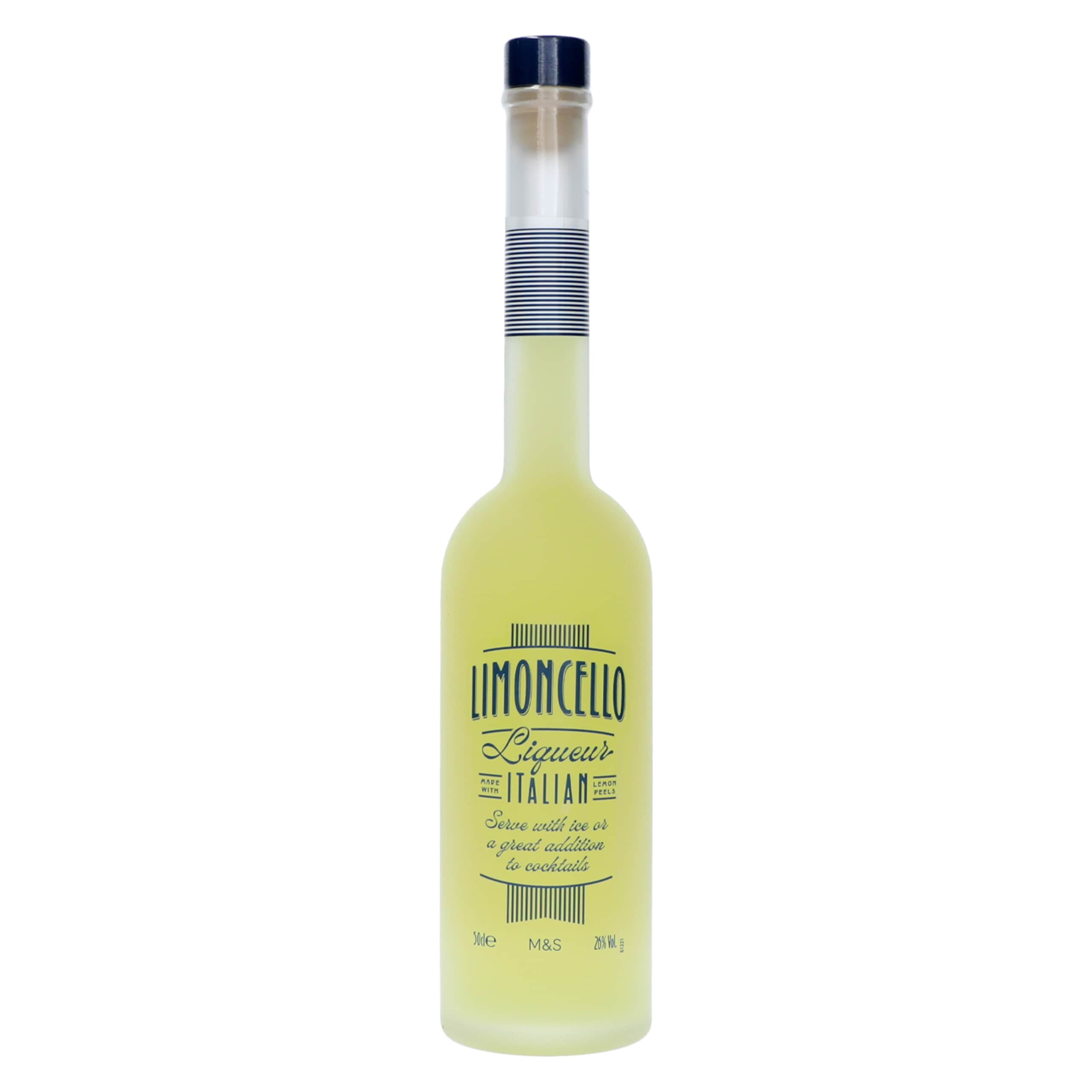
Dark, cool spots work well for limoncello storage. Avoid heat and sunlight, which break down flavors. A pantry, cellar, or shaded cabinet is ideal. Keep the bottle upright and tightly closed. This method extends shelf life without affecting taste.
Credit: www.marksandspencer.com
Signs Of Spoiled Limoncello
Limoncello is a delicious lemon liqueur enjoyed chilled or at room temperature. Knowing when it has gone bad is important for safety and taste. Spoiled limoncello shows clear signs that help you decide if it’s time to toss it out.
Visual Changes
Fresh limoncello has a bright yellow color. It looks clear and smooth. Spoiled limoncello might turn cloudy or develop sediment at the bottom. Watch for any unusual particles or a change to a dull color. These are strong signs the drink has spoiled.
Taste And Smell Differences
Limoncello’s taste is sweet, tangy, and citrusy. Spoiled limoncello can taste bitter or sour. The lemon flavor might be weak or off. The smell will also change. It may smell sour, musty, or like vinegar. These changes mean the limoncello is no longer good to drink.
Serving Tips
Serving limoncello the right way can transform your experience with this zesty Italian liqueur. Knowing how to serve it enhances its bold flavors and leaves a lasting impression on your guests. Let’s dive into some practical tips that make limoncello shine at any gathering.
Best Serving Temperature
Limoncello tastes best when served cold, but not frozen solid. Aim for a temperature around 40°F (4°C). This chill softens the alcohol’s bite and brings out the lemon’s natural sweetness.
Many people keep their limoncello in the freezer to achieve this, but a refrigerator works just as well. If you keep it in the fridge, try chilling it for at least two hours before serving. You’ll notice the texture becomes smoother and the flavor more vibrant.
Ever wondered why some bars serve limoncello in frosted glasses? It’s not just for looks—cold glass helps maintain the perfect temperature longer. You can do this at home by placing your glasses in the freezer for 15 minutes before pouring.
Pairing Suggestions
Limoncello pairs beautifully with a variety of foods, especially those with complementary or contrasting flavors. Its citrus punch cuts through rich, creamy desserts like panna cotta or cheesecake.
- Try serving limoncello alongside fresh berries or a fruit tart for a refreshing finish.
- It also works well as a palate cleanser between heavy courses in a meal.
- If you’re feeling adventurous, pair it with spicy dishes—its sweetness balances heat surprisingly well.
Think about your next dinner party—what dishes could you serve that highlight limoncello’s unique taste? Experimenting with pairings can turn a simple drink into a memorable experience.
Frequently Asked Questions
Does Limoncello Need Refrigeration After Opening?
Yes, limoncello should be refrigerated after opening. Cold storage preserves its fresh lemon flavor and prevents spoilage. Keeping it chilled maintains its ideal taste and texture.
Can Limoncello Be Stored At Room Temperature?
Unopened limoncello can be stored at room temperature. Once opened, refrigeration is necessary to maintain quality and prevent bacteria growth.
How Long Does Limoncello Last In The Fridge?
Opened limoncello lasts about one to two months refrigerated. Keep the bottle sealed tightly to preserve its flavor and freshness.
Is It Safe To Freeze Limoncello?
Freezing limoncello is not recommended. Alcohol content prevents it from freezing solid, but texture and flavor may degrade when frozen.
Conclusion
Limoncello tastes best when served cold. Storing it in the fridge keeps its fresh flavor. Room temperature can make it lose taste over time. Keep the bottle tightly closed after use. This helps keep the lemon aroma strong. Enjoy limoncello chilled for a smooth, refreshing drink.
Simple care keeps your limoncello delicious longer. Try chilling before serving to get the best experience.