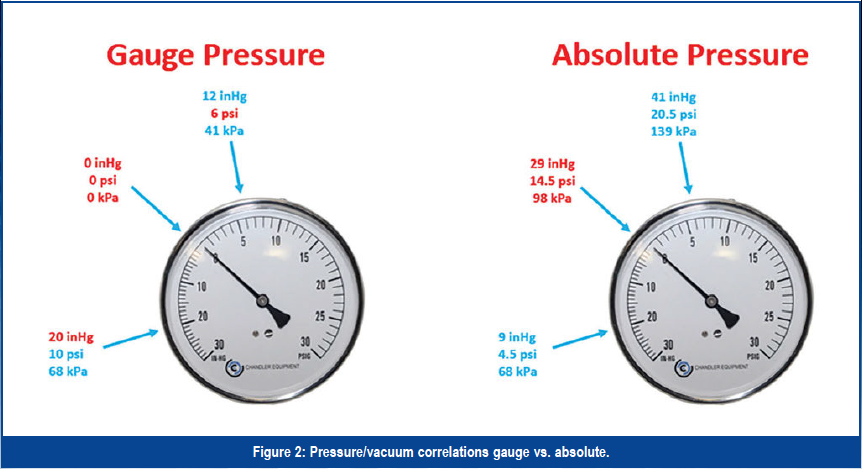
When you need to measure pressure accurately, a vacuum pressure gauge becomes your trusted tool. Whether you’re a DIY enthusiast, a mechanic, or someone who simply likes to keep things running smoothly, understanding how to read this device is crucial.
But let’s be honest: the dials and numbers can seem a bit intimidating at first glance. Don’t worry; you’re not alone in this! By mastering the simple steps to interpret these gauges, you can save time, reduce stress, and even prevent costly mistakes.
Imagine the confidence you’ll feel, knowing exactly what’s going on under the hood or behind the scenes. Dive into this guide to unlock the secrets of vacuum pressure gauges and empower yourself with the knowledge you need. Are you ready to take control and make informed decisions? Let’s get started!
Basics Of Vacuum Pressure Gauges
Understanding vacuum pressure gauges begins with knowing their basic purpose. These devices measure pressure below atmospheric pressure. They help monitor systems where a vacuum environment is necessary. Reading these gauges correctly ensures equipment works safely and efficiently.
Types Of Vacuum Gauges
Vacuum gauges come in various types, each suited for different pressure ranges and uses. Common types include:
- Mechanical Gauges:Use a spring or diaphragm that moves to show pressure.
- Thermocouple Gauges:Measure pressure by detecting heat loss from a heated wire.
- Ionization Gauges:Detect very low pressures by measuring ionized gas particles.
- Capacitance Manometers:Use a flexible diaphragm to measure pressure changes precisely.
Selecting the right gauge depends on the vacuum level and application needs.
How Vacuum Gauges Work
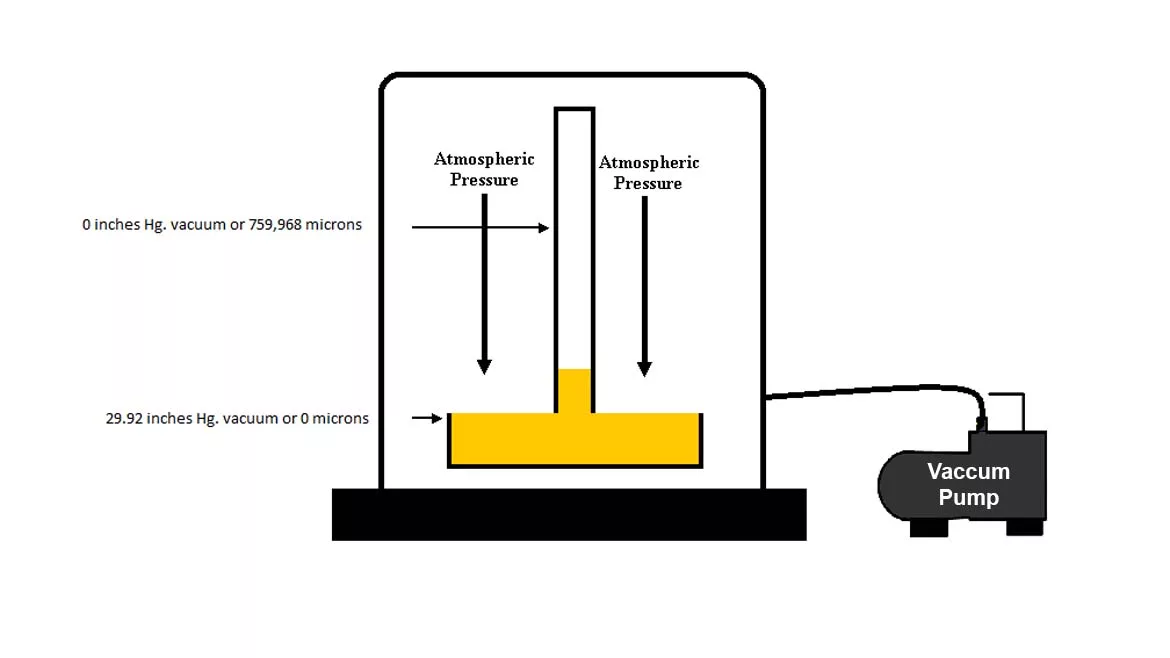
Vacuum gauges measure pressure by sensing changes compared to atmospheric pressure. Mechanical gauges rely on physical movement inside the device. Thermal gauges detect temperature changes caused by gas pressure differences. Ionization gauges use electrical currents affected by gas ions to measure very low pressures.
The reading on the gauge represents the vacuum level. Lower readings mean stronger vacuum. Understanding how each gauge works helps interpret the readings correctly.
Credit: www.johnbrooks.ca
Preparing For Accurate Reading
Preparing for an accurate reading of a vacuum pressure gauge is essential. It ensures the data you collect is reliable and useful. Small mistakes in setup can lead to wrong readings, which affects your work.
Before using the gauge, take time to check its condition and setup. This preparation helps avoid errors and saves time during measurement.
Checking Gauge Calibration
Calibration means comparing the gauge’s reading to a known standard. A properly calibrated gauge shows accurate pressure values. Check the calibration date and certificate if available.
Look for signs of wear or damage on the gauge. Old or faulty gauges often give false readings. Consider recalibrating the gauge regularly to keep it precise.
Ensuring Proper Installation
Install the gauge correctly to get true pressure readings. The gauge must be tightly connected to avoid air leaks. Use the correct fittings and tools during installation.
Place the gauge in a stable position where it can be read easily. Avoid locations with extreme temperatures or vibrations. These factors can affect the gauge’s performance.
Step-by-step Reading Process
Reading a vacuum pressure gauge requires attention to detail. Each part of the gauge provides important information about the pressure levels. Understanding the reading process helps avoid mistakes and ensures accurate measurements.
Identifying The Scale
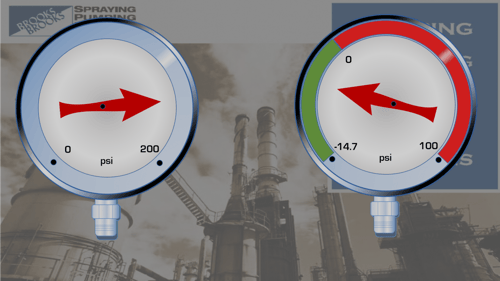
First, find the scale on the gauge face. Most gauges have numbers around the dial. These numbers indicate pressure values. Check if the scale is linear or marked in intervals. Some gauges show negative values for vacuum levels. Recognize the full range the gauge covers before reading.
Reading The Needle Position
Next, observe where the needle points. The needle moves along the scale to show pressure. Note the exact number or mark it points to. If the needle is between two numbers, estimate the value carefully. Avoid parallax errors by looking straight at the needle.
Interpreting Units Of Measurement
Finally, check the units on the gauge. Common units include inches of mercury (inHg), millibar (mbar), or pascals (Pa). Some gauges display multiple units on the same dial. Confirm which unit applies to your reading. Accurate unit interpretation is crucial for correct pressure understanding.
Credit: www.achrnews.com
Common Reading Errors
Reading a vacuum pressure gauge accurately requires attention to common errors. These mistakes can cause wrong readings and affect your work. Understanding these errors helps you get precise measurements every time. Two frequent issues are parallax error and fluctuating readings.
Avoiding Parallax Error
Parallax error happens when you do not look straight at the gauge dial. Viewing the dial from an angle changes the needle’s position. This mistake makes the reading higher or lower than the actual value.
To avoid this, always position your eyes directly in front of the gauge. Keep your head level with the needle. This simple step ensures the reading reflects the true pressure.
Dealing With Fluctuating Readings
Fluctuating readings occur when the needle moves up and down rapidly. This can confuse you and lead to inaccurate results. Causes include unstable vacuum conditions or a faulty gauge.
Wait a few seconds to see if the needle stabilizes. If it does not, check the vacuum system for leaks or blockages. Replace the gauge if it consistently gives erratic readings.
Maintaining Gauge Accuracy
Maintaining the accuracy of your vacuum pressure gauge is key to getting reliable readings every time. Even the best gauges can drift or get dirty, which affects their performance. Staying on top of maintenance helps you avoid costly mistakes and ensures your equipment runs smoothly.
Regular Cleaning And Inspection
Dust, dirt, and moisture can build up on your gauge, making it harder to read and less accurate. You should clean the gauge face and connections regularly using a soft cloth and mild cleaner. Avoid using harsh chemicals that can damage the sensitive parts.
Inspect the gauge for any signs of damage, such as cracks or loose fittings. These small issues can cause big problems in the long run. Have you checked your gauge’s condition lately?
Recalibrating When Needed
Over time, your gauge may lose its accuracy due to wear or environmental factors. Recalibration resets the gauge to its correct readings and is essential for precise measurements.
You don’t have to wait for a major issue to recalibrate. Set a schedule based on how often you use the gauge or how critical the readings are. Some manufacturers recommend recalibrating every six months or after any rough handling.
Professional recalibration services can provide reliable results, but you can also use a known vacuum standard if you’re comfortable with the process. Have you ever noticed your readings drifting without realizing it?
Applications Of Vacuum Pressure Gauges
Vacuum pressure gauges measure the pressure in a vacuum system. These devices play a vital role across many fields. They help control processes and ensure safety. Understanding their applications helps you see their importance.
Industrial Uses
Vacuum pressure gauges are essential in many industries. They monitor pressure during manufacturing. This ensures machines run smoothly and safely.
- Used in vacuum packaging to keep food fresh.
- Help maintain pressure in HVAC systems.
- Monitor vacuum levels in automotive brake systems.
- Assist in chemical processing to control reactions.
- Used in semiconductor manufacturing for precise pressure control.
Laboratory Settings
In labs, vacuum pressure gauges ensure accurate experiment conditions. They help maintain the right vacuum for tests and research.
- Used in freeze-drying to remove moisture.
- Assist in vacuum filtration processes.
- Monitor vacuum during gas analysis.
- Help control vacuum in electron microscopy.
- Used in vacuum ovens for drying samples gently.

Credit: www.amazon.com
Frequently Asked Questions
What Is A Vacuum Pressure Gauge Used For?
A vacuum pressure gauge measures pressure below atmospheric pressure. It helps monitor vacuum systems in labs, industries, and HVAC units accurately.
How Do You Read A Vacuum Pressure Gauge?
Read the gauge needle’s position against the scale. The scale shows vacuum pressure in units like inches of mercury or millibar.
Why Is Vacuum Pressure Important To Measure?
Vacuum pressure affects system efficiency and safety. Measuring it ensures proper operation and prevents equipment damage or leaks.
What Are Common Units On Vacuum Gauges?
Common units include inches of mercury (inHg), millibar (mbar), and pascals (Pa). Choose units based on your system’s standards.
Conclusion
Reading a vacuum pressure gauge becomes simple with practice. Focus on the needle’s position and the numbers clearly. Remember to check the unit of measurement each time. This helps you understand the pressure inside the system. Regular checks keep machines running smoothly and safely.
Use the gauge to spot problems early. Keep your vacuum system in good condition by reading the gauge often. With these tips, you can trust your readings and work confidently. Small steps lead to better results and less worry.