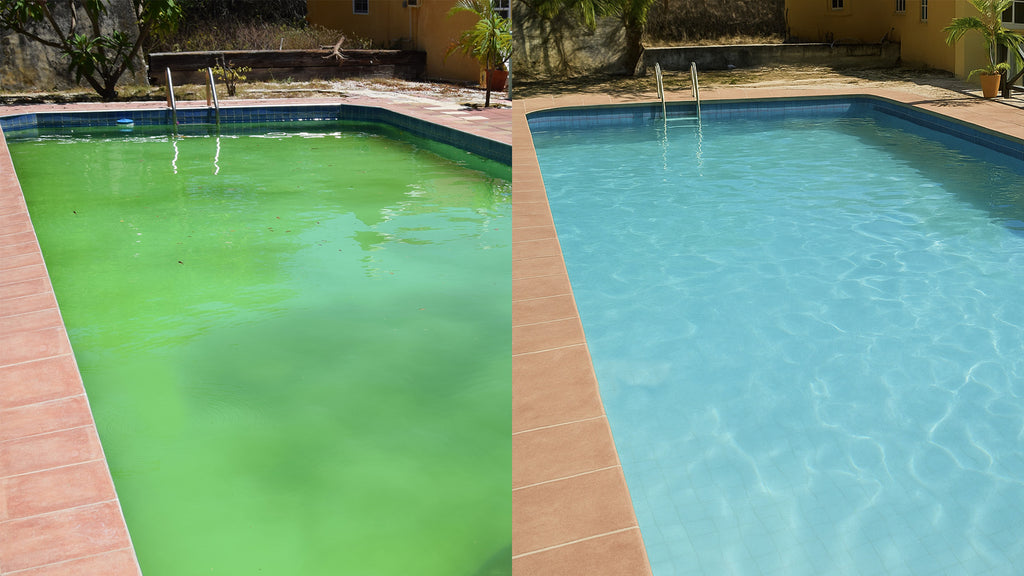
Are you wondering how often you should vacuum your pool to keep it sparkling clean? Maintaining a pristine pool is not just about aesthetics; it’s about ensuring the health and safety of everyone who takes a dip.
If you’ve ever found yourself puzzled over the right cleaning schedule, you’re not alone. Many pool owners grapple with this question. The good news? Understanding the perfect vacuuming routine can save you time, effort, and money in the long run.
Dive into the rest of this article to discover the secrets to a crystal-clear pool that not only looks inviting but also feels refreshing every time you take a swim.

Credit: poolcleaner.ghost.io
Importance Of Pool Vacuuming
Vacuuming your pool might seem like a chore, but it plays a crucial role in keeping your water clean and inviting. Skipping this task can quickly lead to murky water and other problems that affect your swimming experience. Understanding why pool vacuuming matters will help you stay motivated and maintain a sparkling pool all season long.
Benefits For Water Clarity
Vacuuming removes dirt, leaves, and debris that cloud your pool water. Without this regular cleaning, particles settle at the bottom, making the water look dull and dirty. Clear water isn’t just about aesthetics; it also lets you see the pool floor and any potential hazards clearly.
Think about the last time you jumped into a crystal-clear pool—didn’t it feel fresher and more inviting? That sharp clarity comes from consistent vacuuming combined with filtration.
Preventing Algae Growth
Algae love to grow where dirt and organic matter accumulate. Vacuuming helps eliminate the food source algae need to thrive. Neglecting this step can quickly turn your pool green and slippery, causing headaches and expensive treatments.
Have you ever noticed slimy patches on your pool walls? That’s algae starting to take hold, often due to missed vacuuming sessions. Keeping your pool clean discourages algae before it even starts.
Extending Pool Equipment Life
Debris and dirt left in the pool can clog filters and strain pumps. This extra work forces your equipment to run harder and wear out faster. Regular vacuuming reduces this strain by keeping the pool cleaner and your equipment running smoothly.
Imagine saving money on repairs and replacements simply by maintaining a routine vacuuming schedule. Your pool’s pump and filter will thank you with longer life and better performance.

Credit: topnotchpoolmanagement.com
Factors Influencing Vacuuming Frequency
Knowing how often to vacuum your pool depends on several factors that affect how quickly debris and dirt accumulate. Understanding these factors helps you keep your pool clean without wasting time or effort. Let’s look at what influences how frequently you should vacuum.
Pool Size And Usage
The bigger your pool, the more surface area there is to collect dirt and debris. A large pool used frequently by family and friends will need vacuuming more often than a small, rarely used one.
Think about how often people swim and if pets use the pool. More swimmers mean more oils, sweat, and dirt, which settle at the bottom faster. If your pool is busy every day, vacuuming twice a week might be necessary.
Surrounding Environment
Is your pool near lots of trees, plants, or dusty areas? Leaves, pollen, and dirt from the surroundings fall into the pool, increasing the need for vacuuming.
I once had a pool surrounded by pine trees, and needles sank quickly to the bottom. I found myself vacuuming three times a week during autumn to keep it clean. If your environment is clean and less leafy, you might get away with less frequent vacuuming.
Weather Conditions
Weather plays a big role in how often you need to vacuum. Windy days blow more debris into the water, while heavy rain can wash dirt and pollutants into your pool.
After storms or strong winds, check your pool for extra dirt and vacuum as needed. During calm, dry periods, you can reduce vacuuming frequency. How often did you notice needing to vacuum after bad weather?
Recommended Vacuuming Schedule
Maintaining a clean pool requires a clear vacuuming schedule. This keeps the water fresh and inviting. A good routine prevents dirt buildup and algae growth.
Vacuuming frequency depends on pool use, weather, and surroundings. Following the right schedule saves time and effort. It also protects the pool equipment and surface.
Weekly Routine For Regular Pools
Vacuum your pool once a week under normal conditions. This removes settled debris and fine dirt. Use a slow, steady motion to cover all areas. Don’t rush the process to ensure thorough cleaning.
Check and clean your pool filter after vacuuming. This keeps the system working well. Weekly vacuuming helps maintain clear and healthy water.
Adjustments For High-use Periods
Increase vacuuming during busy swimming times or hot weather. Twice a week is ideal for heavy use. This prevents dirt and oils from accumulating quickly.
Rainy or windy days may add extra debris. Vacuum more often after storms to keep the pool clean. Watch for leaves, grass, and insects around the pool area.
When To Vacuum More Often
- After heavy storms or strong winds
- During high pollen seasons
- If pets swim in the pool regularly
- When algae or cloudy water appears
- After pool parties or events
Vacuum more frequently in these cases to maintain water clarity. Early action stops bigger cleaning problems later.
Types Of Pool Vacuums
Choosing the right pool vacuum depends on your pool size, budget, and cleaning needs. Different vacuums offer unique features and ease of use. Understanding the types helps you maintain a clean and inviting pool.
Manual Vacuums
Manual vacuums require you to push or pull the device across the pool floor. They connect to the pool’s filtration system, sucking up dirt and debris. These vacuums are affordable and simple but need physical effort. They work well for small pools or quick spot cleaning.
Automatic Cleaners
Automatic pool cleaners move around the pool on their own. They attach to the pool’s pump or filtration system to gather debris. These cleaners cover large areas without much effort from you. They are good for regular maintenance and saving time.
Robotic Options
Robotic pool vacuums operate independently using built-in motors and sensors. They don’t rely on your pool’s pump or filtration system. These vacuums scrub, vacuum, and filter the water automatically. They offer high efficiency but usually come with a higher price tag.
Vacuuming Techniques For Best Results
Vacuuming your pool effectively takes more than just moving the vacuum head back and forth. Using the right techniques can save time, improve cleanliness, and extend the life of your pool equipment. Let’s dive into practical steps that help you get the best results every time you vacuum.
Preparing The Pool
Start by removing any large debris like leaves or sticks from the pool surface with a net. This prevents clogging and makes vacuuming smoother. Next, check your pool’s water level—it should be at least halfway up the skimmer opening to maintain proper suction.
Don’t forget to adjust the filter setting to “filter” mode and ensure your pump is running at full capacity. If you use a manual vacuum, connect it properly to the skimmer or vacuum port to avoid losing suction. Taking a few extra minutes here pays off in cleaner water and less frustration.
Vacuuming Patterns
How you move the vacuum makes a big difference. Start at the shallow end and work your way to the deep end, overlapping each pass slightly to avoid missing spots. Slow, steady movements allow the vacuum to pick up dirt effectively without stirring up debris.
Try using a systematic approach, such as vacuuming the walls first, then the floor, or dividing the pool into sections. This keeps you organized and ensures no area gets overlooked. Have you noticed how quickly dirt settles in corners? Paying special attention there can improve overall cleanliness.
Post-vacuuming Maintenance
Once you finish vacuuming, backwash your filter to remove trapped debris. This step keeps your filtration system running efficiently. Also, check and clean the vacuum head and hoses to prevent blockages next time.
Finally, test your pool’s chemical levels. Vacuuming can stir up debris that affects water balance. Adjust chemicals as needed to keep your pool safe and inviting for your next swim.

Credit: pool.dreametech.com
Common Vacuuming Mistakes To Avoid
Vacuuming your pool keeps it clean and inviting. Avoiding common mistakes helps maintain pool health and saves time. Small errors can lead to bigger issues and extra work.
Over-vacuuming Risks
Vacuuming too often can damage the pool surface. It may also cause wear on the vacuum cleaner parts. Overuse wastes energy and water. Stick to a regular schedule based on pool use and debris levels.
Ignoring Pool Walls And Steps
Many only vacuum the pool floor. Walls and steps collect dirt and algae too. Skipping these areas can cause slippery surfaces. Clean all parts of the pool to keep it fully fresh and safe.
Neglecting Filter Cleaning
The pool filter traps dirt from vacuuming. If the filter clogs, the vacuum loses power. Dirty filters reduce water flow and cleaning efficiency. Clean or replace filters regularly for best results.
Frequently Asked Questions
How Often Should I Vacuum My Pool For Best Results?
Vacuum your pool once a week to maintain cleanliness. Weekly vacuuming removes dirt and debris before buildup occurs. Adjust frequency if heavy use or nearby trees increase debris.
Can Over-vacuuming Harm My Pool Surface?
Vacuuming too often can cause surface wear or damage. Stick to a weekly schedule unless extra cleaning is needed. Use proper vacuum equipment to prevent pool surface scratches.
When Is The Best Time To Vacuum A Pool?
Vacuum your pool during daylight for better visibility. Mid-morning or late afternoon is ideal to avoid peak sun exposure. Avoid vacuuming at night to prevent missing debris spots.
Does Vacuuming Affect Pool Water Chemistry?
Vacuuming helps maintain balanced water chemistry by removing organic matter. Debris removal prevents algae growth and chemical imbalances. Always test water after vacuuming and adjust chemicals if needed.
Conclusion
Vacuuming your pool keeps it clean and safe to swim. Regular vacuuming stops dirt and debris from building up. Most pools need vacuuming once a week or after storms. Pay attention to your pool’s condition and adjust as needed. Clean water feels better and helps protect your pool equipment.
Simple care like vacuuming saves time and money later. Keep your pool inviting all season with easy, regular cleaning.