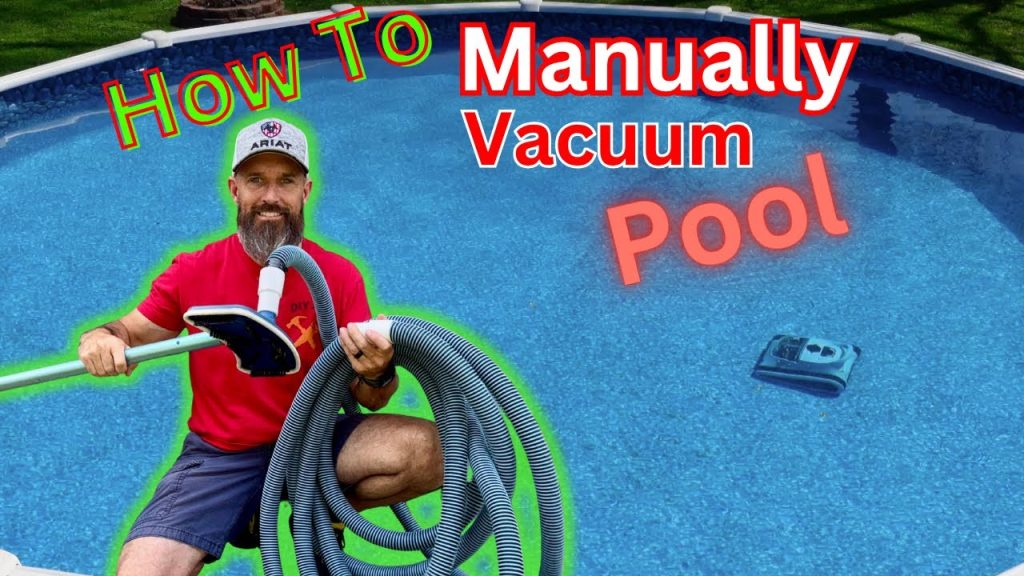
Are you tired of staring at a murky pool that seems to be begging for a little TLC? Imagine transforming your pool into a crystal-clear oasis, all with your own hands.
With the right guidance, manually vacuuming your pool can be a simple and satisfying task. You’ll not only save money, but you’ll also gain the rewarding feeling of knowing you’re maintaining your pool’s sparkle yourself. Dive into this guide to discover how you can easily reclaim your pool’s pristine beauty, ensuring every swim is pure bliss.
Get ready to unlock the secrets to a spotless pool that beckons you to take a refreshing dip.
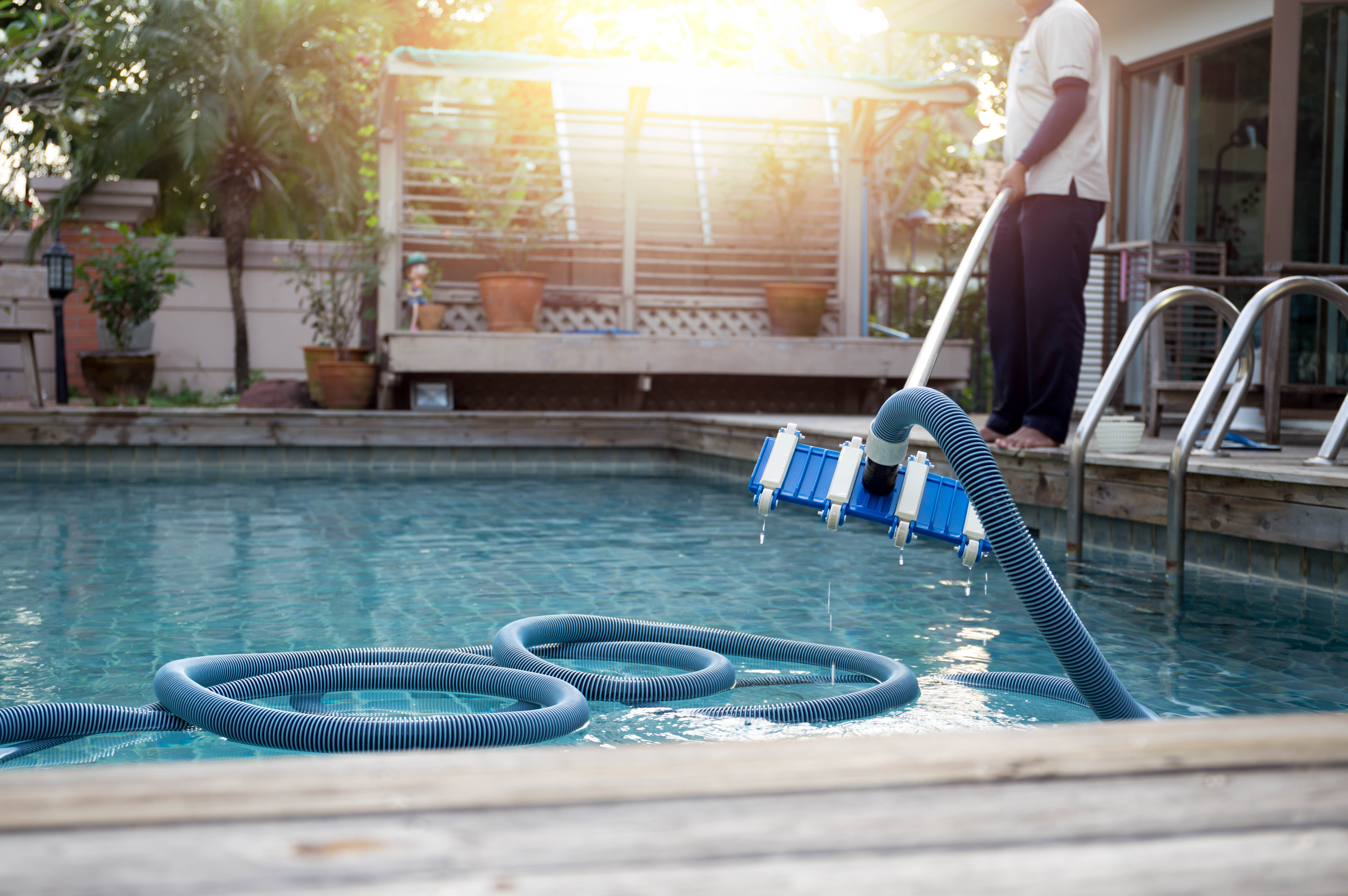
Credit: www.poolsupplies.com
Preparing Your Pool For Vacuuming
Preparing your pool for vacuuming ensures a smooth and effective cleaning session. Proper preparation saves time and helps maintain clear water. It involves gathering the right tools, testing the water, and clearing the surface of debris.
Gathering Necessary Equipment
Start by collecting all vacuuming tools. You need a vacuum head, telescopic pole, vacuum hose, and a pump or filter system. Make sure each item is clean and in good condition. This avoids interruptions while vacuuming.
Checking Water Chemistry
Test the pool water for pH, chlorine, and alkalinity levels. Balanced water prevents damage to the pool and equipment. Adjust the chemicals if needed before vacuuming. This step keeps the water safe and clear.
Removing Debris From Surface
Use a skimmer net to remove leaves, bugs, and floating debris. Clearing the surface reduces clogging in the vacuum. It also makes the vacuum work more efficiently. Spend a few minutes cleaning the top of the pool.

Credit: www.youtube.com
Setting Up The Manual Vacuum
Setting up your manual vacuum correctly is crucial to achieving a clean pool without wasting time or effort. Before you start, make sure you have all the necessary parts and understand how they fit together. This preparation will help you avoid common mistakes and get your pool sparkling faster.
Assembling Vacuum Components
Begin by gathering the vacuum head, telescopic pole, and vacuum hose. Attach the vacuum head to the end of the telescopic pole firmly. Next, connect one end of the vacuum hose to the vacuum head, ensuring a tight fit to prevent air leaks.
Check the hose for any cracks or holes before assembling. Even a small tear can disrupt suction and make your cleaning inefficient. Once assembled, you should have a solid setup that feels secure and ready to use.
Connecting To The Skimmer
Locate your pool’s skimmer basket and remove the lid carefully. Insert the free end of the vacuum hose into the skimmer’s suction port. You might need to hold it in place or use a vacuum plate if your skimmer has one to keep the hose secure.
This connection allows the pool pump to create suction through the vacuum hose, pulling debris into the filtration system. Have you noticed some hoses slip out during vacuuming? Securing the hose properly saves you from constant interruptions.
Priming The Vacuum Hose
Priming means filling the vacuum hose with water to remove air. Start by submerging the vacuum head and hose entirely under the water surface. Hold the open end of the hose over a return jet or pour water into it until all air bubbles disappear and water flows freely.
Ensuring the hose is fully primed is essential for strong suction. If air remains trapped, your vacuum won’t pick up debris effectively. Have you ever tried vacuuming only to find the hose filled with air? Taking the time to prime it properly makes a noticeable difference.
Vacuuming Techniques
Vacuuming a pool manually requires proper techniques to get the best results. Using the right approach keeps the water clear and the pool clean. Focusing on how to move the vacuum and which areas to clean is key. These tips help avoid missing spots or wasting time.
Starting From The Deep End
Begin vacuuming at the pool’s deep end. Dirt tends to settle here first. Starting deep helps move debris toward the shallow end. This makes it easier to collect dirt without stirring it up. It also prevents dirty water from flowing back into clean areas.
Using Slow And Steady Movements
Move the vacuum head slowly across the pool floor. Quick movements can stir up dirt, making the water cloudy. Slow strokes let the vacuum pick up debris efficiently. Keep a steady pace to cover each spot well. Avoid rushing to save time; it may reduce cleaning quality.
Covering All Pool Areas
Make sure to vacuum every part of the pool. Pay attention to corners, steps, and ledges. These spots often trap dirt and algae. Use overlapping strokes to avoid missing areas. Cover the entire pool surface for a thorough clean.
Maintaining Proper Water Flow
Maintaining proper water flow is crucial when manually vacuuming your pool. Without the right flow, your vacuum won’t pick up debris efficiently, leaving your pool less clean than it should be. Ensuring smooth water movement helps your pump and vacuum work together, saving you time and effort.
Adjusting Pump Settings
Your pool pump settings directly affect water flow and suction power. If the flow is too low, the vacuum won’t pull debris effectively. Too high, and you risk damaging your equipment.
Try lowering the pump speed slightly if you notice water splashing or loss of suction. Many pumps have variable speed controls—use them to find a balanced setting that keeps water moving steadily without strain.
Avoiding Airlocks In Hose
Airlocks in your vacuum hose disrupt water flow and reduce suction. They often happen if the hose isn’t fully submerged or has kinks.
Before vacuuming, fill the hose with water to expel air. Submerge the hose completely in the pool, letting water flow through until no air bubbles appear. Straighten any bends or twists to keep water flowing smoothly.
Monitoring Suction Power
Keep an eye on the suction as you vacuum. If you feel it weakening, stop and check for blockages or leaks in the hose or pump basket.
Regularly clean out hair, leaves, or debris that can clog the system. A strong, consistent suction means your vacuum is working well, and your pool will look sparkling clean faster.
Post-vacuuming Care
After you finish vacuuming your pool, the job isn’t quite done. Post-vacuuming care is crucial to keep your pool water clean and your equipment running smoothly. Taking the right steps immediately after vacuuming can save you time and prevent common pool problems.
Cleaning The Filter
Your pool filter traps dirt and debris collected during vacuuming, so it’s essential to clean it right after. Check your filter basket and remove any leaves, hair, or large debris. If you have a cartridge filter, rinse it thoroughly with a hose to clear out trapped particles.
Ignoring filter maintenance can reduce water flow and strain your pump. How often do you check your filter after cleaning? Making it a habit ensures your pool stays crystal clear.
Backwashing If Needed
If your pool uses a sand or DE filter, backwashing is necessary to flush out accumulated dirt. Look at your pressure gauge; if the pressure is higher than normal, it’s time to backwash. This process reverses water flow through the filter to clean it efficiently.
Backwashing too soon wastes water, but waiting too long can damage your filter. Do you know the normal pressure range for your filter system? Keeping track helps you decide the perfect time to backwash.
Checking Water Clarity
Once vacuuming and filter cleaning are complete, inspect your pool water closely. Clear water indicates your cleaning efforts worked well, but cloudy water might mean you missed some debris or need to adjust your chemical balance. Use a pool test kit to check chlorine and pH levels to maintain healthy water.
Have you noticed how small changes in water clarity affect your pool’s overall feel? Monitoring clarity regularly helps you enjoy a refreshing swim every time.

Credit: www.youtube.com
Tips For Efficient Manual Vacuuming
Manual vacuuming keeps your pool clean and clear. Using the right tips makes the process faster and easier. Proper technique helps save time and effort. Follow these tips for efficient manual vacuuming.
Vacuuming Frequency
Vacuum your pool at least once a week. This prevents dirt from settling on the floor. More frequent vacuuming helps during heavy use or after storms. Regular cleaning keeps water clear and balanced.
Handling Stubborn Debris
For stuck leaves or dirt, loosen debris gently with the vacuum head. Avoid pushing hard to prevent damaging the pool surface. Use a pool brush to dislodge tough spots before vacuuming. Empty the vacuum bag or filter often to maintain suction power.
Safety Precautions
- Always check electrical connections for safety.
- Never vacuum with wet hands near power outlets.
- Wear non-slip shoes to avoid slipping on wet surfaces.
- Keep pool chemicals stored away from the vacuum area.
- Turn off the pump before connecting or disconnecting the vacuum.
Frequently Asked Questions
How Do I Prepare My Pool For Manual Vacuuming?
Start by removing large debris with a skimmer net. Attach the vacuum head and hose. Ensure the filter is clean and the pump is running before vacuuming.
What Equipment Is Needed To Manually Vacuum A Pool?
You need a vacuum head, telescopic pole, vacuum hose, and a pump with a filter. These tools help remove dirt and debris effectively.
How Do I Avoid Stirring Up Dirt While Vacuuming?
Move the vacuum head slowly and steadily along the pool floor. Avoid rapid or jerky movements that can disturb settled debris.
Can I Vacuum My Pool Without A Filter Pump?
No, a filter pump is essential. It creates suction to pull debris into the filter and keeps the water clean during vacuuming.
Conclusion
Manually vacuuming your pool keeps it clean and inviting. Regular cleaning stops dirt from building up. It also helps protect your pool’s surface and equipment. Take your time and follow each step carefully. You will enjoy clearer water and a safer swim.
Remember, a clean pool means more fun for everyone. Keep up the routine and watch your pool stay beautiful all season. Simple effort brings great results.