Have you ever found yourself wondering about the proper storage of your medications? If you’re using semaglutide, a medication often prescribed for managing type 2 diabetes, ensuring it’s stored correctly is crucial for its effectiveness.
But what happens if semaglutide isn’t refrigerated as recommended? This question might not just be about maintaining medication—it’s about safeguarding your health. Imagine the peace of mind knowing you’re using it correctly and getting the most out of your treatment.
We’ll delve into what occurs when semaglutide is not kept in the fridge, and why it matters to you. Stay with us to uncover essential tips that could make a significant difference in your health regimen.

Credit: www.aol.com
Semaglutide Storage Basics
Knowing how to store semaglutide properly is essential to keep it effective. This medication is sensitive to temperature changes, which can impact its stability. Understanding the basics of its storage will help you avoid common mistakes that might reduce its potency.
Recommended Temperature Range
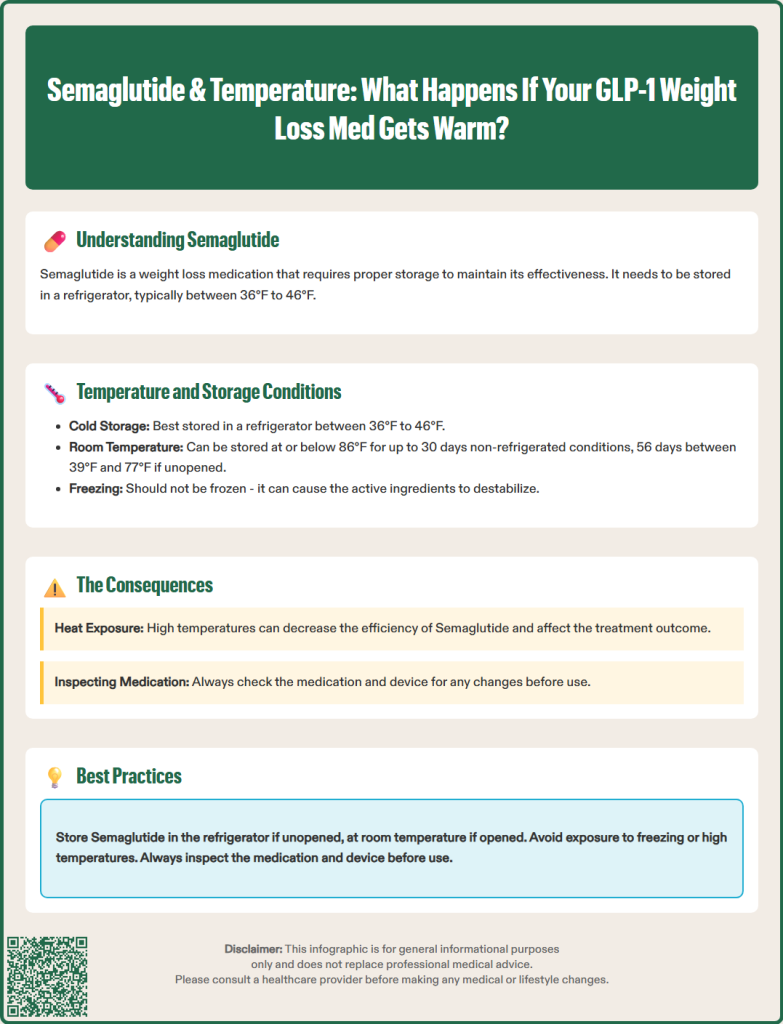
Semaglutide should be stored at a temperature between 2°C and 8°C (36°F and 46°F). This means keeping it in the refrigerator is usually the best option. Avoid freezing it, as temperatures below 0°C can damage the medication.
If you need to carry semaglutide with you during the day, it can be kept at room temperature, but only up to 30°C (86°F)and for a maximum of 30 days. Exceeding this limit may cause the medicine to lose its effectiveness.
Why Refrigeration Matters
Refrigeration helps preserve the chemical structure of semaglutide. Without proper cooling, the medication may degrade, leading to reduced treatment benefits. Have you ever noticed a change in the appearance of your injection pen? Cloudiness or discoloration can be a sign of spoilage.
Storing semaglutide at the right temperature ensures you get the full therapeutic effect. Skipping refrigeration might seem convenient but can lead to wasted medication and less control over your health. Would you want to risk that just for a short-term convenience?

Credit: www.reddit.com
Effects Of Room Temperature Exposure
Semaglutide is a medication that needs careful storage. Exposure to room temperature can affect its quality. Understanding these effects helps ensure the medicine works well.
Chemical Stability Changes
Semaglutide can break down faster at room temperature. The chemical structure may change, causing the medicine to become less reliable. This breakdown happens because heat speeds up chemical reactions. Over time, the drug might lose its original form and become unstable. This affects the safety and effectiveness of the medication.
Impact On Potency
Keeping semaglutide out of the fridge can reduce its strength. The medicine may not lower blood sugar as well as expected. Potency loss happens gradually but can be significant. Using less potent semaglutide might lead to poor health results. Proper storage is key to maintaining the full effect of the drug.
Risks Of Using Non-refrigerated Semaglutide
Semaglutide is a delicate medication that requires proper storage to maintain its stability and effectiveness. Leaving it out of the refrigerator can cause changes that impact how well it works and your safety. Understanding these risks helps you protect your health and get the best results from your treatment.
Reduced Effectiveness
Semaglutide needs cold storage to keep its chemical structure intact. When it’s not refrigerated, the medicine can break down faster, making it less potent. You might notice your blood sugar levels not responding as well, even if you stick to your prescribed dose.
Think about it like this: taking a less effective dose can delay your progress and might push you to increase your medication unnecessarily. Have you ever wondered why some medications come with strict storage rules? This is exactly why.
Potential Side Effects
Using semaglutide that has been stored improperly can increase the risk of side effects. The breakdown products formed might irritate your body or cause unexpected reactions. Symptoms like nausea, headaches, or injection site discomfort might become more frequent or severe.
Ignoring storage guidelines could mean exposing yourself to risks you didn’t sign up for. Are you willing to gamble with your health by using semaglutide that may no longer be safe? Always check the storage instructions and handle your medication with care.
How Long Can Semaglutide Stay Out
Semaglutide is a medication that usually needs refrigeration. But sometimes, it might stay out of the fridge. Knowing how long semaglutide can stay out helps keep it safe and effective. This section explains the safe time limits and how to spot if the medicine has gone bad.
Safe Duration Limits
Semaglutide can stay out of the refrigerator for a short time. Usually, it is safe for up to 30 days at room temperature. Room temperature means between 59°F and 86°F (15°C to 30°C). Avoid keeping it in places that are too hot or cold.
After 30 days out of the fridge, the medicine may lose its strength. Do not use semaglutide beyond this time if it was not refrigerated. Always check the label for exact storage instructions. If unsure, ask a pharmacist or doctor.
Signs Of Degradation
Look for changes in semaglutide before using it. The medicine may change in these ways when it degrades:
- Cloudy or discolored liquid instead of clear
- Particles or clumps in the solution
- Unusual smell or odor
- Damaged or broken pen or vial
If any of these signs appear, do not use the medication. Using degraded semaglutide can reduce effectiveness and cause harm. Proper storage keeps the medicine safe and working well.
Proper Handling And Storage Tips
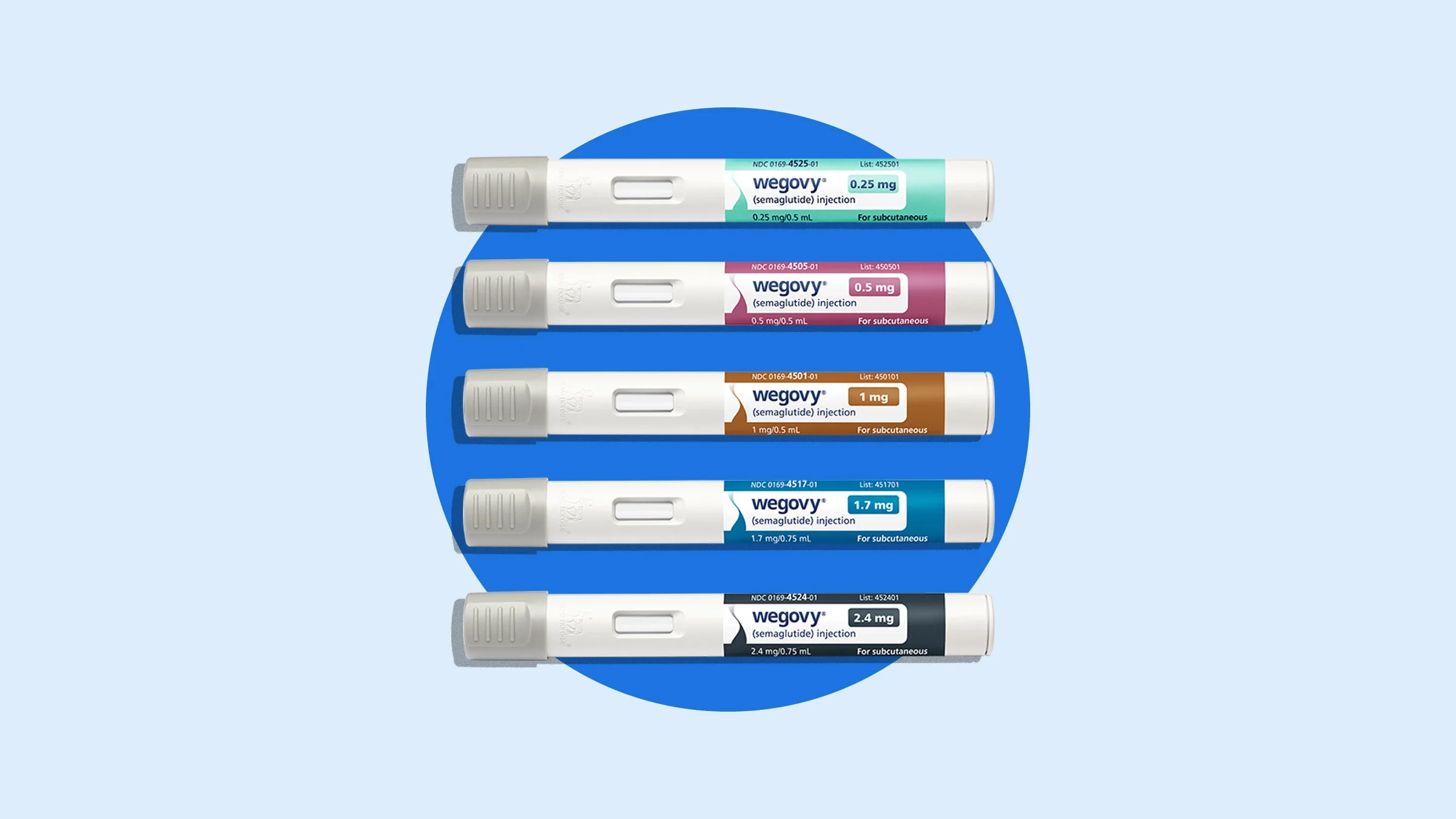
Proper handling and storage of semaglutide ensure its effectiveness. The medicine must stay within recommended temperature ranges. Incorrect storage can reduce its potency or cause spoilage. Understanding the right way to store semaglutide helps maintain its quality and safety.
Storing During Travel
Traveling with semaglutide requires careful attention. Use an insulated bag or cooler pack to keep it cool. Avoid direct sunlight and heat sources. Carry a thermometer pack if possible to monitor temperature. Plan travel times to minimize exposure to warm environments. Never freeze the medication, as it can damage the drug.
Avoiding Temperature Fluctuations
Semaglutide is sensitive to rapid temperature changes. Keep it in a stable environment between 2°C and 8°C (36°F and 46°F). Sudden shifts can reduce its effectiveness. Store the medicine away from kitchen appliances or windows. Avoid opening the refrigerator door too often to maintain consistent temperature. Use a dedicated medicine compartment if available.
Credit: www.goodrx.com
When To Dispose Semaglutide
Knowing when to dispose of Semaglutide is crucial for your safety and effectiveness of the medication. Semaglutide loses its potency when not stored correctly, especially if left unrefrigerated for too long. Understanding the signs that indicate it’s time to throw it away helps you avoid using ineffective or harmful doses.
Expired Or Improperly Stored
Semaglutide has a specific shelf life, usually printed on the packaging. Using it past this date can reduce its effectiveness and may even be unsafe.
If you accidentally leave Semaglutide out of the refrigerator for more than a few days, its chemical structure can break down. This degradation means the medication won’t work as intended, and taking it could lead to poor blood sugar control.
Have you ever wondered how long your medication stays good after a power outage or travel? If you’re unsure, it’s safer to dispose of it rather than risk using a weakened dose.
Safe Disposal Methods
Throwing away Semaglutide correctly protects others and the environment. Never flush it down the toilet or pour it into the sink.
- Check if your local pharmacy offers a medicine take-back program. Many pharmacies accept unused medications for safe disposal.
- Use a drug disposal pouch or mix the medication with undesirable substances like coffee grounds before placing it in a sealed bag in the trash.
- Follow any disposal instructions provided with your medication packaging.
Disposing of Semaglutide safely prevents accidental ingestion by children, pets, or others. Do you have a disposal plan for your unused medications at home? If not, setting one up now can help keep your household safe.
Frequently Asked Questions
Q: What Happens When Semaglutide Is Left At Room Temperature?
A: Semaglutide is a sensitive medication that requires refrigeration to maintain its potency. When left at room temperature, its effectiveness may decrease, and it may lose its potency over time. This can lead to reduced efficacy and potential health risks.
Always store Semaglutide in the refrigerator to ensure its stability.
Q: Can Semaglutide Be Stored At Room Temperature For A Few Hours?
A: Semaglutide should not be stored at room temperature for extended periods, even for a few hours. Prolonged exposure to room temperature can cause degradation, reducing its effectiveness and potentially causing health issues. Refrigeration is the recommended storage condition for Semaglutide to maintain its potency and safety.
Q: What Happens If Semaglutide Is Frozen?
A: Freezing Semaglutide can cause it to degrade, leading to reduced efficacy and potential health risks. If you accidentally freeze Semaglutide, it’s best to discard it, as its quality and potency may be compromised. Always store Semaglutide in the refrigerator at a temperature between 2°C and 8°C (36°F and 46°F).
Conclusion
Semaglutide needs proper storage to stay effective. Not refrigerating it can reduce its strength. This may affect how well it works for you. Always follow the storage instructions on the label. Keep the medicine away from heat and direct sunlight.
Using semaglutide stored incorrectly could lead to poor results. Protect your health by storing it right. Simple care makes a big difference in your treatment. Stay safe and keep your medication in the right place.