Have you ever wondered why some hydrofluoroolefin (HFO) refrigerants are classified as A2L? This classification might seem like a jumble of letters and numbers, but it holds significant importance for you, especially if you’re involved in industries that use refrigerants.
Understanding these classifications can impact your safety, efficiency, and even cost savings. With the world shifting towards more environmentally friendly options, knowing what A2L means and why it matters can place you ahead in the game. So, if you’re curious about how these refrigerants affect your choices and operations, keep reading.
This could be the key to optimizing your next big decision.
Hydrofluoroolefin Refrigerants Basics
Hydrofluoroolefin (HFO) refrigerants have gained attention for their low global warming potential and efficiency. Understanding their basics helps you grasp why some are classified as A2L, which relates to their flammability and safety. Let’s break down what makes HFO refrigerants unique and where you might encounter them.
Chemical Structure And Properties
HFO refrigerants differ from traditional refrigerants mainly because of their chemical structure. They contain carbon-carbon double bonds, making them unsaturated compounds. This structure contributes to their lower global warming potential compared to older refrigerants.
Because of these double bonds, HFOs tend to be mildly flammable, which is why some fall into the A2L classification—a category for mildly flammable substances with low toxicity. Their low flammability means they require careful handling but also allow for energy-efficient cooling systems.
Common Applications
You’ll find HFO refrigerants in various cooling systems, from air conditioners to commercial refrigeration units. Their low environmental impact makes them popular for use in places where reducing greenhouse gas emissions is a priority.
Many manufacturers prefer HFOs for new systems designed to meet stricter environmental regulations. If you’ve upgraded your AC system recently, there’s a good chance it uses an HFO refrigerant, balancing performance with safety considerations.
Flammability Classification Explained
Understanding the flammability classification of hydrofluoroolefin (HFO) refrigerants is key to their safe use. Some HFOs are labeled A2L, which indicates a specific flammability level. This classification helps users know how these refrigerants behave around fire or heat. It guides manufacturers and technicians in choosing the right refrigerant and handling it properly.
Flammability classification depends on how easily a gas ignites and how fast a flame spreads. These factors are critical for safety in HVAC and refrigeration systems. The classification system created by ASHRAE is widely used to categorize refrigerants based on their fire risks. This system helps ensure safety standards are met worldwide.
Ashrae Flammability Classes
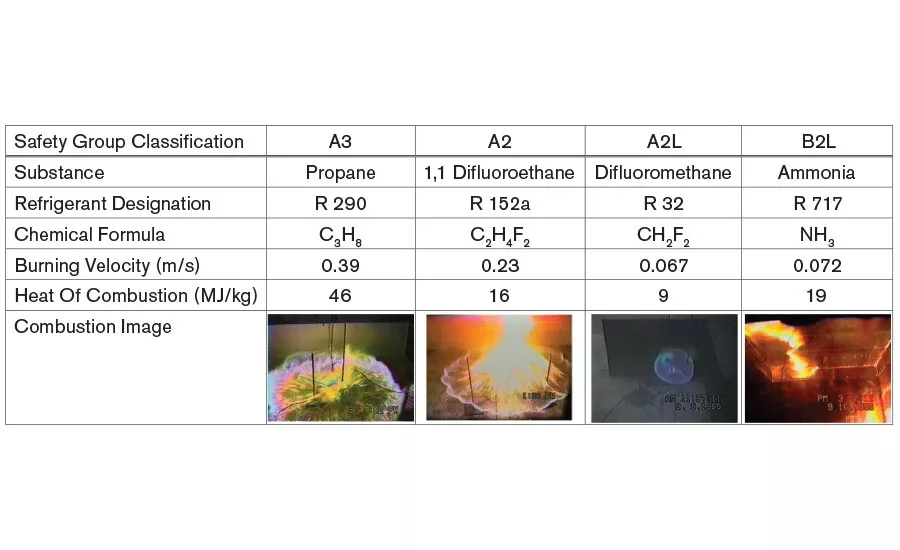
ASHRAE divides refrigerants into several flammability classes. These classes are based on two main factors: flame propagation speed and heat of combustion. The classes are:
- A1:No flame propagation, non-flammable.
- A2L:Lower flammability, slow burning speed.
- A2:Flammable with medium burning speed.
- A3:Higher flammability, fast burning speed.
HFO refrigerants often fall into the A2L category. This means they have low flammability but still require careful handling.
Criteria For A2l Classification
The A2L class is defined by specific criteria. These include:
- Maximum burning velocity:Less than 10 cm/s.
- Heat of combustion:Moderate energy release during burning.
- Lower flammability limit (LFL):The minimum concentration to ignite is relatively high.
- Autoignition temperature:Higher than many flammable gases, reducing risk.
These criteria balance safety and performance. A2L refrigerants provide a safer alternative to more flammable options while maintaining efficiency.
Reasons For A2l Classification
Some hydrofluoroolefin (HFO) refrigerants receive the A2L classification due to their unique safety and chemical properties. This classification indicates a low flammability level combined with low toxicity. Understanding why certain HFOs fall under A2L helps users handle and use them safely in refrigeration systems.
These refrigerants have a balance of performance and safety. Their flammability is not zero but remains limited enough to reduce risks. The classification reflects detailed testing of their ignition and burning behavior under controlled conditions.
Low Flammability Characteristics
A2L refrigerants have a lower flame speed than highly flammable gases. They ignite more slowly and burn with less intensity. The chemical structure of HFOs limits how fast flames can spread. This property reduces the chance of rapid fire growth in leaks.
The low flammability means these refrigerants require a higher energy source to ignite. Their burning rate is much slower compared to traditional refrigerants. This feature helps in safe use around equipment and people.
Ignition Energy And Flame Propagation
The minimum ignition energy for A2L HFOs is higher than for more flammable gases. They need more spark or heat to start burning. Flame propagation through these gases is also slower, which lowers fire hazards.
Tests measure the energy needed to ignite a small gas mixture. A2L refrigerants fail to ignite at low energies, marking their safety margin. This makes them suitable for systems with risk of small leaks.
Comparison With Other Refrigerants
| Refrigerant Type | Flammability | Ignition Energy | Typical Use |
|---|---|---|---|
| HFO (A2L) | Low | Moderate to High | Residential and commercial HVAC |
| HFC (A1) | Non-flammable | Very High | Wide range of refrigeration |
| Hydrocarbon (A3) | High | Low | Small refrigeration units |
A2L refrigerants fill a safety gap between non-flammable and highly flammable types. This balance allows broader application with manageable safety precautions.

Credit: www.achrnews.com
Safety Implications Of A2l Refrigerants
A2L refrigerants have lower flammability than traditional gases but still pose safety concerns. Their mild flammability requires careful handling to prevent accidents. Understanding the safety implications helps reduce risks during use, storage, and system design. Proper knowledge protects people and property while benefiting the environment.
Handling And Storage Guidelines
Store A2L refrigerants in well-ventilated areas to avoid gas buildup. Keep containers upright and secure to prevent leaks. Avoid heat sources and open flames near storage zones. Use protective gear such as gloves and goggles during handling. Follow regulations for transport and disposal to reduce hazards. Regularly inspect containers for damage or corrosion.
System Design Considerations
Design systems to limit refrigerant leaks and control ventilation. Use leak detectors suitable for A2L refrigerants to spot releases early. Ensure electrical components are rated for use with mildly flammable gases. Maintain proper charge limits to reduce fire risk. Incorporate automatic shutoff valves for emergency response. Train technicians on A2L-specific system features and risks.
Risk Mitigation Strategies
- Implement regular maintenance to detect wear and leaks early.
- Develop emergency plans for handling leaks or fires.
- Use alarms and sensors to monitor refrigerant levels continuously.
- Educate staff on safe practices and emergency procedures.
- Limit refrigerant quantity in small spaces to reduce ignition risk.
- Install ventilation systems to disperse leaked gas quickly.
Environmental And Regulatory Factors
Understanding why some Hydrofluoroolefin (HFO) refrigerants are classified as A2L involves looking closely at environmental and regulatory factors. These factors not only influence refrigerant design but also impact their safety classifications and market acceptance. Let’s break down the key elements that shape this classification.
Global Warming Potential
Global Warming Potential (GWP) measures how much heat a greenhouse gas traps in the atmosphere compared to carbon dioxide. HFO refrigerants are designed with low GWP to reduce environmental impact. However, to achieve lower GWP, chemical structures often become slightly flammable, which moves them into the A2L category.
Have you ever wondered why reducing environmental harm sometimes means accepting a little risk? This trade-off is crucial for developing refrigerants that meet climate goals without compromising safety standards.
Regulatory Standards And Compliance
Regulatory agencies set specific safety and environmental standards for refrigerants. The A2L classification helps regulators manage refrigerants that have low toxicity but mild flammability. This classification ensures that manufacturers design systems with adequate safety measures.
For example, international standards like those from ASHRAE and IEC require clear labeling and handling protocols for A2L refrigerants. These rules help you understand how to safely use these refrigerants in your HVAC systems while complying with environmental laws.

Credit: www.achrnews.com
Future Trends In Refrigerant Classifications
The landscape of refrigerant classifications is evolving rapidly. New rules and standards shape how hydrofluoroolefins (HFOs) are categorized. These changes impact safety, efficiency, and environmental effects. The trend moves towards safer and more eco-friendly refrigerants. Understanding these future trends helps industries adapt and innovate.
Emerging Technologies
New technologies improve refrigerant safety and performance. Advanced materials reduce leakage and flammability risks. Smart sensors monitor refrigerant levels and detect leaks early. These innovations support the safe use of A2L refrigerants. Research continues on blends that balance low flammability with cooling power.
Potential Changes In Flammability Standards
Flammability standards may become stricter or more detailed. Regulators consider real-world conditions and risks. Testing methods evolve to better classify mild flammability. This could affect which HFOs qualify as A2L. The goal is to ensure user safety without limiting innovation.

Credit: www.achrnews.com
Frequently Asked Questions
What Does A2l Classification Mean For Refrigerants?
A2L indicates mildly flammable refrigerants with low toxicity. It guides safe handling, storage, and usage in HVAC systems to minimize risks.
Why Are Some Hfo Refrigerants Labeled As A2l?
Certain HFOs have low flammability but pose some fire risk. This classification ensures proper safety standards and equipment design for these refrigerants.
How Does A2l Affect Hvac System Design?
A2L refrigerants require systems with leak detection and ventilation. Manufacturers must use components that reduce ignition sources and ensure user safety.
Are A2l Hfo Refrigerants Environmentally Friendly?
Yes, most A2L HFOs have low global warming potential. They are designed as sustainable alternatives to traditional high-GWP refrigerants.
Conclusion
Some hydrofluoroolefin refrigerants are classified as A2L due to their mild flammability. This classification helps ensure safe handling and use. Understanding this helps technicians and users manage risks properly. Safety standards require clear labeling and precautions for A2L refrigerants. Choosing the right refrigerant depends on safety, efficiency, and environmental impact.
Knowing why some HFOs are A2L supports better decisions in refrigeration systems. Safety always comes first when working with these refrigerants.