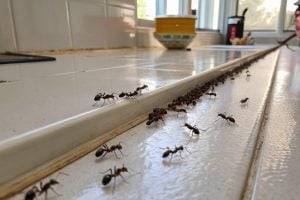
Imagine you’re at home, enjoying a peaceful evening, when you suddenly notice a trail of ants marching across your kitchen counter. It’s a common nuisance that can quickly become an overwhelming problem.
You might be tempted to reach for your vacuum cleaner, hoping it’s a quick fix for your ant invasion. But will a vacuum kill ants, or is it just a temporary solution? This question might have crossed your mind as you watch those tiny invaders scurrying around.
Before you decide, it’s crucial to understand the effectiveness and limitations of using a vacuum for ant control. Stick with us, and you’ll discover the truth behind this household hack, so you can make an informed decision and reclaim your space from these pesky intruders.
Vacuuming Ants: Does It Work
Wondering if vacuuming ants is an effective way to get rid of them? Many people reach for the vacuum cleaner as a quick solution when they spot ants marching across their floors. But does sucking them up actually kill the ants or just scatter the problem?
How Vacuums Affect Ants
Vacuum cleaners can remove ants from your immediate environment by pulling them into the dustbin. The force of the suction often injures or kills some ants instantly. However, some ants might survive the trip inside the vacuum, especially if the bin is not emptied right away.
When ants are trapped inside the vacuum bag or container, they usually die from lack of air or dehydration over time. But if you don’t dispose of the vacuum contents promptly, surviving ants might crawl back out, creating a new problem. This makes vacuuming a temporary fix rather than a guaranteed kill method.
Limitations Of Vacuuming Ants
Vacuuming targets only the ants you see on the surface. It doesn’t address the root of the issue—the ant colony or nest, which often lies hidden inside walls or under floors. Without eliminating the colony, ants will keep coming back no matter how many you vacuum up.
Another limitation is that vacuuming can scatter pheromone trails. Ants use these trails to communicate and find food. Disturbing them might confuse the ants temporarily, but it can also cause them to spread out and explore new areas in your home.
Consider this: Would you want to keep vacuuming daily, only to see more ants return? Targeting the colony with baits or professional pest control is usually a more effective long-term solution. Vacuuming can help clean up the visible mess but rarely solves the problem on its own.
Best Vacuum Types For Ant Removal
Choosing the right vacuum can make a big difference when you’re trying to get rid of ants effectively. Not all vacuums are created equal for this task. Some types are easier to maneuver around tight spots, while others offer stronger suction to ensure ants don’t escape.
Corded Vs. Cordless Vacuums
Corded vacuums generally provide more consistent suction power, which is great for picking up even tiny ants quickly. You won’t have to worry about battery life cutting your cleaning short. However, the cord can limit your mobility, especially if ants are scattered over a large area or hard-to-reach corners.
Cordless vacuums offer freedom of movement and are often lighter, making it easier to chase ants around furniture and along baseboards. Just remember to charge it fully beforehand to avoid interruptions. If you’ve tried both, which one fits your home’s layout and your cleaning style better?
Features To Look For
- Strong Suction:Ants are tiny and quick, so a vacuum with powerful suction is essential to prevent them from escaping.
- Compact Nozzle:A narrow attachment helps you reach cracks and crevices where ants love to hide.
- Easy to Empty:You don’t want ants crawling back out after vacuuming. Look for a vacuum with a bagless design or a sealed bag that you can dispose of quickly.
- HEPA Filter:This helps trap allergens and tiny particles, improving air quality after vacuuming ants and their trails.
When I used a vacuum with a crevice tool attachment, I noticed ants vanished from places I hadn’t even considered—like the edges of kitchen cabinets. Have you checked if your vacuum comes with these handy accessories? They can turn a simple vacuum into a precision ant-removal tool.
Step-by-step Vacuuming Method
Vacuuming ants can be an effective way to reduce their numbers quickly without using chemicals. However, success depends on how you prepare, vacuum, and dispose of the ants afterward. Here’s a clear guide to help you get the best results with your vacuuming approach.
Preparing Your Vacuum
Start by choosing a vacuum with strong suction and a narrow nozzle to reach tight spots where ants gather. Make sure the vacuum bag or container is empty or clean to maximize suction power.
Check that all attachments are ready and accessible. You might want to use a hose or crevice tool for corners and cracks where ants hide.
Effective Vacuuming Techniques
Move slowly and steadily over ant trails and nests to ensure you capture as many ants as possible. Focus on entry points like baseboards, window sills, and under appliances.
Don’t rush; repeated passes might be necessary to catch hidden workers and larvae. Try vacuuming at different times of the day to catch ants when they’re most active.
Disposal Of Vacuumed Ants
Empty the vacuum bag or canister immediately after use to prevent ants from escaping or returning. Seal the contents in a plastic bag and dispose of it outside your home.
If your vacuum uses a bagless container, rinse it with soapy water to kill any surviving ants. Remember, the way you dispose of the ants can make or break your effort to keep them gone for good.
Credit: www.cmu.fr
Alternative Pest Control Methods
Vacuuming ants can remove visible pests but won’t solve the problem fully. Alternative pest control methods target ants more effectively. These options help control ants without relying on just one solution. Combining various methods offers better results and keeps ants away longer.
Natural Remedies For Ants
Natural remedies use safe ingredients found in homes or gardens. They repel ants and stop them from entering your space.
- Sprinkle cinnamon or coffee grounds near entry points.
- Use vinegar mixed with water to wipe surfaces.
- Place lemon juice around windows and doors.
- Set up diatomaceous earth where ants walk.
- Grow mint or basil plants to deter ants naturally.
Chemical Treatments
Chemical treatments offer quick and strong action against ants. Choose products designed for indoor or outdoor use.
- Use ant baits to attract and kill ants inside nests.
- Apply insecticide sprays on trails and nests.
- Try ant granules for yard treatment.
- Follow label instructions carefully for safety.
- Wear gloves and keep children and pets away.
Preventive Measures
Preventive steps reduce the chances of ants invading your home. These habits help keep ants out for good.
- Seal cracks and holes around doors and windows.
- Store food in airtight containers.
- Clean up crumbs and spills immediately.
- Take out garbage regularly and use sealed bins.
- Fix leaky pipes and remove standing water sources.
When To Call A Professional
Vacuuming ants can help reduce their numbers, but it does not solve the root problem. Sometimes, the infestation is too large or hidden deep inside walls. Knowing when to call a professional can save time and prevent further damage. Professionals have the tools and knowledge to handle severe ant problems safely and effectively.
Signs Of Severe Infestation
- Seeing large groups of ants inside your home daily
- Finding multiple ant nests near or inside your house
- Noticing damage to wood, insulation, or other materials
- Ant trails that keep returning after cleaning or vacuuming
- Food contamination or spoiled supplies due to ants
Benefits Of Professional Help
- Experts identify the species and target the colony precisely
- Use of stronger, safe insecticides not available to the public
- Long-term solutions to prevent ants from coming back
- Quick and thorough treatment reduces stress and effort for you
- Advice on home repairs and cleanliness to avoid future infestations

Credit: insights.made-in-china.com

Credit: www.terro.com
Frequently Asked Questions
Does Vacuuming Effectively Kill Ants Instantly?
Vacuuming removes ants from surfaces but doesn’t always kill them immediately. Some ants survive inside the vacuum. For better control, empty the vacuum bag or canister promptly to prevent ants from escaping or returning.
Can A Vacuum Prevent An Ant Infestation?
Vacuuming helps reduce visible ants but won’t stop infestations alone. It removes ants and debris but won’t eliminate nests. Combine vacuuming with other treatments like bait or insecticides for effective ant control.
Should I Use A Vacuum Or Insecticide For Ants?
Vacuuming is a safe, chemical-free way to remove ants. Insecticides target ants more effectively by killing colonies. Use vacuuming for quick cleanup and insecticides for long-term prevention.
How Often Should I Vacuum To Control Ants?
Vacuum frequently to remove ants and food crumbs that attract them. Daily or every other day vacuuming helps reduce ant presence and limits their food sources. Consistency improves ant control efforts.
Conclusion
Vacuuming ants can remove many from your space quickly. It works best for small groups and visible ants. This method does not kill all ants or their eggs. Using a vacuum alone may not solve an ant problem. Combine vacuuming with other control steps for better results.
Stay patient and consistent to reduce ants over time. Keep your home clean to avoid attracting ants again. Small efforts can lead to fewer ants in your home.