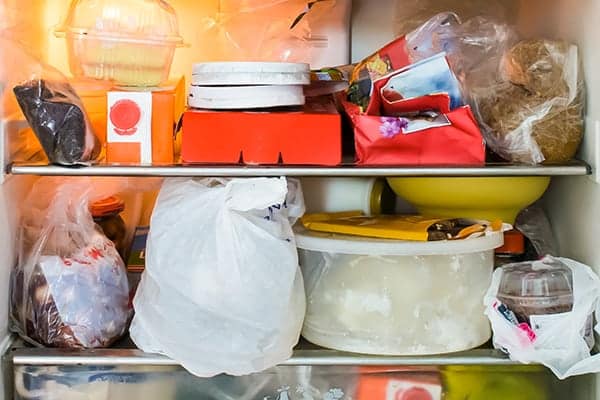
Have you ever opened your refrigerator, only to find your fresh produce or milk partially frozen? It can be puzzling and downright annoying.
You might start questioning if something is wrong with your fridge or if you need to adjust your settings. You’re not alone in this frosty predicament. Many people face the same issue and are left wondering why their food, meant to be kept cool, ends up freezing instead.
Understanding why this happens can save you time, money, and the disappointment of spoiled groceries. We’ll dive into the common causes of food freezing in your refrigerator and how you can prevent it from happening again. Get ready to uncover simple solutions that will make your fridge work smarter for you.
Credit: www.electrolux.in
How Refrigerators Work
Understanding how refrigerators work helps explain why food freezes inside them. Refrigerators do not just keep food cold; they remove heat from inside the fridge. This process keeps the temperature low enough to preserve food but can also cause freezing under certain conditions.
Cooling Mechanism Basics
Refrigerators use a cooling system based on a chemical called refrigerant. This refrigerant absorbs heat from the fridge’s interior and releases it outside. A compressor pumps the refrigerant through coils inside and outside the fridge. As the refrigerant evaporates inside the fridge, it cools the air around the food.
The cold air circulates inside the fridge, lowering the temperature. This cycle repeats to keep the inside cold. The balance of heat removal and air circulation controls how cold the fridge gets.
Temperature Settings Impact
Temperature settings directly affect how cold the fridge becomes. Setting the temperature too low can cause food to freeze. This happens because the fridge tries to reach the set point by running longer.
Different areas inside a fridge can be colder than others. Food near cooling vents or walls can freeze more easily. Adjusting the temperature to a moderate level helps prevent unwanted freezing. Proper settings keep food fresh without turning it into ice.

Credit: foodguides.com
Common Reasons Food Freezes
Food freezing inside a refrigerator can be frustrating, especially when you expect your fresh produce or leftovers to stay just cool, not frozen solid. Understanding why this happens helps you avoid wasting food and keeps your fridge working efficiently. Let’s look at the most common reasons your food might freeze unexpectedly.
Thermostat Set Too Low
Your refrigerator’s thermostat controls the temperature inside. If it’s set too low, the fridge will get colder than necessary, causing some items to freeze.
Many people accidentally turn the dial too far down thinking it will keep food fresher longer. Have you checked your thermostat settings lately? Adjusting it to around 37°F (3°C) usually prevents freezing while keeping food safe.
Cold Air Vents Placement
The placement of cold air vents inside your fridge affects how cold air circulates. If food is placed directly in front of these vents, it may freeze due to concentrated cold air.
Think about where you store sensitive items like lettuce or milk. Moving them away from vents can stop freezing without changing the fridge temperature.
Overcrowded Refrigerator
It might seem like a good idea to fit as much as possible in your fridge, but overcrowding blocks proper air flow. This uneven cooling can cause some areas to get too cold, freezing food.
Try to leave space between items to let cold air circulate freely. Do you often find yourself stuffing the fridge just before grocery day? Taking a moment to rearrange could save your food from freezing.
Malfunctioning Components
Sometimes, freezing problems stem from faulty parts like the thermostat sensor, defrost timer, or temperature control board. These components keep your fridge running smoothly.
If you’ve ruled out settings and placement, it might be time to call a technician. Have you noticed your fridge running constantly or making strange noises? These signs often point to malfunctioning parts causing uneven cooling.
Foods Prone To Freezing
Some foods are more likely to freeze in your refrigerator than others. Understanding which items are prone to freezing helps you avoid unexpected texture changes or damage. It also lets you adjust your fridge settings or storage methods to keep your food fresh and tasty.
High Water Content Items
Foods with a high water content freeze quickly and can suffer texture changes once thawed. Think of items like cucumbers, watermelon, and lettuce. Their cells fill with ice crystals, which can make them mushy or watery when they thaw.
Have you ever noticed your cucumber turning limp after being in the fridge too long? That’s because the water inside it starts to freeze, damaging its crisp structure. To keep these items fresh, store them away from the coldest parts of your fridge or use a crisper drawer with controlled humidity.
Delicate Fruits And Vegetables
Delicate fruits such as berries and leafy greens are especially vulnerable to freezing damage. Freezing breaks down their soft tissues, causing them to lose flavor and become soggy after thawing. Strawberries and spinach are common examples that don’t do well when exposed to freezer temperatures.
If you want to keep these foods fresh, consider quick usage or storing them in insulated containers. You might also ask yourself: is it better to refrigerate or freeze these items if you aren’t going to eat them soon? Sometimes, freezing them properly is the only way to preserve them, but it requires special care.

Credit: getmainelobster.com
Simple Fixes To Prevent Freezing
Freezing food unintentionally in your refrigerator can be frustrating, especially when it ruins fresh produce or delicate leftovers. Luckily, small adjustments can often stop this problem. Paying attention to a few key areas inside your fridge can make a big difference in keeping your food perfectly chilled, not frozen.
Adjusting Temperature Settings
Check your refrigerator’s temperature setting first. If it’s too low, your food will freeze. Most fridges work best between 37°F and 40°F (3°C to 4°C).
Try raising the temperature slightly and monitor how your food responds. It’s surprising how a one or two degree change can prevent freezing without sacrificing freshness.
Rearranging Food Placement
Where you place your food inside the fridge matters. Areas near the cooling vents are colder and can freeze items quickly.
Keep sensitive foods like leafy greens or dairy away from these vents. Instead, place them in the middle shelves where temperatures are more stable.
Checking Door Seals
Damaged or loose door seals let cold air escape and cause uneven cooling. This can cause some parts of the fridge to get too cold, freezing your food.
Inspect the seals regularly by closing the door on a piece of paper and trying to pull it out. If it slides out easily, the seal might need cleaning or replacement.
Cleaning Air Vents
Blocked air vents restrict airflow and create cold spots inside the fridge. These cold spots often freeze food items nearby.
Keep vents clear of packaging and food. Periodically wipe them clean to ensure proper air circulation, helping maintain an even temperature throughout.
When To Call A Professional
Knowing when to call a professional for your refrigerator can save you time, money, and spoiled food. Some freezing problems are easy to fix yourself, but others signal deeper issues that need expert attention. Paying attention to the signs can help you decide if it’s time to get help.
Persistent Freezing Issues
If your refrigerator keeps freezing food despite adjusting the temperature settings, something is likely wrong. This isn’t just a one-time hiccup; it happens repeatedly. Such persistent freezing could mean a faulty thermostat or a problem with the defrost system.
Think about how often you’ve had to move items around or adjust settings to stop food from freezing. If these quick fixes don’t work, it’s a clear sign you need a professional. Ignoring this can lead to bigger problems and higher repair costs.
Signs Of Refrigerator Malfunction
Unusual noises, frost buildup on the walls, or water pooling inside the fridge are red flags. These issues can indicate malfunctioning parts like the evaporator fan or door seals that let cold air escape. Have you noticed your fridge running constantly or your energy bills rising without a clear reason?
These symptoms suggest your refrigerator isn’t working efficiently and might freeze food unexpectedly. A professional can diagnose these problems accurately and prevent further damage. Don’t wait until your next grocery trip ends with half-frozen groceries.
Frequently Asked Questions
Why Does Food Freeze In The Refrigerator Sometimes?
Food freezes in the refrigerator when the temperature is set too low. Most refrigerators should be between 35-38°F (1. 6-3. 3°C). If it’s colder, especially near 32°F, water in food can freeze, causing partial or full freezing.
How Can I Prevent Food From Freezing In My Fridge?
To prevent freezing, adjust the fridge temperature to 35-38°F. Avoid placing food near the cooling vents. Use the fridge’s warmer compartments for delicate items. Regularly check the thermostat and ensure proper airflow inside the fridge.
Does Freezing Affect Food Quality In The Refrigerator?
Yes, freezing can change food texture and taste. Water expands when frozen, damaging cell structure. Some foods become mushy or lose flavor after freezing. It’s best to avoid unintentional freezing for optimal food quality.
Can Refrigerator Placement Cause Food To Freeze?
Yes, placing food near cooling vents or the back of the fridge can cause freezing. These areas are colder and can drop below freezing point. Properly organize food away from these spots to avoid freezing.
Conclusion
Food freezes in refrigerators because cold temperatures slow down molecules. This makes water inside food turn into ice. Ice crystals can change the food’s texture and taste. Keeping food too cold causes freezing, even in fridge sections. Knowing this helps you store food better and avoid waste.
Adjust your fridge’s temperature to keep food fresh. Avoid placing warm food inside to prevent freezing. Simple steps can protect your food and save money. Understanding why food freezes helps manage your kitchen well.