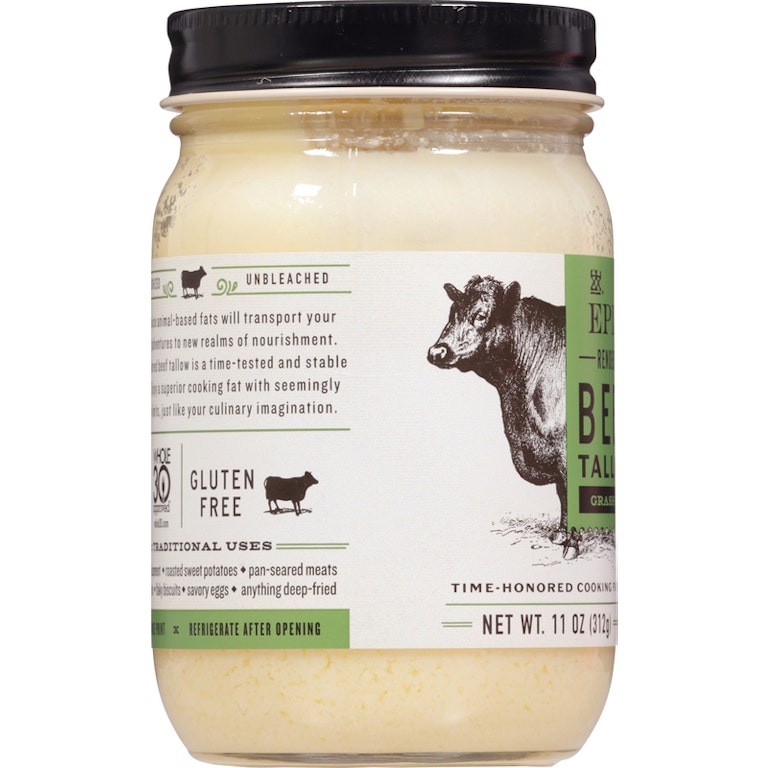
Have you ever found yourself standing in front of your pantry, holding a jar of beef tallow, and wondering, “Do I need to refrigerate this now that it’s open?” If so, you’re not alone.
With more people turning to traditional cooking fats for their flavor and health benefits, understanding how to store these products becomes crucial. You might worry about spoilage or waste, and the last thing you want is to compromise the quality of your cooking.
We’ll unravel the mystery surrounding beef tallow storage and provide you with clear, simple guidance. Keep reading to ensure your culinary creations are always at their best and to save yourself from the dreaded doubt of whether your tallow is safe to use.
What Is Beef Tallow
Beef tallow is a type of fat rendered from beef. It has been used for cooking and other purposes for centuries. This fat is solid at room temperature and has a rich, savory flavor. People value beef tallow for its high smoke point and natural ingredients.
It is made by slowly melting the fat from beef suet or other fatty parts. The process removes impurities and water, leaving pure, clean fat behind. Many cooks prefer beef tallow because it adds depth to recipes and is a stable cooking fat.
Origin And Production Of Beef Tallow
Beef tallow comes from the fatty tissues of cows. Farmers or butchers collect the fat, usually from around the kidneys and other internal areas. The fat is then heated gently to separate it from the meat and water. This process is called rendering.
The liquid fat is filtered and cooled. Once cooled, it becomes a firm, white or slightly yellow block. This block is what we call beef tallow.
Common Uses Of Beef Tallow
- Cooking oil for frying and roasting
- Making traditional soaps and candles
- Ingredient in skincare products
- Flavor enhancer in recipes like pie crusts
Its versatility makes it popular in kitchens and homes worldwide.
Nutritional Benefits Of Beef Tallow
Beef tallow contains mostly saturated and monounsaturated fats. These fats provide long-lasting energy. It also has fat-soluble vitamins like A, D, E, and K. These nutrients help support the immune system and skin health.
Using beef tallow in moderation can be part of a balanced diet.

Credit: zatural.com
Storage Options For Beef Tallow
Beef tallow is a versatile fat used in cooking and skincare. Proper storage keeps it fresh and safe. Different options suit different needs and time frames. Understanding each method helps maintain quality and flavor.
Room Temperature Storage
Beef tallow can stay stable at room temperature. Store it in a clean, airtight container. Keep it in a cool, dark place away from heat and sunlight. This prevents rancidity and spoilage. Room temperature storage works well for short periods, usually up to a month.
Refrigeration Benefits
Refrigerating beef tallow extends its shelf life significantly. The cold environment slows down oxidation and bacterial growth. Use a sealed container to avoid absorbing fridge odors. Refrigerated tallow can last for several months. It may harden but softens quickly at room temperature before use.
Freezing For Longevity
Freezing is the best option for long-term storage. Place beef tallow in a freezer-safe container or bag. Remove as much air as possible before sealing. Frozen tallow can last up to a year without losing quality. Thaw it in the fridge or at room temperature before using.
Signs Beef Tallow Has Gone Bad
Knowing when beef tallow has gone bad is crucial for your health and cooking results. Spoiled tallow can affect the flavor of your dishes and might cause digestive issues. Pay attention to a few clear signs that your beef tallow is no longer safe to use.
Changes In Smell
Fresh beef tallow has a mild, meaty aroma that’s almost neutral. If you notice a sour, rancid, or off-putting smell, it’s a strong indicator the tallow has spoiled.
Sometimes the change in smell is subtle at first, so trust your nose. Have you ever opened a container and immediately felt something was wrong? That’s your best defense against using bad fat.
Texture And Appearance
Good beef tallow is smooth and creamy when solid and clear when melted. If it looks grainy, develops mold spots, or shows discoloration like dark patches or cloudiness, it’s time to toss it out.
Texture changes can also include excessive hardening or separation of oils. These are signs oxidation or bacterial growth may have started, which you don’t want in your kitchen.
Taste Alterations
Taste a tiny bit of the tallow if you’re unsure, but do it carefully. Spoiled tallow often tastes bitter, sour, or just “off” compared to its usual mild flavor.
Have you ever cooked with old fat and ended up with a dish that tastes strange or unpleasant? That’s a clear warning that your beef tallow has lost its freshness.
How To Store Beef Tallow Safely
Storing beef tallow properly keeps it fresh and safe to use. Good storage stops it from going bad or losing flavor. Knowing how to store beef tallow helps maintain its quality for cooking and other uses.
Proper Containers
Use clean, airtight containers for storing beef tallow. Glass jars with tight lids work best. Avoid plastic containers that may absorb odors or chemicals. Metal containers can react with tallow and change its taste. Make sure containers are dry before adding tallow.
Avoiding Contamination
Keep beef tallow free from dirt and water. Use clean utensils to scoop tallow. Do not dip fingers or wet spoons into the container. Contaminants can cause mold or spoilage. Store tallow away from strong-smelling foods to prevent odor absorption.
Shelf Life Expectations
Beef tallow lasts longer when stored correctly. At room temperature, use it within 3 to 6 months. Refrigeration extends shelf life up to a year or more. Frozen tallow can last indefinitely. Always check for off smells or changes in color before use.
Using Refrigerated Beef Tallow
Using refrigerated beef tallow can be a game-changer in your kitchen. Once cooled, it becomes solid and firm, which makes it easy to store but tricky to use right away. Knowing how to soften and cook with refrigerated beef tallow helps you get the most flavor and texture in your dishes.
Softening Techniques
Refrigerated beef tallow is hard and solid, so you’ll need to soften it before use. One simple way is to scoop the amount you need and let it sit at room temperature for 10–15 minutes. This softens it enough to spread or mix without melting completely.
If you’re in a hurry, gently warm it in a microwave-safe bowl for 10-20 seconds. Be careful not to overheat; you want it soft, not liquid. Another option is placing the tallow jar in a bowl of warm water for a few minutes to soften it gradually.
Cooking Tips
Beef tallow is excellent for high-heat cooking because it has a high smoke point. Use it for frying, roasting, or sautéing to add rich flavor to your meals. Have you tried roasting vegetables with beef tallow? It gives them a crispy texture and deep, savory taste.
When using beef tallow for frying, use enough to cover the food evenly. Remember, it solidifies quickly once off heat, so keep your pan hot enough. Also, try combining tallow with other fats like olive oil for a balanced flavor and healthier fat profile.

Credit: www.gianteagle.com

Credit: www.gianteagle.com
Frequently Asked Questions
Do You Need To Refrigerate Beef Tallow After Opening?
Yes, refrigerating beef tallow after opening helps maintain freshness. It prevents spoilage and extends shelf life by slowing oxidation and bacterial growth.
How Long Does Opened Beef Tallow Last Refrigerated?
Opened beef tallow lasts up to six months in the refrigerator. Always store it in an airtight container to preserve quality and prevent contamination.
Can Beef Tallow Be Stored At Room Temperature?
Beef tallow can be stored at room temperature if kept in a cool, dark place. However, refrigeration is recommended for longer freshness and safety.
Does Refrigeration Affect Beef Tallow’s Texture Or Flavor?
Refrigeration may slightly harden beef tallow but does not affect flavor. Let it soften at room temperature before use for best texture.
Conclusion
Beef tallow stays fresh longer when stored properly. Keep it in a cool, dark place or refrigerate after opening. Refrigeration slows spoilage and keeps flavor intact. Always use a clean spoon to avoid contamination. Check for changes in smell or color before use.
Proper storage helps you enjoy beef tallow safely. Simple steps protect your cooking ingredient well. Store wisely and cook with confidence.