Have you ever wondered what to do with that old refrigerator taking up space in your garage or basement? You’re not alone.
Many people face the dilemma of disposing of large appliances in an environmentally friendly and hassle-free way. The question on your mind might be, “Do scrap yards take refrigerators? ” Understanding the answer can save you time, stress, and even money.
Imagine the satisfaction of clearing out clutter and knowing you’ve made a responsible choice. Stick with us to uncover the simple steps you can take to manage your refrigerator disposal efficiently and learn how scrap yards might just be the perfect solution for you.

Credit: cosprings.craigslist.org
Scrap Yards And Refrigerators
Scrap yards play a key role in recycling old appliances like refrigerators. They help reduce waste and recover valuable materials. Many scrap yards accept refrigerators for recycling. This helps keep harmful chemicals out of landfills and promotes environmental safety.
Understanding how scrap yards handle refrigerators makes it easier to recycle them properly. Knowing what types of appliances scrap yards accept can guide you in disposing of your old fridge responsibly.
Types Of Appliances Accepted
- Refrigerators and freezers
- Air conditioners
- Washing machines and dryers
- Microwaves and ovens
- Dishwashers
- Water heaters
- Other household appliances
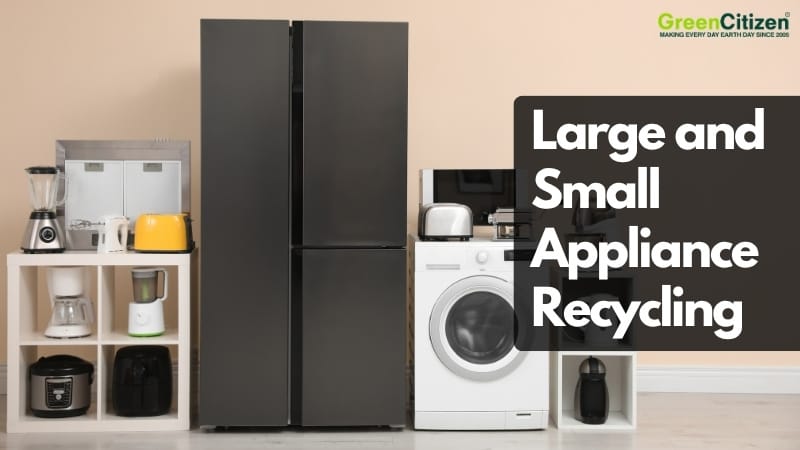
Most scrap yards accept large appliances, including refrigerators. Some require appliances to be emptied or have certain parts removed. Always check with your local yard for specific rules.
Why Refrigerators Are Valuable Scrap
Refrigerators contain metals like steel, copper, and aluminum. These metals have good scrap value. Extracting and recycling these materials saves natural resources.
Refrigerators also hold refrigerants that require careful removal. Proper handling prevents environmental harm. Scrap yards follow safety rules to remove these chemicals safely.
Recycling refrigerators reduces landfill waste. It lowers pollution and energy use. Scrap yards make this process easier and eco-friendly.
Preparing Refrigerators For Scrap
Preparing your refrigerator for scrap is more important than you might think. Proper preparation ensures safety, helps scrap yards accept your appliance, and can even increase the value you get. Before you haul your fridge off, there are specific steps you need to take to get it ready.
Removing Hazardous Materials
Refrigerators contain materials that can be harmful to the environment if not handled correctly. You must remove refrigerants like Freon, which require special tools and professional handling. Many scrap yards won’t accept a fridge unless these hazardous substances have been safely extracted.
If you’re unsure how to remove these materials, it’s best to contact a licensed technician. Attempting to remove refrigerants yourself can be dangerous and illegal in some areas. Think about the impact on the environment—would you want harmful chemicals leaking into the ground?
Disconnecting And Cleaning
After handling hazardous materials, unplug the refrigerator and disconnect any water lines if it has an ice maker or water dispenser. Leaving connections attached can cause leaks and damage during transport. Make sure you also clear out all food, shelves, and drawers.
Cleaning the inside helps prevent odors and pests from becoming an issue while the fridge sits waiting to be scrapped. A quick wipe-down with mild soap and water works well. Have you noticed how a clean appliance feels more valuable to you? The same applies to scrap yards—they prefer fridges that are clean and free of debris.
Environmental Impact Of Refrigerator Disposal
Refrigerator disposal affects the environment in several ways. Old refrigerators contain harmful chemicals that can leak. These chemicals damage the air and water around us. Proper disposal helps reduce pollution and protect nature. Understanding the risks and proper handling is important for safe refrigerator recycling.
Refrigerants And Their Risks
Refrigerators use chemicals called refrigerants to keep things cold. Many refrigerants contain substances that harm the ozone layer. These chemicals can also trap heat in the atmosphere, causing global warming. If released, refrigerants stay in the air for years. This makes careless disposal a serious environmental problem.
Common refrigerants include:
- CFCs (chlorofluorocarbons)
- HCFCs (hydrochlorofluorocarbons)
- HFCs (hydrofluorocarbons)
All can cause damage if not handled correctly. Proper disposal prevents these gases from escaping into the environment.
Proper Handling Procedures
Safe refrigerator disposal requires special care. Certified technicians remove refrigerants before scrapping. This step stops harmful gases from leaking.
Key procedures include:
- Recovering refrigerants using approved machines
- Disposing of refrigerants in a safe, regulated way
- Recycling metal parts and other materials
Following these steps keeps the environment clean and safe. Scrap yards that follow regulations help reduce pollution. This makes recycling refrigerators a responsible choice for the planet.
Finding The Right Scrap Yard
Finding the right scrap yard is important when you want to recycle a refrigerator. Not all scrap yards accept refrigerators due to safety and environmental rules. Choosing the right place saves time and ensures proper handling of your appliance.
Local Regulations And Requirements
Each area has its own rules about recycling refrigerators. Some places require you to remove certain parts, like coolant or compressors. Other places may need a special permit or proof of ownership. Knowing these rules helps avoid fines or rejection.
Contact your local waste management or government website for clear guidelines. Confirm if the scrap yard follows these rules. This step keeps the process smooth and legal.
Questions To Ask Before Dropping Off
Before taking your refrigerator to a scrap yard, ask key questions. These help clarify what the yard accepts and what you need to do.
- Do you accept refrigerators for scrap?
- Are there any fees for dropping off appliances?
- Do I need to remove any parts before bringing it?
- How do you handle refrigerants and hazardous materials?
- What documents or proof do you require?
- What hours do you accept drop-offs?
Getting answers saves frustration and ensures proper recycling. Choose a yard that clearly explains their process and rules.
Alternatives To Scrap Yards
Scrap yards aren’t the only place to get rid of your old refrigerator. If you want to avoid the hassle or are looking for more eco-friendly or beneficial options, there are other paths you can take. These alternatives can save you money, help someone in need, or ensure your fridge is recycled properly.
Recycling Centers
Many local recycling centers accept refrigerators because they specialize in handling bulky appliances safely. These centers ensure harmful components like refrigerants and oils are removed before recycling the metal and plastic parts.
Before dropping off your fridge, call the center to check if they have any preparation requirements, such as removing doors or draining fluids. Using a recycling center often costs less than scrap yards and guarantees your appliance is processed according to environmental standards.
Donation And Resale Options
If your refrigerator still works, why not donate it? Charities, shelters, or community centers often need appliances and may even arrange free pickup.
You can also consider selling your fridge online through platforms like Facebook Marketplace or Craigslist. This not only gives your appliance a second life but puts some cash back in your pocket.
Ask yourself: could your old fridge make a difference to someone else before you send it off to scrap? Sometimes, one person’s junk is another’s treasure.

Credit: nixxitjunk.com
Costs And Payments
Understanding the costs and payments involved when scrapping your refrigerator can help you make informed decisions. Some scrap yards may charge fees for disposal, while others might pay you for the metal inside. Knowing what to expect ensures you won’t be caught off guard and might even turn your old appliance into cash.
Potential Fees For Disposal
Not every scrap yard accepts refrigerators for free. Some charge a disposal fee due to the special handling needed for refrigerants and other hazardous materials.
These fees can vary widely depending on your location and the scrap yard’s policies. For instance, a yard might charge between $20 to $50 just to take your fridge off your hands.
Always ask about fees upfront. This helps you decide if scrapping your fridge there makes financial sense or if another option is better.
Getting Paid For Scrap Refrigerators
Some scrap yards pay you based on the weight and type of metal inside your refrigerator. Copper coils and steel panels have market value, which can earn you money.
Prices fluctuate depending on metal markets, but getting a few dollars per fridge is common. If you remove parts like compressors yourself, the value might increase.
Have you checked your local scrap yard’s rates recently? Sometimes, selling directly to a scrap yard is more profitable than trading in at an appliance store.
Credit: greencitizen.com
Frequently Asked Questions
Do Scrap Yards Accept Old Refrigerators?
Yes, most scrap yards accept old refrigerators for recycling. They safely remove harmful chemicals and recycle metal parts responsibly.
How Much Do Scrap Yards Pay For Refrigerators?
Payment varies by scrap yard and refrigerator weight. Generally, you can expect payment based on metal scrap value.
What Preparation Is Needed Before Scrapping A Refrigerator?
Remove all food, unplug the unit, and drain fluids if required. Some yards may need proof of ownership.
Can Scrap Yards Recycle Refrigerator Refrigerants Safely?
Yes, certified scrap yards handle refrigerants following environmental regulations to prevent harmful gas release during recycling.
Conclusion
Scrap yards do accept refrigerators, but they have rules to follow. You must remove all food and clean the fridge first. Some scrap yards ask for the refrigerator to be empty of chemicals. Many places recycle parts safely to protect the environment.
Taking old fridges to scrap yards helps reduce waste. It also allows valuable materials to be reused. Always check with your local scrap yard before bringing your fridge. This saves time and ensures you meet their requirements. Recycling old appliances is a smart and responsible choice.