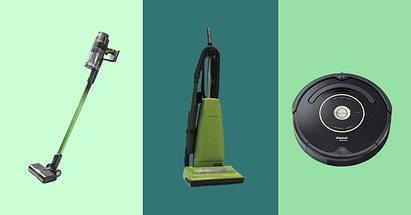
Have you ever finished cleaning your home, only to realize your trusty vacuum cleaner has given up the ghost? It’s a frustrating situation, and now you’re left wondering, “Can I throw a vacuum in the trash?”
Before you toss it to the curb, let’s pause for a moment. This seemingly simple decision can have surprising consequences. Understanding the right way to dispose of your vacuum not only helps the environment but could also save you from unexpected fines or legal issues.
Keep reading, because by the end of this article, you’ll know exactly what to do with your broken vacuum, and why it’s more important than you might think.
Vacuum Disposal Basics
Vacuum disposal basics are important for keeping homes and the environment safe. Many people wonder if they can just throw their old vacuum in the trash. Understanding proper disposal helps reduce waste and pollution. It also follows local laws and keeps hazardous materials out of landfills.
Why Proper Disposal Matters
Vacuum cleaners contain parts that can harm the environment. Throwing them in the trash can cause leaks of dangerous materials. Some parts may be recyclable but need special handling. Proper disposal protects soil, water, and air quality. It also helps recover valuable materials like metals and plastics.
Environmental Impact Of Vacuums
Vacuum cleaners often have batteries, plastics, and metals. These materials take many years to break down in landfills. Batteries can leak chemicals that poison the earth and water. Plastics add to growing pollution problems worldwide. Recycling vacuums reduces waste and lowers the need for new raw materials.

Credit: evacuumstore.com
Can You Throw Vacuums In Trash?
Throwing a vacuum in the trash is not always simple. Many people wonder if they can just toss old vacuums in their regular garbage bins. The answer depends on several factors. These include local rules and the potential hazards of vacuum components. Understanding these points helps in proper disposal and protects the environment.
Local Waste Regulations
Local rules often control how to dispose of vacuums. Many cities treat vacuums as electronic waste. This means they cannot go into regular trash bins. Some places require dropping off vacuums at special recycling centers. Others offer collection days for electronic devices. Checking with local waste management helps avoid fines. It also ensures vacuums are handled safely and correctly.
Potential Hazards
Vacuums can contain harmful parts. For example, batteries and motors may have chemicals. These chemicals can leak and pollute soil and water. Throwing a vacuum in regular trash risks damage to landfill sites. Some vacuums have small parts that can harm wildlife. Proper disposal helps keep the environment clean and safe. It also supports recycling valuable materials inside vacuums.
Safe Ways To Dispose Of Vacuums
Disposing of your old vacuum cleaner safely is important not only for the environment but also for your community. Tossing a vacuum in the regular trash might seem like the easiest choice, but it can cause harm due to electronic components and batteries inside. Instead, consider these safer, eco-friendly options that keep waste out of landfills and give your vacuum a second life.
Recycling Programs
Many cities offer electronic recycling programs where you can drop off old vacuums. These programs break down the device to recover valuable metals and plastics, reducing environmental impact. Check your local waste management website or call your city hall to find nearby recycling events or permanent drop-off locations.
Some retailers also accept vacuums for recycling when you buy a new one. This makes it easy to exchange old devices without extra trips. Have you looked into whether your favorite store participates in such programs?
Donation Options
If your vacuum still works, donating is a great way to extend its life. Local charities, shelters, or community centers often welcome small appliances to help those in need. You might be surprised how many people appreciate a functioning vacuum, especially if it’s gently used.
Before donating, clean the vacuum and check that all parts are included. This ensures it’s ready to use immediately. Have you ever donated household items and felt good knowing they’d help someone else?
Manufacturer Take-back
Many vacuum manufacturers offer take-back programs to recycle or refurbish old machines. These programs often provide prepaid shipping labels or drop-off points. This option ensures your vacuum is handled responsibly by those who know the product best.
Visit the manufacturer’s website or contact customer service to see if they offer such a program. Participating in these take-backs supports recycling efforts and may even earn you a discount on your next purchase. Wouldn’t it be great to recycle and save money at the same time?

Credit: evacuumstore.com
Preparing Your Vacuum For Disposal
Preparing your vacuum for disposal ensures safety and helps with recycling. Proper steps protect the environment and prevent harm. Removing batteries and other parts is crucial before discarding. Cleaning the vacuum helps avoid mess and odors. Packaging it right makes transportation easier and safer.
Removing Batteries And Parts
Batteries can leak harmful chemicals. Remove all batteries from the vacuum first. Check for removable parts like filters or brushes. Separate these parts to recycle or dispose of properly. Handle parts carefully to avoid damage. Keep small pieces in a container to avoid loss.
Cleaning And Packaging Tips
Empty the dust container or bag. Wipe the vacuum’s surface to remove dust and dirt. Avoid using strong chemicals that may damage parts. Use a damp cloth for cleaning. Let the vacuum dry completely before packaging.
- Wrap the vacuum in old newspapers or plastic wrap.
- Use a sturdy box to protect it during transport.
- Label the box if the vacuum contains electronic parts.
Alternatives To Throwing Away
Throwing away a vacuum is not the only option. Many alternatives help reduce waste and save money. These choices also benefit the environment by keeping useful items out of landfills.
Repairing Old Vacuums
Fixing a broken vacuum extends its life. Small repairs like replacing belts or filters are simple. More complex issues might need a professional technician. Repair shops often offer affordable solutions. Using original parts ensures better performance. Repairing avoids the need to buy a new vacuum. It also cuts down on electronic waste.
Selling Or Gifting
Vacuum cleaners in good condition can be sold or given away. Online marketplaces make selling easy and quick. Local community groups or charity shops often accept vacuum donations. Gifting a vacuum helps someone who cannot afford a new one. Before selling or gifting, clean the vacuum thoroughly. Include any extra parts or accessories to add value.

Credit: evacuumstore.com
Frequently Asked Questions
Can I Throw A Vacuum Cleaner In The Trash?
No, you should not throw a vacuum cleaner in regular trash. It contains electronic parts and materials that require special disposal.
How Do I Dispose Of An Old Vacuum Cleaner?
Take it to an electronic waste recycling center or a local hazardous waste facility. Many stores also offer recycling programs for vacuums.
Is It Safe To Throw Vacuum Parts In The Trash?
No, vacuum parts like batteries and motors can harm the environment. Proper recycling prevents pollution and conserves resources.
Are Vacuum Cleaners Recyclable?
Yes, many vacuum cleaners are recyclable. Separate electronic components and plastic parts before recycling at designated centers.
Conclusion
Throwing a vacuum in the trash is not the best choice. Many parts can harm the environment if not disposed of properly. Recycling or donating old vacuums helps reduce waste. Local recycling centers often accept electronics like vacuums. Check your area’s rules before tossing it away.
Taking a moment to recycle protects nature and saves resources. Small actions make a big difference. Choose the eco-friendly way to dispose of your vacuum cleaner.