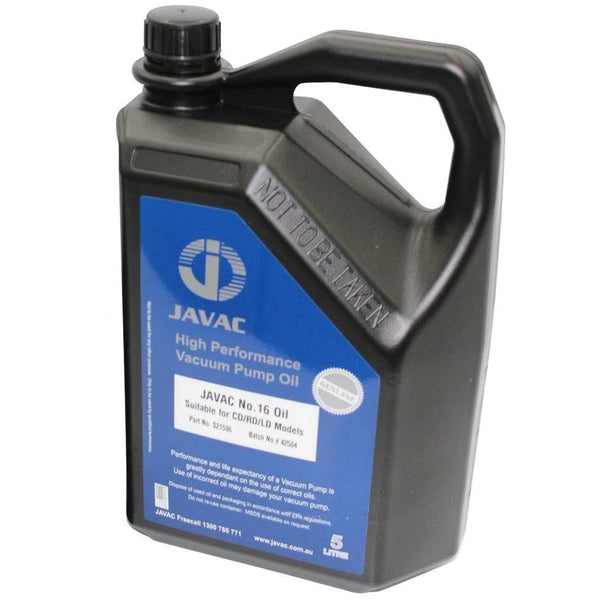
Ever wondered why vacuum pump oil is chosen over refrigerant oil for specific applications? If you’re curious about the subtle yet significant difference between these two oils, you’re not alone.
Understanding the right type of oil to use in your machinery can be the key to its longevity and performance. Imagine the relief of knowing you’re using the best oil for your vacuum pump, ensuring it runs smoothly and efficiently.
This knowledge can save you time, money, and unnecessary stress. Keep reading to discover why vacuum pump oil is the preferred choice and how it can benefit your equipment. Your curiosity is about to pay off with insights that might just change the way you handle your machinery!
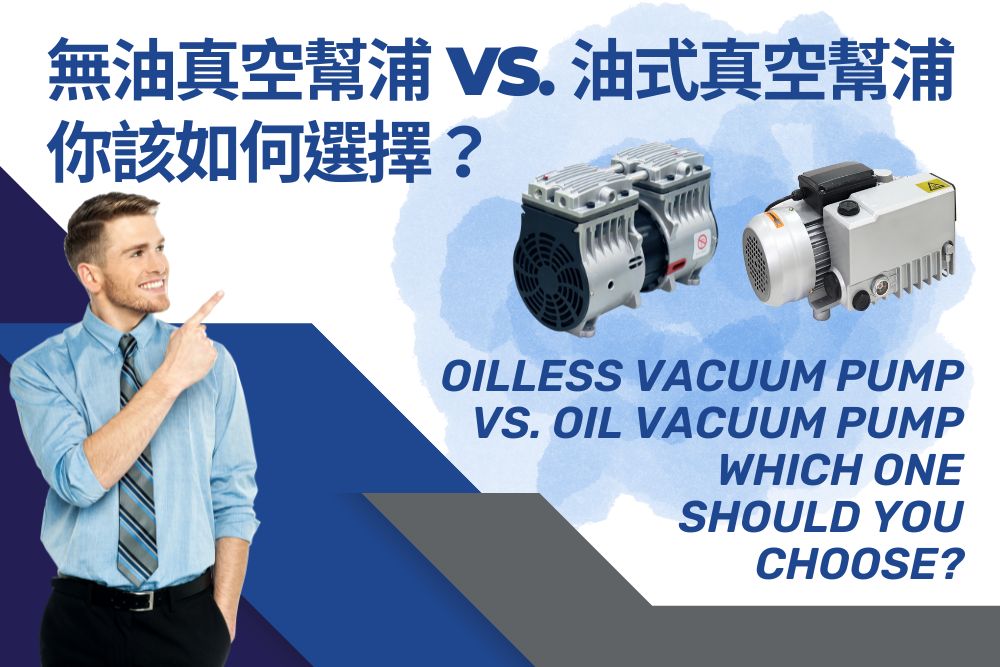
Credit: unicrown-tw.com
Role Of Vacuum Pump Oil
Vacuum pump oil plays a crucial role in the efficient operation of vacuum pumps. It is specially designed to support the pump’s function while protecting its internal components. Understanding why vacuum pump oil is preferred over refrigerant oil starts with grasping its specific role in maintaining pump performance and longevity.
Purpose In Vacuum Pumps
Vacuum pump oil creates a tight seal between the moving parts inside the pump. This seal helps maintain the vacuum by preventing air leaks. Without this seal, the pump cannot reach the low pressures needed for many applications.
The oil also lubricates the internal components, reducing friction and wear. This ensures the pump runs smoothly and lasts longer. If you’ve ever noticed your pump overheating or making unusual noises, it’s often a sign the oil isn’t doing its job properly.
Characteristics Of Vacuum Pump Oil
Vacuum pump oil differs from refrigerant oil in several key ways. It has a low vapor pressure, meaning it doesn’t evaporate easily under the pump’s operating conditions. This is critical because evaporated oil can contaminate the vacuum system and reduce efficiency.
- High thermal stability:It withstands high temperatures without breaking down.
- Good lubricity:It reduces wear on pump parts, ensuring smooth operation.
- Chemical resistance:It resists oxidation and chemical attack from contaminants.
Have you ever wondered why using the wrong oil can lead to pump failure? Using refrigerant oil, which evaporates quickly and lacks these properties, can cause poor vacuum performance and damage. Choosing the correct vacuum pump oil safeguards your equipment and saves you costly repairs.

Credit: www.achrnews.com
Limitations Of Refrigerant Oil
Refrigerant oil has clear limits that affect its use in vacuum systems. It is designed for different conditions than vacuum pump oil. These limits reduce its efficiency and lifespan in vacuum pumps. Understanding these limits helps explain why vacuum pump oil is preferred.
Chemical Composition Differences
Refrigerant oil contains additives for lubrication and refrigerant compatibility. These additives can break down under vacuum. The chemical structure is less stable at low pressure. It may react with air and moisture, causing sludge or deposits. These reactions reduce oil purity and pump performance.
Vacuum pump oil has a simpler, stable chemical makeup. It resists oxidation and maintains purity under vacuum. This stability prevents damage and keeps the pump running smoothly.
Performance In Vacuum Conditions
Refrigerant oil is made for high pressure and temperature with refrigerants. It does not handle the low pressure in vacuum pumps well. It evaporates faster, causing oil loss and contamination. The oil film becomes thin, reducing lubrication.
Vacuum pump oil has a low vapor pressure. This means it does not evaporate quickly under vacuum. It keeps a thick, steady film on pump parts. This ensures smooth operation and longer pump life.
Advantages Of Vacuum Pump Oil
Vacuum pump oil offers distinct advantages over refrigerant oil. It is specially designed to meet the demands of vacuum pumps. This oil ensures better performance and durability. Using vacuum pump oil improves the efficiency and lifespan of your equipment. Below are some key benefits that explain why it is preferred.
Enhanced Lubrication
Vacuum pump oil provides superior lubrication to pump components. It reduces friction and wear effectively. This oil forms a stable film that protects moving parts. Smooth operation lowers the risk of breakdowns. It helps maintain consistent pump speed and power.
Improved Heat Resistance
This oil withstands high temperatures without breaking down. It resists oxidation and thermal degradation. Heat resistance prevents oil thickening and sludge formation. The pump runs cooler and cleaner over time. It supports stable vacuum pressure and reliable operation.
Better Contaminant Handling
Vacuum pump oil traps and suspends contaminants better. It prevents particles from damaging the pump mechanism. This oil separates well from moisture and gases. Cleaner oil means less maintenance and longer intervals between changes. The pump remains efficient and protected from corrosion.
Impact On Pump Efficiency
Using vacuum pump oil instead of refrigerant oil directly affects the pump’s efficiency. The right oil reduces friction inside the pump, allowing it to run smoothly. This leads to better performance and less energy use. Choosing the correct oil keeps the pump working at its best for a long time.
Reduced Wear And Tear
Vacuum pump oil has properties that protect the pump parts. It forms a strong barrier between moving components. This barrier reduces friction and stops metal parts from rubbing hard against each other. Less friction means fewer chances of damage and wear.
The oil also resists heat and chemical breakdown. It stays stable under tough conditions inside the pump. Refrigerant oil can break down faster, causing sludge and deposits. These deposits increase wear and reduce pump efficiency.
Longer Pump Lifespan
Using vacuum pump oil helps the pump last longer. It keeps the internal parts clean and well-lubricated. This reduces the risk of early failure and costly repairs.
Good lubrication lowers the chance of overheating and mechanical problems. Pumps run cooler and smoother with the right oil. Over time, this extends the pump’s life and saves money on replacements.
Environmental And Safety Factors
Environmental and safety factors play a key role in choosing vacuum pump oil over refrigerant oil. These oils serve different purposes and must meet strict standards for handling and impact on health. Understanding these factors helps highlight why vacuum pump oil is preferred in many applications.
Toxicity And Disposal
Vacuum pump oil has lower toxicity than refrigerant oil. It contains fewer harmful chemicals that can damage the environment. Disposal of vacuum pump oil follows safer, more regulated methods. It breaks down more easily and poses less risk to water and soil.
Refrigerant oils may contain substances that can harm wildlife and humans. Their disposal requires special care to avoid air and water pollution. Using vacuum pump oil reduces the chance of releasing toxic elements during leaks or spills.
Operational Safety Benefits
Vacuum pump oil offers better safety during machine operation. It has a higher flash point, making it less likely to catch fire. This helps protect workers and equipment in industrial settings.
Refrigerant oils often need careful handling due to their chemical makeup. Vacuum pump oils reduce the risk of harmful fumes or reactions under heat. This creates a safer work environment and lowers maintenance hazards.

Credit: www.provac.com
Choosing The Right Oil
Choosing the right oil for your vacuum pump is crucial for its performance and longevity. Using vacuum pump oil instead of refrigerant oil isn’t just a random choice; it comes down to how well the oil matches the pump’s operating environment and requirements. Let’s break down what you need to consider when selecting the best oil.
Oil Compatibility
Vacuum pump oil is specially formulated to handle the extreme conditions inside a vacuum pump. It resists vaporization and maintains its viscosity under low pressure, which refrigerant oil often cannot do. Using refrigerant oil might seem convenient, but it can lead to poor sealing and contamination inside the pump.
Have you ever noticed your pump oil turning cloudy or smelling strange? That’s a sign of chemical incompatibility. Vacuum pump oils also resist acids and moisture better, which protects your equipment from corrosion and damage.
Maintenance Considerations
Maintenance becomes easier when the right oil is used. Vacuum pump oils typically last longer and require less frequent changes, saving you time and money. If you use refrigerant oil, you may find yourself needing to replace the oil more often due to breakdown and contamination.
Also, vacuum pump oils are designed to work well with the pump’s seals and gaskets, reducing leaks and wear. This means fewer repairs and less downtime. Would you rather spend time troubleshooting your pump or focusing on your project? Choosing the right oil helps keep your equipment reliable and your work uninterrupted.
Frequently Asked Questions
Why Is Vacuum Pump Oil Preferred Over Refrigerant Oil?
Vacuum pump oil resists vaporization and contamination better than refrigerant oil. It ensures efficient vacuum sealing and prevents damage to the pump.
Can Refrigerant Oil Replace Vacuum Pump Oil?
Refrigerant oil is not suitable for vacuum pumps. It vaporizes easily and causes poor vacuum performance and pump wear.
How Does Vacuum Pump Oil Improve Pump Efficiency?
Vacuum pump oil lubricates moving parts and seals leaks. This reduces wear and maintains strong vacuum pressure.
What Are The Risks Of Using Refrigerant Oil In Vacuum Pumps?
Using refrigerant oil can cause vapor lock, contamination, and pump failure. It leads to costly repairs and downtime.
Conclusion
Vacuum pump oil works best in vacuum pumps, unlike refrigerant oil. It has the right thickness and purity for vacuum conditions. Refrigerant oil can cause damage and reduce pump life. Using the correct oil keeps machines running smoothly and saves money.
Choosing vacuum pump oil helps avoid common problems and ensures better performance. It’s a small step that makes a big difference. Always pick the right oil for your equipment’s safety and efficiency. Simple but important.