
Ensuring the safe storage of vaccines in the refrigerator is crucial. As a pharmacist, you play a vital role in maintaining their efficacy, which directly impacts public health.
Imagine the confidence you’ll feel knowing you’re safeguarding these life-saving tools. By understanding the best practices for vaccine storage, you can prevent costly mistakes and protect the community you serve. Dive into this guide to discover essential tips and techniques that will empower you to make informed decisions.
Don’t let simple errors jeopardize your hard work; keep reading to become a guardian of health in your community.

Credit: americanbiotechsupply.com
Choosing The Right Refrigerator
Choosing the right refrigerator for storing vaccines is more than just picking a cool box. Your selection impacts vaccine potency and safety directly. Understanding what makes a refrigerator suitable can save you from costly mistakes and vaccine spoilage.
Types Suitable For Vaccine Storage
Not all refrigerators are designed to keep vaccines safe. You need a pharmaceutical-grade or purpose-built vaccine refrigerator that maintains a stable temperature between 2°C and 8°C.
These refrigerators have features like:
- Precise temperature control and digital displays
- Alarms for temperature deviations
- Uniform cooling without freezing risk
- Reliable power backup options
Have you ever experienced vaccine spoilage due to temperature fluctuations? Investing in the right type of refrigerator can prevent that headache. It ensures your vaccines stay effective and your patients stay protected.
Avoiding Household Refrigerators
It might be tempting to use a regular household refrigerator for vaccine storage, especially in smaller pharmacies or clinics. However, these units are not designed for vaccine safety.
Household refrigerators often have uneven cooling zones and temperature swings caused by frequent door openings. They also lack temperature alarms and may freeze vaccines accidentally.
Think about the last time you opened your home fridge door repeatedly—did you notice temperature changes inside? That same inconsistency can ruin vaccines. Your choice to avoid household units protects your inventory and your reputation.

Credit: aresscientific.com
Temperature Monitoring
Temperature monitoring is vital when storing vaccines in refrigerators. Vaccines are sensitive and require precise conditions to stay effective. Even small temperature changes can reduce their potency. Pharmacists must watch the temperature closely to keep vaccines safe.
Ideal Temperature Range
The ideal temperature range for vaccine storage is between 2°C and 8°C (36°F to 46°F). Temperatures below or above this range can damage vaccines. Maintaining this range ensures vaccines work properly when given to patients. Refrigerators used for vaccines should be designed to keep temperatures stable within these limits.
Using Digital Thermometers
Digital thermometers provide accurate and quick temperature readings. They help pharmacists check the fridge temperature regularly. Some digital thermometers have alarms to alert if temperatures go out of range. Using these devices reduces the risk of vaccine spoilage due to unnoticed temperature shifts.
Recording Temperature Logs
Keeping a temperature log is important for tracking fridge conditions over time. Pharmacists should record temperatures at least twice daily. Logs help spot patterns or issues with the refrigerator. Clear and accurate records also support compliance with health regulations and audits.
Organizing Vaccine Storage
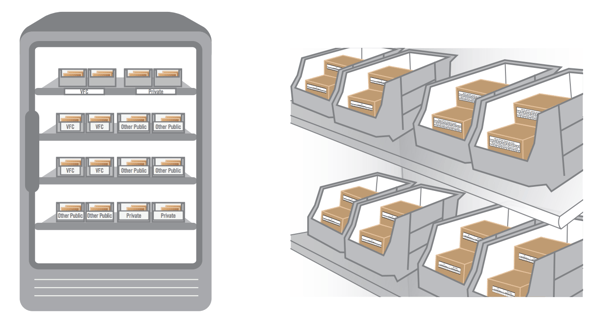
Organizing vaccine storage in the refrigerator is key to maintaining vaccine safety and effectiveness. Clear organization helps pharmacists find vaccines quickly and reduces errors. It also prevents damage caused by improper handling or temperature changes.
A well-organized fridge supports proper temperature control and easy stock management. Each vaccine must have its place, and expired doses should never mix with new ones. Thoughtful arrangement keeps vaccines safe and ready for use.
Proper Placement Of Vaccines
Place vaccines in the center of the refrigerator, away from walls and doors. Avoid storing vaccines in the fridge door. The temperature in the door fluctuates too much. Keep vaccines on shelves where air circulates freely. Use clear bins or containers to group similar vaccines together. Label each bin for quick identification. This prevents confusion and speeds up access.
Avoiding Overcrowding
Do not overcrowd shelves with too many vaccine boxes. Overcrowding blocks airflow and causes uneven cooling. Leave space between vaccine containers for proper air circulation. Store only the amount of vaccine needed for a short period. Excess vaccines can be kept in a backup fridge or freezer. Keep the fridge tidy by removing empty boxes and packaging.
Separating Expired And New Stocks
Always separate expired vaccines from new stock. Use a dedicated section or bin for expired doses. Mark expired vaccines clearly to avoid accidental use. Arrange new vaccines in front so older stock is used first. Follow the “first in, first out” rule to minimize waste. Regularly check expiration dates and remove expired vaccines promptly.
Handling Power Outages
Power outages pose a serious risk to vaccine storage. A sudden loss of refrigeration can compromise vaccine potency, leading to wasted doses and potential harm to patients. You need to act quickly and smartly to protect these sensitive medications during any outage.
Emergency Plans
Having a clear emergency plan is essential. Know exactly who to contact, where backup vaccines are stored, and how long your refrigerator can maintain the required temperature without power. It helps to have a checklist ready that includes:
- Contact information for utility companies and emergency teams
- Steps to monitor and record temperatures during the outage
- Instructions on relocating vaccines if necessary
Have you practiced your emergency plan? Running drills can reveal weak points before a real outage happens.
Using Backup Power Sources
Backup power is your best defense against losing vaccine effectiveness. Options include generators, uninterruptible power supplies (UPS), or battery backups designed for medical equipment.
Ensure your backup system is regularly tested and maintained. Even the best equipment fails if it’s not ready when you need it. Remember to:
- Check fuel levels or battery charge weekly
- Train staff on how to switch to backup power quickly
- Keep backup equipment easily accessible and clearly labeled
What backup power do you currently rely on? Could it keep your vaccines safe for hours, or just minutes?
Cleaning And Maintenance
Keeping vaccine refrigerators clean and well-maintained is crucial for preserving vaccine potency and ensuring patient safety. Neglecting this responsibility can lead to contamination or temperature fluctuations that compromise the vaccines. Let’s look at practical ways you can maintain your refrigerator effectively.
Regular Cleaning Schedule
Set a cleaning routine that fits your pharmacy’s workload. A good rule of thumb is to clean the refrigerator every week or whenever you notice spills or debris. This helps prevent buildup that can interfere with proper cooling.
Use mild soap and water or a disinfectant approved for medical equipment. Avoid harsh chemicals that might leave residues or damage surfaces. Don’t forget to clean shelves, walls, and door seals thoroughly.
Document each cleaning session with date and initials. This record helps track maintenance and ensures accountability. Have you noticed how a simple schedule keeps things running smoother and reduces unexpected issues?
Preventing Contamination
Cross-contamination is a hidden risk if you’re not careful. Store vaccines in sealed containers or original packaging to protect them from spills or exposure to other substances.
Keep food, drinks, and non-medical items out of the vaccine refrigerator. Even a small crumb or liquid can introduce bacteria or mold. You might be surprised how often this simple step gets overlooked.
Regularly check and replace refrigerator seals to maintain a tight environment. A worn seal can let in warm air and contaminants, risking vaccine integrity. How often do you inspect your seals as part of your routine?
Staff Training And Awareness
Staff training and awareness play a crucial role in maintaining the effectiveness of vaccines stored in refrigerators. Without proper knowledge, even the best equipment can fail to protect vaccines from damage. You need to ensure that every team member understands the importance of correct storage practices and can act quickly when issues arise.
Vaccine Storage Protocols
Clear, detailed protocols should be available and reviewed regularly by all staff. These protocols must cover:
- Proper refrigerator temperature ranges (usually between 2°C and 8°C).
- How to organize vaccines inside the fridge to allow good air circulation.
- Steps to take when handling vaccines during storage and retrieval.
Training sessions can include hands-on demonstrations, making it easier for staff to remember and apply these steps. Have you checked lately if your team feels confident following the protocols?
Recognizing Temperature Excursions
Staff should be trained to identify temperature excursions immediately. These excursions happen when the refrigerator temperature moves outside the safe range.
Knowing the signs, such as alarms sounding or unusual fridge behavior, can prevent vaccine spoilage. For example, a pharmacist once noticed the fridge thermometer showing 10°C during a routine check and quickly moved vaccines to a backup unit before damage occurred.
Encourage your team to report any irregularities without hesitation. What systems do you have in place to alert your staff about temperature changes?
Credit: blog.helmerinc.com
Frequently Asked Questions
How Should Pharmacists Set Refrigerator Temperature For Vaccines?
Pharmacists must keep the refrigerator between 2°C and 8°C. This range ensures vaccines remain potent and safe for use.
Where In The Refrigerator Should Vaccines Be Stored?
Vaccines should be stored in the middle shelves, away from the door. This prevents temperature fluctuations and maintains vaccine effectiveness.
Why Avoid Storing Vaccines In Refrigerator Door Compartments?
The door experiences frequent temperature changes due to opening. Storing vaccines there risks exposure to unsafe temperatures and reduces vaccine potency.
How Often Should Pharmacists Monitor Refrigerator Temperatures?
Temperature should be checked twice daily. Regular monitoring helps detect issues early and ensures vaccines stay within the recommended range.
Conclusion
Pharmacists must keep vaccines cold and steady in the fridge. Always check temperatures twice daily to avoid mistakes. Store vaccines away from the fridge door and vents. Use a reliable thermometer to track changes. Keep records clear and easy to read.
Proper storage keeps vaccines safe and effective. This protects patients and builds trust. Small steps make a big difference in health care. Stay careful, stay consistent, and vaccines will work well.