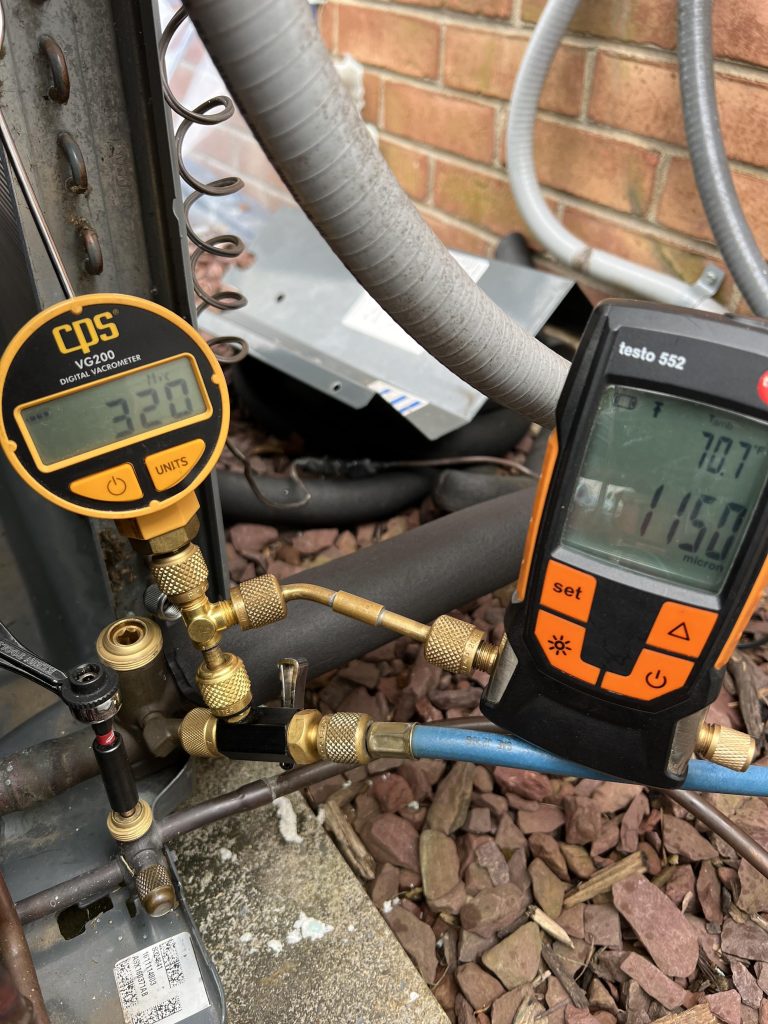
Are you puzzled by the concept of microns in vacuums? You’re not alone.
Understanding microns can feel like deciphering a secret code, but it’s crucial for anyone looking to achieve that perfect clean. The micron level of a vacuum determines its ability to capture tiny particles, impacting everything from the air quality in your home to the efficiency of your cleaning routine.
Imagine the satisfaction of knowing your vacuum is not just cleaning the surface, but truly purifying your space. We’ll break down what microns mean for your vacuum and help you discover what level is ideal for your needs. Get ready to unlock the secrets to a cleaner, healthier home. Keep reading to find out how you can make the best choice for you and your family.
Micron Basics
Understanding microns is key to knowing what makes a good vacuum. This term often appears in vacuum specifications and helps measure how clean the vacuum space is. The smaller the micron value, the better the vacuum quality. Knowing the basics about microns helps you choose the right vacuum for your needs.
What Is A Micron
A micron is a unit of length. It equals one millionth of a meter. This tiny measurement helps express the size of particles or the level of vacuum. In vacuum technology, microns show how much air remains inside a sealed space. The lower the micron count, the fewer air particles are present.
Micron Scale In Vacuum Measurement
The micron scale measures vacuum pressure. It shows how close the space is to a perfect vacuum. A perfect vacuum has zero air particles, which equals zero microns. Typical vacuum levels include:
- 1000 microns: Rough vacuum, lots of air left
- 500 microns: Medium vacuum, less air
- 100 microns: Deep vacuum, very little air
- Below 50 microns: High-quality vacuum, almost no air
Vacuum quality depends on the micron level. Lower microns mean a cleaner, stronger vacuum.
Vacuum Levels Explained
Vacuum levels measure how much air is removed from a space. This value is shown in microns. Lower micron numbers mean stronger vacuum power. Different tasks need different vacuum levels. Understanding these levels helps you pick the right vacuum for your needs.
Low Vacuum Range
Low vacuum ranges are around 500 to 1,000 microns. This level removes most air but leaves some behind. It works for simple tasks like drying small leaks or basic HVAC work. Low vacuum is easier to achieve but less thorough.
Medium Vacuum Range
Medium vacuum ranges fall between 250 and 500 microns. This range removes more air and moisture. It suits most refrigeration and air conditioning repairs. Medium vacuum helps prevent corrosion and improves system life.
High Vacuum Range
High vacuum ranges reach below 250 microns. This level removes nearly all air and moisture. It is critical for deep system evacuation and high-quality results. High vacuum protects equipment from damage and ensures better performance.
Efficiency And Vacuum Quality
Efficiency and vacuum quality go hand in hand when deciding how many microns make a good vacuum. Micron levels measure the vacuum’s ability to remove air and create a strong seal, directly affecting its performance. Understanding this can help you choose the right vacuum for your needs and ensure it works efficiently every time.
Impact Of Micron Levels On Performance
Micron levels indicate how much air remains inside a vacuum chamber after pumping out the air. The lower the micron number, the stronger the vacuum and the better the appliance can perform tasks like sealing or preserving.
For example, a vacuum that reaches 500 microns removes most air, but one that goes below 100 microns creates a near-perfect seal. This difference can affect how long food stays fresh or how well the vacuum handles delicate electronics.
Have you noticed your vacuum not holding seals well? It might be due to a higher micron level that doesn’t create enough suction. Knowing the micron level helps you understand the appliance’s true efficiency and quality.
Common Micron Targets For Appliances
| Appliance Type | Typical Micron Range | Performance Notes |
|---|---|---|
| Home Food Sealers | 500 – 1000 microns | Good for everyday food storage, but may allow slight air in. |
| Professional Vacuum Sealers | 100 – 500 microns | Stronger seal, ideal for long-term food preservation. |
| Vacuum Pumps for HVAC or Scientific Use | Below 50 microns | Extremely low air presence, necessary for sensitive applications. |
Knowing these targets helps you pick a vacuum that fits your specific needs. Are you storing leftovers or working on a precise scientific project? The micron level should match your expectations for efficiency and quality.
Factors Affecting Vacuum Micron Readings
Understanding the factors that affect vacuum micron readings is key to achieving the best results in your vacuum system. These readings can vary widely based on several conditions, and knowing what impacts them helps you troubleshoot and improve system performance. Let’s examine the main elements that influence micron readings so you can optimize your vacuum process effectively.
System Contaminants
Contaminants inside your system, such as moisture, oil, and debris, can drastically affect micron readings. Even small amounts of moisture can cause the vacuum to read higher than it should, misleading you about the system’s actual condition.
Have you ever noticed your vacuum struggling to reach a low micron level? It’s often due to hidden contaminants. Regular system cleaning and using proper filters can prevent this issue and keep your readings accurate.
Equipment Condition
The state of your vacuum pump and gauges plays a major role in reading accuracy. Worn seals, leaks, or faulty gauges will distort micron measurements, making it difficult to know if your system is truly evacuated.
Think about the last time you checked your equipment—did you consider how well-maintained it was? Performing routine maintenance, like changing oil and checking for leaks, ensures your vacuum readings reflect the actual system condition.
Environmental Influences
Temperature, humidity, and altitude can also change micron readings. For example, high humidity can introduce extra moisture, while altitude affects atmospheric pressure, which in turn impacts vacuum performance.
Have you adjusted your vacuum process for different environments? Being aware of these factors helps you set realistic expectations and avoid chasing unreachable micron levels in less-than-ideal conditions.
Achieving Optimal Vacuum
Achieving an optimal vacuum is essential for many applications, whether you’re working with HVAC systems, refrigeration, or even laboratory equipment. The quality of the vacuum directly affects the performance and longevity of your system. Understanding how to reach and maintain the right vacuum level ensures that your equipment functions efficiently and avoids costly repairs.
Tools For Measuring Microns
Accurate measurement is the first step toward achieving a good vacuum. Micron gauges are the primary tools used to measure vacuum levels, providing readings in microns of mercury (µmHg).
- Thermocouple gaugesare common for mid-range vacuum levels and are affordable for most users.
- Penning gaugesare better for deeper vacuums, offering higher sensitivity and accuracy.
- Digital micron gaugescombine ease of use with precise readings, helping you track vacuum trends in real-time.
Choosing the right gauge depends on your vacuum range needs. Have you checked your gauge calibration lately? An inaccurate gauge can mislead your entire process.
Techniques To Improve Vacuum Efficiency
Getting a good vacuum isn’t just about powerful pumps; it’s about technique. Start by ensuring all connections are tight and leak-free—small leaks can prevent you from reaching optimal micron levels.
- Use proper vacuum pump oil and replace it regularly to maintain pump efficiency.
- Slowly open valves to prevent contamination and backflow into the system.
- Perform a triple evacuation: pump down, vent with nitrogen, then pump down again to remove trapped moisture and gases.
Don’t overlook the importance of patience during the evacuation process. Rushing can trap moisture and reduce vacuum quality. What steps do you take to confirm your vacuum is truly optimal?

Credit: www.reddit.com
Vacuum Microns In Different Applications
Understanding vacuum microns is crucial for different applications, as the required vacuum level changes based on the task. The term “micron” measures pressure, and achieving the right vacuum micron level ensures efficiency and safety in various industries. Let’s look at how vacuum microns vary in refrigeration, HVAC, and industrial settings.
Refrigeration And Hvac
In refrigeration and HVAC systems, vacuum microns play a vital role in removing moisture and air from the system. Typically, a vacuum of around 500 microns or loweris considered good to ensure moisture and contaminants are effectively removed.
Have you ever noticed your air conditioner not cooling properly after a repair? Often, this is because the system wasn’t evacuated to a low enough micron level. Achieving a deep vacuum prevents ice formation and corrosion inside the system, extending its lifespan.
Technicians usually aim for 100 to 500 micronsfor residential HVAC systems, but commercial systems may require even lower levels. Using a quality micron gauge helps you measure and verify that the vacuum is sufficient before charging the system with refrigerant.
Laboratory And Industrial Uses
In laboratories and industrial processes, vacuum micron levels can vary widely depending on the application. For example, some chemical reactions or material drying processes require vacuums as low as 10 microns or less.
Industries like semiconductor manufacturing demand ultra-high vacuum levels to prevent contamination. If you’re working with sensitive materials or processes, understanding the exact micron level needed is critical to avoid costly errors.
On the other hand, some industrial applications, like vacuum packaging, only require moderate vacuum levels around 1,000 microns. It’s important to match the vacuum level with your specific needs rather than assuming a lower micron is always better.
Common Mistakes And Troubleshooting
Understanding how to achieve the right micron level in your vacuum system can be tricky. Many users face common pitfalls that affect performance and accuracy. Recognizing these mistakes early helps you maintain optimal vacuum pressure and avoid costly errors.
Misreading Micron Gauges
Micron gauges can be confusing if you don’t know what to look for. Some gauges show steady readings, but the actual vacuum level might be fluctuating. Have you ever noticed your gauge stuck at a certain number, even though the pump is still running? This often means the gauge isn’t calibrated correctly or is not sensitive enough for deep vacuum levels.
To avoid misreading, check if your gauge is designed for the vacuum range you need. Use digital micron gauges for better accuracy over analog ones. Also, watch for sudden spikes or drops in readings—these can signal leaks or gauge malfunctions.
Addressing Leaks And Moisture
Leaks are the silent killers of good vacuum levels. Even a tiny leak can prevent you from reaching the desired micron level. Moisture inside the system also skews readings and can damage your equipment over time.
Regularly inspect all seals, hoses, and fittings for cracks or loose connections. Tighten or replace parts as needed to maintain a tight system. To handle moisture, use a proper vacuum pump oil and consider adding a filter or dryer in your setup.
Have you tested your system for leaks with a simple soapy water solution? This quick trick can reveal escaping air bubbles you might not detect otherwise. Fixing leaks early saves you frustration and ensures your vacuum process works as intended.

Credit: www.reddit.com

Credit: www.reddit.com
Frequently Asked Questions
What Micron Level Is Ideal For A Good Vacuum?
A good vacuum typically reaches between 50 to 100 microns. This range ensures effective air removal and proper sealing for most applications. Lower micron levels mean better vacuum quality and fewer air molecules remain inside the system.
How Do Microns Affect Vacuum Quality?
Microns measure the vacuum’s pressure level; lower microns indicate stronger vacuum. A lower micron vacuum removes more air, improving system performance and preventing leaks. High micron readings suggest insufficient vacuum and possible contamination risks.
Why Is Achieving Low Microns Important In Vacuum?
Low microns ensure maximum air evacuation, preventing moisture and contaminants. This protects equipment and enhances longevity. Achieving a low micron vacuum is crucial for reliable system operation and better efficiency.
Can A Vacuum Below 100 Microns Be Considered Good?
Yes, a vacuum below 100 microns is generally considered good. It means the vacuum pump effectively removes air, creating a strong vacuum seal. This level is ideal for refrigeration and HVAC systems.
Conclusion
Choosing the right vacuum micron level matters a lot. Lower microns mean better air cleaning and dirt removal. Most good vacuums range between 5 and 15 microns. This range keeps your home cleaner and healthier. Remember, a vacuum with lower microns works more efficiently.
It captures tiny dust particles you cannot see. So, pick a vacuum with the right micron rating for your needs. Clean air feels fresh and improves your home’s comfort. Simple steps like this make a big difference every day.