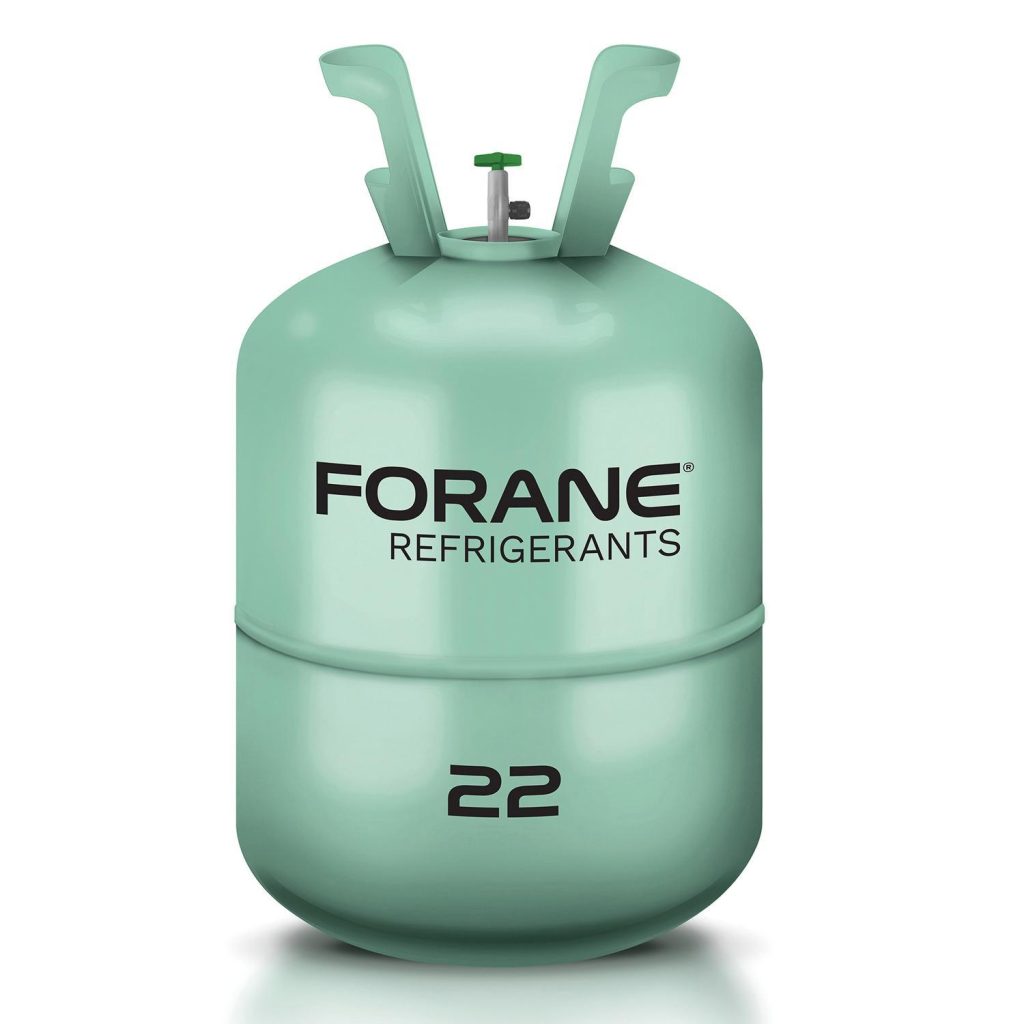
Are you wondering, “How much will R22 refrigerant cost me?” Whether you’re maintaining your air conditioner or fixing a refrigeration system, knowing the price of R22 refrigerant is crucial. The cost can vary widely, and unexpected expenses can quickly add up.
You’ll discover what influences the price, how to budget for it, and smart tips to save money without sacrificing quality. Keep reading to get the full picture and make informed decisions for your cooling needs.
R22 Refrigerant Basics
Understanding the basics of R22 refrigerant is essential before discussing its cost. This section covers what R22 is, its common uses, and its environmental impact. The information helps clarify why prices can vary and why R22 is being phased out.
What Is R22 Refrigerant
R22, also known as HCFC-22, is a type of refrigerant used in cooling systems. It helps absorb and release heat to cool air in buildings. R22 was popular for many years because it is effective and easy to use in air conditioners and refrigerators.
Common Uses In Hvac Systems
R22 is mostly found in older HVAC systems. These include:
- Residential air conditioners
- Commercial cooling units
- Heat pumps
- Refrigeration equipment
Many systems installed before 2010 still use R22. Newer models use different refrigerants due to regulations.
Environmental Impact And Regulations
R22 harms the ozone layer and contributes to global warming. Because of this, many countries have strict rules to reduce its use. The production and import of R22 are being phased out. These laws cause R22 prices to rise as supplies shrink. Proper handling and disposal are required to protect the environment.
Factors Influencing R22 Prices
R22 refrigerant prices change due to several important factors. Understanding these factors helps predict cost trends and budget properly. Prices do not stay the same for long. Various market forces and rules shape how much R22 costs.
Below are the main influences on R22 pricing and why they matter.
Supply And Demand Trends
R22 supply is limited because it is an older refrigerant. Many companies have stopped making it. Demand remains from older cooling systems that still use R22. When supply drops but demand stays high, prices rise quickly. If fewer people need R22, prices may fall. Supply chain issues can also affect availability and cost.
Regulatory Restrictions
Government rules restrict R22 use due to environmental harm. Many countries banned new R22 systems. These regulations reduce production and import of R22. Limited legal supply causes prices to increase. Owners of old systems must pay more to keep them running. Regulations push users to switch to newer, safer refrigerants.
Seasonal Price Fluctuations
R22 prices often change with the seasons. Summer demand for air conditioning rises. This increases R22 use and price in warmer months. Winter demand drops, leading to lower prices. Seasonal changes affect stock levels and shipping costs. Planning purchases during low demand can save money.
Market Alternatives
New refrigerants replace R22 in many systems. These alternatives are often cheaper and eco-friendly. Availability of alternatives reduces demand for R22. This can lower R22 prices over time. Some users switch to new refrigerants to avoid high R22 costs. Market shifts toward alternatives shape R22 pricing trends.
Current Market Prices For R22
The cost of R22 refrigerant has changed significantly over recent years. Strict regulations have limited its production and sale. This affects market prices and availability. Understanding current prices helps homeowners and technicians plan repairs and maintenance.
Prices vary based on supply, demand, and location. Knowing these variations can save money on purchases. This section breaks down the average cost, regional differences, and price differences between retail and wholesale buying.
Average Cost Per Pound
The average price for R22 refrigerant ranges from $80 to $150 per pound. Prices depend on the supplier and the quantity purchased. Smaller quantities tend to cost more per pound. Bulk purchases often lower the price.
Since R22 is being phased out, prices have increased steadily. This makes repairs using R22 more expensive than newer refrigerants.
Price Variations By Region
Prices can differ widely between regions. Areas with more HVAC service providers tend to have lower prices. Remote or less populated regions often face higher costs due to shipping and limited supply.
States with stricter environmental rules may see higher prices as well. Local demand plays a big role in price changes.
Retail Vs Wholesale Pricing
Retail prices for R22 are usually higher than wholesale prices. Retail buyers purchase small amounts, which raises the cost per pound. Wholesale buyers can buy large quantities at discounted rates.
Businesses and contractors often buy wholesale to reduce expenses. Homeowners generally buy retail, paying more for convenience and smaller quantities.
Credit: www.angi.com
Buying Tips For R22 Refrigerant
Buying R22 refrigerant requires care and knowledge. Prices vary widely, so smart buying saves money. Follow simple tips to ensure safe and cost-effective purchases.
Where To Purchase Safely
Choose reputable suppliers with proper licenses. Authorized dealers offer quality and legal products. Avoid unknown sources that sell without certification. Check customer reviews to confirm trustworthiness. Visit local HVAC stores or certified distributors for reliability.
Bulk Buying Advantages
Buying in bulk reduces cost per unit significantly. Large quantities suit professionals or frequent users. Store cylinders properly to maintain refrigerant quality. Bulk purchase often comes with better warranty terms. Plan usage to avoid waste and extra expenses.
Avoiding Counterfeit Products
Counterfeit R22 can damage equipment and void warranties. Inspect labels for clear brand names and seals. Genuine products have batch numbers and safety marks. Beware of unusually low prices; they often signal fakes. Report suspicious sellers to protect others.
Alternatives To R22 Refrigerant
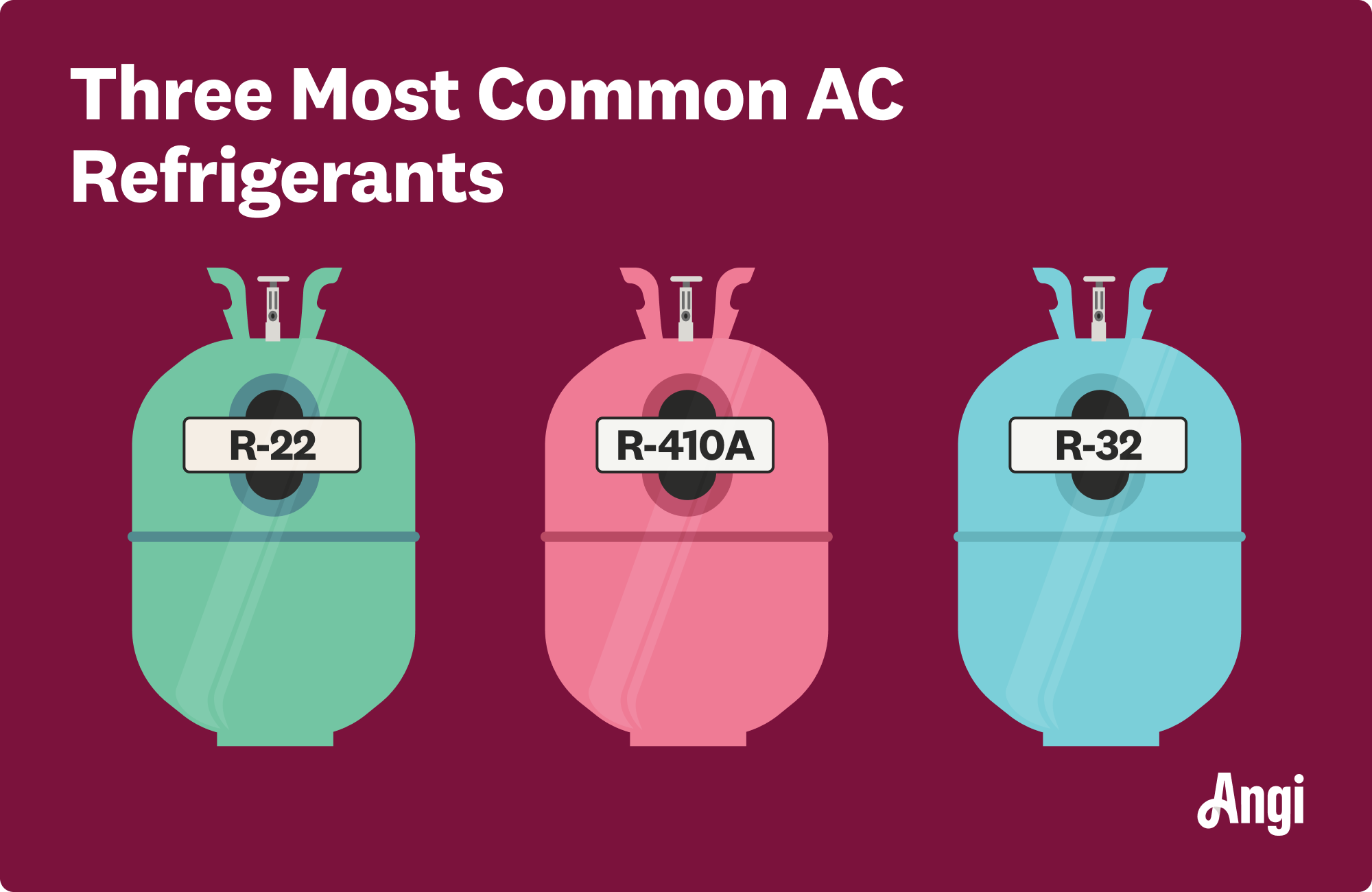
R22 refrigerant is being phased out due to environmental rules. Many homeowners and businesses must switch to safer, eco-friendly refrigerants. These alternatives work well and protect the environment. Choosing the right replacement depends on your system and budget.
Popular Replacement Refrigerants
- R410A: Common in newer HVAC units, no ozone harm
- R407C: Used in residential and commercial systems
- R422D: Compatible with older R22 systems, less expensive
- R438A: A retrofit option for R22 systems with good efficiency
Cost Comparison With R22
| Refrigerant | Price per Pound | Environmental Impact |
|---|---|---|
| R22 | $70 – $150 | High ozone depletion |
| R410A | $20 – $40 | Low ozone depletion |
| R407C | $25 – $45 | Low ozone depletion |
| R422D | $30 – $50 | Low ozone depletion |
| R438A | $40 – $60 | Low ozone depletion |
Transitioning Your Hvac System
Switching from R22 requires professional service. Technicians check if your system can use new refrigerants. Some systems need retrofitting or parts replacement. New units may be more efficient and cost less long-term. Proper handling avoids leaks and damage. Plan the transition to reduce downtime and expenses.

Credit: www.frioflor.com
Future Of R22 Refrigerant Pricing
The future of R22 refrigerant pricing is uncertain but important to follow. Changes in rules and supply affect costs. Businesses and homeowners must stay informed about these shifts. Understanding what drives price changes helps plan budgets better.
Regulatory Changes Impacting Costs
Governments worldwide are phasing out R22 refrigerant. This ban reduces production and import limits. Less supply means higher prices over time. Strict laws push companies to use newer, eco-friendly refrigerants. Compliance costs also add to the price of R22.
Expected Market Trends In 2025
Prices will likely stay high or rise slightly in 2025. Demand remains from older air conditioners and refrigerators. Some suppliers may stop selling R22 completely. Buyers may face fewer options and limited stock. Prices may fluctuate based on availability and regulations.
Long-term Availability
R22 refrigerant will become very rare in the long run. Stockpiles will dwindle as production ends globally. Repairs and refills will cost more due to scarcity. Switching to newer refrigerants is recommended for future savings. Planning ahead can avoid unexpected expenses later.

Credit: www.proformanceutah.com
Frequently Asked Questions
How Much Does R22 Refrigerant Cost Per Pound?
R22 refrigerant prices vary but typically range from $50 to $150 per pound. Prices depend on supply, demand, and regulations. Due to phase-out, R22 is becoming more expensive and less available.
Why Is R22 Refrigerant Price Increasing?
R22 prices rise because of strict environmental regulations and phase-out policies. Production has decreased significantly, causing supply shortages. This limited supply and increased demand lead to higher costs.
Can I Still Buy R22 Refrigerant Legally?
Yes, but only for servicing existing systems. New R22 production is banned, but recycled and reclaimed R22 is available. Always check local laws before purchasing R22 refrigerant.
Are There Cheaper Alternatives To R22 Refrigerant?
Yes, newer refrigerants like R410A or R407C are more affordable and eco-friendly. These alternatives work with newer HVAC systems and comply with environmental standards.
Conclusion
The cost of R22 refrigerant varies. Factors like demand and availability affect price. It’s essential to shop around for the best deal. Consider alternatives if costs are high. Newer refrigerants can be more efficient. They might save money in the long run.
Always consult a professional for guidance. Safety and efficiency matter most. Understanding these factors helps make informed decisions. Stay informed and choose wisely. Your cooling system depends on it.