Have you ever baked a batch of your favorite cookies, only to find them stale and tasteless just a few days later? It’s disappointing, right?
Imagine if you could keep them fresh, delicious, and just as delightful as the day you baked them. Curious to know the secret? Vacuum sealing might be the answer you’ve been searching for. We’ll explore whether you can vacuum seal cookies to extend their freshness and preserve their mouthwatering taste.
By the end, you’ll have discovered a simple yet effective way to enjoy your cookies for longer, without compromising on flavor or texture. Ready to unlock the secret? Let’s dive in.

Credit: asipoftexas.com
Benefits Of Vacuum Sealing Cookies
Vacuum sealing cookies offers several benefits that help keep them fresh and tasty. It removes air and seals the cookies tightly, preventing spoilage and damage. This method is great for storing cookies longer and maintaining their quality.
Extended Shelf Life
Vacuum sealing removes air, which slows down the growth of mold and bacteria. This process helps cookies stay fresh for weeks or even months. Without air, cookies do not dry out or become stale quickly.
Preserving Flavor And Texture
Sealing cookies in an airtight bag locks in their original taste. The cookies keep their softness or crunchiness better than in regular storage. Flavor stays rich, and the texture remains just like when freshly baked.
Protection From Moisture And Air
Vacuum sealing blocks moisture from entering the package. Moisture can make cookies soggy or cause mold growth. The sealed environment also stops air from making cookies stale or hard.
Choosing The Right Cookies For Vacuum Sealing
Choosing the right cookies for vacuum sealing is important to keep them fresh and tasty. Some cookies hold up well under vacuum pressure, while others can lose their texture or flavor. Picking the right type helps maintain the cookie’s quality over time.
Cookies with a firm texture usually work best. Soft or delicate cookies might get crushed or lose their softness after sealing. Knowing which cookies to vacuum seal can save time and prevent waste.
Best Cookie Types
- Hard cookies like biscotti and shortbread
- Crunchy cookies such as ginger snaps and wafers
- Cookies with low moisture content
- Cookies that hold their shape well
- Cookies without creamy or sticky fillings
Cookies To Avoid Vacuum Sealing
- Soft cookies like chocolate chip and sugar cookies
- Cookies with creamy or gooey fillings
- Delicate cookies that crumble easily
- Cookies with frosting or icing
- Freshly baked cookies that need to cool first
Preparing Cookies For Vacuum Sealing
Preparing cookies for vacuum sealing ensures they stay fresh and tasty longer. Proper preparation prevents moisture and crumbs from ruining the seal. This step also helps maintain the cookie’s shape and texture during storage.
Cooling And Drying
Cool cookies completely before sealing. Warm cookies release steam inside the vacuum bag. This moisture can cause sogginess and spoil the cookies faster.
Place the cookies on a wire rack to cool. Air circulation helps remove moisture. Make sure the cookies are dry to the touch before sealing.
Portioning And Layering Tips
Divide cookies into small, vacuum-friendly portions. Overfilling the bag can crush the cookies.
Use parchment paper or wax paper between layers. This prevents cookies from sticking together.
- Place a single cookie or a few in each layer.
- Separate layers with paper sheets for easy removal.
- Keep the bag flat to avoid breaking cookies during sealing.

Credit: www.isugarcoatit.com
Vacuum Sealing Methods And Equipment
Vacuum sealing cookies is a great way to keep them fresh longer, but choosing the right method and equipment makes all the difference. There are various tools and techniques available, each with its own benefits depending on how often you seal and the quantity you handle. Understanding these options can help you preserve your cookies without compromising their texture or flavor.
Handheld Vs. Automatic Sealers
Handheld vacuum sealers are compact and easy to use, perfect for occasional sealing. They allow you to control the process closely, which is handy if you’re sealing small batches of cookies. However, they might take a bit longer and require manual effort for each seal.
Automatic sealers, on the other hand, are designed for speed and convenience, ideal if you seal cookies regularly or in large quantities. They often feature stronger suction and consistent sealing, which can reduce air exposure effectively. Have you noticed how much time you spend sealing when you bake dozens of cookies? An automatic sealer can save you that hassle.
Using Vacuum Seal Bags And Containers
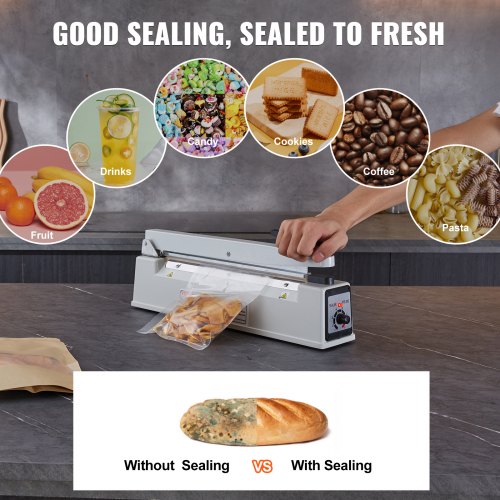
Choosing between vacuum seal bags and containers depends on how you store your cookies and your storage space. Vacuum seal bags are flexible and space-efficient, fitting easily in your pantry or freezer. They work best for flat or stacked cookies and create a tight seal that prevents freezer burn.
Vacuum seal containers offer extra protection, especially for delicate or decorated cookies that might get crushed in bags. These containers are reusable and maintain the shape of your baked goods. Think about whether your cookies need a gentle touch or if space-saving is your top priority.
- Bags:Affordable, space-saving, and disposable.
- Containers:Durable, reusable, and protective.
Choosing the right equipment and method depends on your cookie storage needs. Which option feels more practical for your kitchen setup and baking habits?
Storing Vacuum Sealed Cookies
Storing vacuum sealed cookies can extend their freshness and keep their texture intact longer than traditional storage methods. However, where and how you store these sealed treats plays a crucial role in preserving their flavor and crunch. Understanding the best storage options helps you enjoy your cookies just as much as the day you baked or bought them.
Room Temperature Storage
Vacuum sealing removes air, which slows down the staling process. You can keep your cookies at room temperature for up to two weeks without worrying about them going stale quickly. Just make sure to store the sealed bags in a cool, dry place away from direct sunlight.
If you have soft cookies, storing them at room temperature after vacuum sealing helps maintain their chewy texture. Crisp cookies can also stay crunchy longer when sealed and kept away from humidity. Have you noticed how sealed cookies retain their aroma better on your kitchen counter?
Refrigeration And Freezing Options
Vacuum sealed cookies benefit greatly from refrigeration, especially if they contain perishable ingredients like cream cheese or fresh fruit. Refrigerating can extend their shelf life by several weeks without sacrificing texture.
Freezing vacuum sealed cookies is an excellent way to keep them fresh for months. When you’re ready to eat them, just thaw at room temperature while still sealed to prevent moisture buildup. I once froze a batch of chocolate chip cookies sealed this way and found they tasted just as fresh months later—no freezer burn or sogginess.
- Label your vacuum sealed bags with the date before freezing.
- Separate cookie types to avoid flavor mixing.
- Use freezer-safe vacuum bags to ensure the best results.
Credit: www.vevor.ca
Thawing And Reheating Vacuum Sealed Cookies
Thawing and reheating vacuum sealed cookies can feel tricky if you want to keep them tasting fresh and maintain their perfect texture. The way you thaw and warm your cookies matters a lot. Doing it right lets you enjoy your treats just like they were baked yesterday.
Safe Thawing Techniques
Thawing cookies too quickly or at the wrong temperature can make them soggy or dry. The safest way is to let them thaw slowly at room temperature. Keep your vacuum sealed cookies on the counter for 1 to 2 hours to gently bring them back to life.
If you’re in a hurry, place the sealed bag in the fridge overnight. This slower thaw helps preserve moisture and flavor without risking bacterial growth. Avoid thawing in direct sunlight or near heat sources, as it can cause uneven warming.
Maintaining Cookie Texture After Reheating
Reheating cookies after thawing can refresh their softness or crispness. Use an oven or toaster oven set to 300°F (150°C) and heat the cookies for 5 to 10 minutes. This warms them evenly without drying out the edges.
Microwaving is faster but can make cookies rubbery or hard if overdone. To keep a soft texture, microwave them in short bursts of 10 seconds. Adding a small piece of bread in the container helps retain moisture during reheating.
Have you tried reheating your cookies with a damp paper towel on top? It traps steam and prevents them from becoming tough. Experimenting with these small tricks can bring your vacuum sealed cookies back to life better than you expect.
Common Mistakes To Avoid
Vacuum sealing cookies can keep them fresh much longer, but it’s easy to make mistakes that ruin your efforts. Avoiding common errors can save you time and keep your treats tasting just right. Let’s look at some pitfalls to watch out for when vacuum sealing cookies.
Sealing Warm Or Moist Cookies
Sealing cookies while they’re still warm or moist traps steam inside the bag. This moisture creates a damp environment, encouraging mold growth and sogginess. Always let your cookies cool completely and dry before sealing to keep them crisp and fresh.
I once sealed a batch of warm chocolate chip cookies and found them soggy the next day. It was a clear sign that moisture ruins the vacuum seal’s effectiveness. Patience pays off here—cool your cookies first.
Overpacking Bags
Trying to fit too many cookies into one vacuum bag can backfire. Overpacked bags don’t seal properly, allowing air to sneak in and stale your cookies faster. Leave enough space for the bag to close tightly without forcing it.
Think about how you store cookies in a jar—you wouldn’t cram them all in tightly. The same principle applies. Instead, divide large batches into smaller portions for better sealing and easier access later.
Ignoring Expiration Times
Vacuum sealing extends freshness but doesn’t stop cookies from going bad forever. It’s important to track how long your cookies have been sealed and consume them within a reasonable time frame. Even sealed, cookies can lose flavor and texture after weeks or months.
Ask yourself: How long have these cookies been sitting sealed? Regularly check dates and smell or taste a cookie before you decide to keep eating. This simple habit helps avoid unpleasant surprises and food waste.
Frequently Asked Questions
Can You Vacuum Seal Freshly Baked Cookies?
Yes, you can vacuum seal freshly baked cookies. Allow them to cool completely first. This prevents moisture buildup and sogginess. Vacuum sealing helps preserve freshness and extends shelf life effectively.
Will Vacuum Sealing Cookies Keep Them Fresh Longer?
Vacuum sealing removes air, slowing down staleness and mold growth. It keeps cookies fresh longer than traditional storage. Proper sealing combined with freezing can extend freshness for months.
Can Vacuum Sealing Crush Delicate Cookies?
Vacuum sealing may crush delicate or crumbly cookies if the suction is too strong. Use gentle sealing settings or add protective padding. This preserves cookie shape while maintaining freshness.
Is Vacuum Sealing Better Than Airtight Containers For Cookies?
Vacuum sealing removes air completely, offering better freshness preservation than airtight containers. Containers can trap some air, leading to faster staling. Vacuum sealing is ideal for long-term cookie storage.
Conclusion
Vacuum sealing cookies helps keep them fresh longer. It stops air and moisture from spoiling them. This method works best for dry, crunchy cookies. Soft or frosted cookies might get crushed or lose texture. Store cookies in a cool, dry place before sealing.
Use airtight bags designed for vacuum sealing. Check cookies often to enjoy their best taste. This simple step saves money and reduces waste. Try vacuum sealing for your next batch of cookies. You might be surprised how well it works.