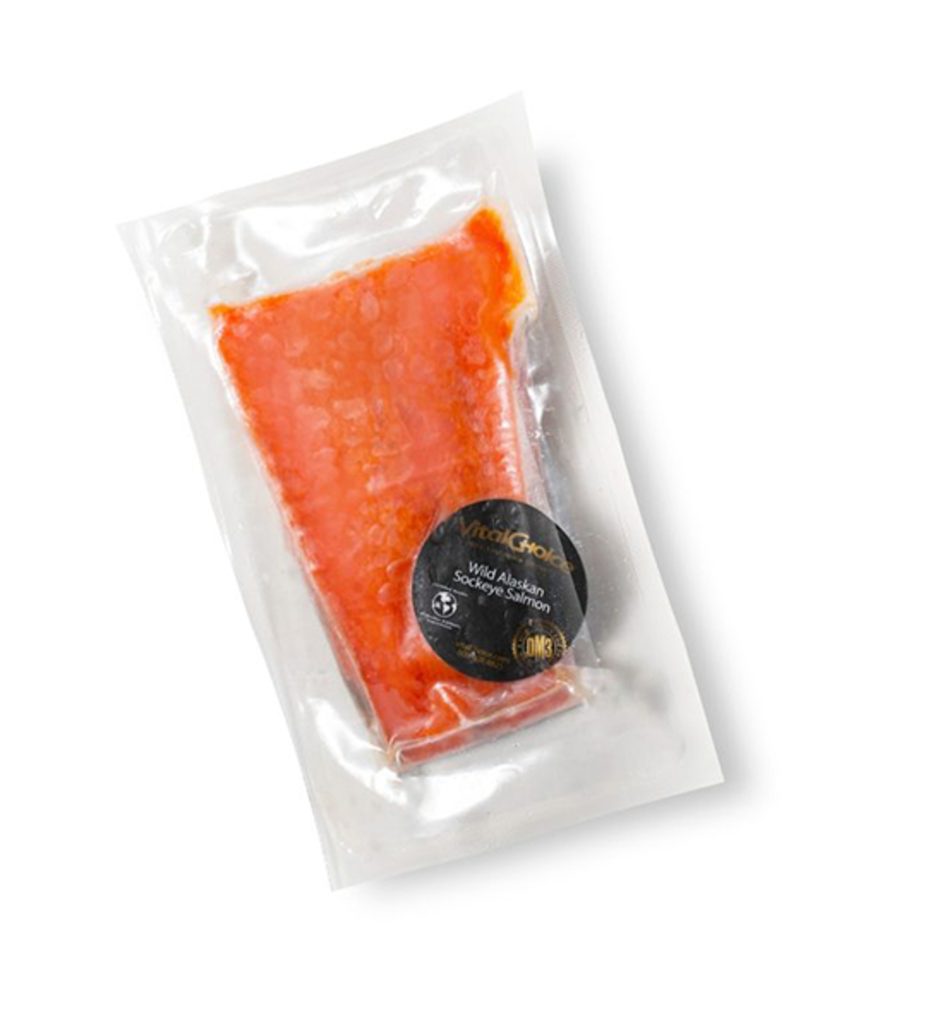
Have you ever stood in front of your fridge, staring at that vacuum-sealed salmon, and wondered how long it’s safe to eat after thawing? You’re not alone.
Understanding food safety can be tricky, especially when it comes to delicate items like seafood. Whether you’re preparing a gourmet dinner or just trying to plan meals for the week, knowing the shelf life of your thawed salmon is crucial.
Imagine the peace of mind you’ll have, knowing exactly when your salmon is at its best. Let’s dive in and uncover the secrets to keeping your meals both delicious and safe. Keep reading, and you’ll find out how to make the most of your vacuum-sealed salmon without any worry.
Thawing Methods For Vacuum-sealed Salmon
Knowing the best way to thaw vacuum-sealed salmon can make a big difference in taste and safety. The right thawing method preserves freshness and texture while keeping harmful bacteria at bay. Let’s look at some practical ways to handle your salmon before cooking.
Refrigerator Thawing
This is the safest and most reliable way to thaw vacuum-sealed salmon. Simply place the sealed package in the refrigerator and let it thaw slowly over 12 to 24 hours. The cold environment keeps the salmon at a safe temperature, preventing bacterial growth.
One time, I thawed salmon this way overnight and noticed the texture stayed firm and the flavor was much fresher. It requires a bit of planning but is worth the wait if you want the best quality.
Cold Water Thawing
If you need salmon thawed faster, submerge the vacuum-sealed package in cold water. Change the water every 30 minutes to keep it cold and speed up thawing. This method usually takes 1 to 2 hours depending on the size of the package.
Make sure the seal is tight; any leaks can contaminate the fish. Cold water thawing is a great option when you forget to plan ahead but still want to keep the salmon fresh and safe.
Avoiding Room Temperature Thawing
Thawing salmon on the counter or at room temperature is risky and not recommended. This allows the outer layer of the fish to reach unsafe temperatures while the inside is still frozen. Harmful bacteria can multiply quickly in this temperature range.
Have you ever left fish out too long and noticed a strange smell or texture? That’s a sign the fish has started to spoil. Avoid this by sticking to refrigerator or cold water thawing methods to keep your salmon delicious and safe.
Shelf Life Of Thawed Vacuum-sealed Salmon
Understanding the shelf life of thawed vacuum-sealed salmon is essential to enjoy its fresh taste and avoid food waste. The vacuum seal slows down spoilage by limiting air exposure, but once thawed, the clock starts ticking. Knowing how long your salmon stays safe and tasty can save you from unpleasant surprises.
Timeframe In Refrigerator
Once thawed, vacuum-sealed salmon typically lasts 1 to 2 days in the refrigerator. Keeping it at a steady temperature below 40°F (4°C) is crucial. If you notice any change in smell or texture before this period, don’t take the risk—discard it immediately.
Have you ever wondered why some salmon seems fresh longer? It often comes down to how well your fridge maintains its temperature. Use a fridge thermometer to ensure consistent cold storage.
Impact Of Initial Salmon Freshness
The fresher your salmon before freezing, the longer it will stay good after thawing. If the fish was close to its sell-by date when vacuum sealed, its shelf life shortens significantly. Always check the packaging date and buy from a trusted source to maximize freshness.
Think about the last time you bought salmon that smelled off right away. That’s a clear sign it wasn’t fresh to start with, and freezing won’t fix that. Your best defense is starting with quality fish.
Signs Of Spoilage
Watch for these clear signs that your thawed salmon has gone bad:
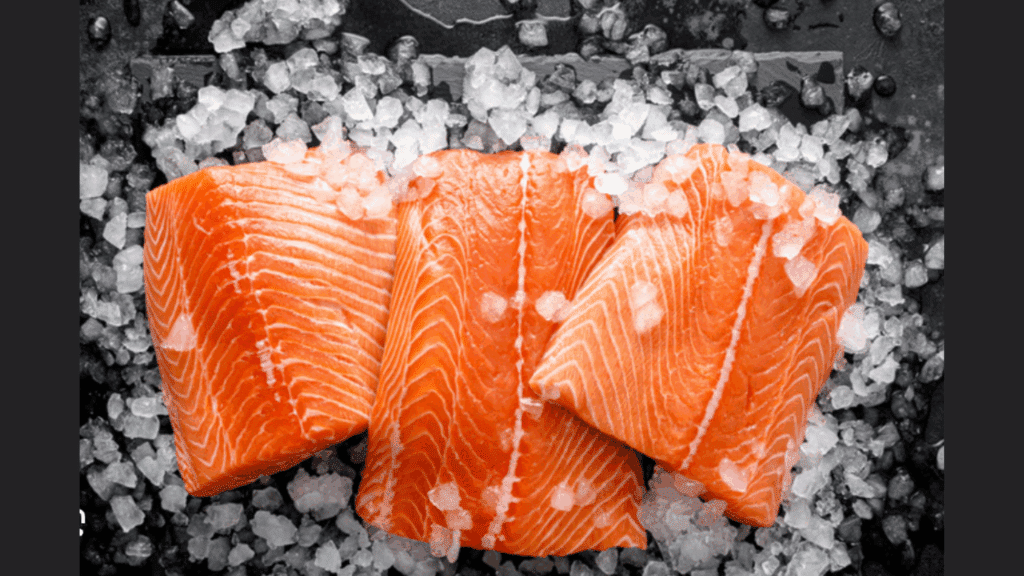
- Smell:A sour or ammonia-like odor means it’s time to toss it.
- Texture:Slimy or sticky surface indicates bacterial growth.
- Color:Dull, grayish, or brown patches suggest spoilage.
Trust your senses. If you hesitate about the smell or look, don’t risk your health. Have you ever tasted salmon that just didn’t feel right? Learning to spot these signs can save you from foodborne illness.
Storing Thawed Salmon Safely
Storing thawed salmon safely is crucial to maintain its quality and prevent foodborne illnesses. Even vacuum-sealed salmon can spoil quickly if not handled properly after thawing. Understanding the right steps to keep your fish fresh can save you from wasting food and protect your health.
Proper Refrigeration Practices
Once salmon is thawed, keep it in the coldest part of your refrigerator, ideally below 40°F (4°C). Avoid leaving it out at room temperature; bacteria can multiply rapidly within two hours. If you notice any off smells or slimy texture, it’s best to discard the fish immediately.
Have you checked the temperature in your fridge lately? A simple fridge thermometer can help you ensure safe storage conditions every time.
Using Airtight Containers
Even though vacuum sealing is great for freezing, once thawed, storing salmon in airtight containers is a smart move. This prevents exposure to air and contaminants, which can speed up spoilage. Glass or BPA-free plastic containers with tight lids work well and keep your fridge organized.
Think about the last time you left food uncovered—didn’t it dry out or absorb fridge odors? Airtight containers avoid these issues and keep salmon tasting fresh longer.
Avoiding Cross-contamination
Always store thawed salmon separately from raw meats and ready-to-eat foods. Use different cutting boards and utensils to prevent bacteria transfer. Washing your hands thoroughly before and after handling salmon also reduces contamination risks.
Have you ever gotten sick after eating fish? Cross-contamination is often the hidden culprit. Taking these small steps protects you and your family from foodborne illnesses.

Credit: www.reddit.com
Tips To Maintain Salmon Freshness After Thawing
Keeping thawed salmon fresh can be a challenge, but it’s essential for both taste and safety. Once you thaw vacuum-sealed salmon, how you handle it next makes all the difference. Let’s look at some practical tips to keep your salmon fresh and delicious after thawing.
Consuming Promptly
After thawing, it’s best to eat your salmon as soon as possible—ideally within 24 hours. The longer you wait, the more the quality declines and the risk of spoilage increases.
If you notice any off smell or slimy texture, it’s a sign the salmon is no longer good. Trust your senses to decide if it’s safe to eat.
Freezing Leftovers Correctly
If you have leftover thawed salmon, don’t leave it out at room temperature. Wrap it tightly in plastic wrap or place it in an airtight container before freezing again.
Freezing leftovers promptly helps prevent bacteria growth and preserves flavor. Avoid multiple thawing and refreezing cycles—they reduce quality significantly.
Monitoring Temperature Consistently
Keeping your fridge at the right temperature is crucial. Make sure it stays below 40°F (4°C) to slow bacterial growth.
Use a fridge thermometer to check regularly. Even small temperature fluctuations can impact salmon freshness, so stay vigilant.
Common Mistakes To Avoid
Knowing how to handle thawed salmon properly can save you from food waste and potential health risks. Many people make simple mistakes that reduce the quality and safety of their vacuum-sealed fish. Recognizing these common pitfalls will help you enjoy your salmon at its best.
Refreezing Thawed Salmon
Refreezing salmon after it has been thawed is a risky move. Each time salmon thaws, bacteria can start to grow, and refreezing won’t kill them. If you refreeze, you increase the chance of spoilage and foodborne illness.
Instead, only thaw the amount of salmon you plan to use immediately. If you have extra, cook it before freezing again to maintain safety and flavor.
Leaving Salmon Out Too Long
It’s tempting to leave thawed salmon sitting out while you prepare other ingredients. But leaving salmon at room temperature for more than two hours invites bacteria to multiply quickly. This can cause unpleasant odors, texture changes, and health risks.
To keep your salmon fresh, keep it refrigerated until just before cooking. If you notice a strong fishy smell or slimy texture, it’s best to discard it.
Ignoring Expiry Dates
Vacuum sealing extends salmon’s shelf life but doesn’t make it last forever. Ignoring expiry dates or “use by” labels can lead to consuming spoiled fish. Even if the salmon looks fine, harmful bacteria may be present.
Check dates carefully and plan your meals accordingly. If you’re unsure about freshness, trust your senses and err on the side of caution.

Credit: fullyhealthy.com
Credit: knowseafood.com
Frequently Asked Questions
How Long Does Thawed Vacuum-sealed Salmon Last?
Thawed vacuum-sealed salmon lasts 1 to 2 days in the fridge. Keep it below 40°F (4°C) to maintain freshness. After this, the quality and safety may decline.
Can I Refreeze Thawed Vacuum-sealed Salmon?
Refreezing thawed vacuum-sealed salmon is not recommended. It can reduce texture and flavor. Only refreeze if the salmon was thawed in the fridge and kept cold.
How To Tell If Thawed Salmon Is Spoiled?
Check for off smell, slimy texture, or discoloration. Fresh salmon smells mild and looks vibrant. When in doubt, discard to avoid foodborne illness.
Does Vacuum Sealing Extend Thawed Salmon Shelf Life?
Vacuum sealing slows spoilage by reducing air exposure. However, once thawed, salmon still lasts 1-2 days refrigerated. Vacuum sealing helps but doesn’t extend thawed salmon beyond safe limits.
Conclusion
Thawed vacuum-sealed salmon stays fresh for about 1 to 2 days in the fridge. Keep it cold and use it quickly to enjoy the best taste. Always check for any strange smell or slimy texture before cooking. Proper storage helps keep salmon safe and tasty.
Plan your meals so you don’t waste good fish. Fresh salmon means better flavor and healthier meals. Store it right, cook it soon, and enjoy every bite. Simple steps make a big difference for your seafood.