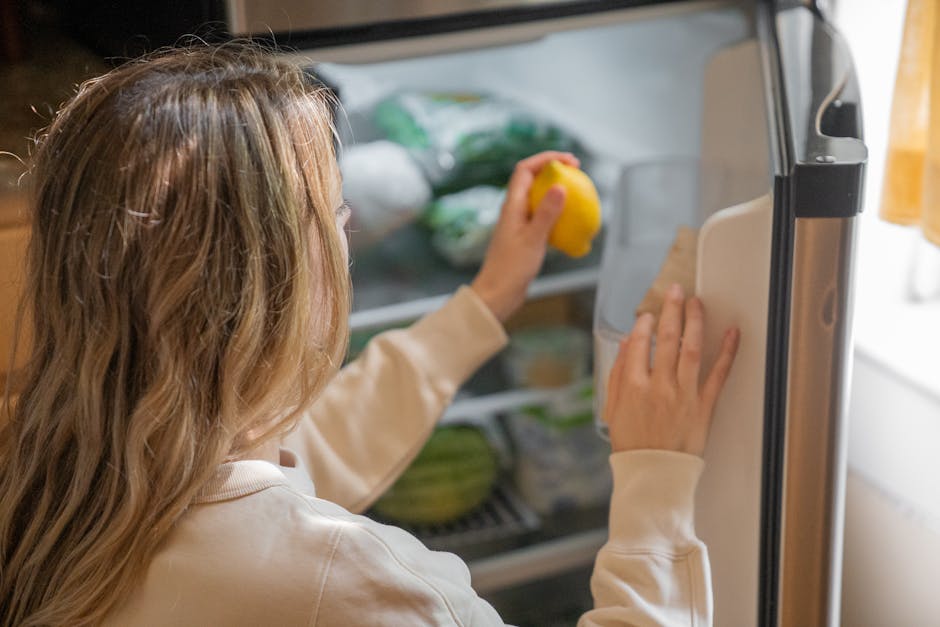
Are you wondering if you need to refrigerate lemon juice to keep it fresh? You might think it’s okay to leave it out on the counter, but is that really safe?
The way you store lemon juice can change its taste, quality, and even how long it lasts. If you want to avoid wasted juice or a sour surprise, understanding the right storage method is key. Keep reading to discover simple tips that will help you keep your lemon juice fresh and tasty every time.

Credit: thecurlyspoonblog.com
Lemon Juice Shelf Life
Lemon juice is a popular ingredient in many recipes and drinks. Knowing how long it lasts helps avoid waste and keeps food safe. The shelf life varies depending on whether the lemon juice is fresh or store-bought. Proper storage also plays a key role in maintaining its quality.
Fresh Lemon Juice Duration
Fresh lemon juice stays good for about 2 to 3 days in the refrigerator. Keep it in a clean, airtight container to slow down spoilage. The juice may lose flavor and nutrients over time. If it smells sour or looks cloudy, it is best to discard it.
Store-bought Lemon Juice Duration
Store-bought lemon juice usually lasts longer due to preservatives. An unopened bottle can stay fresh for 6 to 12 months. After opening, refrigerate it and use within 3 to 4 weeks. Always check the expiration date on the label for guidance. If the juice changes color or develops an off smell, throw it away.
Effects Of Refrigeration
Refrigeration plays a key role in how long your lemon juice stays usable and tasty. Understanding the effects of keeping lemon juice cold can help you decide the best way to store it and make the most out of every drop. Let’s look closely at how refrigeration impacts freshness, flavor, and nutrients.
Preserving Freshness
Cold temperatures slow down the growth of bacteria and mold in lemon juice. This means your juice stays fresh longer when refrigerated. You might notice that lemon juice left out at room temperature develops an off smell or strange taste within a day or two, but chilled juice lasts for weeks.
Keeping lemon juice in an airtight container in the fridge also prevents it from absorbing odors from other foods. Have you ever tasted lemon juice that oddly smelled like your leftovers? Proper refrigeration helps avoid that problem.
Flavor And Nutrient Retention
Refrigeration helps maintain the bright, tangy flavor of lemon juice. When stored cold, the juice retains its natural acidity and freshness, making your dishes or drinks taste better. Leaving lemon juice out can cause it to turn bitter or dull over time.
Vitamin C, a key nutrient in lemon juice, is sensitive to heat and light. Storing lemon juice in the refrigerator preserves more of this vitamin, which supports your immune system and skin health. Would you want to waste valuable nutrients just by leaving the juice on your countertop?
Storing Lemon Juice Without Refrigeration
Storing lemon juice without refrigeration can be tricky but sometimes necessary. Whether you’re outdoors, traveling, or just forgot to chill it, understanding how to keep lemon juice fresh at room temperature is important. Let’s look at how you can manage short-term storage and what risks you should be aware of.
Short-term Storage Tips
Keep your lemon juice in a clean, airtight container to slow down exposure to air and bacteria. Glass bottles work better than plastic because they don’t absorb odors or chemicals.
Store the container in a cool, dark place away from direct sunlight or heat sources. A pantry or cupboard away from your stove or oven is ideal.
Use the lemon juice within 24 hours for the best flavor and safety. If you notice any change in smell or color, it’s safer to discard it.
Risks Of Room Temperature Storage
Without refrigeration, lemon juice can quickly lose its freshness and develop harmful bacteria. You might think its acidity protects it, but bacteria and mold can still grow if left out too long.
Leaving lemon juice at room temperature for more than a day increases the risk of spoilage and foodborne illness. It can also cause the juice to taste bitter or sour in an unpleasant way.
Ask yourself: is the convenience of storing lemon juice without refrigeration worth risking its quality and your health? Sometimes, a simple cooler or ice pack can save the day and keep your juice fresh longer.
Credit: www.costco.ca
Best Containers For Lemon Juice
Choosing the right container for storing lemon juice can make a big difference in maintaining its freshness and flavor. The container material and how well it seals impact how long your lemon juice stays fresh and safe to use. Let’s look at some practical options so you can keep your juice tasting just like fresh-squeezed.
Glass Vs Plastic
Glass containers are often the best choice for lemon juice. They don’t absorb odors or stains, so your juice stays pure-tasting. Plus, glass is non-reactive, meaning it won’t interact with the acidity of lemon juice, preserving its natural flavor longer.
Plastic containers can be convenient and lightweight, but they may absorb the lemon’s strong scent or even allow slight flavor changes over time. If you use plastic, choose BPA-free options and avoid long-term storage, as plastic can degrade with acidic liquids.
Think about how often you use lemon juice. If you squeeze fresh juice frequently, a glass bottle or jar might suit your kitchen better. For occasional use or travel, a sturdy plastic bottle might be more practical.
Sealing Methods
A tight seal is crucial to keep lemon juice fresh and prevent it from absorbing other fridge odors. Screw-top lids with silicone gaskets provide a solid seal that minimizes air exposure.
Flip-top caps or snap lids are convenient but can sometimes allow air in, which may speed up oxidation and flavor loss. If you’ve ever noticed your lemon juice tasting dull after a few days, poor sealing could be why.
Vacuum-sealed containers are an interesting option if you want to extend freshness further. They remove excess air, slowing down spoilage. However, they require special equipment, so consider if the investment fits your kitchen routine.
Freezing Lemon Juice
Freezing lemon juice is a smart way to keep it fresh for a longer time. It preserves the juice’s flavor and nutrients. This method helps avoid waste and saves money. You can store lemon juice for months without losing its quality. Freezing is easy and fits well into busy lifestyles.
Freezing Techniques
Use clean ice cube trays for freezing lemon juice. Pour juice into each compartment without overfilling. Cover the trays with plastic wrap to prevent odors. Place the trays flat in the freezer for even freezing. After freezing, pop out the cubes and store them in airtight bags. Label the bags with the date to track freshness.
Thawing And Usage
Thaw lemon juice cubes in the fridge or at room temperature. Avoid using a microwave to keep the flavor intact. Use thawed juice in drinks, dressings, or cooking. You can add frozen cubes directly to cold beverages. Frozen lemon juice works just like fresh juice in recipes.

Credit: foodhuggers.com
Signs Lemon Juice Has Gone Bad
Knowing when lemon juice has gone bad is essential to avoid ruining your recipes or risking your health. Spoiled lemon juice can affect the flavor of your dishes and may even cause foodborne illness. Recognizing the signs early helps you decide whether to toss it or still use it safely.
Visual Changes
One of the easiest ways to tell if lemon juice has gone bad is by checking its appearance. Fresh lemon juice is clear or slightly cloudy with a bright yellow color. If you notice any darkening, mold spots, or unusual cloudiness, it’s a strong sign the juice is spoiled.
Sometimes, lemon juice develops a slimy texture or sediment at the bottom. While some natural pulp settling is normal, thick clumps or a thick film on the surface means bacteria may have taken over. Don’t ignore these changes—they indicate the juice is no longer safe to consume.
Smell And Taste
Fresh lemon juice has a sharp, citrusy aroma that wakes up your senses. When it starts smelling sour in an off or fermented way, that’s a red flag. A rotten or yeasty smell means the juice has likely gone bad and should be discarded.
Taste can also reveal spoilage, but be cautious—if you detect any bitter, sour, or strange aftertaste, avoid using it. Trust your senses; if the lemon juice tastes different from the fresh, zesty punch you expect, it’s better to err on the safe side. Have you ever noticed your lemon juice tasting oddly bitter after a few days? That’s a clear warning sign.
Frequently Asked Questions
Is It Necessary To Refrigerate Lemon Juice?
Yes, refrigerating lemon juice preserves its freshness and flavor. Freshly squeezed juice can spoil quickly at room temperature. Store-bought lemon juice contains preservatives, but refrigeration extends its shelf life. Always refrigerate after opening to maintain quality and prevent bacterial growth.
How Long Does Lemon Juice Last In The Fridge?
Freshly squeezed lemon juice lasts about 3-4 days in the fridge. Store-bought lemon juice can last several months due to preservatives. Always check the expiration date and store in a cool, dry place. Use tightly sealed containers to prevent contamination.
Can You Freeze Lemon Juice For Preservation?
Yes, freezing lemon juice is a great way to preserve it. Pour juice into ice cube trays and freeze. Transfer cubes to a sealed bag for long-term storage. Frozen lemon juice retains flavor and nutrients for up to six months.
What Are Signs Lemon Juice Has Gone Bad?
Spoiled lemon juice may smell sour or off. It may also change color or develop mold. If you notice any of these signs, discard the juice. Always store lemon juice properly to avoid spoilage and ensure safety.
Conclusion
Storing lemon juice properly keeps it fresh longer. Always refrigerate opened lemon juice to stop spoilage. Fresh lemon juice lasts only a few hours outside. Bottled lemon juice should stay cold after opening. Cold storage helps keep taste and quality intact.
Avoid leaving lemon juice at room temperature too long. This simple step saves money and prevents waste. Remember, fresh or bottled, cold is always best. Keep your lemon juice safe and enjoy its flavor.