Are you wondering how long vacuum sealed salmon can stay fresh in your freezer? You want to enjoy that delicious, healthy fish without worrying about spoilage or waste.
Knowing the right storage time helps you keep your salmon tasty and safe to eat every time you open your freezer. You’ll discover exactly how long vacuum sealed salmon lasts in the freezer and simple tips to make it stay fresh longer.
Keep reading to make sure your salmon is always ready for your next meal!
Vacuum Sealing And Salmon Freshness
Vacuum sealing is more than just a storage trick; it plays a crucial role in keeping your salmon fresh for longer periods. By removing air, vacuum sealing slows down spoilage and preserves the natural flavors and texture of the fish. This method can significantly extend the freezer life of your salmon, but understanding how it impacts freshness is key to getting the most out of it.
Benefits Of Vacuum Sealing
Vacuum sealing locks out air, which is the main enemy of frozen salmon. Without oxygen, bacterial growth slows down dramatically, reducing the risk of spoilage.
This process also prevents freezer burn, which happens when moisture evaporates from the fish. Freezer burn can make salmon dry and tough, but vacuum sealing keeps it moist and tender.
Another advantage is that vacuum-sealed salmon takes up less space in your freezer. This makes it easier to organize your food and avoid waste.
Effects On Salmon Quality
Vacuum sealing helps maintain the salmon’s vibrant color and fresh smell. If you’ve ever opened a freezer bag only to find your fish looks dull and smells off, you know how important this is.
Texture is also better preserved. Without air exposure, the salmon’s natural oils stay intact, preventing the fish from becoming mushy or dry after thawing.
One thing to watch out for is the sealing process itself. If the salmon isn’t sealed tightly or if there’s leftover moisture, it can still develop ice crystals inside the package. These crystals can damage the flesh, so make sure to pat your salmon dry before sealing.
How do you currently store your salmon? Trying vacuum sealing might change how long your fish stays delicious, saving you money and reducing food waste.

Credit: fullyhealthy.com
Freezer Storage Times For Vacuum Sealed Salmon
Knowing how long vacuum sealed salmon lasts in the freezer helps you plan meals and avoid waste. Properly storing salmon can keep its flavor and texture intact for months. But the exact freezer storage time depends on a few key factors you should keep in mind.
Optimal Storage Duration
Vacuum sealed salmon can stay fresh in the freezer for up to 12 months. This duration preserves its taste and texture better than regular freezing methods. If you freeze salmon beyond this, you risk dryness and off flavors, even if it’s still safe to eat.
Try to label your packages with the date before freezing. This simple step prevents guesswork when deciding if the salmon is still good. Have you ever found forgotten fish in your freezer? Labeling stops that from happening.
Factors Influencing Shelf Life
Several factors affect how long your vacuum sealed salmon stays good in the freezer. The salmon’s initial freshness plays a big role; fresher fish lasts longer. Also, the quality of your vacuum seal matters—a tight seal keeps air out and slows freezer burn.
Storage temperature is another key point. Freezers set consistently at 0°F (-18°C) or lower maintain salmon quality best. Frequent temperature changes or thawing and refreezing shorten shelf life significantly.
Consider these practical tips to extend shelf life:
- Buy salmon from trusted sources and freeze it as soon as possible.
- Check your vacuum sealer to ensure no air pockets remain.
- Keep your freezer organized to avoid long exposure when searching for items.
How long do you usually keep salmon in your freezer? Adjusting your storage habits could enhance your meals and save money by reducing waste.
Signs Of Spoiled Frozen Salmon
Recognizing the signs of spoiled frozen salmon is crucial for your health and enjoyment. Even vacuum sealing doesn’t guarantee indefinite freshness. Knowing what to look for helps you avoid unpleasant surprises and potential foodborne illness.
Visual Indicators
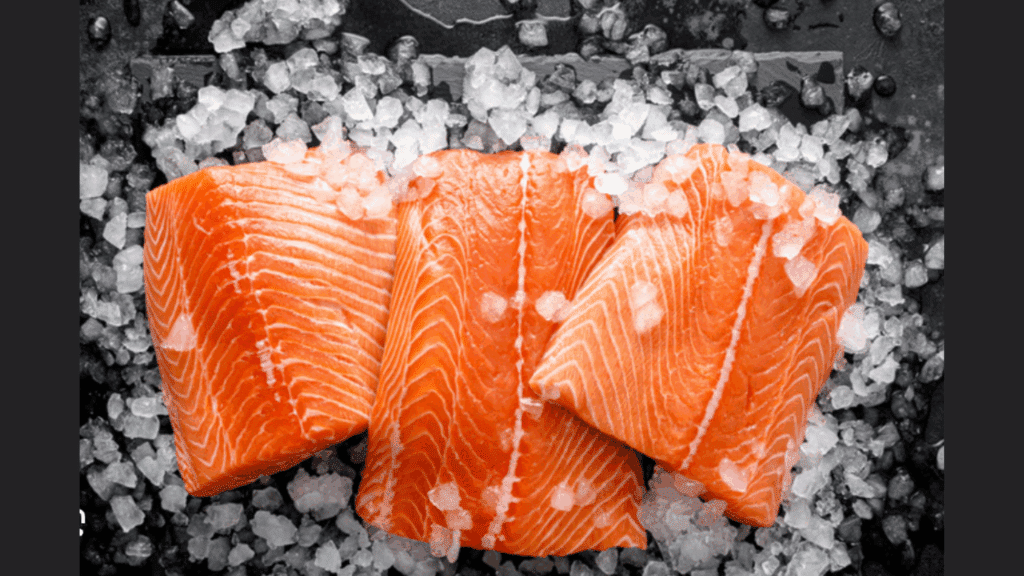
Check your salmon carefully before cooking. Spoiled salmon often shows discoloration, such as dull or faded pink flesh. If you notice dark spots or a grayish tinge, it’s a red flag.
Ice crystals inside the vacuum-sealed package can signal freezer burn, which affects taste and texture. Also, if the salmon looks slimy or has an unusual film on the surface, it’s best to discard it. Have you ever opened a package and found the fish looking off? Trust your eyes—they rarely lie.
Smell And Texture Changes
Fresh salmon has a mild, ocean-like scent. When it goes bad, the smell turns sour, fishy, or even ammonia-like. A strong, unpleasant odor is a clear warning to avoid eating it.
Texture is another key sign. If the salmon feels mushy or sticky rather than firm and moist, it’s likely spoiled. Vacuum sealing can preserve texture well, but once thawed, you’ll notice these changes quickly. Have you touched frozen fish that seemed off? Don’t ignore that feeling.
Credit: knowseafood.com
Best Practices For Freezing Salmon
Freezing salmon correctly keeps it fresh and tasty for a long time. Following good practices protects the fish from freezer burn and loss of flavor. Proper freezing also maintains the salmon’s texture and nutrients.
These best practices help you store vacuum sealed salmon safely and enjoy it later without quality loss.
Preparing Salmon For Freezing
Start with fresh salmon. Rinse it gently under cold water and pat dry with paper towels. Remove any bones and skin if you prefer. Cut the salmon into portions for easy thawing later. Wrap each piece tightly in plastic wrap or freezer paper. This extra layer protects against freezer burn before vacuum sealing.
Proper Vacuum Sealing Techniques
- Use a good-quality vacuum sealer for airtight sealing.
- Place salmon in vacuum bags without overcrowding.
- Leave some space at the top of the bag for sealing.
- Seal slowly to avoid crushing the fish.
- Check the seal for any air leaks before freezing.
Freezer Temperature Tips
Keep the freezer at 0°F (-18°C) or lower. Stable temperatures prevent thawing and refreezing. Avoid frequent opening of the freezer door. This helps maintain a consistent cold environment. Store salmon away from strong-smelling foods to prevent odor absorption.
Thawing Vacuum Sealed Salmon Safely
Thawing vacuum sealed salmon safely is crucial to preserve its taste, texture, and most importantly, your health. Improper thawing can lead to bacterial growth, which may cause foodborne illnesses. Understanding the best ways to thaw salmon ensures that you enjoy every bite without worry.
Recommended Thawing Methods
One of the safest ways to thaw vacuum sealed salmon is by placing it in the refrigerator overnight. This slow, controlled thaw keeps the fish at a safe temperature, preventing bacteria from multiplying.
If you’re short on time, submerging the sealed salmon in cold water works well. Make sure the packaging is airtight, then change the water every 30 minutes until the fish is thawed.
Microwave thawing is an option but requires caution. Use the defrost setting and monitor closely to avoid partially cooking the salmon, which affects its texture and flavor.
Avoiding Bacterial Growth
Bacteria multiply quickly at temperatures between 40°F and 140°F (4°C and 60°C). Thawing salmon at room temperature can expose it to this danger zone, increasing health risks.
Always keep thawed salmon refrigerated and cook it promptly after thawing. If you notice any off smells or slimy textures, it’s safer to discard the fish.
Have you ever left salmon out to thaw and noticed a strange odor? That’s your body’s warning sign. Trust your senses and when in doubt, throw it out.
Comparing Vacuum Sealed And Non-sealed Salmon
Salmon is a popular fish loved for its flavor and health benefits. Storing salmon properly keeps it fresh and tasty longer. Vacuum sealing and traditional storage methods differ a lot in preserving salmon. Understanding these differences helps in choosing the best way to store salmon, especially for freezing.
Shelf Life Differences
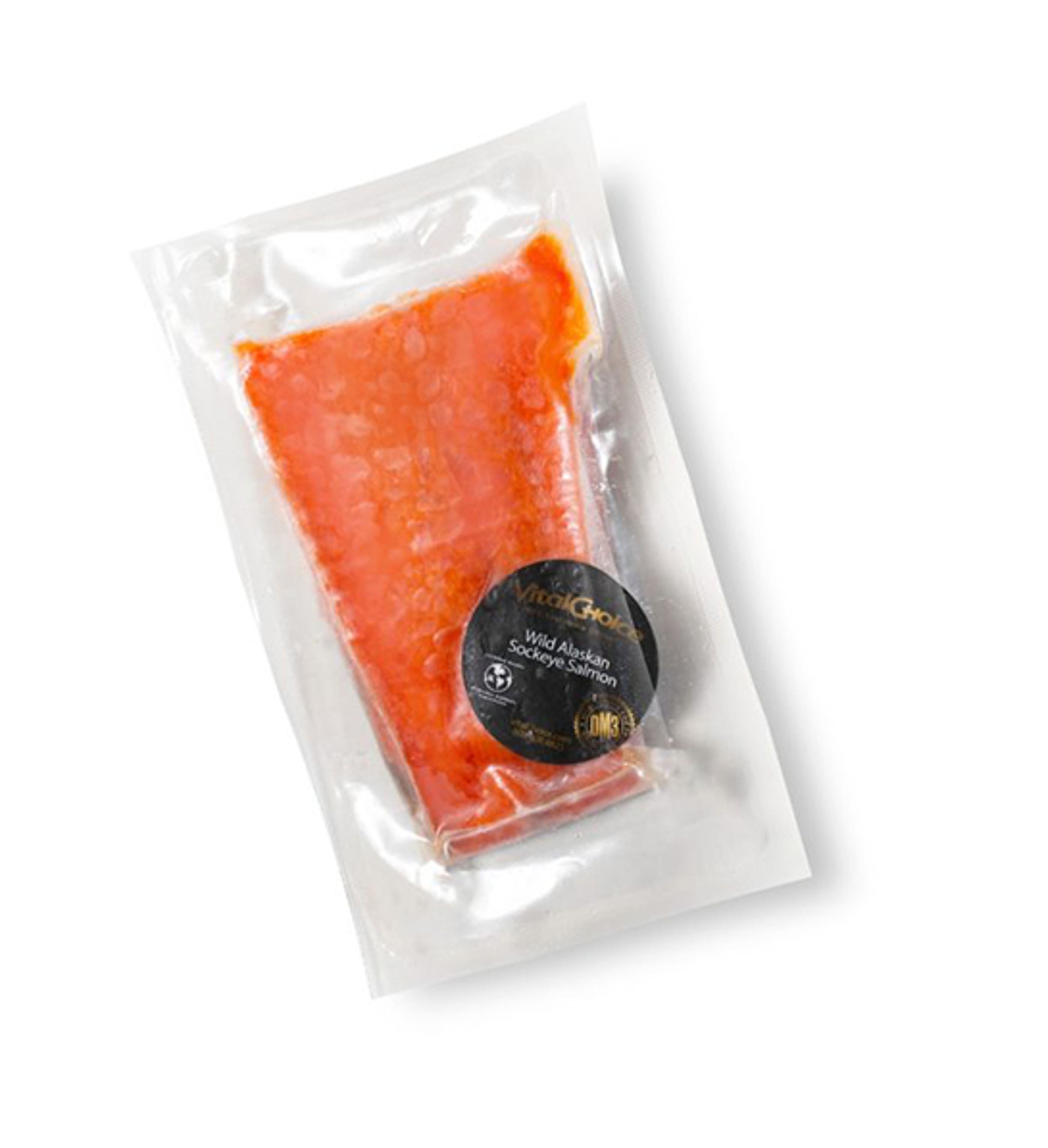
Vacuum sealed salmon lasts much longer in the freezer than non-sealed salmon. Removing air slows down freezer burn and bacterial growth. Typically, vacuum sealed salmon can stay good for 6 to 12 months. Non-sealed salmon usually lasts only 2 to 3 months before quality drops.
Without vacuum sealing, salmon can develop freezer burn quickly. The texture may become dry and tough. Vacuum sealing locks in moisture and freshness better. This keeps salmon safe to eat for a longer time in the freezer.
Quality And Taste Impact
Vacuum sealed salmon retains its flavor and texture better. The fish stays moist and tender after thawing. Non-sealed salmon can lose flavor and become dry. Freezer air exposure causes oxidation, affecting taste.
Vacuum sealing helps keep the natural oils in salmon intact. These oils are important for taste and nutrition. Non-sealed salmon may taste bland or have off-flavors after freezing. Vacuum sealed salmon tastes closer to fresh fish even after months in the freezer.
Credit: www.vitalchoice.com
Frequently Asked Questions
How Long Can Vacuum Sealed Salmon Last In The Freezer?
Vacuum sealed salmon can last up to 2 years in the freezer. This extended shelf life is due to the removal of air. Proper storage ensures the salmon retains its quality, flavor, and nutritional value. Always ensure your freezer is at a consistent temperature of 0°F (-18°C) for optimal results.
Does Vacuum Sealing Affect Salmon’s Quality In The Freezer?
Yes, vacuum sealing significantly preserves salmon’s quality in the freezer. By removing air, it prevents freezer burn and slows down degradation. This method maintains the salmon’s flavor, texture, and nutritional properties. It’s an effective way to ensure your salmon remains fresh for an extended period.
Is Freezer Burn A Concern With Vacuum Sealed Salmon?
Freezer burn is less likely with vacuum sealed salmon. The sealing process removes air, reducing the risk. Without air exposure, the salmon’s surface remains protected, retaining moisture and flavor. However, ensure the seal is intact to avoid any potential freezer burn issues.
Can Vacuum Sealed Salmon Expire In The Freezer?
Vacuum sealed salmon can eventually degrade in the freezer, despite its long shelf life. Over time, its quality might slightly diminish. However, it generally remains safe to eat for up to 2 years. Always check for any off odors or discoloration before consuming.
Conclusion
Vacuum sealed salmon stays fresh in the freezer for about six to twelve months. Keep the temperature steady and avoid thawing and refreezing. Check the salmon for any strange smell or color before cooking. Proper storage helps keep taste and texture intact.
Enjoy your salmon safely by following these tips. Freshness matters for good flavor and health. Store smart, eat well.