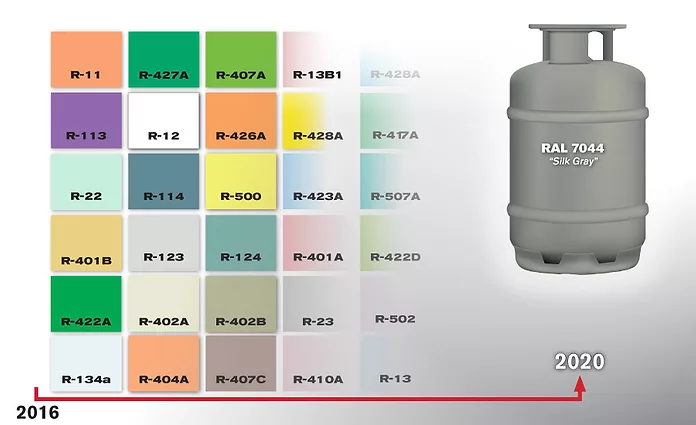
Have you ever wondered what color your AC refrigerant is? Knowing this simple detail can save you time and money when it’s time for maintenance or repairs.
If you’re curious about how to identify your refrigerant or why its color matters, you’re in the right place. Keep reading to discover everything you need to know about AC refrigerant colors and what they mean for your air conditioning system.
This knowledge will help you take better care of your AC and avoid costly mistakes.
Common Refrigerant Colors
Understanding the colors of AC refrigerants is more than just a visual curiosity—it’s a practical skill that can save you time and prevent costly mistakes. Each refrigerant type has a distinct color coding on its cylinder, helping you identify the right one quickly. This is especially important if you handle or maintain air conditioning systems regularly.
R-22 And Its Hue
R-22 refrigerant cylinders are typically green. This color is easy to spot and has become almost synonymous with older AC units. If you find a green cylinder, it’s likely R-22, which is important to know because this refrigerant is being phased out due to environmental concerns.
Using R-22 today often means higher costs and limited availability. So, seeing that green cylinder can be a quick warning sign that your system might need an upgrade or replacement.
R-410a Color Coding
R-410A, a popular refrigerant for newer AC systems, comes in a pink cylinder. This bright color stands out and helps you avoid mixing it up with older refrigerants like R-22. Since R-410A operates at higher pressure, recognizing its pink tank can remind you to handle it with extra care.
Have you ever grabbed the wrong refrigerant by mistake? The color coding can really prevent that kind of error, especially when you’re in a rush.
Other Popular Refrigerants
Beyond R-22 and R-410A, several other refrigerants have their own color codes:
- R-134a:Usually found in light blue cylinders, commonly used in automotive AC systems.
- R-407C:Often comes in a light purple or lavender cylinder, used in some residential and commercial systems.
- R-404A:Typically housed in a black cylinder, mostly seen in refrigeration applications.
Knowing these colors can help you quickly identify refrigerants across different systems. Have you noticed these colors before when servicing units? It’s a simple tip that can keep your work accurate and efficient.

Credit: toronto.craigslist.org
Why Color Matters
Color plays a key role in identifying AC refrigerants. It helps distinguish different types quickly. Each refrigerant has a unique color code on its cylinder. This prevents mistakes that could harm the system or people.
Knowing the color of the refrigerant improves safety and efficiency. It guides technicians in choosing the right refrigerant for repairs or refills. It also reduces the risk of using incompatible refrigerants together.
Safety Considerations
Colors help avoid dangerous mix-ups. Using the wrong refrigerant can cause leaks or explosions. Technicians rely on color codes to handle refrigerants safely. Proper identification lowers health risks from exposure.
Proper Handling And Storage
Refrigerant cylinders are stored by color for easy sorting. This keeps the workplace organized and reduces errors. Storing refrigerants correctly also prevents chemical reactions. Color coding helps workers find the right cylinder fast.
Preventing Cross-contamination
Mixing different refrigerants can damage AC systems. Color coding stops accidental mixing during service. It ensures each refrigerant stays pure and effective. Clean refrigerants improve system performance and lifespan.
Identifying Refrigerants By Cylinder
Identifying refrigerants by their cylinders is a simple way to know what type of AC refrigerant you are dealing with. Each refrigerant comes in a specific cylinder with unique colors and labels. These visual cues help technicians and users avoid mistakes. Handling the wrong refrigerant can damage your AC system or cause safety risks.
Recognizing the right cylinder helps with safe use and proper maintenance. It saves time and ensures the system works well. Below, we explore the key ways to identify refrigerants by their cylinders.
Labeling Standards
Cylinders follow strict labeling rules set by industry groups. These labels show the refrigerant type, safety warnings, and chemical properties. They help users quickly understand what is inside the cylinder. Labels must be clear, easy to read, and placed on the front.
Labels also include batch numbers and manufacturing dates. These details ensure traceability and quality control. Always check the label before using any refrigerant cylinder.
Color Codes On Cylinders
Color coding is a universal system to identify refrigerants. Each refrigerant type has a standard cylinder color. This system reduces confusion and prevents mixing refrigerants.
- R-22:Light green cylinder
- R-410A:Rose or pink cylinder
- R-134a:Light blue cylinder
- R-404A:Light gray cylinder
- R-32:Red cylinder
Remember, colors may slightly vary by brand or region. Always cross-check with labels and manufacturer tags.
Reading Manufacturer Tags
Manufacturer tags provide detailed information about the refrigerant. Tags include the refrigerant name, chemical formula, and safety data. They often display pressure limits and temperature ranges.
Tags help confirm the refrigerant type beyond color and labels. They also list handling instructions and certification marks. Make sure to read these tags carefully before use.

Credit: refrigerants.com
Tools For Accurate Identification
Identifying the correct color of an AC refrigerant is essential for safe handling and effective servicing. Using the right tools ensures accuracy and prevents costly mistakes. Several instruments can help you determine the refrigerant type quickly and safely.
Using Refrigerant Gauges
Refrigerant gauges measure pressure levels in the AC system. Different refrigerants operate at specific pressure ranges. By connecting gauges to the service ports, you can check if the pressure matches the expected range for a certain refrigerant. This tool gives a reliable clue about the refrigerant type without opening the system.
Electronic Detectors
Electronic detectors sense refrigerant leaks and types by analyzing the gas in the air. These devices are portable and easy to use. They provide quick results and reduce guesswork. Many detectors show the refrigerant color or code on a screen, helping users identify the exact refrigerant type.
Visual Inspection Tips
Look for color-coded labels on the AC unit or refrigerant cylinders. Manufacturers often use specific colors for each refrigerant type. For example, R-134a is usually light blue, while R-410A is pink. Check the system’s service ports and documentation to confirm the refrigerant color. This simple step avoids confusion and ensures proper handling.
Common Mistakes In Refrigerant Identification
Identifying the right AC refrigerant can be tricky, and many people make avoidable errors that cost time and money. Misidentifying refrigerants doesn’t just affect performance; it can damage your system or even cause safety issues. Understanding common mistakes helps you stay clear-headed and confident when handling refrigerants.
Relying Solely On Color
Many assume refrigerants have distinct colors that make identification easy. While some refrigerants have colored dyes, these colors can fade or be misleading due to contamination. Relying only on color is risky—imagine trying to fix your AC only to find out the refrigerant isn’t what you thought because the color was off.
Instead, always confirm with proper testing tools or documentation. Have you ever guessed a refrigerant’s type just by its color and ended up frustrated? Avoid that by going beyond appearances.
Ignoring Manufacturer Information
Every AC unit comes with manufacturer labels specifying the correct refrigerant type. Skipping these details can lead to using the wrong refrigerant, harming your system’s efficiency. It’s like ignoring the recipe when cooking—you might end up with an unexpected result.
Check your unit’s manual or the label on the compressor before adding refrigerant. This small step can save you from costly mistakes and headaches down the line.
Mixing Different Refrigerants
Mixing refrigerants might seem like a shortcut, but it’s a dangerous practice. Different refrigerants have unique chemical properties, and mixing them can cause system damage or reduce cooling efficiency. Imagine pouring two incompatible oils into a car engine—it won’t run smoothly.
If you find leftover refrigerant in your system, don’t just top it off with a different type. Instead, have a professional evacuate and recharge the system correctly. Your AC’s performance and lifespan depend on keeping refrigerants pure and compatible.
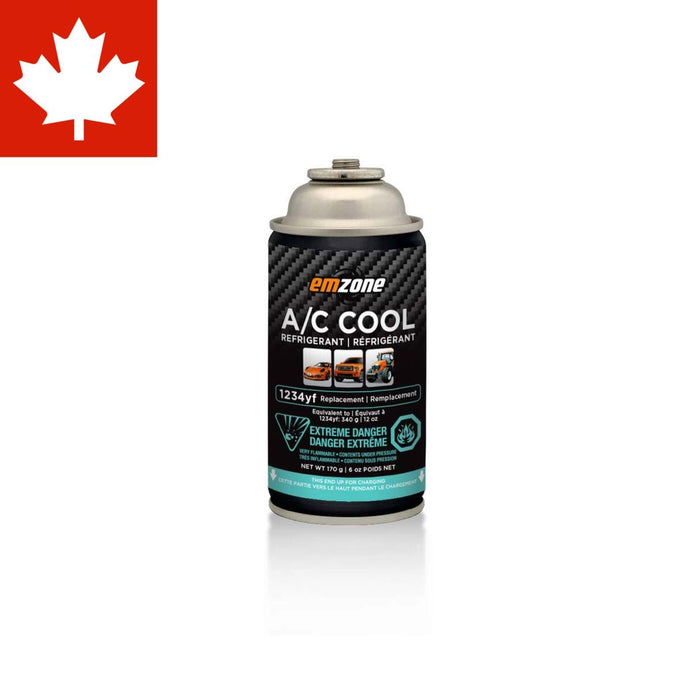
Credit: partsource.ca
Environmental Impact Of Refrigerants
Refrigerants in air conditioning systems affect the environment in many ways. Their chemical makeup can harm the ozone layer and contribute to global warming. Understanding these impacts helps us choose better cooling solutions. The color of AC refrigerants often signals their type, but the environmental effects matter more.
Ozone Depletion Potential
Some refrigerants release chemicals that break down the ozone layer. This layer protects Earth from harmful ultraviolet rays. Older refrigerants like CFCs and HCFCs have high ozone depletion potential. They cause holes in the ozone layer, increasing skin cancer risks. Newer refrigerants aim to reduce this damage by using safer compounds.
Global Warming Concerns
Many refrigerants trap heat in the atmosphere, raising global temperatures. This effect is called global warming potential (GWP). Hydrofluorocarbons (HFCs) have low ozone harm but high GWP. They contribute significantly to climate change. Efforts focus on lowering GWP in refrigerants to slow down warming.
Transition To Eco-friendly Options
The industry is shifting towards refrigerants with low environmental risks. Natural refrigerants like ammonia and carbon dioxide have low GWP and no ozone harm. Hydrofluoroolefins (HFOs) offer lower global warming impact than HFCs. Choosing eco-friendly refrigerants supports cleaner air and a safer planet.
Frequently Asked Questions
What Color Is Ac Refrigerant Usually?
AC refrigerant is typically colorless in its liquid state. However, when combined with a leak detection dye, it can appear green or yellow. The color of the refrigerant in its gaseous state is generally not visible. Always consult a professional for AC system concerns.
How Can I Identify Refrigerant Leaks?
Refrigerant leaks can be identified by a hissing sound or an oily residue around AC components. Some systems use a UV dye for easier detection. If you suspect a leak, it’s best to contact an HVAC technician for a proper inspection and repair.
Is Refrigerant Color An Indicator Of Quality?
Refrigerant color is not an indicator of quality. The color typically results from added dyes for leak detection. High-quality refrigerant ensures efficient AC performance and is best identified by brand reputation and proper certification, not by color.
Are There Different Colors For Different Refrigerants?
Different refrigerants may have distinct colors when dyes are added for leak detection. However, the actual refrigerant is usually colorless. It’s crucial to know the specific type used in your system and consult with professionals for any concerns.
Conclusion
AC refrigerants come in different colors to help identify them. These colors show the type and safety level of the refrigerant. Knowing the color helps in handling and refilling the AC system correctly. Always check the label before working with refrigerants.
Using the wrong type can cause damage or harm. Color coding makes the job easier and safer for everyone. Keep this guide in mind when dealing with AC refrigerants. It helps you understand what you are working with. Simple and clear—color matters in AC refrigerants.