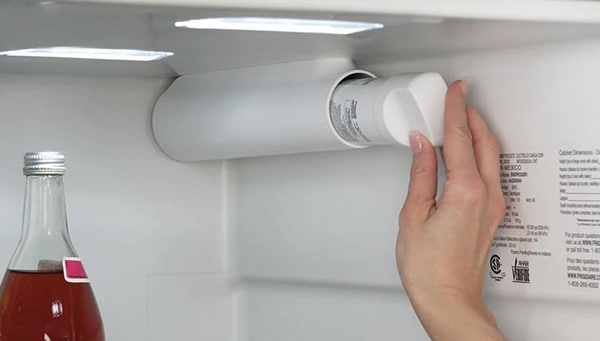
Have you ever wondered if the filter inside your refrigerator really makes a difference? You might think it’s just a simple gadget, but what if it’s actually protecting your health?
When you pour a glass of water or grab some ice, you trust that it’s clean and safe. But how can you be sure? You’ll discover whether refrigerator filters truly work and how they impact the quality of your water.
Keep reading, because what you learn could change the way you think about the water you drink every day.
How Refrigerator Filters Work
Understanding how refrigerator filters work can help you decide if they’re worth the investment for your home. These filters play a crucial role in improving the taste and safety of your drinking water and ice. But how exactly do they clean the water before it reaches your glass?
Types Of Filters
Refrigerator filters come in a few main types, each designed to target different impurities. The most common are activated carbon filters and sediment filters.
- Activated Carbon Filters:These are the most popular. They absorb chlorine, odors, and some harmful chemicals, improving water taste and smell.
- Sediment Filters:These catch particles like dirt, rust, and sand, which can affect water clarity and damage the fridge’s internal parts.
Some models combine both types for better overall filtration. Do you know which type your refrigerator uses?
Filtration Mechanisms
The key to a refrigerator filter’s effectiveness lies in its filtration mechanism. Activated carbon works by trapping contaminants inside tiny pores, a bit like a sponge soaking up impurities.
As water passes through the filter, chlorine molecules and certain chemicals stick to the carbon surface. This process reduces unpleasant tastes and odors.
Sediment filters act like a physical barrier, blocking larger particles from passing through. This prevents sediment buildup in your fridge and keeps your water clean.
Some advanced filters also use ion exchange, which swaps harmful ions like lead for safer ones such as sodium or potassium. This adds an extra layer of protection.
Next time you fill a glass from your fridge, consider what’s really going on inside that tiny filter. Are you confident it’s catching what matters most for your health?
Common Contaminants Removed
Refrigerator filters play a crucial role in improving the quality of the water and ice you consume daily. They target a range of common contaminants that can affect taste, safety, and overall drinking experience. Understanding which impurities these filters remove helps you decide if investing in one is worth it for your household.
Chlorine And Taste Impurities
Chlorine is often added to tap water to kill harmful bacteria, but it can leave an unpleasant taste and odor. Refrigerator filters use activated carbon to reduce chlorine levels effectively, making your water taste fresher and cleaner.
Besides chlorine, these filters also trap other substances that cause bad taste or smell, such as certain chemicals and organic compounds. Have you noticed a sharp chemical taste in your tap water? A good filter can help eliminate that.
Sediment And Particulate Matter
Particles like sand, rust, and dirt can find their way into your water supply and eventually your fridge’s water dispenser. These sediments don’t just affect taste; they can clog or damage your appliance over time.
Filters with a fine mesh or sediment trapping layer catch these solid particles efficiently. This keeps your water clear and protects your refrigerator’s internal parts from wear and tear.
Microbial Contaminants
While refrigerator filters are not designed to sterilize water, they can reduce certain microbial contaminants such as cysts and some bacteria. This added layer of filtration offers extra peace of mind, especially if your local water source is questionable.
However, if you suspect serious microbial contamination, relying solely on a refrigerator filter isn’t enough. Consider additional treatment methods to ensure your water is safe to drink.
Limitations Of Refrigerator Filters
Refrigerator filters improve water taste and remove some impurities. Yet, they have clear limits in what they can clean. Understanding these limits helps set the right expectations.
What They Can’t Remove
Refrigerator filters often target chlorine, sediment, and bad odors. They do not remove all harmful substances.
- Heavy metals like lead or mercury may require special filters.
- Bacteria and viruses often pass through standard filters.
- Hard water minerals such as calcium and magnesium remain.
- Some chemicals like pesticides and pharmaceuticals are not filtered out.
Knowing these gaps ensures users do not rely solely on the filter for water safety.
Filter Lifespan And Maintenance
Filters lose effectiveness over time and need regular changing. Most manufacturers recommend replacing filters every six months.
- Clogged filters reduce water flow and filtration quality.
- Using an old filter may allow contaminants to pass through.
- Ignoring maintenance can lead to bacterial growth inside the filter.
Following the replacement schedule keeps water cleaner and tasting better.
Health Benefits And Risks
Refrigerator filters play a key role in the water you drink daily. They can improve water quality and reduce harmful substances. Still, there are health benefits and risks tied to their use. Understanding these can help you decide if using a filter suits your needs.
Impact On Water Quality
Filters trap many contaminants like chlorine, lead, and dirt. This makes water taste better and smell fresher. Clean water supports good health by lowering exposure to harmful chemicals. Some filters also reduce bacteria and parasites, cutting illness risks. Using a quality filter can boost your home’s water safety.
Potential Filter Contamination
Filters can become a source of contamination if not replaced on time. Old filters may grow bacteria and mold, making water unsafe. They can release trapped particles back into the water. Neglecting maintenance can cause clogged filters, reducing water flow. Regular changes and proper care keep filters effective and safe.
Comparing Refrigerator Filters To Other Options
Refrigerator filters offer a convenient way to improve water taste and quality. Comparing them with other filtration options helps to understand their strengths and limits. Different systems serve different needs, water volumes, and budgets.
Pitcher Filters
Pitcher filters are portable and easy to use. They do not require installation and filter water as you pour. These filters mainly reduce chlorine taste and odor. They are less effective at removing heavy metals or microbes. Replacement filters are affordable but need frequent changing. Pitcher filters suit small households or occasional use.
Under-sink Systems
Under-sink systems install directly to your water line. They provide filtered water through a dedicated faucet. These systems offer better filtration than pitchers or refrigerator filters. Many remove contaminants like lead, chlorine, and sediments. Installation requires some plumbing skills or professional help. Filters last longer but cost more upfront. Under-sink systems work well for daily kitchen use.
Whole House Filters
Whole house filters treat water for the entire home. They connect to the main water supply before it reaches taps. These systems remove sediments, chlorine, and sometimes bacteria or chemicals. They protect plumbing and appliances from damage. Whole house filters require professional installation and higher investment. Maintenance is less frequent but involves larger filters. These systems are ideal for homes with poor water quality.
Credit: www.whirlpool.com
Choosing The Right Filter
Choosing the right refrigerator filter is more than just picking a brand off the shelf. It directly affects the quality of your drinking water and the lifespan of your appliance. Knowing what to look for can save you money and keep your water tasting fresh.
Certification And Standards
Always check if the filter has certifications from trusted organizations like NSF or WQA. These certifications mean the filter has been tested for safety and effectiveness. Without them, you might be using a product that doesn’t meet basic water purification standards.
Think about it this way: would you buy a smoke detector that hasn’t been safety tested? The same logic applies here. Certified filters give you peace of mind that harmful substances are being reduced.
Compatibility And Cost
Your refrigerator model determines what filter you can use. Using the wrong filter might fit physically but won’t work properly, affecting water quality and appliance performance. Check your fridge’s manual or manufacturer website to find the exact model number for compatible filters.
Cost can be tempting to cut corners on, but cheaper filters often mean frequent replacements or less effective filtration. Sometimes spending a bit more upfront saves you hassle and money over time. Ask yourself: is saving a few dollars now worth risking poor water quality or damaging your fridge?
Tips For Maintaining Filter Effectiveness
Keeping your refrigerator filter working well is key to enjoying fresh, clean water every day. Small habits can make a big difference in how effectively your filter traps impurities and protects your health. Let’s look at some practical tips that can help you get the most out of your filter.
Replacement Schedules
Filters don’t last forever. Most manufacturers recommend changing them every 6 months, but this can vary depending on your water quality and usage. Ignoring replacement timelines can lead to clogged filters that reduce water flow and fail to remove contaminants.
Keep track of when you install a new filter. Some refrigerators have indicator lights, but if yours doesn’t, set a reminder on your phone or calendar. Have you noticed a change in taste or smell? That’s often a sign your filter needs swapping out sooner.
Proper Installation
Even the best filter won’t work well if it’s not installed correctly. Make sure the filter fits snugly and locks into place to prevent leaks or bypassing unfiltered water. Don’t force it if it doesn’t fit easily—double-check that you have the right model for your fridge.
After installing, run a few gallons of water through the filter before using it. This flushes out any loose carbon particles and primes the filter for optimal performance. Have you ever skipped this step? It might explain that odd taste in your water.

Credit: www.ecosoft.com

Credit: www.hydroviv.com
Frequently Asked Questions
How Do Refrigerator Filters Work?
Refrigerator filters remove impurities from water using activated carbon. This process helps eliminate chlorine, sediment, and odors. By filtering these contaminants, the water tastes better and is safer to drink. Regular filter replacement ensures effective filtration and optimal performance.
Do Refrigerator Filters Remove All Contaminants?
Refrigerator filters are effective but may not remove all contaminants. They primarily target chlorine, sediment, and odors. Some filters also reduce lead and other impurities. However, they might not eliminate all bacteria or viruses. For comprehensive purification, consider additional filtration systems.
How Often Should You Replace Refrigerator Filters?
It is recommended to replace refrigerator filters every six months. Regular replacement ensures optimal performance and water quality. Overused filters can become clogged and less effective. Always follow the manufacturer’s guidelines for specific filter replacement intervals.
Can Using A Filter Improve Water Taste?
Yes, using a refrigerator filter can significantly improve water taste. Filters remove chlorine, which often gives water an unpleasant taste. By eliminating impurities and odors, filtered water becomes more enjoyable to drink. Regular filter maintenance ensures consistent taste improvement.
Conclusion
Refrigerator filters help remove many impurities from water. They improve taste and reduce odors. Filters also protect your appliance from damage. Changing filters regularly keeps water clean and safe. Not all filters work the same, so choose wisely. Clean water supports your health every day.
Using a good filter is a smart step. It makes drinking water fresher and better. Simple, effective, and easy to maintain—filters do their job well.