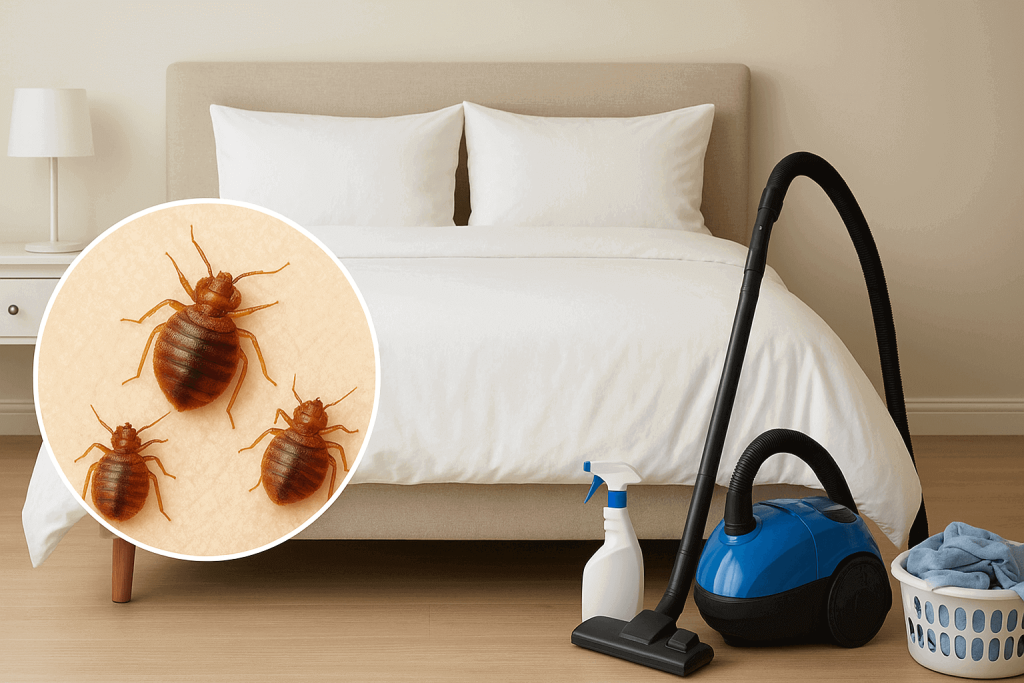
Are bed bugs keeping you up at night? You’re not alone.
These tiny pests can quickly turn your home into a nightmare. You might be wondering, can vacuuming actually kill bed bugs? It sounds like an easy and chemical-free solution, but does it really work? You’ll discover the truth about using a vacuum to fight bed bugs and learn the best ways to protect your home and your peace of mind.
Keep reading—you don’t want to miss these important facts.

Credit: naturesmace.com
How Bed Bugs Survive
Bed bugs have a strong ability to survive and spread. Their survival depends on their life cycle and behavior. Understanding these helps to know why vacuuming alone may not kill them all.
Life Cycle Of Bed Bugs
Bed bugs go through several stages before becoming adults. Each stage needs a blood meal to grow. The stages include:
- Eggs: Tiny, white, and hard to see.
- Nymphs: Small, translucent, and molt five times.
- Adults: Reddish-brown and about the size of an apple seed.
This cycle can take weeks to months, depending on temperature and food availability. Eggs and young nymphs are especially hard to kill.
Hiding Spots And Behavior
Bed bugs hide in small cracks and crevices close to humans. Common hiding spots include:
- Mattress seams and bed frames
- Behind baseboards and wallpaper
- Inside furniture and electrical outlets
They come out mainly at night to feed on blood. During the day, they remain hidden and still. This behavior helps them avoid detection and makes killing them challenging.

Credit: www.hooverdirect.co.uk
Vacuuming And Bed Bugs
Vacuuming is a common household activity that many turn to when dealing with bed bugs. It’s an immediate and hands-on way to remove these pests from your environment. But how effective is vacuuming really when it comes to killing bed bugs? Let’s take a closer look.
Effectiveness Of Vacuuming
Vacuuming can physically remove bed bugs, their eggs, and shed skins from surfaces like mattresses, carpets, and furniture. It’s especially helpful in reducing the number of bugs and preventing them from spreading further.
Using a vacuum with strong suction and a HEPA filter increases the chance of capturing even the smallest bed bugs and eggs. Some people find that vacuuming daily helps keep the infestation under control until professional treatment is possible.
Have you noticed how many bugs you actually catch after vacuuming? Seeing the bugs collected can be motivating and reassuring that you’re making progress.
Limitations And Challenges
Vacuuming alone won’t kill all bed bugs. Many bugs can survive the vacuum if they aren’t trapped properly or if the vacuum doesn’t have enough suction power.
Eggs stuck deep in mattress seams or cracks often escape vacuuming. Plus, if the vacuum bag or container isn’t emptied carefully, bed bugs might crawl back out and reinfest your home.
Vacuuming also can’t reach bugs hiding inside walls or furniture frames. This means it’s only part of a larger bed bug control strategy, not a complete solution.
Are you ready to combine vacuuming with other steps to really tackle the problem?
Best Vacuuming Practices
Vacuuming can be a powerful tool in your fight against bed bugs, but only if done correctly. Understanding the best vacuuming practices helps ensure you don’t just spread these pests around but actually reduce their numbers effectively. Let’s break down how to choose the right vacuum and the techniques that make your efforts count.
Choosing The Right Vacuum
Your vacuum cleaner matters more than you might think. A vacuum with strong suction and a HEPA filter is ideal because it traps tiny bed bug eggs and particles instead of blowing them back into the air.
Stick to a vacuum with a hose attachment and a brush head to reach cracks, mattress seams, and furniture crevices where bed bugs love to hide. Bagged vacuums are preferable since you can safely dispose of the bag after vacuuming, minimizing the risk of re-infestation.
Techniques For Maximum Impact
Don’t rush through vacuuming. Move slowly and deliberately over areas where bed bugs may lurk, such as mattress edges, bed frames, baseboards, and under furniture. Repeated passes can help dislodge eggs and nymphs stuck deep in fabric or wood.
After vacuuming, seal the vacuum bag or empty the canister contents into a plastic bag, then dispose of it outside your home. This simple step can prevent captured bugs from crawling back out.
- Focus on seams, tufts, and folds of mattresses and cushions.
- Vacuum cracks in wooden furniture and around electrical outlets.
- Don’t forget to clean behind baseboards and under rugs.
Have you noticed how much bed bugs can hide in tiny spaces? Vacuuming with care turns your cleaning session into an effective strike, not just a quick tidy-up.
Combining Vacuuming With Other Methods
Vacuuming alone rarely removes all bed bugs. Bugs hide deep in cracks and fabrics. Combine vacuuming with other methods to improve results. This multi-step approach targets bugs at every stage.
Heat Treatments
Heat kills bed bugs at all life stages. Raising room temperature above 120°F for several hours works well. Use a portable heater or professional heat treatment. Heat penetrates furniture, mattresses, and walls. It reaches bugs hiding beyond vacuum reach. Heat treatments reduce bed bug populations quickly and safely.
Chemical Solutions
Insecticides help control bed bug infestations. Use sprays or powders labeled for bed bugs. Apply to baseboards, mattress seams, and cracks. Follow safety instructions carefully. Chemicals reach bugs that escape vacuuming. Combining chemicals with vacuuming offers stronger control. Rotate insecticides to avoid resistance build-up.
Preventive Measures
Prevent bed bugs from returning after treatment. Encase mattresses in special bed bug covers. Wash bedding regularly in hot water. Seal cracks and crevices around beds and furniture. Reduce clutter to limit hiding spots. Inspect secondhand furniture before bringing it home. Regular vacuuming helps catch new bugs early.
After Vacuuming Care
Vacuuming bed bugs can be an effective first step, but the work doesn’t stop once you finish cleaning. How you handle the vacuum contents and what you do after can make a real difference in stopping these pests from coming back. Taking the right after-vacuuming care helps ensure your efforts are not wasted and your home stays bed bug-free.
Disposing Of Vacuum Contents Safely
After vacuuming, the bed bugs and their eggs are trapped inside the vacuum bag or canister. If you don’t dispose of this carefully, they could escape and reinfest your space.
Here’s what you should do:
- Seal the vacuum bag or empty the canister into a plastic bag immediately.
- Close the plastic bag tightly and place it in an outdoor trash bin.
- Clean the vacuum thoroughly, including brushes and filters, using hot, soapy water or a disinfectant.
I once skipped this step and found bed bugs crawling back days later. It’s tempting to leave the mess for later, but that delay gives bugs a chance to escape. Don’t let your hard work go to waste.
Monitoring For Reinfestation
Vacuuming rarely eliminates every bed bug. You need to watch closely to catch any survivors early.
Set up a routine to inspect common hiding spots like mattress seams, bed frames, and furniture crevices weekly. Use bed bug interceptors under bed legs to trap bugs trying to climb up.
Ask yourself: Are there new bites or signs of bugs showing up? Early detection helps you act before the problem grows. Keep a log of your findings to track changes over time.

Credit: naturesmace.com
Frequently Asked Questions
Can Vacuuming Eliminate All Bed Bugs?
Vacuuming can help reduce bed bug populations, but it won’t eliminate them entirely. It removes visible bugs and some eggs, but many hide in cracks. For effective control, combine vacuuming with other methods like heat treatment or professional pest control.
How Effective Is Vacuuming Against Bed Bugs?
Vacuuming is moderately effective in managing bed bugs. It removes adults and nymphs from surfaces. However, it won’t reach hidden areas where they breed. Regular vacuuming can reduce numbers but should be part of a comprehensive treatment plan.
Does Vacuuming Remove Bed Bug Eggs?
Vacuuming can remove some bed bug eggs, but not all. Eggs are often hidden in crevices and glued to surfaces, making them difficult to vacuum. For better results, use a vacuum with a crevice tool and follow up with other treatments.
Can Vacuuming Spread Bed Bugs?
Improper vacuuming can potentially spread bed bugs. If the vacuum isn’t properly cleaned, bugs can escape and spread to new areas. Always seal the vacuum bag immediately after use and clean the machine to prevent dispersal.
Conclusion
Vacuuming can help reduce bed bugs but does not kill all of them. It works best as part of a bigger plan. Use other treatments like heat or insecticides for full control. Clean your home often and check beds carefully.
Quick action stops bed bugs from spreading further. Stay patient; getting rid of bed bugs takes time. Keep your space clean and watch for signs. This way, you can protect your home better.