Have you ever wondered what the pressure inside a vacuum really means? You might think a vacuum has no pressure at all, but the truth is more interesting—and important—than you might expect.
Understanding the pressure of a vacuum can help you grasp how things work in everything from household gadgets to powerful scientific machines. By the time you finish reading, you’ll see just how this invisible force affects your everyday life and why it matters more than you think.
Let’s dive in and clear up the mystery behind vacuum pressure.

Credit: precisionmass.medium.com
Basics Of Vacuum Pressure
Understanding vacuum pressure begins with basic concepts. Vacuum pressure describes how much pressure is below the normal atmospheric level. It is crucial in many industries, from manufacturing to science. Knowing its basics helps grasp how vacuums work and their practical uses.
Defining Vacuum Pressure
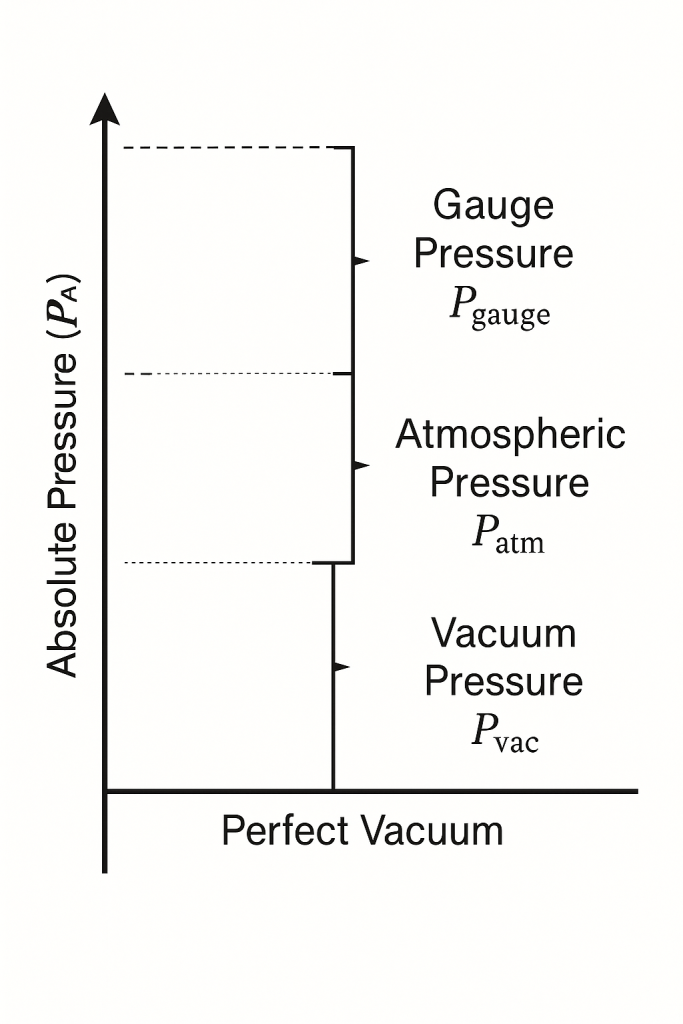
Vacuum pressure is the pressure lower than the surrounding atmospheric pressure. It measures the absence of air or gas in a space. A perfect vacuum means no particles or pressure inside. Real vacuums have some particles but much less than normal air.
Units Of Measurement
Vacuum pressure uses specific units for clarity. Common units include:
- Torr – based on millimeters of mercury (mmHg)
- Pascal (Pa) – standard SI unit
- Bar – often used in industry, 1 bar equals atmospheric pressure
- Inches of mercury (inHg) – used in some countries
Each unit helps measure how much pressure is below atmospheric pressure.
Atmospheric Vs. Vacuum Pressure
Atmospheric pressure is the air pressure around us. It pushes on everything on Earth’s surface. At sea level, it is about 101,325 Pa or 1 atmosphere.
Vacuum pressure is less than atmospheric pressure. It shows how much air is removed from a space. The greater the vacuum, the lower the pressure inside.
Types Of Vacuum Levels
Understanding the different types of vacuum levels is essential for grasping how vacuum pressure works. Each level represents a range of pressures, affecting how gases behave and how equipment operates. Knowing these distinctions helps you choose the right vacuum for your needs, whether you’re working in a lab or in manufacturing.
Low Vacuum
Low vacuum ranges from atmospheric pressure down to about 3000 pascals (Pa). This level is commonly used in everyday applications like vacuum cleaners and packaging machines. It’s easy to achieve and maintain but doesn’t remove all air molecules.
If you’ve ever used a vacuum sealer at home, you’ve experienced low vacuum in action. It’s great for basic tasks but not enough for processes that require cleaner environments.
Medium Vacuum
Medium vacuum covers pressures between 3000 Pa and 0.1 Pa. This level is typical in processes like freeze drying and some types of coating. It removes more air molecules, creating a cleaner space for sensitive operations.
Have you noticed how food packaging sometimes looks “sucked in”? That’s usually medium vacuum, which helps extend shelf life without damaging the product.
High Vacuum
High vacuum ranges from 0.1 Pa down to 10-7Pa. This level is critical in scientific research and industrial processes such as electron microscopy and semiconductor manufacturing. It requires specialized pumps and materials to maintain these low pressures.
Imagine trying to keep a cleanroom free of dust and moisture. High vacuum helps create those ultra-clean conditions needed for advanced technology.
Ultra High Vacuum
Ultra high vacuum (UHV) goes below 10-7Pa, reaching pressures as low as 10-12Pa. Achieving this requires meticulous sealing and often involves baking equipment to remove trapped gases. UHV environments are necessary for experiments in physics and surface science.
Working at this level pushes the limits of engineering. It forces you to rethink materials and design to avoid even the smallest leaks or contamination.
How Vacuum Pressure Is Measured
Understanding how vacuum pressure is measured is essential if you’re working with any system that relies on a vacuum. Measuring vacuum pressure accurately helps ensure your equipment operates safely and efficiently. Let’s look at the tools and techniques that make this measurement possible and why precision matters in your readings.
Common Instruments
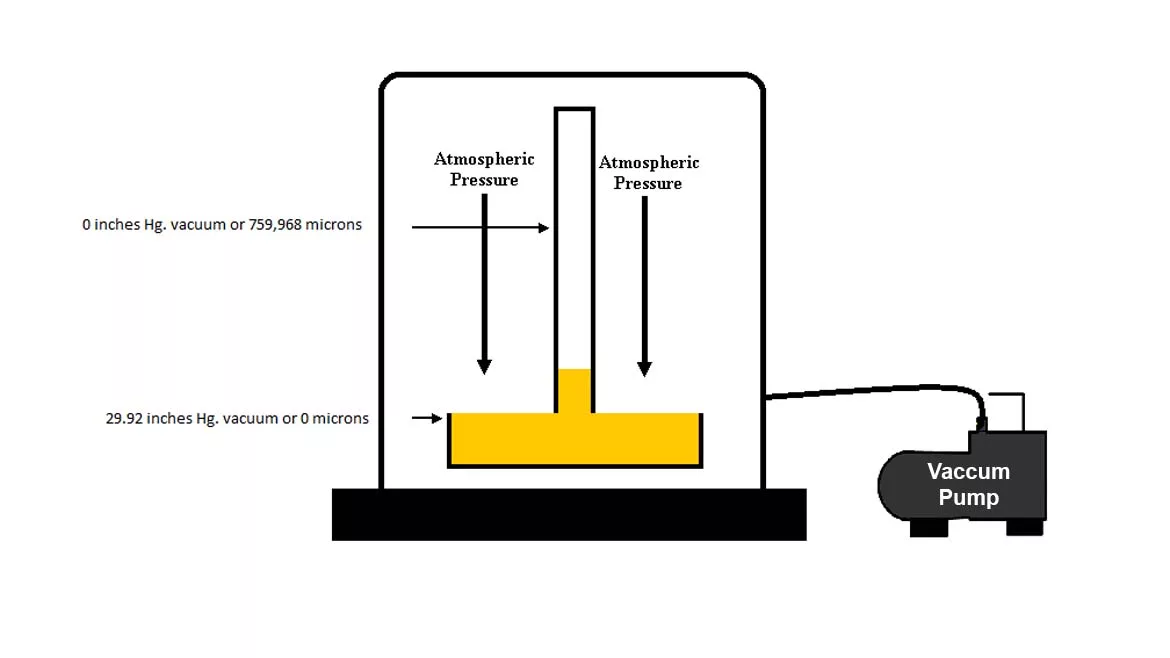
Vacuum pressure is measured using specialized instruments designed to detect very low pressures. Some of the most common devices include:
- Manometers:Simple and reliable, these measure pressure differences using liquid columns.
- Thermocouple Gauges:Use temperature changes in a wire to determine pressure in the range of high to ultra-high vacuum.
- Ionization Gauges:Measure extremely low pressures by ionizing gas molecules and detecting the resulting current.
- Pirani Gauges:Detect pressure by measuring the thermal conductivity of gases.
Each instrument fits different vacuum ranges and applications, so knowing which one suits your needs is crucial.
Measurement Techniques
Choosing the right measurement technique depends on the vacuum level you want to measure. For example, mechanical gaugeswork well for rough vacuum but fail at ultra-low pressures.
In contrast, thermal conductivity gaugeslike the Pirani gauge shine in medium vacuum ranges. When you need precise readings in ultra-high vacuum environments, ionization gaugesbecome your go-to tool.
Think about your application’s pressure range and required accuracy before picking a technique. Have you ever faced issues with inaccurate vacuum readings? Understanding these methods can help you avoid such pitfalls.
Calibration And Accuracy
Accurate vacuum measurements depend heavily on proper calibration. Instruments need to be calibrated regularly against known standards to maintain reliability.
Calibration involves comparing your gauge readings to a reference vacuum source. Without it, your measurements can drift, leading to errors that impact your system’s performance.
Keep in mind, environmental factors like temperature and gas type can affect accuracy. Adjusting for these variables during calibration helps you get the most trustworthy readings possible.
Credit: www.achrnews.com
Applications Of Vacuum Pressure
Vacuum pressure plays a crucial role across various fields, impacting how industries operate, how scientists conduct experiments, and how everyday devices function. Understanding these applications can help you appreciate the importance of controlling and measuring vacuum pressure in your daily life and work. Let’s look at where and how vacuum pressure is used effectively.
Industrial Uses
In manufacturing, vacuum pressure helps create a controlled environment free of contaminants. This is vital in processes like vacuum packaging, where removing air extends the shelf life of food products.
Vacuum systems are also essential in electronics manufacturing, especially for producing semiconductors and circuit boards. They ensure precision by preventing dust and moisture interference.
Have you noticed how vacuum pumps are used in automotive brake systems? They provide the necessary pressure difference for efficient braking, showing vacuum pressure’s role in safety.
Scientific Research
Scientists use vacuum pressure to simulate space conditions for testing satellites and materials. This helps predict how objects behave beyond Earth’s atmosphere.
Vacuum chambers enable researchers to study chemical reactions without interference from air molecules. This can lead to discoveries in material science and physics.
Ever wondered how electron microscopes produce such detailed images? They rely on vacuum pressure to allow electrons to travel without scattering, giving you a closer look at tiny structures.
Everyday Technologies
Your household vacuum cleaner uses vacuum pressure to suck up dirt and debris. It’s a simple yet powerful example of vacuum pressure improving your living space.
Vacuum insulation panels in refrigerators and thermos bottles keep your food and drinks hot or cold longer by reducing heat transfer.
Even coffee machines use vacuum pressure to brew a rich, flavorful cup. The pressure difference helps extract more taste from the coffee grounds, enhancing your morning routine.
Factors Affecting Vacuum Pressure
Vacuum pressure changes based on several key factors. Understanding these helps control and improve vacuum systems. Each factor impacts the pressure level in its own way.
Temperature Influence
Temperature affects gas molecules inside the vacuum chamber. Higher temperatures increase molecule speed and pressure. Lower temperatures slow molecules, reducing pressure. Controlling temperature is critical for stable vacuum pressure.
Leakage And Outgassing
Leaks allow air to enter the vacuum, raising pressure. Even tiny leaks can disrupt vacuum quality. Outgassing occurs when materials release trapped gases inside the chamber. This gas release increases pressure and lowers vacuum efficiency.
Material Properties
Materials used in vacuum chambers impact pressure. Some materials absorb or release gases easily. Porous materials can trap air and release it slowly. Choosing low outgassing materials improves vacuum pressure stability.
Safety And Handling
Handling vacuum systems requires more than just technical knowledge—it demands careful attention to safety. The pressure of a vacuum can create hazards if not managed properly. Understanding these risks and how to protect yourself can prevent accidents and equipment damage.
Risks Of Improper Vacuum Use
Vacuum systems operate under low pressure, which can cause implosions if the equipment fails. This sudden collapse can send shards flying, posing serious injury risks. Additionally, poor vacuum seals can lead to leaks, exposing you to harmful substances or contaminants.
Have you ever considered what happens if a vacuum chamber is not rated for the pressure it’s exposed to? The danger isn’t just theoretical; it’s real and can happen quickly. Ignoring warnings or skipping safety checks can turn a routine task into an emergency.
Protective Measures
Using the right protective gear is essential. Always wear safety goggles and gloves when working with vacuum equipment. These help shield you from potential glass breakage or chemical exposure.
Installing pressure relief valves and proper vacuum gauges can alert you to dangerous pressure levels before they become critical. Make sure your workspace has good ventilation to avoid buildup of any hazardous gases that might leak.
Maintenance Tips
Regular inspection of vacuum seals and hoses can prevent leaks and maintain system integrity. Replace worn parts promptly to avoid pressure failures. Clean equipment routinely to reduce the chance of contamination and ensure smooth operation.
Have you set up a maintenance schedule for your vacuum systems? Simple checklists can save you from costly repairs and dangerous situations. Taking a few minutes for upkeep can protect both your health and your investment.

Credit: instrumentationtools.com
Frequently Asked Questions
What Is A Vacuum’s Pressure Level?
A vacuum’s pressure is below atmospheric pressure, often close to zero. It measures the absence of air or gas. In scientific terms, it’s negative pressure compared to atmospheric levels.
How Do You Measure Vacuum Pressure?
Vacuum pressure is measured using a vacuum gauge. These devices can detect the pressure level below atmospheric pressure. They provide readings in units like torr, pascal, or millibar.
Why Is Vacuum Pressure Important?
Vacuum pressure is crucial for various industrial and scientific applications. It helps create controlled environments for processes like packaging, manufacturing, and research. Accurate vacuum pressure is essential for efficient operations.
Can Vacuum Pressure Reach Zero?
Achieving absolute zero vacuum pressure is practically impossible. However, advanced technology can get very close. Space is considered a near-perfect vacuum, but even it has some particles.
Conclusion
Understanding the pressure of a vacuum helps explain many scientific ideas. A vacuum means very low pressure, almost no air or gas. This concept is important in many tools and machines. It affects how things like suction cups or vacuum cleaners work.
Knowing about vacuum pressure also helps in space science and engineering. Remember, vacuum pressure is not zero but very close to it. This simple idea can explain a lot about how air and gases behave. Keep exploring to learn more about pressure and vacuums.