Is your air conditioner not cooling like it used to? You might be dealing with low refrigerant, and that’s a problem you don’t want to ignore.
When your AC is low on refrigerant, it struggles to keep your home comfortable and can even lead to costly repairs. But how can you tell if this is the issue? You’ll discover simple signs to watch for and easy steps to check if your air conditioner is running low on refrigerant.
Keep reading to protect your comfort and save money before things get worse.

Credit: www.lochardplumbingheatingandcooling.com
Common Symptoms Of Low Refrigerant
Noticing your air conditioner isn’t working as well as before? It might be low on refrigerant. Recognizing the common symptoms early can save you from costly repairs and discomfort during hot days.
Reduced Cooling Efficiency
If your AC isn’t cooling your space as effectively, it could be a sign of low refrigerant. You might feel that the air coming out is not as cold as it used to be. This happens because refrigerant is essential for absorbing heat from inside your home.
Have you ever adjusted the thermostat lower but still didn’t feel cooler? That’s a classic symptom to watch out for.
Ice Formation On Evaporator Coil
Seeing ice or frost on your evaporator coil is a red flag. Low refrigerant causes the coil to get too cold, leading moisture in the air to freeze on it. This ice buildup restricts airflow and further reduces cooling.
Check your AC unit for any visible ice—it’s a clear sign that something’s wrong.
Hissing Or Bubbling Noises
Unusual sounds like hissing or bubbling near your AC unit might indicate a refrigerant leak. These noises occur when refrigerant escapes through small holes or cracks. Ignoring these sounds can lead to more serious issues.
Have you ever heard these noises but dismissed them? It’s worth investigating before the problem worsens.
Increased Energy Bills
Low refrigerant forces your AC to work harder to cool your home. This extra effort uses more electricity, which you’ll notice in your energy bills. A sudden spike in your bill without increased usage often points to an inefficient AC system.
Are your bills rising even though your daily routine hasn’t changed? Your AC’s refrigerant level might be the culprit.

Credit: www.estesair.com
Checking Airflow And Temperature
Checking airflow and temperature helps identify low refrigerant in your air conditioner. These signs often show early problems. Noticing changes in the air coming from your vents or uneven room cooling can signal low refrigerant levels. Pay close attention to these details for quick action.
Weak Or Warm Air From Vents
Air that feels weak or warm may indicate low refrigerant. The AC struggles to cool air properly without enough refrigerant. You might notice less air pressure or a warmer breeze than usual. This happens because the system cannot absorb heat efficiently. Check the vents for any unusual temperature changes.
Uneven Cooling In Rooms
Some rooms may feel cooler than others with low refrigerant. The AC cannot distribute cold air evenly throughout the house. This can cause hot spots or uneven temperatures. It may feel like the system is working harder but not cooling well. Notice if some rooms stay warm despite running the AC.
Inspecting The Outdoor Unit
Inspecting the outdoor unit is a key step in checking if your air conditioner is low on refrigerant. This unit houses important parts like the compressor and refrigerant lines. Problems here often show signs that refrigerant levels are low. Regular checks help spot issues early and keep the system running smoothly.
Frost Or Ice On Refrigerant Lines
Look closely at the refrigerant lines outside the unit. These are usually copper tubes that carry the refrigerant. If you see frost or ice on them, it means the refrigerant might be low. Low refrigerant causes the pressure to drop, making the lines freeze. This frost buildup reduces cooling and can damage the system.
Check both the larger and smaller refrigerant lines. The larger line may feel cold and wet, but the smaller line should never be covered in ice. Ice is a clear sign of trouble.
Unusual Compressor Behavior
The compressor is the heart of the outdoor unit. It pumps refrigerant through the system. Listen for strange noises like rattling or humming that is louder than usual. These sounds can mean the compressor is struggling due to low refrigerant.
Also, watch if the compressor turns on and off frequently. This cycling can happen when refrigerant levels are too low. It causes the system to work harder and wear out faster. Noticing these signs early can save costly repairs.
Using Tools To Detect Refrigerant Levels
Detecting low refrigerant levels in your air conditioner is crucial for maintaining its efficiency and preventing costly repairs. Using the right tools can give you a clear, accurate picture of your system’s health. These tools help you find problems early, so you can fix them before they turn into bigger issues.
Pressure Gauges
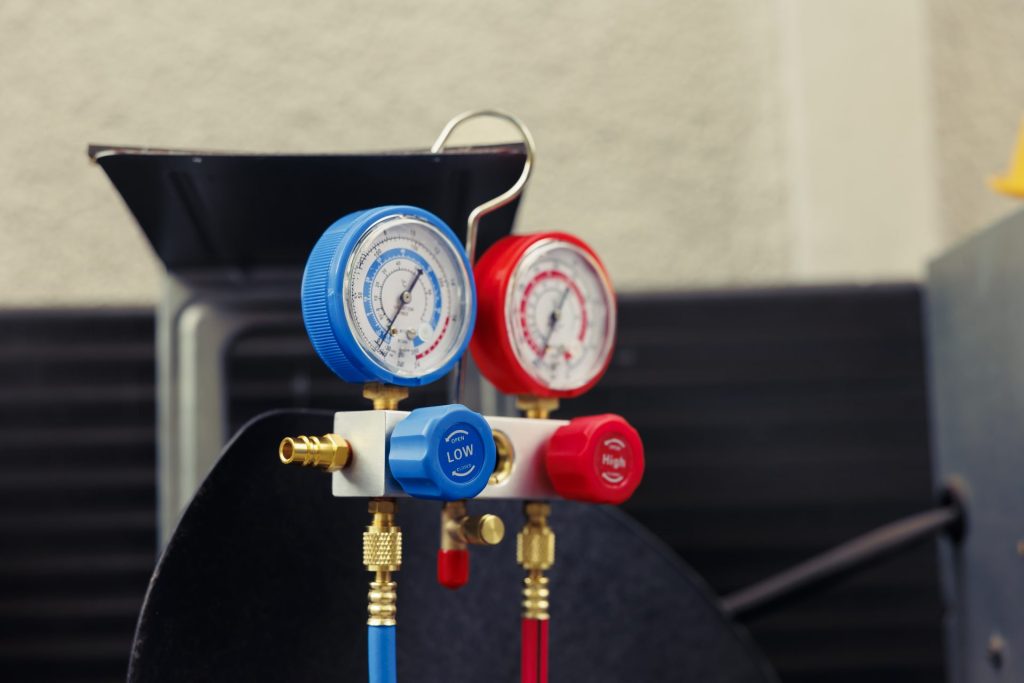
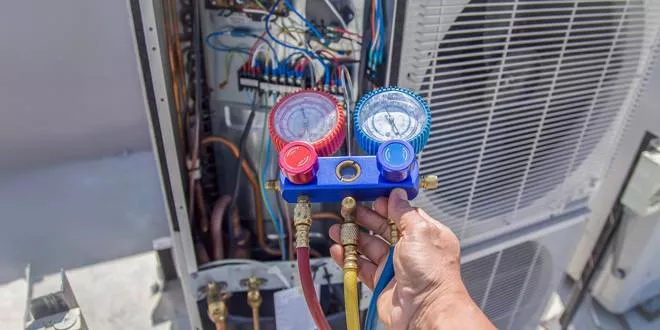
Pressure gauges are one of the most common tools for checking refrigerant levels. They connect to your AC’s service ports and measure the pressure inside the system. Low pressure readings often indicate low refrigerant levels.
Using pressure gauges is straightforward, but you need to know the correct pressure range for your specific AC model. This information is usually found on the unit’s label or in the manual. If the pressure is outside the recommended range, it’s a sign you should add refrigerant or call a professional.
Electronic Leak Detectors
Electronic leak detectors help you pinpoint where refrigerant is escaping. These handheld devices sense the presence of refrigerant gas in the air around your AC system. They are especially useful if you suspect a leak but can’t see any obvious signs like ice buildup or hissing sounds.
Using an electronic leak detector can save you time and money by identifying leaks early. You simply move the sensor along pipes, connections, and coils until the device alerts you. This targeted approach helps you avoid unnecessary repairs and keeps your system running smoothly.
Health And Safety Risks Of Low Refrigerant
Low refrigerant in your air conditioner isn’t just a technical issue—it can lead to serious health and safety problems. Ignoring the signs may put your comfort at risk and could even harm your family and the environment. Understanding these risks helps you act quickly to protect your home and well-being.
Potential Damage To The Ac System
When refrigerant levels drop, your AC has to work harder to cool your space. This extra strain can cause the compressor to overheat and eventually fail, leading to costly repairs.
Low refrigerant also causes the evaporator coil to freeze. This not only reduces cooling efficiency but may damage internal parts, shortening your AC’s lifespan.
Have you noticed your AC running constantly but still not cooling? That’s a red flag. Ignoring it might leave you without air conditioning during the hottest days.
Environmental Impact
Refrigerants often contain chemicals that harm the ozone layer and contribute to global warming. A leak means these substances escape into the atmosphere, causing environmental damage.
Even small leaks add up over time. Protecting your AC means protecting the planet. Would you let harmful gases leak freely in your home and neighborhood?
Fixing leaks promptly not only saves energy but also reduces your carbon footprint. It’s a simple step with a big impact on the environment and your energy bills.
When To Call A Professional
Knowing when to call a professional for low refrigerant in your air conditioner is crucial. Some signs need expert attention to prevent bigger problems. Handling refrigerant issues without skills can be risky. A professional can quickly diagnose and fix the problem safely.
Importance Of Expert Diagnosis
Professionals have the right tools to check refrigerant levels accurately. They can spot leaks that are hard to find. Proper diagnosis avoids unnecessary repairs and saves money. Experts ensure your AC runs efficiently after the fix. They follow safety rules to protect your home and health.
Avoiding Diy Refrigerant Handling
Refrigerants are chemicals that require careful handling. Incorrect use can damage the AC or cause harm. Professionals know how to handle and dispose of refrigerants safely. DIY attempts may lead to leaks or environmental damage. Calling a pro keeps you safe and your system working well.
Preventing Refrigerant Issues
Preventing refrigerant issues is key to keeping your air conditioner running smoothly. Low refrigerant levels can lead to poor cooling and costly repairs. Taking proactive steps helps you avoid these problems and ensures your system stays efficient throughout the year.
Regular Maintenance Tips
Regular maintenance is your first defense against refrigerant problems. You should clean or replace air filters every 1-3 months to keep airflow steady. Dirty filters make your AC work harder, increasing the chance of refrigerant leaks.
Check the outdoor unit for debris like leaves or dirt. Clearing this area improves heat exchange and prevents strain on the system. Also, inspect the refrigerant lines for visible wear or damage. Catching issues early can save you money and hassle.
Scheduling Professional Inspections
Even if you stay on top of basic care, professional inspections are essential. A certified technician can detect tiny leaks and check refrigerant levels accurately. They have the tools and experience to fix problems before they grow.
Many homeowners skip this step until they notice poor cooling. But waiting can cause bigger damage to your AC. Think about scheduling a checkup at least once a year, preferably before the hot season starts.
Have you ever noticed your AC isn’t cooling like it used to? Sometimes, a quick professional inspection can reveal hidden issues you wouldn’t spot yourself. Don’t wait for discomfort to act—preventive care is easier and cheaper.
Credit: nicksac.com
Frequently Asked Questions
What Are Signs Of Low Refrigerant In Ac?
If your AC blows warm air, takes longer to cool, or forms ice on coils, it may be low on refrigerant. You might also hear hissing sounds or notice increased energy bills. These signs suggest a refrigerant issue that needs professional attention.
How Does Low Refrigerant Affect Cooling?
Low refrigerant reduces your AC’s ability to cool efficiently. It causes longer cooling cycles and uneven temperature distribution. This inefficiency leads to discomfort and higher energy consumption. Regular maintenance helps maintain optimal refrigerant levels, ensuring effective cooling.
Can Low Refrigerant Damage The Ac Unit?
Yes, low refrigerant can damage the AC. It causes the compressor to overwork, leading to overheating and potential failure. This strain shortens the unit’s lifespan and can result in costly repairs. Regular checks help prevent these issues.
How Often Should Refrigerant Levels Be Checked?
It’s recommended to check refrigerant levels annually during routine AC maintenance. Regular checks ensure your unit operates efficiently, preventing potential issues. A professional technician can accurately assess and top up refrigerant if necessary. This proactive approach prolongs your AC’s lifespan.
Conclusion
Low refrigerant in an air conditioner causes poor cooling and higher bills. Watch for signs like warm air, ice on coils, or strange noises. Acting quickly helps avoid bigger problems and costly repairs. Regular checks keep your AC running well all summer.
Knowing these tips saves time and money. Stay alert to your AC’s behavior for comfort and efficiency.