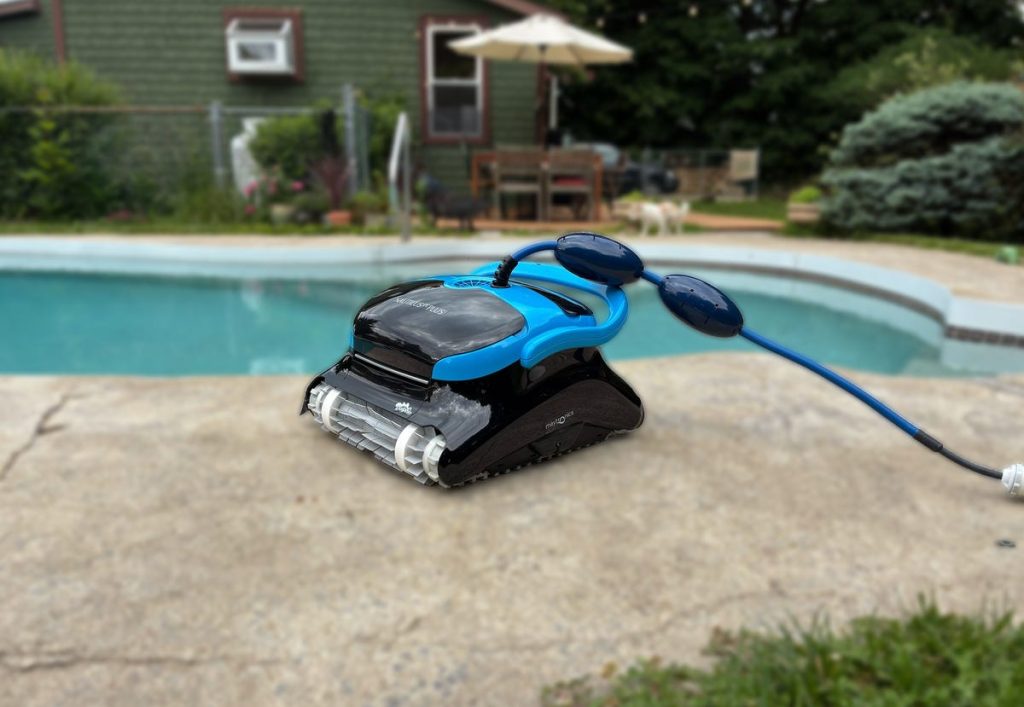
You want your pool to stay clean and inviting all season long. But how long can you really count on your pool vacuum to do the job?
Knowing the lifespan of your pool vacuum helps you plan for maintenance and avoid unexpected breakdowns. You’ll discover the key factors that affect how long pool vacuums last and practical tips to extend their life. Keep reading to make sure your investment keeps your pool sparkling for years to come.
Credit: www.bobvila.com
Types Of Pool Vacuums
Pool vacuums come in several types, each designed to suit different cleaning needs and pool setups. Knowing which type fits your routine and pool size can save you time and money. Let’s break down the main types so you can choose what lasts longest and works best for you.
Manual Pool Vacuums
Manual vacuums require you to push or pull the device across the pool floor. They’re simple and cost-effective but demand your time and effort.
If you enjoy hands-on maintenance, a manual vacuum can last many years with proper care. However, if you prefer less work, this might not be your best option.
Automatic Robotic Vacuums
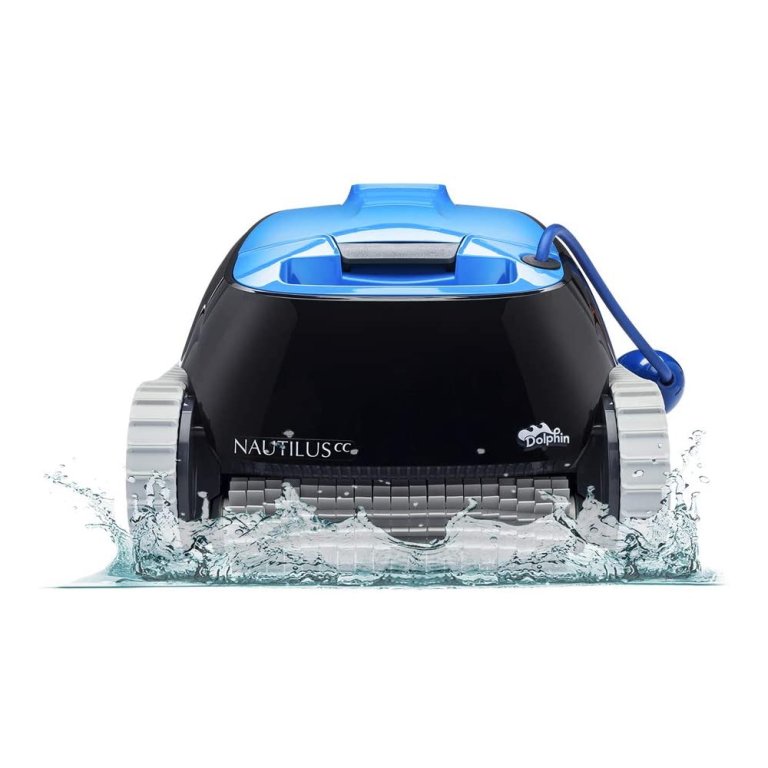
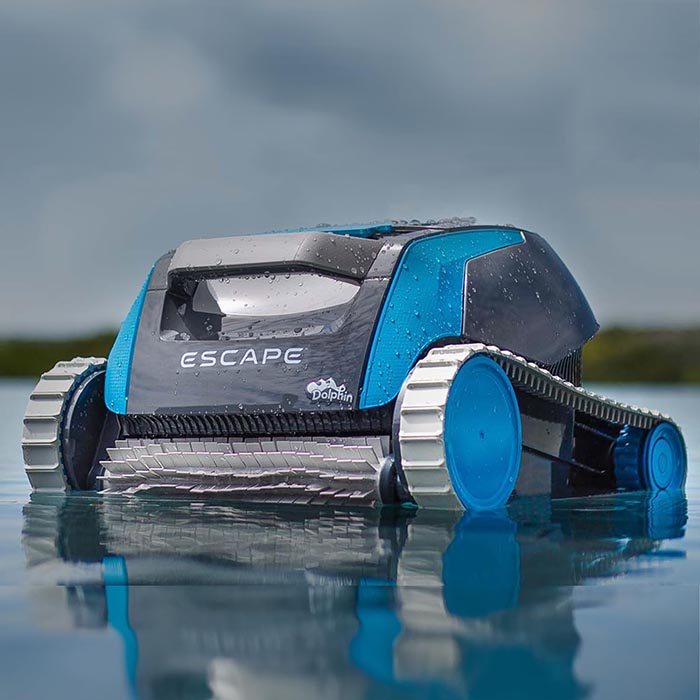
Robotic vacuums clean independently by navigating the pool with built-in sensors. They often come with smart features like timers and remote control.
Though pricier upfront, robotic vacuums can last 3 to 5 years or more, especially if you keep their filters and brushes clean. Have you considered how much your time is worth when choosing one?
Pressure-side Vacuums
Pressure-side vacuums connect to your pool’s return line, using water pressure to move and collect debris in a separate bag. They’re great for larger debris like leaves and twigs.
This type usually lasts longer than suction-side models because they experience less strain on the pump. If your pool is surrounded by trees, a pressure-side vacuum could be your best investment.
Suction-side Vacuums
Suction-side vacuums attach to the pool’s skimmer or dedicated suction line and pull debris directly into the filter system. They’re affordable and easy to use.
But because they rely on the main pump, they can wear out faster if the pump runs continuously. Do you monitor your pump’s usage to extend your vacuum’s life?
Average Lifespan Of Pool Vacuums
Understanding the average lifespan of pool vacuums can help you plan your maintenance budget and avoid unexpected replacements. Pool vacuums, like most equipment, vary in durability based on their design and how you use them. Knowing what to expect will save you time and money in the long run.
Lifespan By Vacuum Type
Different types of pool vacuums last for different lengths of time. Here’s a quick look at common types and their average lifespans:
| Vacuum Type | Average Lifespan | Notes |
|---|---|---|
| Manual Pool Vacuums | 5 to 8 years | Durable parts, but require regular cleaning and storage care |
| Automatic Suction-Side Vacuums | 3 to 5 years | Parts wear out faster due to constant suction and movement |
| Automatic Pressure-Side Vacuums | 4 to 6 years | More complex mechanics can mean more maintenance |
| Robotic Pool Vacuums | 5 to 7 years | High-tech components need careful handling and updates |
Factors Affecting Vacuum Longevity
What you do daily affects how long your pool vacuum will last. Some factors to watch closely include:
- Frequency of Use:Using your vacuum every day can wear it out faster than weekly cleaning.
- Maintenance Habits:Cleaning filters, checking hoses, and storing the vacuum properly extend its life.
- Water Chemistry:Poorly balanced pool water can cause corrosion or damage to vacuum parts.
- Quality of Parts:Investing in higher-quality vacuums often means they last longer under tough conditions.
- Storage Conditions:Leaving the vacuum exposed to sun or freezing temperatures can shorten its lifespan.
Have you noticed your vacuum showing signs of wear after only a short time? Sometimes small adjustments in how you care for it can make a huge difference in how long it keeps running smoothly.
Signs Your Pool Vacuum Needs Replacement
Knowing when to replace your pool vacuum can save you time, money, and frustration. Often, the signs are subtle but clear once you know what to look for. Paying attention to these warning signals will help you maintain a sparkling clean pool without unnecessary repairs or wasted effort.
Decreased Cleaning Efficiency
If your pool vacuum is leaving dirt behind or missing spots, it’s a red flag. You might notice the vacuum takes longer to clean the same area or struggles with debris it handled easily before.
Have you ever wondered why your vacuum seems less effective even after multiple runs? This drop in performance usually means the motor or suction system is wearing out. Ignoring this can lead to bigger problems down the line.
Frequent Repairs
Constantly fixing your pool vacuum drains your wallet and patience. If you find yourself replacing parts like hoses, brushes, or filters more often, it’s time to question if continued repairs are worth it.
Think about how much you’ve spent on repairs recently. Could that money be better invested in a new, more reliable model? Sometimes, replacing your vacuum is cheaper than keeping an old one alive.
Wear And Tear Indicators
Visible signs of damage are the easiest to spot. Cracked housing, frayed cords, or broken wheels all indicate your vacuum is nearing the end of its life.
- Check for cracks or holes in the vacuum body
- Look for worn-out brushes or missing parts
- Inspect electrical cords for damage or exposed wires
Ignoring these signs risks further damage or even safety hazards. Would you trust your vacuum with these defects to keep your pool clean and safe?
Maintenance Tips To Extend Vacuum Life
Proper maintenance can greatly increase the lifespan of your pool vacuum. Small care habits prevent damage and keep the device running smoothly. A well-maintained vacuum saves money by avoiding frequent replacements.
Following simple steps helps maintain peak performance. Regular checkups and cleaning stop dirt buildup. Storing the vacuum properly protects it from weather damage and wear. Paying attention to parts ensures quick fixes before major problems arise.
Regular Cleaning And Storage
Clean the vacuum after every use. Remove debris from brushes, filters, and hoses. Rinse with fresh water to avoid chemical buildup. Dry the vacuum completely before storing it.
Store the vacuum in a cool, dry place. Avoid direct sunlight or freezing temperatures. Use a cover or container to protect it from dust and pests.
Inspecting And Replacing Parts
Check hoses and brushes regularly for cracks or wear. Look for leaks in seals and connections. Replace worn parts immediately to prevent further damage. Keep spare parts handy for quick repairs.
Inspect the motor and wheels for smooth operation. Lubricate moving parts if recommended by the manufacturer. Regular part checks improve vacuum efficiency and safety.
Avoiding Common Misuse
Do not run the vacuum on rough surfaces or sharp objects. Avoid pulling the vacuum by the cord or hose. Use the vacuum only for the pool type it is designed for.
Follow the manufacturer’s instructions for operation times and settings. Avoid overworking the vacuum to prevent overheating. Proper use reduces wear and extends the device’s life.
Choosing A Durable Pool Vacuum
Choosing a durable pool vacuum is key to saving money and avoiding frequent replacements. You want a vacuum that withstands regular use and tough pool conditions without breaking down. Let’s look at what makes a pool vacuum last longer and how you can spot one that’s built to last.
Material Quality
The materials used in a pool vacuum directly affect its lifespan. Look for vacuums made with high-grade plastics or stainless steel parts. These materials resist corrosion and damage better than cheaper alternatives.
Consider the vacuum’s brushes and wheels too. Durable rubber or reinforced brushes handle debris well and won’t wear out quickly. Have you ever bought a vacuum only to see the wheels crack after a few months? Avoid that by checking what materials are listed in the product details.
Brand Reputation
Brands with a solid reputation often deliver more reliable products. They invest in better design and quality control to keep customers happy. Reading reviews and asking fellow pool owners can reveal which brands consistently produce long-lasting vacuums.
Don’t overlook lesser-known brands with strong customer feedback. Sometimes, smaller companies focus more on durability to build trust. Which brands have you heard praised for quality in your pool community?
Warranty And Support
A good warranty shows the manufacturer’s confidence in their product’s durability. Look for vacuums that offer at least one year of coverage on parts and labor. This gives you peace of mind and protection against early failures.
Also, consider the availability of customer support and spare parts. Can you easily get replacement brushes or motors if needed? A vacuum that’s easy to repair often lasts much longer than one you have to replace entirely.

Credit: www.thespruce.com
Cost Vs. Lifespan: When To Repair Or Replace
Deciding whether to repair or replace your pool vacuum hinges on balancing costs against its expected lifespan. Understanding when repairs add value and when they become a financial drain can save you both money and hassle. Let’s break down the key factors that influence this decision so you can keep your pool maintenance efficient and budget-friendly.
Repair Expenses
Repair costs can vary widely depending on the issue. Small fixes like replacing a belt or cleaning clogged filters might cost under $50, making repair a smart choice.
However, major problems such as motor failure or electronic malfunctions often come with higher price tags—sometimes reaching $150 or more. At this point, consider how many years you have already used the vacuum.
Ask yourself: Will the repair extend your vacuum’s life enough to justify the expense? If you find yourself repairing the same parts repeatedly, it’s a sign that the vacuum may be nearing the end of its useful life.
Evaluating Replacement Benefits
Replacing an old pool vacuum can sometimes be more cost-effective than ongoing repairs. New models often come with improved technology, better energy efficiency, and longer warranties, offering greater peace of mind.
Think about how much time and frustration you’ll save by switching to a reliable, modern unit. Plus, newer vacuums can tackle pool cleaning faster and more thoroughly.
When considering replacement, calculate the total cost of repairs against the price of a new vacuum. If repair costs approach 50% or more of a new unit’s price, replacement often makes more sense.
Have you weighed the convenience and reliability benefits alongside the price? Sometimes, investing in a new vacuum means fewer headaches down the line and a cleaner pool all season long.
Credit: www.bobvila.com
Frequently Asked Questions
How Often Should I Replace My Pool Vacuum?
Pool vacuums generally last between 3 to 5 years. However, their lifespan depends on usage and maintenance. Regularly inspect parts for wear and replace as needed to ensure optimal performance. Proper storage and cleaning after use can also extend the vacuum’s life.
What Affects The Lifespan Of A Pool Vacuum?
Several factors affect a pool vacuum’s lifespan, including frequency of use, maintenance, and pool environment. Proper care, such as cleaning filters and avoiding excessive debris, can prolong its life. Storing it correctly when not in use also helps prevent unnecessary wear and tear.
Are Robotic Pool Vacuums More Durable?
Robotic pool vacuums tend to be more durable than manual ones. They are designed with advanced technology and materials for longevity. However, they require regular maintenance, such as cleaning filters and brushes, to ensure optimal functionality. With proper care, they can last several years longer than traditional vacuums.
How Do I Maintain My Pool Vacuum?
To maintain your pool vacuum, regularly clean its filters and brushes. Check for any blockages or worn-out parts. Store it in a cool, dry place to prevent damage. Regularly inspect cables and hoses for wear and tear to ensure efficient operation and extend its lifespan.
Conclusion
Pool vacuums can last several years with proper care. Regular cleaning and storage help extend their life. Watch for signs of wear to avoid sudden breakdowns. Choosing quality parts also improves durability. Remember to follow the manufacturer’s instructions for best results.
A well-maintained vacuum keeps your pool clean and saves money. Taking small steps today means fewer repairs tomorrow. Keeping your pool vacuum working well is easier than you think. Small efforts bring long-term benefits for your pool’s health.