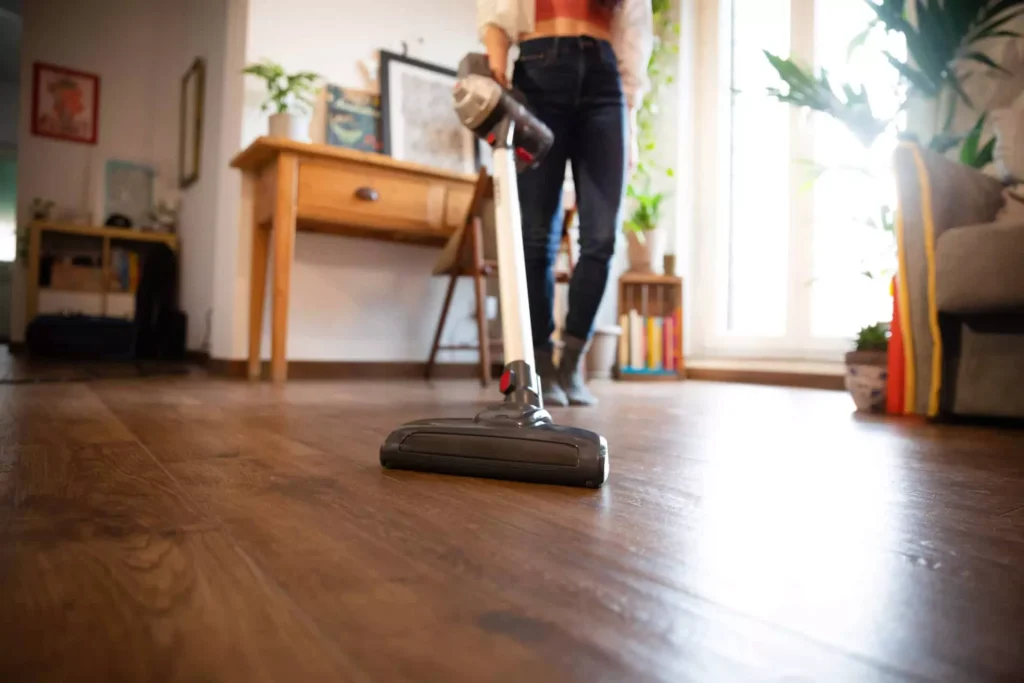
Are you wondering if you can vacuum your hardwood floor without causing damage? You want your floors to look clean and shiny, but you’re worried about scratches or dullness.
The good news is, vacuuming can be a great way to keep your hardwood floors spotless—if you do it the right way. You’ll discover the best tips and tricks to vacuum your hardwood floors safely, so you can protect your investment and enjoy a beautiful home every day.
Keep reading to find out how to make your cleaning routine easier and more effective.
Credit: www.naturewoodfloors.com
Choosing The Right Vacuum
Choosing the right vacuum for your hardwood floors is crucial to keep them looking beautiful and scratch-free. Not all vacuums are created equal, especially when it comes to delicate surfaces like wood. Understanding what type of vacuum suits your floor, which features protect your investment, and how to avoid damage can save you from costly repairs and frustration.
Vacuum Types For Hardwood
Some vacuum types are better for hardwood floors than others. Canister vacuums often come with adjustable suction and soft brush attachments, making them a good choice. Stick vacuums are lightweight and easy to maneuver but check if they have a hardwood-friendly mode.
Robot vacuums can be convenient, but not all models are gentle enough for hardwood. Avoid vacuums with rotating brushes or beater bars unless they have an option to turn these off. These features can scratch or dull the finish on your floors.
Features To Look For
- Adjustable suction power:This lets you control how strong the vacuum pulls, preventing damage.
- Soft brush roll or brushless design:Brushes made of soft materials or models without brushes reduce the risk of scratching.
- Rubber wheels:These glide smoothly without marking your floor.
- HEPA filters:Great for trapping dust, especially if you have allergies.
- Lightweight and easy to handle:You’ll clean more often if the vacuum is comfortable to use.
Avoiding Damage
How often have you worried about your vacuum scratching your wood floors? To prevent this, always check the vacuum’s settings before use. Use attachments specifically designed for hardwood floors, like soft bristle brushes or floor nozzles.
Inspect the vacuum wheels regularly for dirt or grit that can scratch your floor. Don’t vacuum over wet spots; moisture can warp the wood. Instead, spot clean spills with a damp cloth before vacuuming the rest of the area.
Preparing Hardwood Floors
Preparing hardwood floors before vacuuming protects the wood and keeps it looking great. Taking a few simple steps helps avoid scratches and damage. Cleaning debris and checking the floor condition are key parts of this process.
Clearing Debris
Start by removing large debris from the floor surface. Small stones, dirt clumps, and pet hair can scratch hardwood. Use a soft broom or dust mop to sweep up loose dirt. Avoid using a vacuum with a beater bar or hard brush attachment that can damage the finish. Clearing debris first ensures safe vacuuming and better cleaning results.
Checking Floor Condition
Inspect the hardwood for any damage before vacuuming. Look for loose boards, cracks, or areas with worn finish. Make sure there are no sharp objects or nails sticking up. Check if the floor is dry and free from sticky spots. Addressing these issues helps protect the floor and extends its life during regular cleaning.
Vacuuming Techniques
Vacuuming hardwood floors requires specific techniques to keep them clean and damage-free. Using the right approach protects the wood’s finish and removes dust effectively. Follow these tips for the best results.
Proper Settings
Set your vacuum to a hard floor or low suction mode. Avoid using a beater bar or rotating brush, as these can scratch the surface. Use a soft brush attachment for gentle cleaning. Check the vacuum’s manual for floor-specific settings.
Safe Movement Tips
Move the vacuum slowly and steadily across the floor. Avoid pressing too hard to prevent scratches. Lift the vacuum when changing direction or moving over delicate areas. Keep the vacuum’s wheels clean to avoid dragging dirt.
Handling Edges And Corners
Use a crevice tool or soft brush attachment for edges and corners. Gently vacuum along baseboards and tight spaces. Avoid forcing the vacuum into narrow areas to protect the floor and vacuum. Regularly clean these spots to prevent dirt buildup.

Credit: www.thespruce.com
Alternative Cleaning Methods
Alternative cleaning methods help keep hardwood floors safe and clean. They avoid damage that some machines might cause. These methods are simple and effective. They remove dust and dirt without scratching the wood surface. You can use tools that are gentle yet thorough. Here are some great options for cleaning hardwood floors.
Using Brooms And Dust Mops
Brooms and dust mops collect loose dirt and debris easily. Soft bristles prevent scratches on hardwood floors. They reach corners and edges where vacuum cleaners might miss. Use a dust mop with microfiber strands for better cleaning. Sweep or mop regularly to avoid dirt buildup. This keeps your floors looking fresh and tidy every day.
Microfiber Cloths
Microfiber cloths trap dust and small particles well. They are gentle on wood and reduce static electricity. Use a slightly damp microfiber cloth to wipe the floor. Avoid using too much water, which can damage hardwood. These cloths are reusable and easy to wash. They work great for quick spot cleaning and polishing.
Steam Cleaning Risks
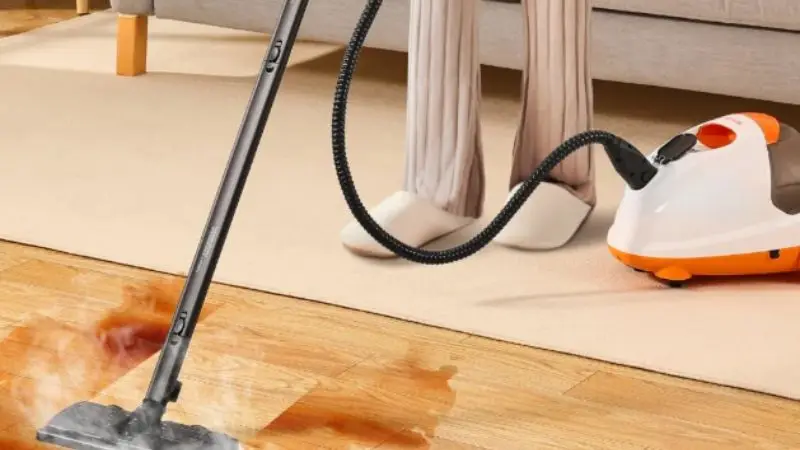
Steam cleaners may seem useful but pose risks to hardwood floors. Excess moisture can cause wood to warp or swell. High heat may damage the finish or sealant layers. Many manufacturers advise against using steam on hardwood. It is safer to use dry or slightly damp cleaning tools. Protect your floor by choosing gentle cleaning methods instead.
Maintaining Hardwood Floors
Maintaining hardwood floors keeps them beautiful and lasts longer. Careful attention prevents damage and preserves their natural shine.
Simple habits protect floors from wear. Consistent cleaning removes dirt that can scratch the surface. Quick action on spills avoids stains and water damage.
Regular Cleaning Schedule
Vacuum or sweep hardwood floors daily to remove dust and grit. Use a vacuum with a soft brush attachment to avoid scratches. Mop floors weekly using a damp, not wet, cloth or mop. Avoid harsh cleaners that can dull or damage the finish. Regular cleaning keeps floors looking fresh and healthy.
Protective Measures
- Place mats at entrances to trap dirt and moisture.
- Use felt pads under furniture legs to prevent scratches.
- Keep pet nails trimmed to avoid floor damage.
- Maintain stable indoor humidity to prevent wood from expanding or shrinking.
- Avoid walking on floors with high heels or heavy boots.
Dealing With Scratches
Minor scratches can be hidden using wood touch-up markers or wax sticks. For deeper scratches, lightly sand the area and apply matching stain. Use a soft cloth to blend repairs smoothly. Regular inspection helps catch scratches early and keep floors flawless.
Credit: www.vevor.com
Frequently Asked Questions
Is Vacuuming Safe For Hardwood Floors?
Yes, vacuuming is safe for hardwood floors if done correctly. Use a vacuum with a hardwood floor setting or a brush roll switch-off feature. Ensure the wheels are soft and clean to avoid scratches. Regular vacuuming helps maintain the floor’s appearance and prevents dirt buildup.
What Type Of Vacuum Is Best For Hardwood?
The best vacuum for hardwood floors has a hard floor setting and soft wheels. A canister vacuum with a hardwood floor attachment or a stick vacuum with a soft brush is ideal. Avoid vacuums with hard bristles or beater bars that may scratch the surface.
Can A Vacuum Remove All Dirt From Hardwood?
A vacuum can effectively remove dirt, dust, and debris from hardwood floors. Use a vacuum with strong suction and a soft brush attachment. Regular vacuuming helps prevent dirt buildup and maintains the floor’s appearance. However, occasional mopping may still be needed for deep cleaning.
How Often Should You Vacuum Hardwood Floors?
Vacuum hardwood floors at least once a week to prevent dust buildup. In high-traffic areas, consider vacuuming more frequently. Regular vacuuming helps maintain the floor’s appearance and prolongs its lifespan. Always use a vacuum designed for hardwood to avoid potential damage.
Conclusion
Vacuuming hardwood floors keeps them clean and free from dust. Use a vacuum with a soft brush or hardwood setting. Avoid vacuums with beater bars that can scratch the wood. Clean regularly to protect your floor’s finish and shine. Simple care helps your hardwood last longer and look great.
Remember, gentle cleaning works best for hardwood surfaces. Keep your floors neat without causing damage. A good vacuum choice makes all the difference.