
Are you thinking about renting a refrigerator but unsure how much it will cost? You’re not alone.
Whether you need a fridge for a short-term stay, an event, or just want to avoid a big upfront purchase, knowing the rental price is key. You’ll discover clear answers about rental costs, what affects the price, and how to choose the best option for your needs.
Keep reading, and you’ll feel confident making the right decision for your home or business.
Rental Price Factors
Understanding the factors that affect refrigerator rental prices can help you make smarter choices and avoid unexpected costs. Several key elements influence how much you’ll pay, from the size of the fridge to the brand you choose. Let’s break down these factors so you know exactly what to expect and how to tailor your rental to your needs.
Refrigerator Size And Type
The size of the refrigerator plays a big role in the rental price. Larger models or those with advanced features like French doors or built-in water dispensers usually cost more to rent. Think about your actual space and storage needs—do you really need a huge fridge, or will a compact one work just fine?
Different types, such as mini fridges, standard top-freezer, or side-by-side models, come with varied price tags. Choosing the right type can save you money and prevent overspending on unnecessary features.
Rental Duration
The length of your rental period directly impacts the cost. Renting a refrigerator for a day or a week usually comes with higher daily rates compared to monthly or long-term rentals. If you only need it temporarily, ask about weekly or monthly deals.
Sometimes, extending your rental can lower the average daily price, but be careful not to pay for unused days. Do you know exactly how long you’ll need the fridge? Getting this right can save you a lot.
Delivery And Installation Fees
Delivery and installation are often extra costs you might overlook. Some rental companies include these fees in the total price, while others charge separately. Check if the company delivers to your location and if installation is required for your model.
Installation might sound simple, but improper setup can lead to problems later on. Make sure to ask if professional setup is included or if you need to arrange it yourself.
Brand And Model Impact
The brand and specific model of the refrigerator affect the rental price significantly. High-end brands like Samsung or LG tend to cost more than less popular or generic brands. However, premium models often come with better energy efficiency and features.
Think about what matters most to you: is it cost savings or having the latest tech? Sometimes, paying a bit more for a trusted brand means fewer headaches and better performance during your rental period.
Credit: www.aarons.com
Average Rental Costs
Renting a refrigerator offers flexibility without the big upfront cost. Understanding average rental costs helps plan your budget well. Prices vary by rental length, brand, and provider. Knowing these details saves money and avoids surprises.
Short-term Rental Rates
Short-term rentals usually cost more per day. Daily rates range from $10 to $30, depending on size and features. Weekly rentals often come with slightly lower daily prices. These options suit temporary needs like events or short stays.
Long-term Rental Discounts
Long-term rentals offer better value per month. Monthly prices range from $50 to $150 for standard models. Many companies give discounts for rentals over three or six months. This choice benefits those needing a fridge for extended periods.
Comparison Across Providers
| Provider | Short-term Rate | Long-term Rate | Additional Fees |
|---|---|---|---|
| Provider A | $15/day | $120/month | Delivery $30 |
| Provider B | $20/day | $100/month | Setup $25 |
| Provider C | $12/day | $140/month | None |
Prices differ based on fees and service quality. Always check what each provider includes before renting.
Cost-saving Strategies
Saving money on refrigerator rental starts with smart choices. Small decisions can cut costs significantly. Understanding the best options helps keep the budget low. Focus on size, features, and contract terms for the best deal.
Choosing The Right Size
Select a fridge that fits your actual needs. Larger models cost more to rent and use more energy. A compact fridge suits single people or small families well. Measure your space carefully before renting. Avoid paying for extra space you won’t use.
Opting For Basic Models
Simple refrigerators usually cost less to rent. Avoid high-end features like ice makers or smart controls. Basic models are reliable and use less energy. They keep your food fresh without extra expenses. Saving on features means saving on your monthly bill.
Negotiating Rental Terms
Talk to rental companies about flexible options. Ask for discounts on long-term rentals. Check if there are fees for early returns or damage. Some companies offer free delivery or installation. Clear terms can prevent surprise charges later. Don’t hesitate to ask for the best price.
Credit: www.aarons.com
Additional Charges To Watch
When renting a refrigerator, the base rental price is just the starting point. Additional charges can quickly add up, affecting your overall budget. Knowing what extra fees to expect helps you avoid surprises and plan better.
Maintenance And Repair Fees
Some rental agreements charge extra if the refrigerator needs maintenance or repairs during your rental period. You might think minor issues are covered, but many companies expect you to cover costs for damages caused by misuse.
Ask yourself: Are you comfortable handling small fixes, or would you prefer a plan that covers all repairs? Clarifying this upfront can save you money and hassle later.
Late Return Penalties
Returning the fridge late often means paying more than the original rental fee. These penalties can be daily or hourly, and they add up fast if you’re even a little late.
Planning your move or event timeline carefully can help you avoid these fees. Have you checked how strict the rental company is about return times?
Deposit And Insurance Costs
Most rental services require a deposit to cover potential damage or loss. This deposit might be refundable, but it’s usually held until the fridge is returned in good condition.
Additionally, some companies offer insurance for an extra fee. This protects you from unexpected costs if the refrigerator breaks down or gets damaged.
Think about whether paying for insurance makes sense for your situation. Would the peace of mind be worth the extra cost?
Expert Tips For Renting
Renting a refrigerator can be a smart choice for temporary needs or budget-friendly solutions. However, to make the most of your rental experience, there are key steps you should take. These expert tips will help you avoid common pitfalls and ensure you get a reliable appliance without hidden costs or surprises.
Inspecting The Appliance Before Renting
Never accept a refrigerator without a thorough inspection. Check for dents, scratches, and any signs of wear that might affect its performance. Open the doors to make sure the seals are tight and the shelves are intact.
Ask the rental company if you can test the fridge’s cooling function. It’s better to spot problems before signing the contract than deal with a broken appliance later. Have you ever rented something only to find it didn’t work? Avoid that frustration by being hands-on during inspection.
Reading The Rental Agreement Carefully
Take time to read every line of the rental agreement. Look for details about rental duration, fees, and what happens if the fridge breaks down. Some companies charge extra for repairs or early returns, so knowing these terms upfront saves money and stress.
Pay close attention to the deposit amount and whether it’s refundable. Also, check if there are penalties for late payments or if you need insurance coverage. Understanding these points helps you avoid unexpected charges.
Scheduling Delivery And Pickup Efficiently
Coordinate delivery and pickup times that fit your schedule to avoid extra fees. Many rental services charge for missed appointments or last-minute changes. Confirm these times in writing, so you have a record to refer back to.
Think about where the fridge will go in your home before delivery. Clear the space and measure doorways to make sure the appliance fits easily. Efficient scheduling and preparation make the entire rental process smoother and less stressful.
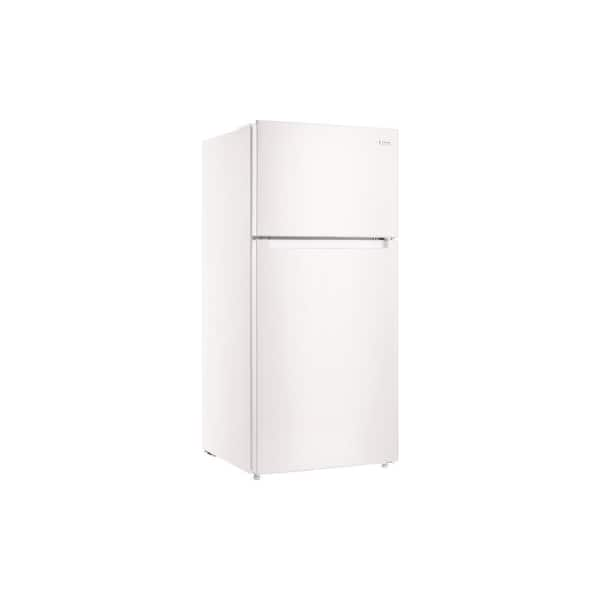
Credit: www.homedepot.com
Frequently Asked Questions
How Much Does It Cost To Rent A Refrigerator?
Renting a refrigerator typically costs between $20 to $50 per month. Prices vary based on the refrigerator’s brand, size, and rental duration. Some companies offer discounts for long-term rentals. It’s important to compare different rental providers to find the best deal that suits your needs and budget.
Is It Cheaper To Rent Or Buy A Refrigerator?
Renting is cheaper short-term, but buying saves money long-term. If you need a refrigerator temporarily, renting is cost-effective. For long-term use, purchasing is better. Consider your needs and financial situation before deciding. Renting offers flexibility, while buying provides ownership and potential resale value.
What Factors Affect Refrigerator Rental Prices?
Several factors affect rental prices, including brand, size, and rental duration. Additional features like energy efficiency can also impact costs. Location and rental company policies influence prices too. Always compare options and read customer reviews to ensure you get the best value for your money.
Are There Any Hidden Fees In Refrigerator Rentals?
Some companies may charge delivery, setup, or maintenance fees. It’s crucial to read the rental agreement carefully. Ask the provider about any additional charges upfront to avoid surprises. Knowing all potential costs helps you budget effectively and ensures a smooth rental experience.
Conclusion
Renting a refrigerator can fit many budgets and needs. Prices vary by size, brand, and rental duration. Choose a model that matches your space and use. Compare offers from different rental companies to get a fair price. Keep in mind any extra fees for delivery or service.
Renting can be a smart choice for temporary or short-term needs. Think about how long you will use it before deciding. This way, you save money and avoid buying a fridge you don’t need.