Have you ever wondered if a vacuum delivery during childbirth could harm your baby’s brain? It’s a question that worries many parents-to-be, especially when the health of your little one is on the line.
Understanding the risks and realities can help you feel more confident and prepared. You’ll discover what vacuum delivery really means, how it might affect your baby, and what experts say about the chances of brain damage. Keep reading—this information could make all the difference for your peace of mind and your baby’s safety.

Credit: www.under30ceo.com
Vacuum Delivery Basics
Vacuum delivery is a tool used during childbirth. It helps guide the baby out of the birth canal. This method supports the mother and can make delivery faster. Understanding vacuum delivery basics helps reduce worries and answer common questions.
What Is Vacuum Extraction
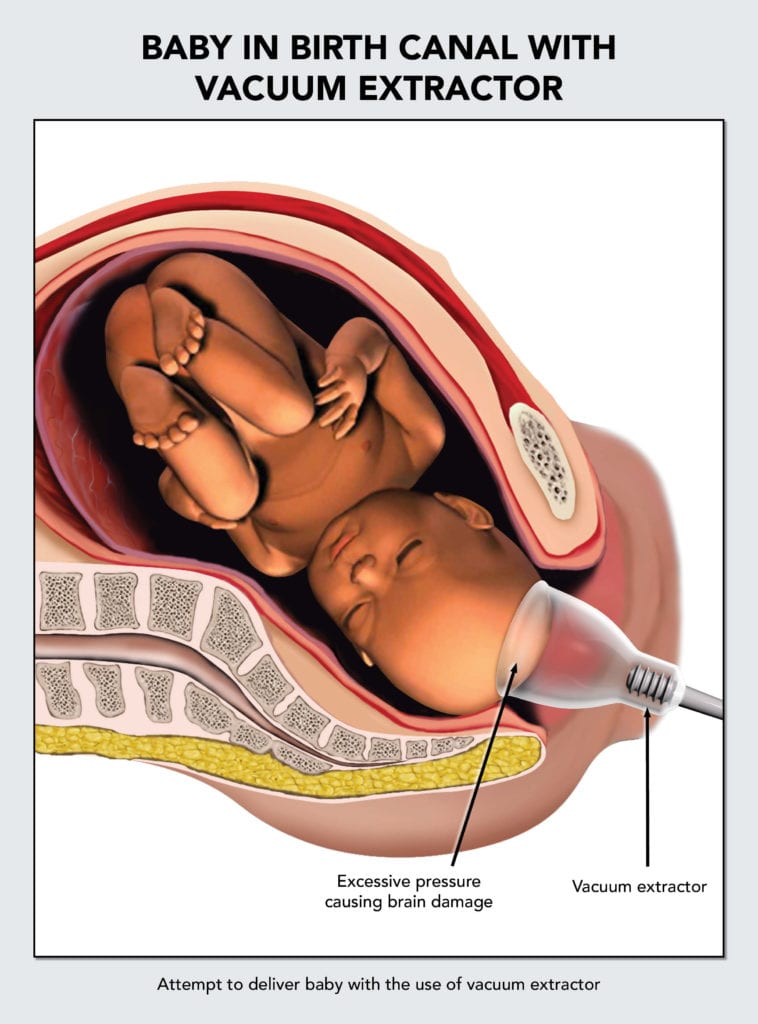
Vacuum extraction is a medical procedure. It uses a soft cup attached to a vacuum device. The cup sticks to the baby’s head. Gentle suction helps guide the baby out during contractions. This method assists when natural pushing is difficult or slow.
When Is It Used
Doctors use vacuum delivery in specific situations:
- Labor is taking too long.
- The baby shows signs of distress.
- The mother is too tired to push effectively.
- There is a need to avoid a cesarean section.
Vacuum extraction is a choice when it is safe for both mother and baby.
Procedure Steps
The process starts after the cervix is fully open. The doctor places the vacuum cup on the baby’s head carefully. Suction is then applied to hold the cup firmly. The mother pushes during contractions while the doctor gently pulls. The baby is guided out slowly and carefully. After delivery, the cup is removed, and the baby is checked immediately.

Credit: www.bila.ca
Potential Risks For Newborns
Vacuum delivery is often seen as a helpful tool during childbirth, but it carries potential risks for newborns. Understanding these risks is crucial for parents and caregivers. Knowing what to watch for can make a significant difference in early intervention and care.
Common Injuries Linked To Vacuum Use
Vacuum-assisted delivery can cause injuries like scalp bruising, known as cephalohematoma, where blood pools under the scalp. Another common injury is a skull fracture, though this is rare. In some cases, more severe damage like bleeding inside the brain can occur.
Have you ever wondered why doctors sometimes hesitate before using a vacuum? The risks, while uncommon, can lead to serious complications for your baby.
Signs Of Brain Trauma
Brain trauma in newborns might not be obvious right away. Look for unusual sleepiness, poor feeding, or seizures. Bulging soft spots on the head or unusual irritability can also be signs.
If you notice any of these symptoms after a vacuum delivery, seek medical advice immediately. Early detection can improve outcomes dramatically.
Short-term Vs Long-term Effects
Short-term effects of vacuum delivery injuries might include swelling and bruising, which often heal with time. However, some babies face long-term challenges such as developmental delays or learning difficulties.
Not every baby will experience lasting problems, but it’s important to monitor your child’s growth and behavior closely. How closely are you watching your newborn’s milestones after delivery?
How Vacuum Delivery Might Affect The Brain
Vacuum delivery, also called vacuum-assisted birth, is often used to help during difficult labor. But you might wonder how this procedure could affect your baby’s brain. Understanding the possible effects is key to making informed decisions about delivery methods.
Mechanisms Of Brain Injury
Vacuum delivery involves applying suction to the baby’s head to guide it through the birth canal. This suction creates pressure on the scalp and skull, which can sometimes cause swelling or bruising.
In rare cases, this pressure might lead to bleeding inside the skull or affect brain tissue. Such injuries can happen if the vacuum is used too forcefully or for too long.
Have you ever thought about how delicate a newborn’s brain really is? Even small amounts of pressure might cause changes that need medical attention.
Pressure And Impact Concerns
The main concern with vacuum delivery is the direct pressure and pulling force exerted on the baby’s head. This force can sometimes result in complications such as:
- Scalp lacerations or bruises
- Cephalohematoma – bleeding between the skull and scalp
- Intracranial hemorrhage – bleeding inside the brain
Each of these has different levels of risk for brain damage. It’s important to recognize that skilled use of vacuum devices minimizes these risks, but they cannot be eliminated entirely.
Case Studies And Reports
Medical reports have documented cases where vacuum delivery was linked to brain injuries. One such report described a baby developing a subdural hematoma after a difficult vacuum-assisted birth.
However, these cases are uncommon compared to the total number of vacuum deliveries performed safely. Data often shows that complications arise when the vacuum is improperly used or when the baby’s position increases risk.
Would you consider asking your healthcare provider about their experience with vacuum deliveries? Knowing their approach can help you feel more confident about the safety of your baby’s birth.

Credit: www.childbirthinjuries.com
Comparing Vacuum Delivery To Other Methods
Choosing the right delivery method impacts both mother and baby. Comparing vacuum delivery to other options helps understand safety and risks. Each method has unique features and potential complications. This comparison highlights key differences and risk profiles.
Vacuum Vs Forceps
Both vacuum and forceps assist in difficult deliveries. Vacuum uses suction to help guide the baby out. Forceps are metal instruments that grip the baby’s head. Vacuum is less likely to cause facial injuries. Forceps can cause bruises or marks on the baby’s face. Vacuum delivery may be easier to perform in some cases. Forceps provide more control but require skill. Both methods carry risks of injury to mother or baby.
Vacuum Vs Cesarean Section
Vacuum delivery is a vaginal birth with assistance. Cesarean section (C-section) is surgery to deliver the baby. Vacuum avoids surgery and has shorter recovery for the mother. C-section may be safer if complications arise during labor. C-section carries risks like infection and longer hospital stay. Vacuum delivery risks include scalp injuries or bleeding in the baby. C-section risks include breathing problems for the newborn.
Risk Profiles Of Each Method
- Vacuum Delivery:Risks include scalp bruising, bleeding inside the skull, and rare brain injury.
- Forceps Delivery:Risks include facial injuries, skull fractures, and nerve damage.
- Cesarean Section:Risks include infection, bleeding, and longer healing time for mother.
Doctors choose methods based on baby’s health, mother’s condition, and labor progress. Each has benefits and risks to consider for safe delivery.
Preventing Brain Injury During Vacuum Delivery
Vacuum delivery can be a helpful tool during childbirth but carries risks. Preventing brain injury during vacuum delivery requires careful attention and proper technique. Safe practices reduce the chance of harm to the baby’s brain. Understanding when and how to use the vacuum is key to protecting newborns.
Best Practices For Safe Use
- Apply the vacuum cup gently and correctly on the baby’s head.
- Use the lowest effective suction pressure to avoid injury.
- Limit the number of pulls to reduce stress on the baby’s skull.
- Monitor the baby’s position and progress continuously during delivery.
- Stop the procedure immediately if the baby shows signs of distress.
Role Of Skilled Practitioners
Experienced doctors or midwives perform vacuum deliveries more safely. They understand the right techniques and can judge when to stop. Skilled practitioners know how to handle complications quickly. Their expertise lowers the chances of brain injury. Proper training is essential for anyone using vacuum devices during birth.
When To Avoid Vacuum Extraction
- When the baby is in an unusual position or presentation.
- If the baby’s head is too large for the birth canal.
- When there are signs of fetal distress before applying the vacuum.
- If the mother has certain health conditions or infections.
- When labor has not progressed enough to safely use vacuum tools.
Parental Guidance And Support
Parental guidance and support play a vital role when dealing with concerns about vacuum delivery and its potential impact on brain health. Your involvement can make a real difference in early detection and ongoing care. Understanding what to watch for and how to act empowers you to protect your child’s well-being.
Recognizing Symptoms Early
Noticing changes in your baby’s behavior or physical abilities early is crucial. Symptoms like unusual fussiness, difficulty feeding, or delayed milestones might signal underlying issues. Trust your instincts—if something feels off, it probably is.
Pay close attention to:
- Weak muscle tone or stiffness
- Excessive sleepiness or irritability
- Unexplained seizures or jerky movements
Spotting these signs early can lead to faster diagnosis and better outcomes.
Seeking Medical Help
If you observe any concerning symptoms, don’t hesitate to consult your pediatrician. Early medical intervention can prevent further complications. You might need referrals to specialists like neurologists or developmental therapists who understand brain injuries linked to vacuum delivery.
Be prepared to share detailed observations with healthcare providers, including:
- When symptoms started
- How often they occur
- Any changes in feeding or sleeping patterns
Clear communication is your best tool in guiding your child’s care.
Long-term Care Options
Brain injuries from delivery can require ongoing support. Rehabilitation services, physical therapy, and educational programs can help your child reach their full potential. Consider joining support groups where you can exchange experiences and advice with other parents.
Think about:
- Regular developmental assessments
- Therapies tailored to your child’s needs
- Emotional support for the entire family
How prepared do you feel to navigate these options? Taking proactive steps now can shape a brighter future for your child.
Frequently Asked Questions
What Is Vacuum Delivery In Childbirth?
Vacuum delivery, also known as vacuum-assisted delivery, uses a vacuum device to aid childbirth. This device gently attaches to the baby’s head, helping guide them through the birth canal. It is usually considered when labor is prolonged or if the baby shows signs of distress.
Can Vacuum Delivery Harm A Baby’s Brain?
Vacuum delivery is generally safe, but carries some risks. Potential brain-related risks include mild scalp injuries or, in rare cases, more serious issues like intracranial hemorrhage. However, the risk of permanent brain damage is low. Doctors carefully evaluate each situation to minimize potential risks.
How Common Are Vacuum-assisted Deliveries?
Vacuum-assisted deliveries are relatively common, accounting for about 3-5% of vaginal births. They are used when labor needs assistance, often due to prolonged labor or fetal distress. Healthcare providers evaluate the situation carefully to ensure the safety of both mother and baby.
What Are The Alternatives To Vacuum Delivery?
Alternatives to vacuum delivery include forceps delivery or a cesarean section (C-section). Each method has its own risks and benefits. The choice depends on the specific circumstances of the labor and the health of the mother and baby. Healthcare providers will recommend the safest option.
Conclusion
Vacuum delivery can carry some risks, including brain injury. Doctors use this method only when necessary. They work carefully to keep the baby safe. Most babies born with vacuum help are healthy. Parents should talk with their doctor about concerns.
Knowing the facts helps families feel more prepared. Every birth is different, and safety comes first. Trust your healthcare team to make the best choice. Staying informed leads to better decisions for your baby.