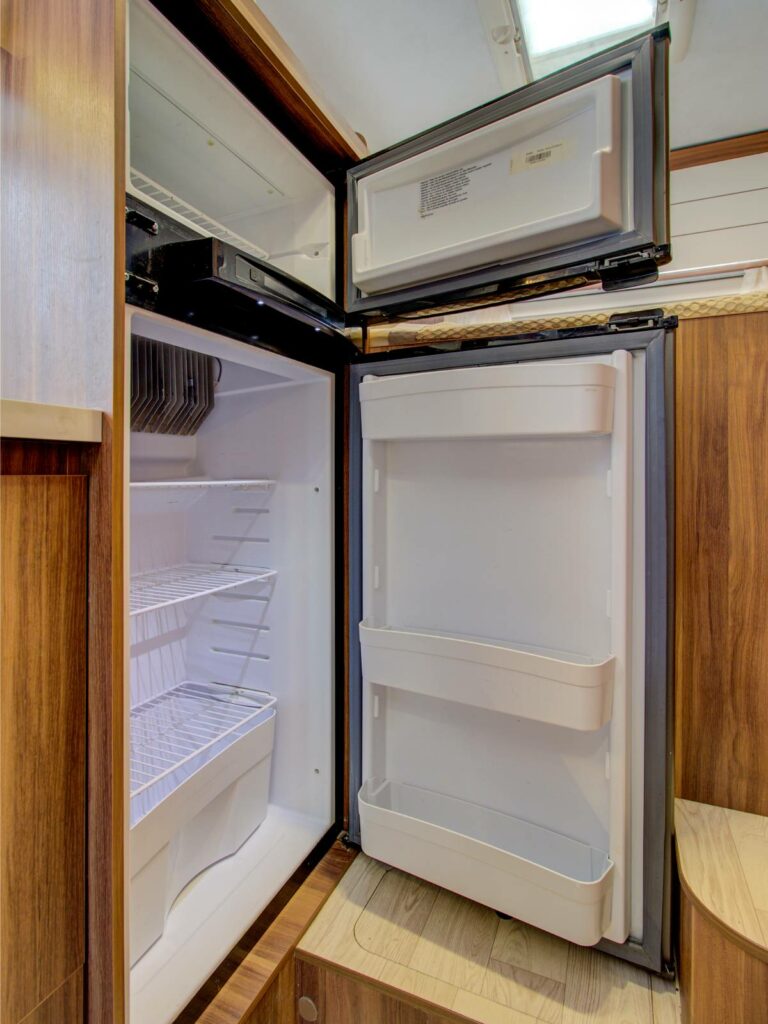
Have you ever wondered how your camper refrigerator keeps your food fresh while you’re on the road? Understanding how it works can make your camping trips much smoother and stress-free.
Whether you’re a seasoned camper or just starting out, knowing the basics of your fridge’s operation helps you use it more efficiently and avoid common problems. You’ll discover exactly how your camper refrigerator functions, so you can keep your snacks cool and enjoy every adventure without worrying about spoiled food.
Keep reading to unlock the secrets behind this essential camping companion.
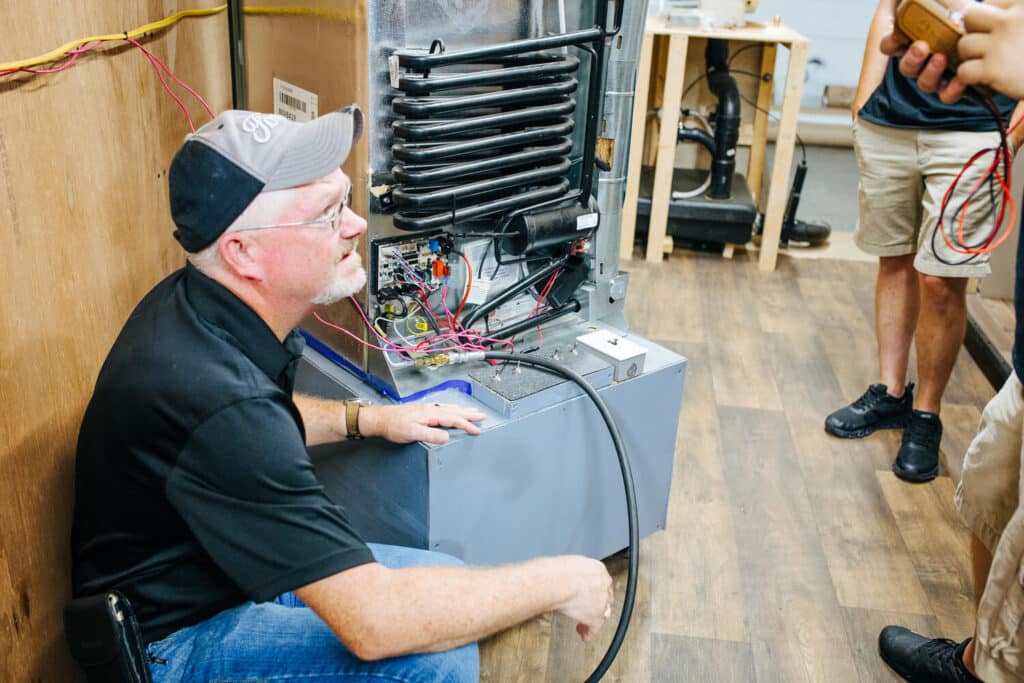
Credit: blog.campingworld.com
Types Of Camper Refrigerators
Camper refrigerators come in different types. Each type works differently to keep your food fresh on the road. Understanding these types helps you choose the right fridge for your camper. The main types include compressor, absorption, and thermoelectric refrigerators.
Compressor Refrigerators
Compressor refrigerators work like home fridges. They use a motor to compress a gas. This gas cools down inside the fridge compartment. These fridges are very efficient and cool quickly. They use less power compared to other types. Compressor fridges work well in hot weather and at high altitudes. They are noisy but reliable for long trips.
Absorption Refrigerators
Absorption refrigerators use heat to cool. They have no moving parts, so they are quiet. These fridges can run on gas, electricity, or propane. They are common in RVs because they can use different power sources. Absorption fridges cool slower than compressor types. They work best in steady, level positions. They may struggle in very hot weather or steep hills.
Thermoelectric Refrigerators
Thermoelectric refrigerators use electricity to create a temperature difference. They have no compressor or gas. These fridges are small and light. They are best for short trips or small cooling needs. Thermoelectric fridges are quiet but less powerful. They work well in mild climates but not in very hot places. They need good ventilation to work properly.
Key Components
Understanding the key components of a camper refrigerator helps grasp how it keeps food fresh on the road. Each part plays a vital role in the cooling process and overall function. These components work together to maintain the right temperature inside the fridge.
Cooling Mechanism
The cooling mechanism is the heart of the camper refrigerator. Most use either absorption or compressor technology. Absorption fridges use heat to create a cooling effect. Compressor fridges work like home refrigerators, using a motor and refrigerant. Both types remove heat from inside the fridge, keeping it cool.
Power Sources
Power sources provide the energy needed to run the fridge. Common options include 12V battery power from the camper, 110V or 220V AC power from shore power, and propane gas for absorption models. Some fridges can switch between power sources automatically. Reliable power ensures the fridge stays cold during travel or camping.
Thermostat And Controls
The thermostat controls the fridge temperature. It senses the inside temperature and adjusts cooling accordingly. Controls let users set the desired temperature. Some models have digital displays for easy monitoring. Simple controls make it easy to keep food fresh and avoid freezing or spoilage.
How Cooling Happens
Understanding how cooling happens inside a camper refrigerator can change the way you choose and use one on your trips. Each type of fridge uses a unique method to pull heat away and keep your food fresh. Knowing these methods helps you decide which fridge suits your travel style and energy availability best.
Compression Cycle In Compressor Models
Compressor fridges work much like the refrigerator in your home. A compressor squeezes a refrigerant gas, raising its pressure and temperature. This hot gas then moves through coils, releasing heat outside the fridge, and cools down to a liquid.
As the liquid refrigerant enters the evaporator inside the fridge, it expands and evaporates, absorbing heat from the interior. This process lowers the temperature inside the fridge compartment, keeping your food cold. If you’ve ever camped in a hot climate, you know how reliable compressor models are at maintaining steady cooling.
Heat Exchange In Absorption Units
Absorption fridges use a completely different process without moving parts like compressors. They rely on heat to drive a cycle involving ammonia, hydrogen gas, and water. Heat causes the ammonia to evaporate and separate, which pulls heat from inside the fridge.
This method allows absorption fridges to run on various heat sources like gas, making them popular for campers without reliable electricity. However, they can struggle to cool efficiently in very hot weather or when tilted on uneven surfaces—something to consider for your next adventure.
Peltier Effect In Thermoelectric Fridges
Thermoelectric fridges use the Peltier effect, where electricity creates a temperature difference across two different materials. One side absorbs heat (cooling your food), while the other side releases heat outside. This method has no moving parts, making it lightweight and quiet.
These fridges are often smaller and less powerful but work well in mild climates or when you only need to keep drinks cool. Have you noticed how quiet some portable fridges are? That’s the Peltier effect at work, offering convenience but with limited cooling power compared to compressors or absorption units.
Power Options And Efficiency
Choosing the right power source for a camper refrigerator affects its performance and energy use. Different power options offer varied levels of convenience and efficiency. Understanding these helps keep your food fresh while saving energy. Here are common power choices and tips for efficient use.
Battery And Solar Power
Many camper refrigerators run on 12-volt batteries. These batteries can be recharged by your vehicle or solar panels. Solar power is a clean, renewable energy source. It allows you to stay off-grid longer without draining your battery.
Solar panels need sunlight to generate power. Battery capacity limits how long the fridge runs without recharging. Efficient refrigerators use less power, extending battery life. Combining solar and battery power offers reliable cooling during travel.
Gas And Propane Usage
Gas and propane are common fuels for camper refrigerators. These fridges use absorption cooling technology, which works without electricity. Propane is popular for its availability and efficiency.
Using gas or propane is quiet and effective in remote areas. However, proper ventilation is essential to prevent gas buildup. It is also important to check for leaks regularly to ensure safety.
Energy Consumption Tips
- Keep the fridge door closed to maintain cold air.
- Set the temperature to a moderate level, not too cold.
- Place the fridge away from direct sunlight and heat sources.
- Fill the fridge with items; it stays colder longer when full.
- Use energy-efficient models designed for camping.
- Turn off the fridge when not needed for long periods.
Installation And Placement
Installing and placing your camper refrigerator correctly can make a big difference in how well it works and how long it lasts. You want to make sure it’s not just fit in the space but also set up for easy access and efficient cooling. Let’s look at what you need to consider to get the best setup.
Ventilation Needs
Your camper refrigerator needs proper airflow to work efficiently. Without enough ventilation, the fridge can overheat and struggle to keep your food cold. Always leave some space around the back and sides to allow heat to escape.
Think about placing the fridge near vents or windows if possible. This helps hot air flow out and fresh air flow in. Have you noticed your fridge working harder in a cramped spot? That’s a sign it’s not getting enough ventilation.
Securing The Fridge
Movement is a given when you’re on the road, so securing your fridge is essential. A loose fridge can not only get damaged but also cause safety hazards. Use straps, brackets, or built-in mounting points to keep it firmly in place.
Check the manufacturer’s instructions for recommended securing methods. It’s worth spending a little time on this to avoid repairs later. How often have you had items shift during travel? Imagine that happening to your fridge!
Space Optimization
Space inside a camper is limited, so use it wisely when placing your fridge. Position it where it’s easy to open without blocking walkways or other essential gear. Think about your daily routine—grab snacks or drinks quickly without hassle.
- Use vertical space by choosing a tall, narrow fridge if floor space is tight.
- Keep it close to your cooking area for convenience.
- Consider a fridge with a reversible door to fit your layout better.
Have you arranged your camper gear to save steps and time? Applying the same thinking to your fridge placement can improve your whole camping experience.

Credit: www.amazon.ca
Maintenance And Troubleshooting
Keeping your camper refrigerator in good shape is key to enjoying fresh food and drinks on the road. Regular maintenance and knowing how to troubleshoot common problems can save you time and money. Let’s look at practical ways to keep your fridge running smoothly and when it’s time to get professional help.
Cleaning Tips
Clean your camper refrigerator inside and out at least once a month. Use a mild soap solution and a soft cloth to wipe down shelves, walls, and door seals. Avoid harsh chemicals that might damage surfaces or leave harmful residues.
Don’t forget to clear dust and debris from the cooling vents and coils. Dust buildup can block airflow and reduce efficiency. A small brush or vacuum cleaner works well for this job.
Have you ever noticed a strange smell inside your fridge? Wiping it with a mixture of baking soda and water can neutralize odors effectively. Also, remove expired or spoiled food promptly to keep the fridge fresh.
Common Issues
One frequent problem is the fridge not cooling properly. This could be caused by a dirty condenser coil, a blocked vent, or incorrect temperature settings. Double-check these areas first before assuming a bigger issue.
Another issue is the fridge running constantly or making unusual noises. This might mean the compressor is overworking due to poor ventilation or a faulty thermostat. Listen closely to any changes in sound, as they often hint at mechanical problems.
Have you ever found water pooling inside? That usually points to a blocked or frozen drain tube. Clearing the blockage can prevent leaks and maintain proper humidity levels.
When To Call A Technician
If your fridge won’t start at all, it could be an electrical problem beyond simple fixes. Also, persistent cooling failures after cleaning and adjusting settings often require professional diagnosis.
Strange smells that don’t go away or loud, unusual noises might indicate internal damage or worn-out parts. In these cases, trying to fix it yourself could cause more harm.
Think about the last time you had to replace a part or fix an electrical issue. Did you have the right tools and knowledge? If not, calling a technician can save you frustration and protect your investment.
Choosing The Right Fridge
Choosing the right camper refrigerator is more than just picking the biggest or the cheapest model. It means finding one that fits your travel style, power setup, and storage needs perfectly. Getting this right can make your trips smoother and your food fresher.
Size And Capacity
Think about how much food and drinks you usually carry. If you’re traveling solo or as a couple, a smaller fridge might do. But if you often camp with family or friends, a larger capacity will save you frequent trips to restock.
Also, consider the space inside your camper. Measure carefully before buying to avoid surprises. A fridge that’s too big can take up valuable room you need for other gear.
Power Availability
Your fridge choice depends heavily on the power sources available during your trips. Do you have access to electricity hookups, or will you rely on your vehicle’s battery or solar panels?
Some fridges run on 12V DC, others on propane, and some use both. Matching the fridge’s power options with what you have ensures uninterrupted cooling wherever you go.
Budget Considerations
Set a realistic budget before shopping. High-end models offer advanced features like energy efficiency and quiet operation but come at a premium. Basic models might lack extras but still keep your food cold effectively.
Think about long-term savings too. A slightly more expensive fridge that uses less power can save money on batteries or fuel over time. What balance between upfront cost and ongoing expense works best for you?

Credit: www.youtube.com
Frequently Asked Questions
How Does A Camper Refrigerator Function?
A camper refrigerator uses absorption or compressor technology. Absorption models rely on propane, electricity, or a combination. Compressor models use electricity. Heat source or compressor circulates coolant. This creates a cooling effect inside the fridge. It’s efficient for camping trips without reliable power sources.
What Power Sources Do Camper Refrigerators Use?
Camper refrigerators typically use propane, electricity, or both. Absorption models often run on propane and electricity. Compressor models primarily use electricity. Dual-power options provide flexibility for off-grid camping. This ensures your food stays cold, even in remote locations.
Why Choose A Compressor Camper Refrigerator?
Compressor refrigerators are efficient and reliable. They run on electricity, offering consistent cooling. They perform well in high temperatures. Unlike absorption models, they don’t need leveling. This makes them ideal for campers on the move. They also cool faster than absorption refrigerators.
Are Camper Refrigerators Energy Efficient?
Camper refrigerators are designed for energy efficiency. Absorption models use minimal propane and electricity. Compressor models consume less power than traditional fridges. They are perfect for off-grid adventures. Energy efficiency helps extend battery life and propane usage. This ensures food safety during long trips.
Conclusion
Camper refrigerators keep your food fresh on the road. They use electricity or gas to cool the inside. Some models run quietly, while others need ventilation. Knowing how they work helps you choose the right one. They save space and power for your trip.
Proper use keeps them running longer and better. Now, you can enjoy fresh meals wherever you travel. Simple, reliable, and handy for every camper.