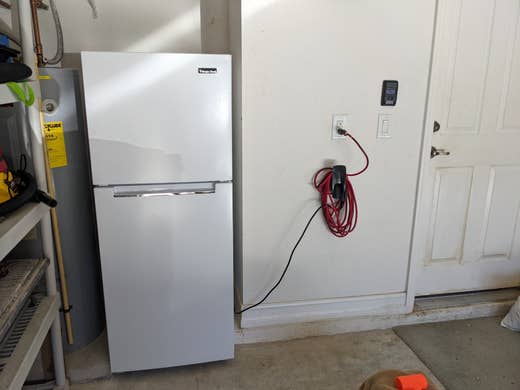
Are you wondering if your refrigerator needs a special outlet to work safely and efficiently? You might think any plug will do, but the truth could surprise you.
Using the wrong outlet can lead to power issues, damage to your appliance, or even safety risks in your home. You’ll discover what kind of outlet your refrigerator really needs, why it matters, and how to make sure your kitchen setup is just right.
Keep reading to protect your fridge and your peace of mind.

Credit: joca-cable.com
Power Needs For Refrigerators
Refrigerators have specific power needs that ensure they run efficiently. Understanding these needs helps in choosing the right electrical setup. Proper power supply prevents damage and keeps the appliance working smoothly.
Typical Voltage And Amperage
Most home refrigerators run on 120 volts. This matches the standard electrical outlets found in kitchens. The amperage usually ranges from 3 to 6 amps. Larger models may draw more power but rarely exceed 10 amps.
The compressor, which cools the fridge, uses the most electricity. It requires a steady current to start and keep running. This is why refrigerators need a reliable power source with stable voltage.
Why Standard Outlets Often Suffice
Standard outlets are designed to handle common household appliances. Since refrigerators use typical voltage and amperage, these outlets usually meet their power needs. There is no need for a special or dedicated outlet in most cases.
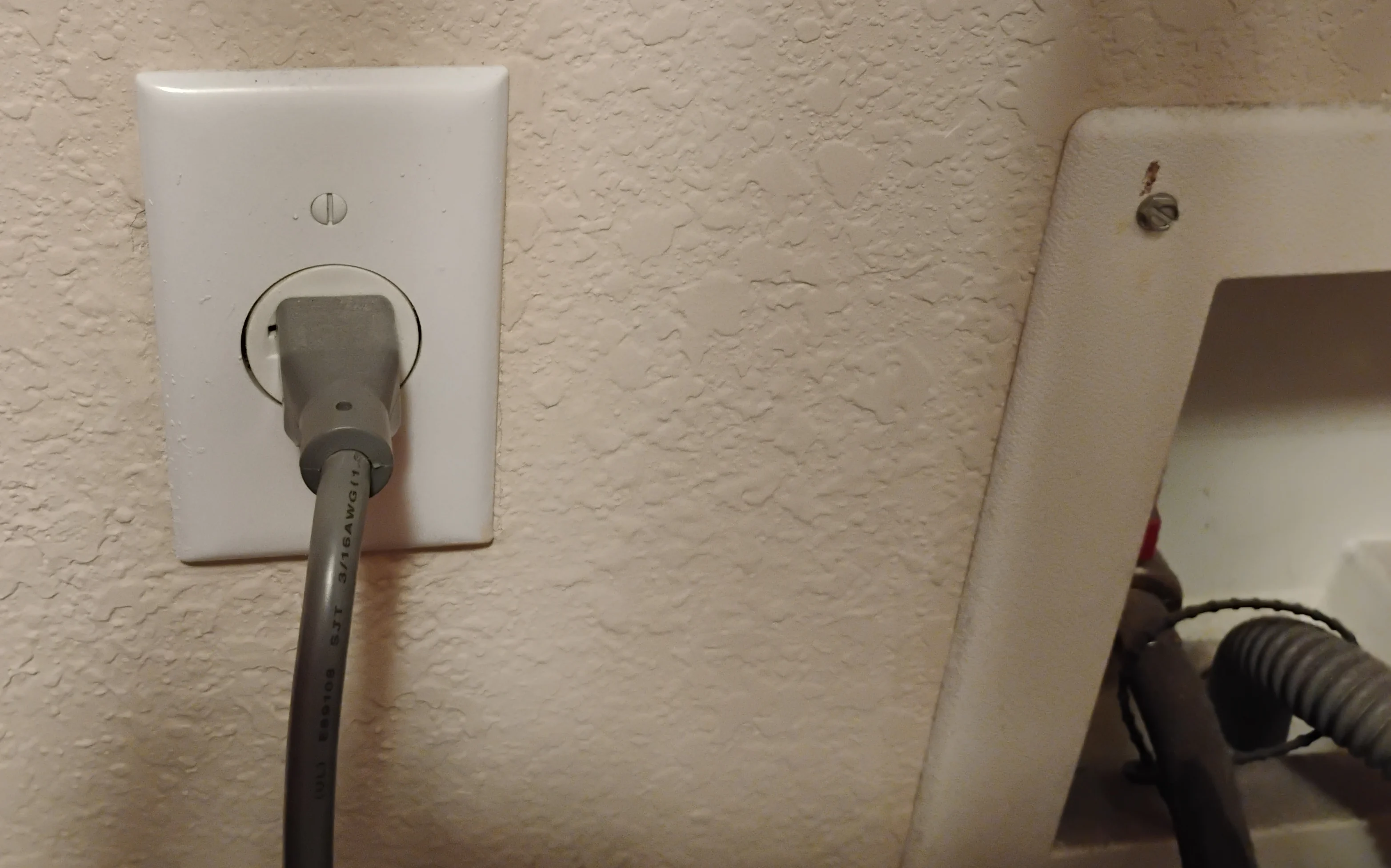
Outlets rated for 15 or 20 amps work well for refrigerators. They provide enough current without risk of overload. Using a grounded outlet also adds safety by preventing electrical shocks.
However, older homes might have outdated wiring. In such cases, checking the outlet condition is wise. Ensuring the outlet and circuit can support the refrigerator prevents electrical issues.
Credit: www.searshomeservices.com
When Special Outlets Are Necessary
Special outlets become necessary for refrigerators in certain situations. Standard outlets usually handle most home refrigerators well. Some refrigerators need more power or specific wiring for safety and efficiency. Knowing when to use these special outlets can prevent electrical problems and keep the fridge running smoothly.
High-powered Commercial Refrigerators
Commercial refrigerators often require more electricity than home models. These units run continuously and have larger compressors. They need special outlets that provide higher voltage and current. These outlets prevent overloads and reduce the risk of electrical fires. Using a regular home outlet for a commercial fridge can cause frequent tripping of circuit breakers. Special outlets ensure the fridge operates safely and without interruption.
Older Homes And Electrical Limitations
Older homes may have outdated electrical systems. The wiring and outlets might not support modern refrigerator power needs. Many older outlets provide only 15 amps, which might be too low for some refrigerators. Special outlets with higher amperage and grounded wiring may be necessary. Upgrading outlets in older homes helps protect the appliance and prevents electrical hazards. An electrician can assess the home’s wiring and recommend the right outlet type.
Types Of Outlets For Refrigerators
Choosing the right outlet for your refrigerator isn’t just about plugging it in. Different refrigerators need different types of electrical connections to run efficiently and safely. Understanding these outlet types helps you avoid electrical issues and keeps your appliance running smoothly.
Standard 120-volt Outlets
Most home refrigerators use a standard 120-volt outlet. These outlets are the same ones you use for everyday appliances like toasters and lamps. They provide enough power for typical refrigerators without any special wiring.
However, not all 120-volt outlets are created equal. If you notice your fridge frequently trips the circuit breaker, it might be sharing the outlet with other high-power devices. You want your fridge on a reliable outlet to avoid food spoilage.
Dedicated Circuits Explained
A dedicated circuit means the outlet is connected directly to the breaker box without sharing power with other devices. This setup ensures your refrigerator gets consistent power without interruptions.
Think about your fridge like a car: it needs a clear, smooth road to perform well. Shared circuits can cause voltage drops, leading to compressor strain or even failure. Many electricians recommend a dedicated circuit to keep your fridge safe and efficient.
240-volt Outlets For Large Units
Some large or commercial refrigerators require 240-volt outlets. These outlets provide double the voltage of standard outlets, which is necessary for heavy-duty cooling systems.
If you have a large freezer or an industrial fridge, check the manufacturer’s specifications carefully. Installing a 240-volt outlet usually needs professional help and special wiring, so don’t try it yourself. Have you checked if your fridge needs this powerful outlet?
Safety Considerations
Safety is a key factor when using refrigerators. These appliances run all day and need steady power. Poor electrical setup can cause fires or damage. Following safety steps protects your home and appliance. It also helps the refrigerator work well for many years.
Avoiding Overloaded Circuits
Refrigerators need their own circuit to avoid overload. Sharing outlets with many devices can cause power trips. Overloaded circuits may lead to sparks and fires. Use a dedicated outlet for your fridge to keep power stable. This reduces the risk of damage and safety hazards.
Proper Grounding And Wiring
Grounding protects you from electric shocks. The outlet for the refrigerator must have proper grounding. Incorrect wiring can cause shorts or shocks. Make sure a licensed electrician checks the wiring before use. Proper wiring ensures safe and reliable operation of your fridge.
Surge Protection Benefits
Power surges can harm your refrigerator’s motor and electronics. Surge protectors help absorb sudden power spikes. They extend the life of your fridge by preventing damage. Plugging your refrigerator into a surge protector is a smart safety step. It guards against costly repairs and keeps your food safe.
Installation Tips
Proper installation of refrigerator outlets is crucial for safety and performance. Following key installation tips helps avoid electrical issues and ensures the appliance runs smoothly. Careful planning and professional help make a big difference in the outcome.
Choosing The Right Outlet Location
Select an outlet close to the refrigerator’s intended spot. Avoid locations behind large appliances or inside cabinets. The outlet should be easily accessible for maintenance and unplugging.
Place the outlet about 6 inches above the floor. This height prevents water damage in case of spills. Keep the outlet away from heat sources like ovens or dishwashers.
Hiring A Licensed Electrician
A licensed electrician ensures safe and correct installation. They understand local electrical codes and proper wiring techniques. Professionals reduce the risk of electrical fires and shocks.
Electricians can recommend the right circuit breaker size. They verify the outlet can handle the refrigerator’s power needs. Their work often includes testing the outlet’s safety after installation.
Code Compliance Basics
All electrical work must follow local building codes. Codes specify outlet type, placement, and circuit requirements. Compliance helps prevent hazards and legal issues.
Refrigerators usually need a dedicated 15 or 20-amp circuit. Outlets must be grounded and use three-prong plugs. Ground-fault circuit interrupter (GFCI) outlets are required only in specific areas like garages.

Credit: www.esfi.org
Energy Efficiency And Outlet Choice
Choosing the right electrical outlet affects a refrigerator’s energy use. Proper outlet choice helps maintain steady power flow. This keeps the appliance running efficiently and reduces electricity waste.
Energy efficiency depends not only on the fridge but also on the electrical setup. A well-designed outlet and circuit prevent power fluctuations. These fluctuations can cause the fridge to work harder, using more energy.
Impact Of Electrical Setup On Energy Use
The type of outlet impacts energy consumption. Standard outlets work for most refrigerators but check the power rating first.
- Dedicated circuits avoid overload and protect the fridge.
- Proper grounding prevents electrical surges.
- Loose connections can cause energy loss and damage.
Good electrical setup ensures consistent voltage. This keeps the compressor running smoothly. A stable power supply reduces wear and tear, saving energy and repair costs.
Smart Outlets And Monitoring
Smart outlets offer control over power usage. They can track how much energy the fridge consumes.
- Remote control lets you turn the fridge off during low use.
- Energy monitoring helps spot unusual power spikes.
- Scheduling features optimize running times to save energy.
Using smart technology supports better energy management. It helps you spot problems early and cut down on electricity bills.
Frequently Asked Questions
Do Refrigerators Need A Dedicated Outlet?
Yes, refrigerators typically require a dedicated outlet. This ensures they receive the necessary power without overloading circuits. A dedicated outlet minimizes the risk of tripping breakers and enhances appliance efficiency. It’s recommended to use a grounded 3-prong outlet for safety and optimal performance.
Can A Fridge Run On A Regular Outlet?
While a fridge can run on a regular outlet, it’s not ideal. Regular outlets may share circuits with other devices, risking overloads. For best performance and safety, use a dedicated, grounded outlet. This prevents potential electrical issues and ensures your refrigerator operates efficiently without interruptions.
Is A Gfci Outlet Needed For A Refrigerator?
A GFCI outlet isn’t typically required for refrigerators. However, some local codes may demand it for safety. GFCI outlets are designed to prevent electrical shock in wet areas. If your refrigerator is near water sources, consult a professional to ensure compliance with local regulations.
What Type Of Outlet Is Best For Fridges?
A grounded 3-prong outlet is best for refrigerators. It provides the necessary power and safety for optimal performance. Ensure the outlet is dedicated to the fridge, minimizing the risk of circuit overloads. This setup ensures efficient operation and reduces the likelihood of electrical issues.
Conclusion
Refrigerators usually need standard outlets but with proper voltage. Using the right outlet helps the fridge work safely and well. Avoid sharing the outlet with many devices to prevent overload. Grounded outlets reduce the risk of shocks or damage. Always check your refrigerator’s manual for specific electrical needs.
Choosing the correct outlet keeps your appliance running smoothly. This small step saves you from future repairs and costs. Simple precautions make a big difference in appliance life.