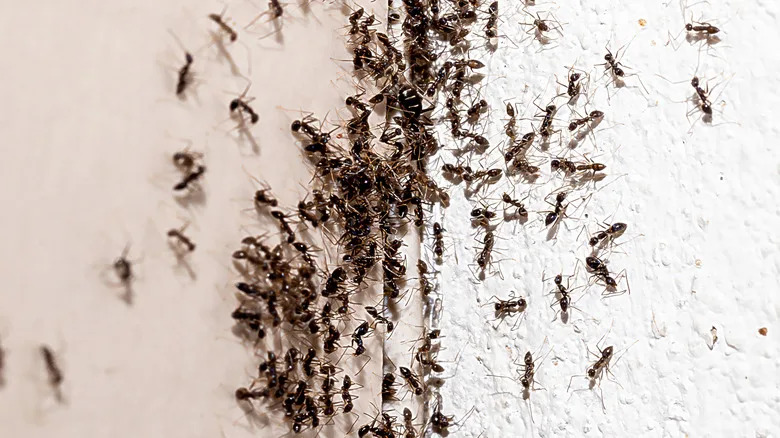
Are ants invading your home, and you’re wondering if vacuuming them is the best way to get rid of them? You might think that sucking them up with a vacuum cleaner is a quick and easy fix.
But does vacuuming ants actually kill them, or does it just move the problem around? If you want to know the truth and find out how to deal with ants effectively, keep reading. This article will clear up the mystery and help you take control of your ant problem for good.
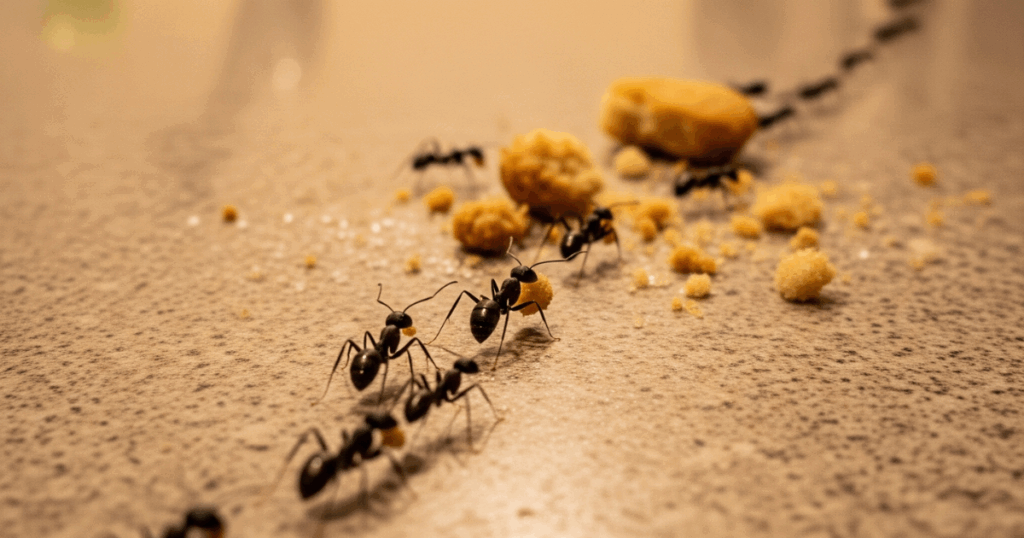
Credit: antipest.in
Effectiveness Of Vacuuming Ants
Vacuuming ants is a common way to remove them from your home. It offers a quick solution to visible ants on floors and walls. But how effective is this method in actually killing the ants? Understanding the impact and survival chances of ants after vacuuming helps set proper expectations. This section explores what happens to ants during and after vacuuming.
Immediate Impact On Ants
The vacuum pulls ants into the machine with strong suction. This sudden force can injure or stun many ants instantly. Some ants may get crushed by the vacuum’s moving parts. Others may simply be trapped inside the vacuum bag or container.
Not all ants die right away. Some remain alive but immobilized. The vacuum effectively removes ants from visible areas fast. It stops them from continuing their search for food or nesting spots.
Survival Rate After Vacuuming
Many ants survive inside the vacuum for a time. They can cling to surfaces or hide in crevices. Survival depends on vacuum type and how long ants remain trapped. Ants in a sealed bag with no air have lower chances of survival.
Some ants may escape if the vacuum is emptied outdoors. Others can crawl out if the vacuum container is not sealed tightly. Vacuuming alone does not eliminate the entire colony or queen. It only removes some worker ants on the surface.

Credit: www.terro.com
Ant Behavior And Vacuuming
Understanding ant behavior helps explain why vacuuming them may not kill them all. Ants have unique ways to respond to threats. Their small size and quick movements make them hard to catch. Vacuuming can remove many ants but some might survive or escape.
How Ants React To Disturbance
Ants sense danger quickly through vibrations and smells. When disturbed, they often scatter fast in different directions. Some ants release alarm pheromones to warn the colony. This causes more ants to flee or become aggressive. Their quick response lowers the chance of being trapped.
Ants’ Ability To Escape
Ants are very agile and can slip through small cracks. Their bodies are flexible and flat, helping them hide easily. Inside a vacuum, not all ants may get sucked in. Some might cling to surfaces or avoid the airflow. Those that escape can regroup and continue their activity.
Vacuum Types And Their Impact
Understanding the type of vacuum you use can make a big difference in how effective it is at removing ants. Not all vacuums are designed the same way, and their ability to kill ants varies widely. Let’s look closely at how different vacuum types impact ant mortality and what that means for your pest control efforts.
Standard Vacuums Vs. Specialized Devices
Standard household vacuums are great for quick cleanups but might not be the best at killing ants. Most of these vacuums simply suck up ants and deposit them into a bag or canister, where many survive and escape later.
Specialized pest control devices, on the other hand, often come with features like sealed containers and stronger suction designed specifically to trap and kill insects. Some even include UV lights or insecticide components to increase kill rates.
Have you noticed ants reappearing after vacuuming with your regular cleaner? That’s a sign your vacuum isn’t doing enough beyond removal. Choosing the right device can turn vacuuming into a more effective pest control method.
Vacuum Power And Ant Mortality
The strength of your vacuum’s suction plays a critical role in killing ants. Stronger suction can cause more physical damage to ants, increasing the chances they won’t survive the vacuuming process.
However, power isn’t everything. Even a strong vacuum without a sealed bag or container might allow ants to crawl back out. You want a vacuum that combines power with secure containment.
Think about your current vacuum’s power—does it feel strong enough to pull ants off surfaces and trap them securely? If not, you might be missing a key factor in effective ant control.
Alternatives To Vacuuming Ants
Vacuuming ants might seem like a quick fix, but it often only removes a few workers without addressing the entire colony. If you want to truly manage an ant problem, consider alternatives that target the root cause rather than just the symptoms. Here are practical options that can help you control ants effectively without relying on a vacuum.
Natural Ant Control Methods
Natural methods offer safe and eco-friendly ways to keep ants at bay. You can sprinkle cinnamon, coffee grounds, or chili powder near entry points—ants dislike these strong smells and tend to avoid them.
Another effective approach is using vinegar or lemon juice. Spray these around windows, doorways, and kitchen counters to disrupt ant trails and make your home less inviting.
Have you ever tried placing a small dish of borax mixed with sugar near ant activity? It acts as bait, attracting ants that then carry the poison back to their nest, gradually reducing the colony.
Chemical Solutions And Their Risks
Chemical ant sprays and baits can deliver fast results but come with health risks, especially if you have pets or children. Always read labels carefully and use chemicals sparingly.
Many products contain ingredients that can linger on surfaces or in the air, posing a hazard beyond the initial application. Are the short-term gains worth the potential long-term exposure in your living space?
If you decide to use chemicals, opt for targeted baits rather than broad sprays, as they limit environmental impact and reduce the chance of ants developing resistance.
Preventing Ant Infestations
Stopping ants before they enter your home is the smartest strategy. Seal cracks and gaps around doors, windows, and foundation to block their access points.
Keep your kitchen clean by wiping counters, sweeping floors, and storing food in airtight containers. Ants are less likely to invade if there’s no easy food source.
Consider routine inspections around your home’s perimeter to spot early signs of ant activity. Would regular maintenance save you time and frustration in the long run?
Environmental Considerations
Considering the environmental impact of vacuuming ants is important before you decide to use this method. While it might seem like a quick fix, the consequences on the local environment and ant populations can be significant. Understanding these effects helps you make smarter choices that protect your home and nature alike.
Impact On Ant Colonies
Vacuuming ants removes many workers from their colony, but it rarely destroys the queen or the entire nest. This means the colony often recovers quickly, sometimes stronger than before. If you’ve noticed ants returning after vacuuming, it’s because the colony remains intact and continues to reproduce.
Removing ants without targeting the nest might disrupt their social structure temporarily. However, it can also cause ants to scatter and find new food sources, potentially spreading the problem. Have you ever wondered if vacuuming just delays the issue rather than solves it?
Effects On Ecosystem Balance
Ants play a vital role in the ecosystem by aerating soil and controlling pest populations. Vacuuming them indiscriminately may reduce these benefits in your immediate environment. This could affect plant health and the presence of other insects you rely on for a balanced garden or yard.
When you remove ants, think about the ripple effects. Could eliminating ants in your home lead to an increase in other unwanted pests? Sometimes, nature finds a new balance, but it might not be one you prefer.

Credit: insights.made-in-china.com
Frequently Asked Questions
Does Vacuuming Ants Kill Them Effectively?
Vacuuming ants can remove them, but it might not kill them all. Some ants may survive inside the vacuum bag. To ensure they are killed, empty the vacuum bag outside immediately. For more thorough pest control, consider additional methods like baits or insecticides.
Can Ants Escape From A Vacuum Cleaner?
Yes, ants can potentially escape if the vacuum bag is not emptied. It’s important to dispose of the vacuum bag or contents promptly. Seal it tightly in a plastic bag before discarding. This prevents any surviving ants from escaping and returning to your home.
Is Vacuuming Ants A Safe Method?
Vacuuming ants is generally safe for humans and pets. It avoids direct contact with harmful chemicals. However, it’s not a standalone solution for infestations. Combine it with other pest control methods for effective results. Always ensure the vacuum is maintained properly for safe use.
How To Prevent Ants From Returning?
To prevent ants, keep your home clean and dry. Seal food containers tightly and fix leaks. Use natural repellents like vinegar or essential oils. Regularly inspect entry points for sealing. Consistent cleaning and maintenance can significantly reduce the likelihood of ant infestations.
Conclusion
Vacuuming ants can remove many from your home quickly. It helps reduce their numbers but does not kill all. Ants may return if their nest is nearby. Using other methods along with vacuuming works best. Clean areas to avoid attracting more ants.
Stay patient and keep your home tidy. Controlling ants takes time and effort. Small steps lead to fewer ants inside.