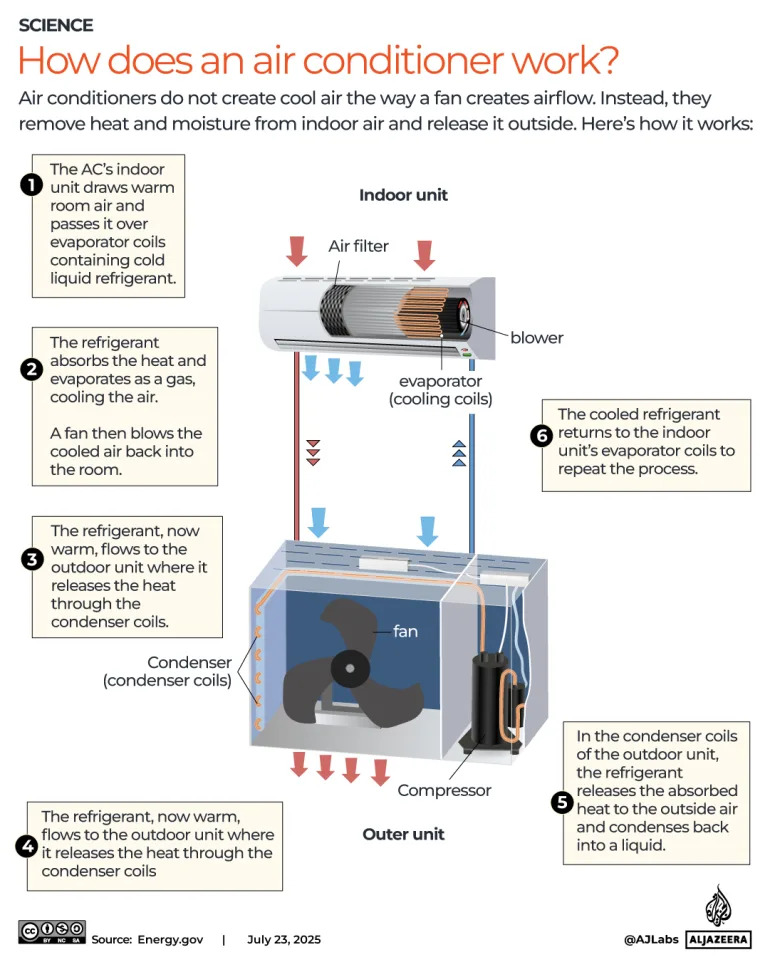
Have you ever wondered why your refrigeration system sometimes doesn’t work as smoothly as it should? One hidden culprit could be moisture.
Moisture in your refrigeration system might seem harmless at first, but it can cause serious problems that affect how well your system cools and how long it lasts. Understanding how moisture impacts your refrigeration system can save you time, money, and frustration.
Keep reading to discover the surprising effects moisture has and what you can do to protect your system from damage.

Credit: www.achrnews.com
Moisture Sources In Refrigeration
Moisture is one of the biggest challenges you can face in a refrigeration system. It sneaks in from various places, often without you realizing it, and once inside, it can cause serious problems like corrosion, ice buildup, and reduced efficiency. Understanding where moisture comes from is the first step to protecting your system and keeping it running smoothly.
Common Entry Points
Moisture often enters through leaks in the system’s seals or joints. Even tiny cracks or loose fittings can allow humid air to seep in. Every time the refrigeration system is opened for maintenance or repair, there’s a risk that moisture gets inside if proper precautions aren’t taken.
Environmental Factors
Your system’s surroundings play a big role in moisture intrusion. High humidity areas increase the chance of moisture entering through vents, vents, or any exposed parts. Outdoor units are especially vulnerable during rainy or foggy weather, making location and protective measures critical.
System Components Prone To Moisture
Certain parts of your refrigeration setup are more likely to hold or attract moisture. The accumulator, filter driers, and evaporator coils often trap water vapor during operation. If these components aren’t checked regularly, moisture can accumulate and cause ice blockages or corrosion.
Impact On System Performance
Moisture inside a refrigeration system can severely affect how well it performs. Even small amounts of water vapor can disrupt the delicate balance needed for efficient cooling. Understanding the impact on system performance helps you catch problems early and avoid costly repairs.
Reduced Cooling Efficiency
Moisture lowers the system’s ability to cool effectively. Water inside the refrigerant lines can freeze and block the flow, causing uneven cooling or warm spots. Have you noticed your fridge struggling to keep things cold despite running constantly? This could be a sign of moisture-related issues reducing cooling power.
Increased Energy Consumption
When moisture interferes, your system has to work harder to maintain the desired temperature. This extra effort draws more electricity, raising your energy bills. A refrigeration system clogged by ice or moisture can consume up to 20% more energy than normal. Are you paying more for power without realizing your fridge is the culprit?
Compressor Stress And Damage
Moisture can cause serious harm to the compressor, the heart of your refrigeration system. Water mixes with the refrigerant, leading to acid formation which corrodes internal parts. Over time, this stress can cause compressor failure, forcing expensive replacements. Would you risk your system’s longevity by ignoring signs of moisture buildup?
Chemical Reactions With Moisture
Moisture inside a refrigeration system triggers chemical reactions that harm its parts. These reactions reduce system efficiency and lifespan. Understanding how moisture causes damage helps in preventing costly repairs.
Formation Of Acids
Moisture reacts with refrigerants to form acids inside the system. These acids attack metal components, leading to damage. Even small amounts of water can create strong acids that cause rapid wear.
Corrosion Risks
Acids formed from moisture speed up corrosion of metal parts. Corrosion weakens pipes, coils, and valves, causing leaks and failures. Rust buildup also clogs the system and reduces heat transfer.
Degradation Of Refrigerants And Oils
Moisture breaks down refrigerants and oils chemically. Degraded oils lose their lubrication ability, increasing friction and wear. Damaged refrigerants lower cooling performance and may cause system shutdowns.
Operational Issues Caused By Moisture
Moisture inside your refrigeration system can cause a range of operational problems that directly impact its efficiency and lifespan. Even small amounts of water can trigger issues that might seem minor at first but quickly escalate into costly repairs or downtime. Understanding these operational issues helps you take the right steps to protect your system and maintain smooth performance.
Blockages And Ice Formation
Moisture in the refrigeration cycle often freezes and forms ice, which can block the narrow passages inside the system. These blockages reduce refrigerant flow and cause uneven cooling.
When ice forms around valves or capillary tubes, it restricts the system’s ability to maintain consistent temperature. Have you ever noticed your fridge struggling to cool evenly? Ice blockages might be the hidden culprit.
Filter And Dryer Failures
Filters and dryers are designed to remove moisture and contaminants, but excess water can overload them. This causes them to fail faster, letting moisture circulate freely again.
When dryers fail, moisture combines with refrigerant to form acids, which can corrode metal parts inside your system. Regularly checking and replacing filters and dryers can save you from unexpected breakdowns.
Pressure Fluctuations
Moisture inside the system affects pressure levels by causing irregular vaporization and condensation cycles. These fluctuations make it harder for the compressor to maintain steady operation.
You might hear unusual noises or notice the compressor working harder than usual. Such symptoms often indicate pressure imbalances triggered by moisture presence. Are you monitoring pressure regularly to catch these early signs?
Detection And Diagnosis
Detecting and diagnosing moisture in a refrigeration system is crucial to maintaining its efficiency and longevity. Moisture can cause serious problems, but catching it early can save you from costly repairs. Understanding the signs, testing methods, and monitoring tools will help you keep your system running smoothly.
Signs Of Moisture Presence
One clear sign of moisture is frost buildup inside the system, especially around the evaporator coil. You might also notice unusual noises or a drop in cooling performance. Sometimes, moisture causes corrosion on metal parts, which can be spotted during routine inspections.
Have you ever experienced a sudden drop in your fridge’s cooling power? That could be a hidden sign of moisture affecting the system’s components. Keeping an eye out for these symptoms can help you act before the problem worsens.
Testing Methods
To confirm moisture presence, you can use several testing methods. A common one is the use of a moisture indicator, which changes color when it detects water in the refrigerant. Another effective method is vacuum testing, which helps identify leaks and moisture by checking pressure levels.
Using refrigerant analyzers is also helpful. These devices measure the purity of the refrigerant and flag any moisture contamination. Testing regularly keeps your system in check and prevents hidden damage.
Monitoring Tools
Modern refrigeration systems benefit from built-in moisture sensors that provide real-time alerts. These sensors can detect moisture levels before they cause damage. Integrating these tools into your maintenance routine gives you peace of mind.
Data loggers are another useful tool. They track temperature and humidity over time, providing valuable information about system conditions. Wouldn’t it be great to catch moisture problems early, just by reviewing data trends?

Credit: www.achrnews.com
Prevention Techniques
Moisture can cause serious problems in refrigeration systems. It leads to corrosion, ice formation, and reduced efficiency. Prevention is key to keep the system running smoothly and avoid costly repairs. Several techniques help stop moisture from entering or damaging the system.
Proper System Evacuation
Evacuating the system removes air and moisture before charging with refrigerant. A vacuum pump pulls out trapped water vapor and gases. This step prevents ice formation and corrosion inside the pipes. Proper evacuation ensures the system stays dry and clean.
Use Of Dryers And Filters
Dryers remove moisture that still enters the system after evacuation. They contain desiccants that absorb water vapor effectively. Filters trap dirt and impurities, protecting the compressor and other parts. Both dryers and filters keep the refrigerant pure and dry.
Sealing And Insulation Practices
Good sealing stops air and moisture from leaking into the system. Use proper gaskets and sealants around joints and connections. Insulation prevents condensation on pipes and coils. This reduces the chance of moisture buildup and improves energy efficiency.
Maintenance Strategies
Maintaining a refrigeration system requires careful attention to moisture control. Moisture can damage critical parts and reduce system efficiency. Proper strategies help prevent costly repairs and downtime. Regular care keeps the system running smoothly and extends its life.
Regular Inspections
Check the system often for signs of moisture build-up. Look at filters, valves, and connections closely. Early detection of moisture prevents serious problems. Use moisture meters or sensors to find hidden water. Inspections should follow a fixed schedule for best results.
Moisture Removal Procedures
Remove moisture using drying agents or vacuum pumps. Replace filters that trap moisture regularly. Use refrigerant dryers to keep the system dry. Avoid letting water sit inside pipes or tanks. Proper drainage systems help remove excess moisture quickly.
Component Replacement Guidelines
Replace parts that show damage from moisture exposure. Focus on seals, gaskets, and desiccant materials. Follow manufacturer recommendations for replacement timing. Keep spare parts ready to reduce downtime. Use quality parts to ensure long-term protection against moisture.
Long-term Effects And Risks
Moisture inside a refrigeration system causes several long-term problems. It damages key parts and lowers system performance over time. The risks affect not only the machine but also safety and costs. Understanding these effects helps in proper maintenance and avoiding major issues.
System Longevity Reduction
Moisture causes corrosion in metal components. Rust weakens pipes, valves, and coils. This leads to leaks and system breakdowns. Moisture also reacts with refrigerants, forming acids. These acids eat away at internal parts. Over time, the system’s life shortens significantly.
Cost Implications
Repair costs rise due to moisture damage. Frequent part replacements and service visits become necessary. Moisture contamination lowers efficiency, increasing energy bills. A damaged system consumes more power to cool. Eventually, full system replacement may be required, adding major expenses.
Safety Concerns
Moisture can create unsafe conditions inside the refrigeration unit. Acid formation may cause leaks of harmful refrigerants. Electrical components may short circuit due to water presence. These issues increase fire and health risks. Proper moisture control is crucial for safe operation.

Credit: www.sciencedirect.com
Frequently Asked Questions
How Does Moisture Affect Refrigeration Efficiency?
Moisture in a refrigeration system decreases efficiency by forming ice and restricting refrigerant flow. It can also cause corrosion, leading to equipment damage. This results in increased energy consumption and reduced cooling performance. Proper maintenance and moisture control are essential for optimal system operation.
Can Moisture Cause Compressor Failure?
Yes, moisture can lead to compressor failure. It causes acid formation and corrosion, damaging internal components. This can lead to reduced system efficiency and costly repairs. Regular monitoring and maintenance help prevent moisture-related issues and ensure compressor longevity.
Why Is Moisture Removal Important In Refrigeration?
Moisture removal is crucial to prevent ice formation and corrosion. These issues can lead to system inefficiency and damage. Removing moisture ensures optimal performance and longevity of refrigeration components. Regular maintenance and using moisture indicators can help maintain proper system conditions.
What Are Signs Of Moisture In A Refrigeration System?
Signs of moisture include ice build-up, corrosion, and reduced cooling performance. Additionally, unusual noises and increased energy consumption may indicate moisture presence. Regular inspections and monitoring help identify and address moisture issues before they cause significant damage.
Conclusion
Moisture harms refrigeration systems in many ways. It can cause ice build-up and block pipes. This makes the system work harder and wastes energy. Moisture also leads to rust, which damages parts. It can reduce cooling efficiency and increase repair costs.
Keeping moisture out helps the system last longer. Use proper maintenance to control moisture levels. This keeps your refrigeration running smoothly and saves money. Remember, dry systems work better and last longer.