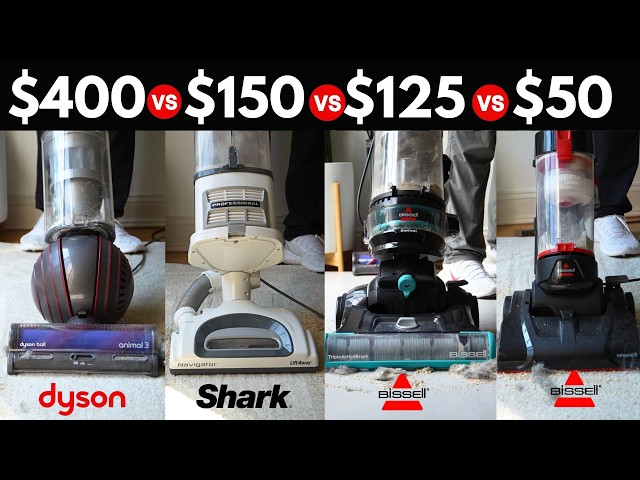
Have you ever wondered why vacuums often come with a high price tag? You might be surprised to learn that the cost isn’t just about suction power or fancy designs.
When you’re ready to invest in a vacuum, understanding what drives the price can help you make a smarter choice. You’ll discover the hidden reasons behind those steep costs—and why spending a bit more might actually save you money and hassle in the long run.
Keep reading to find out what makes vacuums so expensive and how to get the best value for your money.

Credit: evacuumstore.com
Price Factors Behind Vacuums
Vacuum cleaners come with various price tags. Understanding what drives these costs helps explain why some vacuums are more expensive. Several key factors affect their price, from the materials used to the technology inside. Each feature adds value and impacts how much you pay.
Material Quality And Durability
High-quality materials increase the vacuum’s lifespan. Strong plastics and metals resist wear and tear. Durable parts reduce the need for repairs. Long-lasting vacuums cost more to make but save money over time. Cheaper models use lower-grade materials that break easily.
Advanced Filtration Systems
Advanced filters improve air quality by trapping tiny dust particles. HEPA filters capture allergens and bacteria effectively. These filters cost more but provide healthier home environments. Better filtration suits allergy sufferers and pet owners. Simple filters are less costly but less efficient.
Innovative Technology Features
New tech features add convenience and power to vacuums. Examples include smart sensors, automatic dirt detection, and cordless designs. Such technologies require research and costly components. They make cleaning easier and more effective. Basic vacuums lack these features but cost less.
Brand Influence On Cost
Brand influence plays a major role in the price of vacuums. Well-known brands charge more for their products. Buyers pay for the name as well as the vacuum’s features.
Brands build value through trust and reputation. This trust affects how much customers are willing to spend. Big brands invest a lot to maintain a good image.
Reputation And Trustworthiness
Famous brands have a history of quality and durability. Customers believe their vacuums will last longer and work better. This trust adds to the cost. Lesser-known brands often sell cheaper but may lack reliability.
People prefer paying more to avoid problems later. Trusted brands also offer better customer service. This support justifies higher prices and builds loyalty.
Marketing And Advertising Expenses
Big brands spend heavily on advertising to reach buyers. Commercials, online ads, and sponsorships cost millions. These expenses increase the vacuum’s retail price.
Advertising creates demand and makes brands recognizable. Small brands spend less on marketing and keep costs low. The brand’s popularity often comes from these marketing efforts.
In short, marketing budgets directly affect vacuum prices. Buyers pay a portion of these costs when purchasing.
Manufacturing And Design Costs
Manufacturing and design costs play a big role in why vacuums are expensive. These costs cover everything from early ideas to the final product. The process requires many skilled workers and high-quality materials. Each vacuum must meet strict standards for performance and safety. These factors add up, making the product cost higher.
Research And Development
Research and development (R&D) is where vacuum design starts. Engineers study dirt types and cleaning methods. They test new technologies to improve suction and efficiency. This stage can take months or years. Companies spend a lot on testing and prototypes. This investment raises the vacuum’s price.
Precision Engineering
Vacuum parts need to fit and work perfectly. Precision engineering ensures motors, filters, and brushes align. Small mistakes can reduce cleaning power or break the vacuum. Manufacturers use advanced tools to create exact parts. This careful work costs more than simple mass production.
Labor And Production Expenses
Skilled workers assemble vacuums by hand or machine. Factories must keep clean and safe environments. Workers need training to handle complex parts. These labor costs add to the final price. Also, quality checks happen at every step to avoid defects.

Credit: evacuumstore.com
Market Demand And Competition
The vacuum cleaner market is shaped by high demand and fierce competition. Many brands try to offer the best features and designs. This pushes prices higher. Companies also invest in marketing to stand out. All these factors influence the cost consumers see.
Consumer Preferences
Buyers want vacuums that are powerful yet easy to use. They prefer models with strong suction and lightweight bodies. Cordless and smart vacuums are very popular. People also look for quiet machines and long battery life. These preferences lead brands to add costly technology. This raises the overall price of vacuums.
Supply Chain Challenges
Vacuum production depends on many parts from different countries. Shipping delays and rising material costs affect supply. Factories may face labor shortages or increased expenses. These issues increase the price of making vacuums. Brands pass these costs to buyers. Supply chain problems keep prices higher than expected.
Long-term Value Of Expensive Vacuums
Expensive vacuums often seem costly at first glance. Yet, their value grows over time. Investing in a quality vacuum can save money and effort in the long run. These vacuums offer benefits that cheaper models may lack. Understanding their long-term value helps explain the higher price tag.
Energy Efficiency
High-end vacuums use less electricity while cleaning well. They have advanced motors that deliver strong suction with lower power. This reduces energy bills over years of use. Efficient vacuums also run cooler and last longer. Saving energy helps both the environment and your wallet.
Longevity And Warranty
Expensive vacuums are built with durable parts. They resist wear and tear better than budget options. Many come with extended warranties covering repairs or replacements. This protects your investment and avoids extra costs. A vacuum that lasts many years adds real value.
Performance And Cleaning Effectiveness
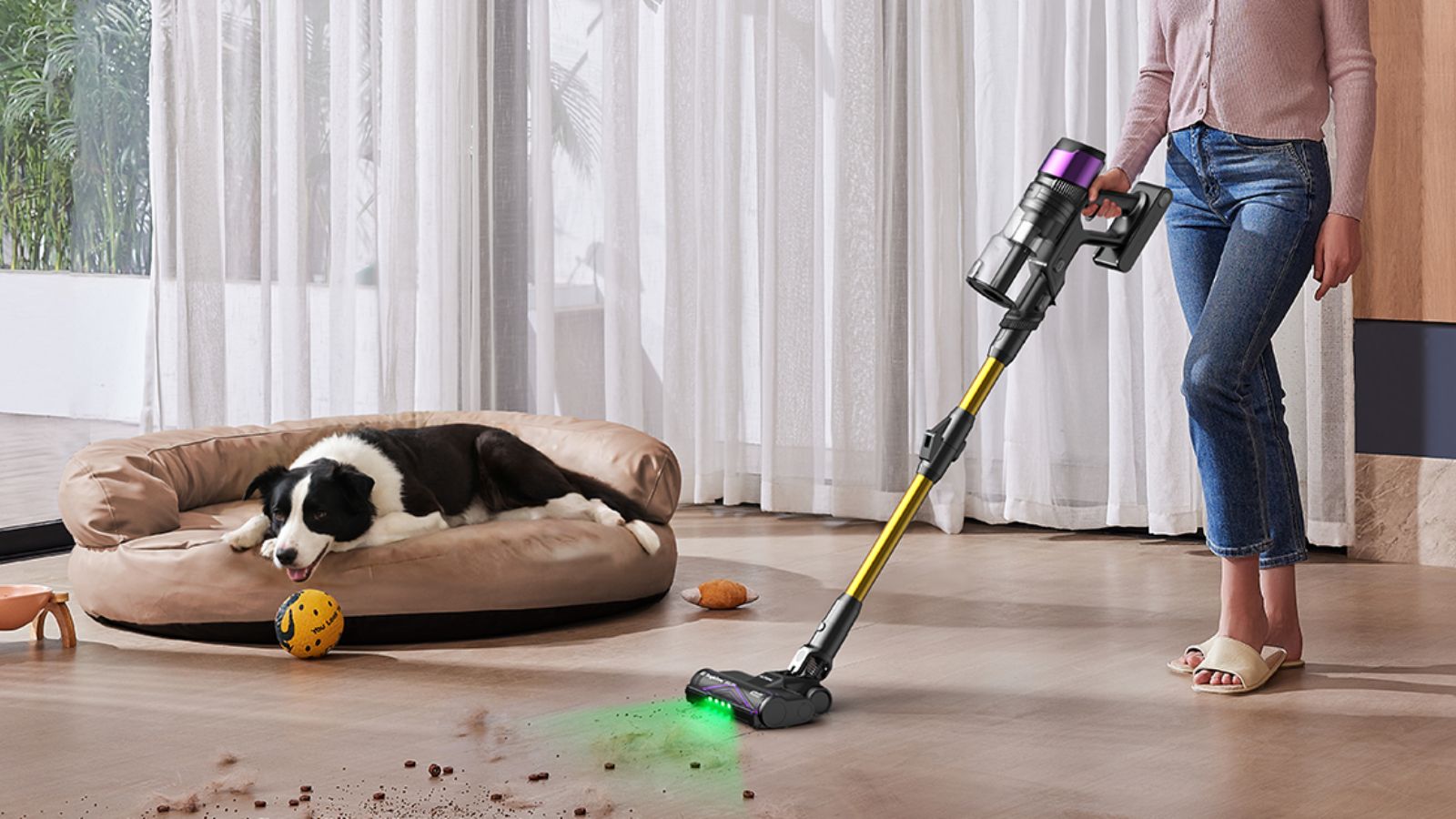
Premium vacuums clean deeper and faster. They pick up fine dust, pet hair, and debris better. Features like adjustable suction and specialized brushes improve results. This means less time spent cleaning and fewer missed spots. Better cleaning reduces allergens and keeps homes healthier.
Credit: www.homesandgardens.com
Frequently Asked Questions
Why Are Premium Vacuums More Costly?
Premium vacuums cost more due to advanced technology, superior build quality, and enhanced features. They often provide better suction, durability, and cleaning efficiency. Investing in a high-quality vacuum can result in long-term savings by reducing the need for frequent replacements.
Do Expensive Vacuums Last Longer?
Yes, expensive vacuums typically last longer. They are built with durable materials and advanced engineering. This ensures reliability and longevity. Regular maintenance can further extend their lifespan, making them a cost-effective choice over time.
Are High-priced Vacuums Worth The Investment?
High-priced vacuums can be worth it. They offer superior cleaning performance, advanced filtration systems, and long-term durability. These features contribute to better indoor air quality and reduced cleaning time, providing value for money.
How Do Features Affect Vacuum Prices?
Features significantly influence vacuum prices. Models with HEPA filters, smart sensors, and multiple attachments tend to be pricier. These features enhance cleaning efficiency and convenience, justifying the higher cost for many users.
Conclusion
Vacuums cost more because of quality parts and strong design. They use advanced technology to clean better and last longer. Brands invest in research and testing to improve performance. Good filters and motors add to the price too. Buying a cheaper vacuum might mean less power and shorter life.
Spending more can save money over time by avoiding replacements. Think of it as paying for durability and better cleaning. This explains why vacuums often come with a higher price tag.